Fly fishing offers a unique blend of art, skill, and serenity that traditional methods can’t match. From lighter gear and precise casting to deeper connection with nature, this guide shows why fly fishing is better for both beginners and seasoned anglers.
Key Takeaways
- Precision casting: Fly fishing’s lightweight line lets you place the fly exactly where fish are feeding.
- Gentle equipment: Softer rods and lines reduce fatigue and are easier on the body.
- Eco‑friendly approach: Catch‑and‑release is more humane, and you often fish in protected waters.
- Skill development: Mastering fly patterns and presentations improves overall angling ability.
- Scenic experiences: Fly anglers spend more time in beautiful streams and rivers, enhancing mental well‑being.
- Versatility: One setup can target trout, bass, panfish, and even saltwater species.
- Community spirit: Fly fishing clubs and workshops foster camaraderie and shared learning.
📑 Table of Contents
- Introduction: The Allure of the Fly
- 1. The Gear Advantage: Light, Flexible, and Fun
- 2. Technique Mastery: Why Skill Matters More Than Gear
- 3. Environmental Harmony: A Sustainable Choice
- 4. The Mental and Physical Health Boost
- 5. Versatility: From Freshwater Streams to Saltwater Flats
- 6. Community and Lifelong Learning
- Conclusion: The Subtle Superiority of Fly Fishing
Introduction: The Allure of the Fly
Imagine standing knee‑deep in a crystal‑clear mountain stream, the sun glinting off the water, and a delicate feathered lure drifting downstream. In that moment, the world seems to pause, and the only thing you hear is the soft splash of a rising trout. That is the magic of fly fishing, and it’s why many anglers swear that fly fishing is better than any other method.
Unlike spin or bait fishing, fly fishing relies on a lightweight line, a flexible rod, and an artificial “fly” that mimics insects on the water’s surface. This combination creates a more subtle, natural presentation that often convinces wary fish to bite. In the sections that follow, we’ll explore the practical reasons, the mental benefits, and the gear considerations that make fly fishing a standout choice.
1. The Gear Advantage: Light, Flexible, and Fun
1.1. Rods That Feel Like an Extension of Your Arm
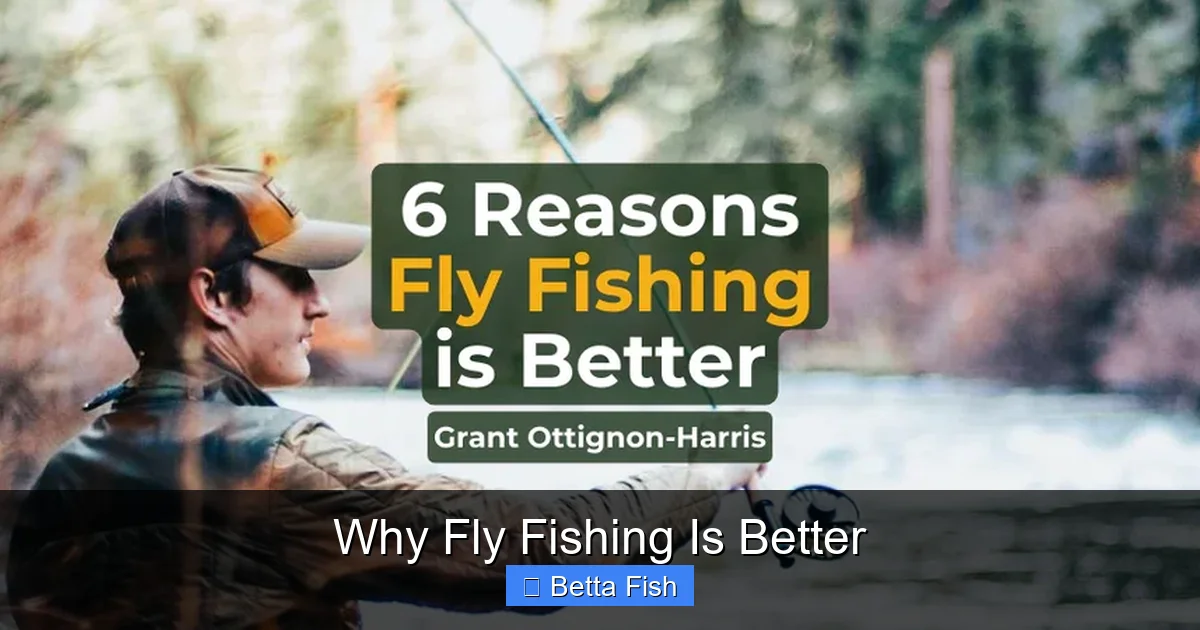
Fly rods are typically longer and more flexible than conventional rods. Because the line is lighter, you use a gentle, flowing motion that feels more like a dance than a struggle. This reduces arm fatigue and makes long days on the water enjoyable for anglers of any age.
Visual guide about Why Fly Fishing Is Better
Image source: rodandtackle.com
1.2. The Line: A Feather‑Light Messenger
The floating or sinking fly line carries the fly to the target with minimal force. This precision allows you to “talk” to fish in a way that heavy spinners cannot. For example, a well‑timed drift can imitate a mayfly hatch, prompting a trout to rise instinctively.
1.3. Flies: Endless Creativity
From simple wool yarns to intricate, multi‑material patterns, flies can be tied to match almost any insect or baitfish. This creative aspect not only makes the sport more engaging but also teaches you about aquatic ecosystems.
1.4. Internal Link Example
If you’re curious about choosing the right rod, check out our guide on which is better 1 piece or 2 piece fishing rod for an in‑depth comparison.
2. Technique Mastery: Why Skill Matters More Than Gear
2.1. The Art of the Cast
Fly casting is a skill that can be learned step by step. The basic “overhead” cast teaches timing, rhythm, and body mechanics. As you progress, you’ll add “roll casts,” “double hauls,” and “mendings” to keep the line hidden and the fly natural.
Visual guide about Why Fly Fishing Is Better
Image source: img.fishkis.com
2.2. Presentation Over Power
Because the fly is lightweight, the key to success is how it moves, not how fast you reel it in. A slow, natural drift often outperforms a fast retrieve, especially in clear water where fish are easily spooked.
2.3. Learning Curve Benefits
Mastering these techniques improves hand‑eye coordination, patience, and problem‑solving skills—abilities that translate to everyday life.
3. Environmental Harmony: A Sustainable Choice
3.1. Low Impact on Habitat
Fly fishing typically takes place in small streams and rivers where anglers wade or use lightweight boats, causing less disturbance than motorized vessels.
3.2. Catch‑and‑Release Ethics
Because flies are often less lethal than larger hooks, many anglers practice catch‑and‑release, helping maintain healthy fish populations.
3.3. Conservation Community
Fly fishing clubs frequently partner with conservation groups to protect watersheds, restore habitats, and monitor water quality.
4. The Mental and Physical Health Boost
4.1. Stress Reduction
Spending time near flowing water has a calming effect. Studies show that the sound of a stream can lower cortisol levels, making fly fishing a natural stress reliever.
4.2. Physical Exercise
Wading, casting, and hiking to remote spots provide a low‑impact workout that improves balance and cardiovascular health.
4.3. Mindfulness and Presence
Fly fishing demands focus on the present moment—watching the water, feeling the line tension, and timing the cast. This mindfulness can improve overall mental clarity.
5. Versatility: From Freshwater Streams to Saltwater Flats
5.1. Target Species Variety
One fly rod can catch trout, bass, panfish, and even tarpon with the right fly and technique. This versatility reduces the need for multiple specialized setups.
5.2. Adapting to Different Environments
Whether you’re on a quiet mountain creek or a breezy coastal inlet, changing the line weight, sink rate, and fly pattern lets you stay effective.
5.3. Internal Link Example
Wondering whether a spin or fly approach works better in a specific location? Read our comparison of which is better inshore or offshore fishing for insights that apply to fly anglers, too.
6. Community and Lifelong Learning
6.1. Clubs and Workshops
Fly fishing societies host regular meet‑ups, casting clinics, and fly‑tying classes. These events foster friendships and provide mentorship for new anglers.
6.2. Online Resources
From YouTube tutorials to forums, the fly fishing community shares tips, patterns, and location reports freely.
6.3. Passing the Tradition
Many anglers introduce their children to fly fishing as a family tradition, creating lasting bonds and respect for nature.
Conclusion: The Subtle Superiority of Fly Fishing
When you weigh the gentle gear, the emphasis on skill, the environmental stewardship, and the mental health perks, it’s clear why fly fishing is better for many anglers. It’s not just a way to catch fish—it’s a holistic outdoor experience that nurtures body, mind, and soul. So grab a rod, tie a few flies, and step into the water. You’ll soon discover that the quiet dance of a fly on a stream is more rewarding than any other catch.
Frequently Asked Questions
Is fly fishing harder to learn than spin fishing?
It can feel challenging at first because casting techniques differ, but the learning curve is rewarding. Many beginners master the basic overhead cast within a few days of practice.
Do I need expensive gear to start fly fishing?
No. Entry‑level rods and lines are affordable, and you can begin with a few simple flies. As you progress, you may upgrade based on the species you target.
Can I use fly fishing in saltwater?
Absolutely. Saltwater fly fishing uses heavier lines and larger flies to target species like bonefish, tarpon, and striped bass.
How does fly fishing help the environment?
Fly fishing generally causes less habitat disruption, promotes catch‑and‑release, and many anglers actively support conservation projects.
What is the best time of day to fly fish?
Early morning and late afternoon often provide the most active feeding periods for insects, making fish more likely to bite.
Do I need a special license for fly fishing?
Licensing rules vary by region. Check your local wildlife agency to ensure you have the correct permit for the waters you plan to fish.

