Betta fish open their mouths wide for many reasons—from breathing and feeding to stress or illness. Understanding the signs helps you act fast, ensuring a thriving aquarium. Learn the key causes and simple steps to keep your betta comfortable.
Key Takeaways
- Breathing aid: Mouth‑gaping can be a normal way to get more oxygen.
- Feeding behavior: Wide‑open mouths often happen when a betta spots food or is trying to eat.
- Stress signal: Poor water quality, aggressive tank mates, or temperature spikes may cause gaping.
- Illness indicator: Gasping, bloating, or white spots paired with mouth opening can mean disease.
- Tank maintenance: Regular water changes and proper filtration reduce unwanted gaping.
- Observation matters: Watching the frequency and context of mouth opening tells you what’s really happening.
- Quick fixes: Adjust temperature, improve aeration, and check for parasites to help your betta recover.
📑 Table of Contents
- Introduction: The Curious Case of the Gaping Betta
- 1. Natural Breathing and Oxygen Needs
- 2. Feeding Time: The “Open‑Mouth” Reflex
- 3. Stress Triggers in the Tank
- 4. Health Issues That Show Up as Mouth Gaping
- 5. Practical Steps to Reduce Unwanted Gaping
- 6. When to Call a Vet or Experienced Keeper
- Conclusion: Keep an Eye, Keep a Betta Happy
Introduction: The Curious Case of the Gaping Betta
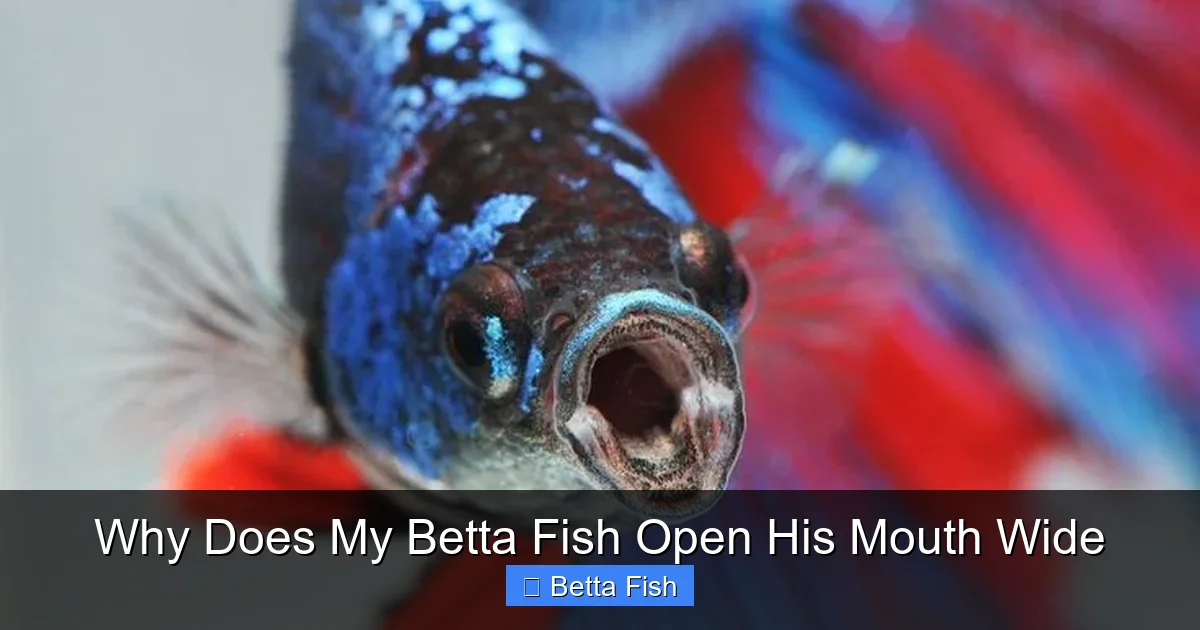
If you’ve ever watched a betta fish suddenly fling its mouth open like a tiny, colorful shark, you’ve probably wondered, “Why does my betta fish open his mouth wide?” It’s a behavior that can be puzzling, especially for new hobbyists. The good news is that most of the time the answer is simple, and the solution is often right at your fingertips.
In this article we’ll break down the most common reasons for mouth‑gaping, show you how to tell a normal response from a warning sign, and give you practical tips to keep your betta breathing easy and living its best life. By the end, you’ll feel confident spotting the difference between a happy, curious fish and one that needs a little extra care.
1. Natural Breathing and Oxygen Needs
How bettas breathe
Betta fish have a special organ called the labyrinth that lets them gulp air from the surface. In a well‑oxygenated tank they may still open their mouths wide to “take a breath” especially after a sprint or when the water temperature rises.

Visual guide about Why Does My Betta Fish Open His Mouth Wide
Image source: tocolor.pics
When to worry
- If the fish gapes only a few seconds after a swim, it’s usually normal.
- Frequent, frantic gaping that lasts longer than a minute could mean low dissolved oxygen.
Improving surface agitation with a gentle air stone or adjusting the filter flow can help. Keep water temperature between 76‑82°F (24‑28°C) – hotter water holds less oxygen.
2. Feeding Time: The “Open‑Mouth” Reflex
Spotting food
Betta’s are visual hunters. When they see a fleck of food, they’ll flare their mouths wide to snap it up. This reflex is especially obvious with live or freeze‑dried foods that move.
Visual guide about Why Does My Betta Fish Open His Mouth Wide
Image source: i.pinimg.com
Common feeding mistakes
Over‑feeding can lead to excess gaping as the fish tries to swallow more than it can handle. It can also cause water quality issues, which we’ll cover later.
For a smoother feeding experience, try offering small portions a few times a day and watch for the “quick‑open‑mouth” action. If your betta consistently spits food out, read our guide on why did my betta fish spit out his food for troubleshooting tips.
3. Stress Triggers in the Tank
Water parameters
Bad water quality is a top stressor. High ammonia, nitrite, or a sudden pH shift can make a betta gasp for air. Test your water weekly and perform 25‑30% changes every week.
Tank mates and environment
Even though many keep bettas alone, a curious tank mate or a reflective surface can cause a startled gaping response. If you keep other fish, make sure they are peaceful and the tank is at least 5 gallons.
Temperature spikes
Rapid changes (more than 2‑3°F in a few hours) stress bettas. Use a reliable heater and a thermometer to keep the temperature steady.
4. Health Issues That Show Up as Mouth Gaping
Internal parasites
Parasites like Costia or Hexamita irritate the gut, causing the fish to gulp air more often. Look for additional signs such as white feces, loss of appetite, or a bloated abdomen. For a deeper dive into bloating, see our article on why does my betta fish look bloated.
Swim bladder disorder
A malfunctioning swim bladder makes the fish struggle to maintain buoyancy, often leading to frantic mouth opening as it tries to “push” water into its lungs. You may notice the fish floating sideways or upside down.
Gill disease
Red, inflamed gills or a cotton‑like coating indicate infection. The fish will gasp at the surface more often. Prompt treatment with a broad‑spectrum antibiotic can help.
5. Practical Steps to Reduce Unwanted Gaping
Improve aeration
- Add a low‑flow air stone to create gentle surface movement.
- Adjust filter output to increase water turnover without creating strong currents.
Maintain pristine water
- Test weekly for ammonia, nitrite, nitrate, and pH.
- Do 25‑30% water changes using conditioned water.
- Vacuum the substrate to remove uneaten food.
Feed smarter
- Offer food that sinks slowly to give the betta time to eat without gulping air.
- Use a feeding schedule: 2‑3 small meals per day.
Check for disease early
- Observe for white spots, torn fins, or cloudy eyes.
- If you see multiple symptoms, isolate the fish in a hospital tank and treat accordingly.
For more on how bubbles relate to health, read why does my betta fish make bubbles.
6. When to Call a Vet or Experienced Keeper
Red flags
If mouth gaping is accompanied by any of the following, seek professional help:
- Loss of appetite for more than 48 hours.
- Visible sores, torn fins, or white patches.
- Rapid breathing that doesn’t improve after water changes.
Finding help
Many local aquarium societies have experienced members who can diagnose issues. Some veterinary clinics specialize in fish health; bring a water sample and note recent tank changes.
Conclusion: Keep an Eye, Keep a Betta Happy
Seeing your betta open its mouth wide can be a simple “I’m eating!” moment or a silent SOS for help. By watching the context—time of day, water conditions, other behaviors—you can quickly tell whether it’s normal or a warning sign. Regular maintenance, proper feeding, and prompt attention to stressors will keep your betta breathing easy and thriving for years to come.
Frequently Asked Questions
Why does my betta fish open his mouth after a water change?
New water can be cooler or have different oxygen levels, prompting the fish to gulp air. Ensure the water is the same temperature and well‑aerated.
Is it normal for a betta to keep his mouth open while swimming?
Occasional mouth opening while swimming is normal, especially after a burst of activity. Persistent gaping may indicate low oxygen or stress.
Can over‑feeding cause my betta to open his mouth wide?
Yes. Over‑feeding leads to excess food in the tank, which can lower water quality and make the fish gulp air more often.
What does it mean if my betta’s mouth is open and he looks bloated?
Bloating combined with mouth gaping often points to internal parasites or swim bladder issues. Check our guide on why does my betta fish look bloated for next steps.
Should I increase the tank temperature if my betta is gaping a lot?
Only if the temperature is below the ideal range (76‑82°F). Raising it too high reduces dissolved oxygen, which can worsen gaping.
How often should I clean the tank to prevent mouth‑gaping caused by poor water quality?
Perform a 25‑30% water change weekly and test water parameters regularly. Spot‑clean the substrate each change to remove leftover food.

