Why Does My Betta Fish Not Eat
Wondering why does my betta fish not eat? It could be stress, water problems, or a hidden illness. This guide walks you through the most common reasons and easy steps to get your betta back to healthy feeding habits.
Key Takeaways
- Water quality matters: Poor parameters are the top reason bettas stop eating.
- Stress triggers loss of appetite: Over‑crowding, bright lights, and sudden changes can scare your fish.
- Diet matters too: Stale or inappropriate food will be rejected.
- Health issues are silent: Parasites, fin rot, and internal infections often show up as a refusal to eat.
- Observe and act fast: Early detection and simple fixes can prevent a fatal decline.
- Know when to seek a vet: If your betta won’t eat for more than a week, professional help is needed.
- Prevention is key: Proper tank setup and a varied diet keep the “why does my betta fish not eat” question at bay.
📑 Table of Contents
Introduction
If you’ve ever stared at a glass bowl and thought, “why does my betta fish not eat?” you’re not alone. Betta owners quickly learn that a picky eater can be a sign of something deeper than a simple food preference.
In this article we’ll break down the most common reasons a betta refuses food, show you how to spot warning signs, and give step‑by‑step solutions you can try at home. By the end, you’ll feel confident that you can help your finned friend return to a healthy appetite.
1. Water Quality – The Invisible Culprit
Why clean water matters
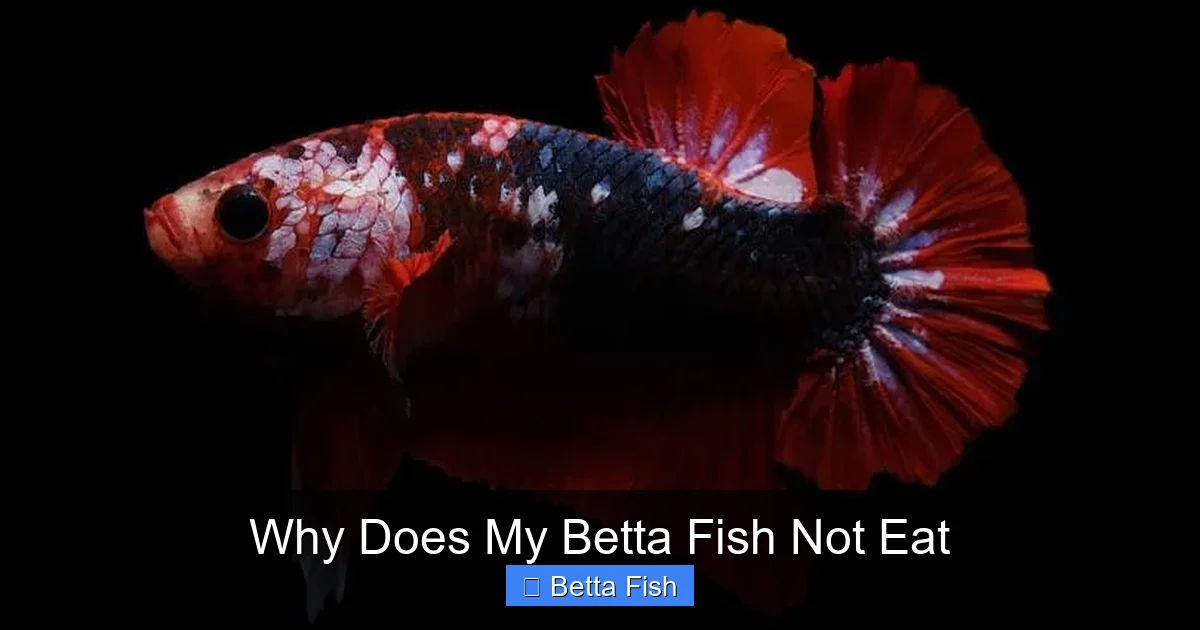
Betta fish are native to shallow, slow‑moving waters of Southeast Asia. In a home aquarium, they rely on us to keep the water stable. High ammonia, nitrite, or a sudden pH swing can stress a betta so much that it stops eating.
Visual guide about Why Does My Betta Fish Not Eat
Image source: hepper.com
Testing and fixing parameters
- Test weekly with a liquid test kit for ammonia, nitrite, nitrate, and pH.
- Keep ammonia and nitrite at 0 ppm, nitrate under 20 ppm, and pH between 6.5‑7.5.
- Do a 25‑30 % water change if any value spikes.
Even a small drift in temperature (below 76 °F) can cause loss of appetite. Use a reliable heater and a thermometer to stay within the 78‑80 °F range.
2. Stress Factors – The Silent Appetite Killer
Tank mates and overcrowding
Betta fish are solitary by nature. Adding aggressive tank mates or housing more than one male in the same tank can cause chronic stress, leading to the dreaded “why does my betta fish not eat” scenario.
Visual guide about Why Does My Betta Fish Not Eat
Image source: fishkeepingadvice.com
Lighting and décor
Bright, direct lighting for long periods mimics a predator’s presence. Dim the lights to 8‑10 hours a day and provide plenty of hiding spots using live plants, caves, or silk nets.
Sudden changes
Moving the tank, changing décor, or even a new owner can unsettle a betta. When you need to make changes, do them gradually over several days.
3. Diet Issues – Not All Food Is Created Equal
Choosing the right food
Betas are carnivores. They thrive on high‑protein foods like frozen or live brine shrimp, daphnia, and quality betta pellets. Low‑protein flakes often get rejected.
Food freshness
Stale pellets develop a bad odor and can cause a betta to spit them out. Store food in an airtight container and replace it every two weeks.
Feeding routine
Feed small amounts 2‑3 times daily. Overfeeding creates excess waste, which quickly degrades water quality and may answer “why does my betta fish not eat.”
For a deeper dive on diet, see our guide on what does betta fish eat.
4. Health Problems – When Illness Masks Hunger
Common illnesses that stop feeding
- Ich (White Spot Disease): Tiny white spots and frantic swimming.
- Fin rot: Frayed, ragged fins that may bleed.
- Swim bladder disorder: The fish floats sideways or sinks.
- Internal parasites: Weight loss and lack of appetite.
Spotting subtle signs
Even if your betta looks fine, check for faded colors, clamped fins, or a bloated belly. These can be early warnings that the fish is ill and therefore not eating.
When to seek professional help
If your betta refuses food for more than 5‑7 days, or you notice rapid color loss, consult a fish‑health veterinarian. Early treatment improves survival odds.
Read more about health concerns in why did my betta fish stop eating.
5. Environmental Enrichment – Keeping Your Betta Happy
Enrichment activities
Betta fish love to explore. Adding floating toys, live plants, or a gentle current encourages natural hunting behavior, which can stimulate appetite.
Bubble nests and breeding behavior
Male bettas build bubble nests when they are ready to breed. If a nest is absent during breeding season, the fish may become bored and stop eating. Providing a calm environment can help them resume normal feeding.
Learn more about bubble‑nest behavior at why does my betta fish make bubbles.
6. Practical Troubleshooting Checklist
Step‑by‑step quick fix
- Test water parameters. Adjust with a partial water change if needed.
- Check temperature and heater function.
- Observe for signs of stress: hiding, rapid gill movement, faded colors.
- Offer a variety of fresh foods (brine shrimp, daphnia, high‑protein pellets).
- Reduce lighting and add hiding spots.
- Monitor for illness signs; isolate the fish if needed.
- If no improvement after 48‑72 hours, consult a vet.
Conclusion
Understanding “why does my betta fish not eat” is a matter of looking at water, stress, diet, and health together. Most owners can solve the problem with simple water changes, a better diet, and a calmer environment. When those steps don’t work, it’s a sign that a deeper health issue may be at play, and professional help becomes essential.
By staying observant and proactive, you’ll keep your betta thriving, colorful, and eager for its next meal.
Frequently Asked Questions
Why is my betta fish refusing all food?
Most often it’s water quality or stress. Test the water, ensure proper temperature, and reduce any sudden changes in the tank.
Can I feed my betta live food to restart its appetite?
Yes. Live brine shrimp or daphnia are highly enticing and can coax a picky betta back to eating.
How long can a betta go without eating before it’s dangerous?
Betas can survive a few days without food, but more than a week can lead to serious health decline.
What signs indicate a health problem rather than just stress?
Look for white spots, ragged fins, bloating, or loss of color. These symptoms suggest illness that needs treatment.
Should I increase the feeding frequency to encourage eating?
No. Overfeeding worsens water quality. Instead, feed small portions 2‑3 times daily with fresh, high‑protein foods.
Is it normal for a betta to stop eating during breeding season?
Sometimes a male will focus on building a bubble nest and eat less. Provide a calm environment and a varied diet to keep his appetite steady.