Why Does My Betta Fish Jump Out of the Water
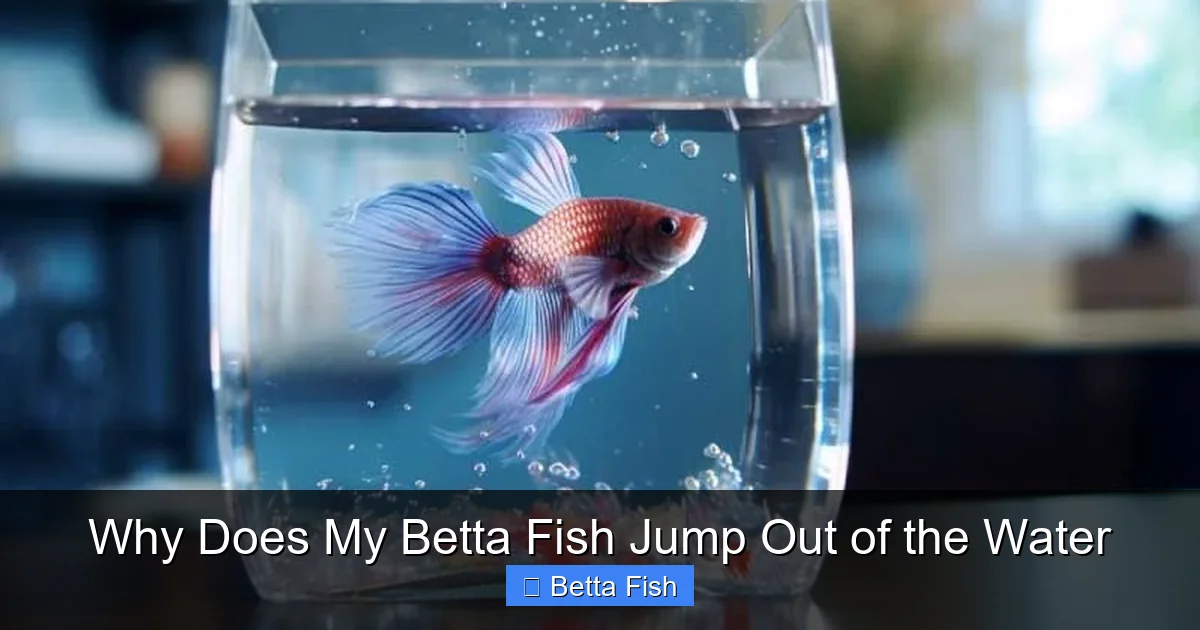
Betta fish often leap out of their tanks because of stress, poor water conditions, or simply natural curiosity. By checking temperature, tank size, cover, and diet, you can stop the jumps and enjoy a thriving, happy betta.
Key Takeaways
- Stress is the main driver: Loud noises, bright lights, and aggressive tank mates can make a betta jump.
- Water quality matters: Bad parameters or temperature swings trigger escape behavior.
- Tank size and cover are crucial: A bowl or uncovered tank invites leaping.
- Feeding habits influence activity: Over‑feeding or lack of stimulation can cause sudden jumps.
- Health issues can be a warning sign: Parasites, gas‑bubble disease, or fin rot may make a betta try to escape.
- Simple fixes work fast: Adding a lid, using a heater, and regular water changes often solve the problem.
- Monitor and adjust: Keep a daily log of temperature, feeding, and behavior to catch problems early.
📑 Table of Contents
Introduction: The Mystery of the Leaping Betta
Imagine you’re watching your gorgeous betta glide through the water, showing off its bright fins, when—suddenly—he darts upward and splashes onto the tank lid. You might shout, “Why does my betta fish jump out of the water?” It’s a common panic moment for many betta owners.
Betta fish are hardy, but they are also curious and sensitive. A single jump can signal anything from a simple curiosity to a serious health problem. In this guide we’ll walk through the most common reasons, how to spot early warning signs, and easy steps you can take right now to keep your betta safely in the water.
1. Environmental Stressors
Betta fish are native to the shallow, slow‑moving waters of Thailand. In the wild they have plenty of hiding spots, stable temperatures, and gentle water flow. When we bring them into our homes, we must recreate those calm conditions.
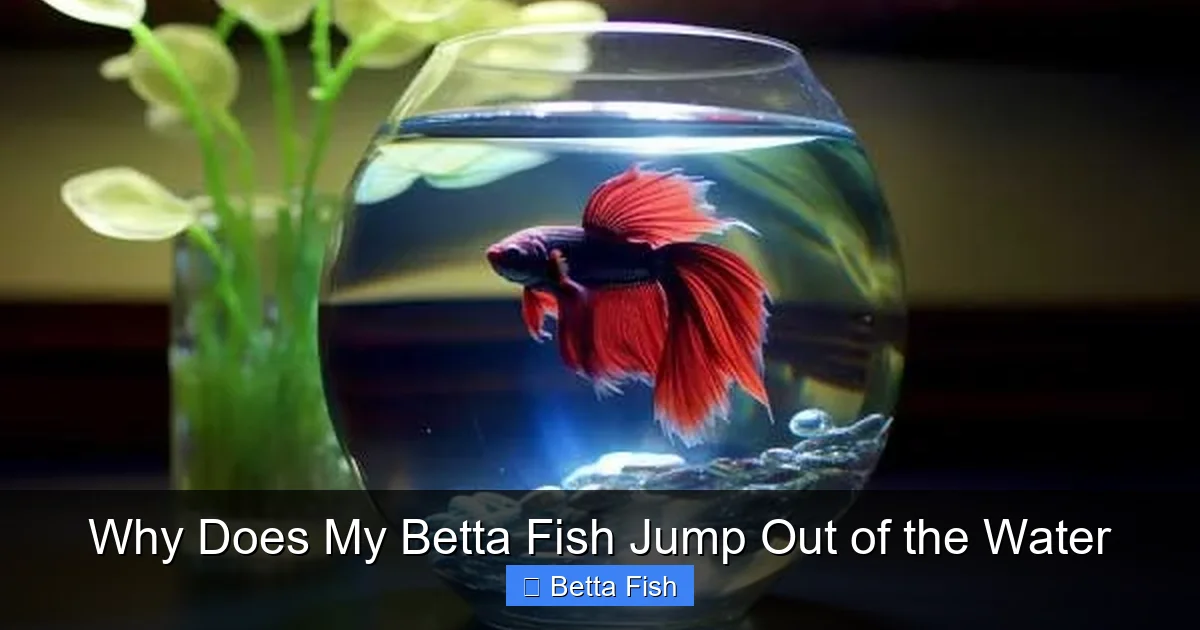
Visual guide about Why Does My Betta Fish Jump Out of the Water
Image source: bettafishnest.com
1.1 Temperature Fluctuations
Betta are tropical fish that thrive at 76‑82°F (24‑28°C). A sudden drop or rise of just a few degrees can make them uncomfortable enough to try escaping. Check your heater regularly and use a reliable aquarium thermometer.
1.2 Poor Water Quality
High ammonia, nitrite, or nitrate levels irritate a betta’s gills. Cloudy water, strong odors, or a sticky film on the glass are clues that the tank needs a water change. Aim for a partial change of 25‑30% every week.
1.3 Inadequate Tank Size & Cover
Many beginners keep bettas in tiny bowls. A 2‑gallon tank is the absolute minimum, but 5‑gallon is ideal. Small spaces feel cramped, and without a lid a betta can easily hop out. Adding a simple acrylic or mesh cover eliminates the escape route.
1.4 Light & Noise
Bright LED lights that stay on all day, loud music, or a TV nearby can stress a betta. Keep the tank in a quiet corner and provide a natural day/night cycle—12 hours of light, 12 hours of darkness.
2. Behavioral Triggers
Betta fish are solitary and territorial. Their natural instinct is to explore the surface and claim the highest point in their environment.
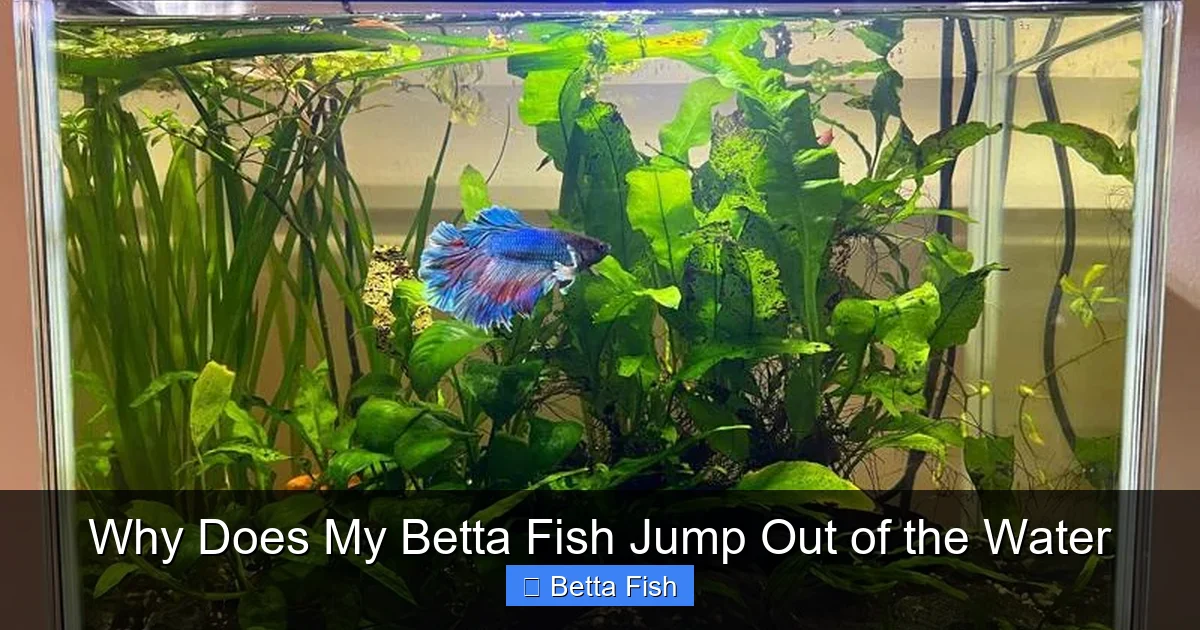
Visual guide about Why Does My Betta Fish Jump Out of the Water
Image source: ouraquariumlife.com
2.1 Surface Feeding
If you feed floating pellets, the betta may chase them to the surface and accidentally launch itself out. Try sinking foods or train your fish to take food from a feeding ring.
2.2 Lack of Stimulation
Bored bettas often become “acrobatic.” Adding live plants, silk decorations, or a gentle driftwood branch gives them places to explore without needing to jump.
2.3 Aggressive Tank Mates
Even though bettas are usually kept alone, some owners try a “community” setup. A fin‑nipping tank mate can cause the betta to panic and leap. If you notice nipping, it’s time to separate them.
3. Health Concerns That Prompt Jumping
Sometimes a jump is a cry for help. Health issues can make a betta feel uncomfortable or unable to breathe properly.
3.1 Gill Flukes & Parasites
Parasites irritate the gills, making breathing hard. The fish may try to reach the surface for more oxygen. Look for ragged gill filaments or white spots.
3.2 Gas‑Bubble Disease
Improper water temperature or high dissolved gases create tiny bubbles in the fish’s tissues. The fish may feel “bloated” and attempt to escape. A sudden jump combined with a round, puffy appearance is a red flag.
3.3 Fin Rot or Injuries
Damaged fins can make swimming inefficient. A betta with ragged fins may hop to find a better angle for movement. Check for torn or frayed fins and treat with a antibacterial dip if needed.
3.4 Internal Issues (Swim Bladder Disorder)
The swim bladder helps a fish maintain depth. If it’s compromised, the betta may float uncontrollably and accidentally jump. Feeding a fast‑acting pea (blanched) can sometimes relieve mild cases.
4. Practical Steps to Stop the Leaps
Now that we know the why, let’s talk about the how. Below are actionable steps you can implement today.
4.1 Secure the Tank
- Install a tight‑fitting lid or cover. A mesh screen works well for ventilation.
- Use a weighted aquarium lid if you have a glass top.
4.2 Optimize Water Conditions
- Test water weekly with a liquid test kit for ammonia, nitrite, nitrate, and pH.
- Maintain temperature with a submersible heater and a thermostat set to 78°F (25.5°C).
- Perform a 25% water change every 5‑7 days.
4.3 Adjust Feeding Routine
- Feed small amounts 2‑3 times per day; remove uneaten food after 5 minutes.
- Offer a variety: sinking wafers, frozen daphnia, and occasional live or frozen bloodworms.
- Consider a feeding ring to keep food close to the bottom.
4.4 Enrich the Environment
- Add live or silk plants for hiding spots.
- Place a smooth rock or piece of driftwood for the betta to rest on.
- Rotate decorations every few weeks to keep curiosity high.
4.5 Monitor Health Regularly
- Check fins, eyes, and gills daily for signs of disease.
- If you spot white spots, frayed fins, or abnormal swimming, isolate the fish in a hospital tank.
- Consult a veterinarian or an experienced aquarist if symptoms persist.
5. When to Seek Professional Help
If you’ve tried the above steps and the jumps continue, it may be time to bring in an expert. Persistent leaping paired with loss of appetite, discoloration, or rapid breathing can indicate a serious underlying issue.
5.1 Veterinary Consultation
Fish‑savvy vets can run microscopic exams for parasites and prescribe appropriate medication. Early treatment often saves the fish.
5.2 Community Advice
Posting clear photos and a description on betta‑specific forums can yield helpful tips. Many experienced keepers have faced the same problem.
Conclusion: Keeping Your Betta Safe and Happy
Understanding why does my betta fish jump out of the water is the first step toward a healthier, happier pet. By controlling temperature, ensuring clean water, providing a secure cover, and enriching the tank, you remove most of the triggers that cause leaping. Keep an eye on your fish’s health, adjust feeding, and you’ll likely see fewer surprise jumps and more graceful swimming.
Remember, a betta’s jump is often a call for attention—not a sign of mischief. With a little observation and the right care, you’ll turn those panic moments into peaceful days watching your vibrant friend glide peacefully.
Frequently Asked Questions
Why does my betta fish jump out of the water when I turn on the light?
Bright lights can startle a betta, especially if the light switches on suddenly. Gradually increase brightness or use a dimmer to give the fish time to adjust.
Can water temperature cause my betta to leap?
Yes. Sudden drops or spikes in temperature make a betta uncomfortable and may trigger a jump. Keep the heater set between 76‑82°F (24‑28°C) and use a reliable thermometer.
Is it normal for bettas to jump out of the tank?
Betta fish are known to explore the surface, but frequent jumps usually indicate stress, poor water quality, or health issues. Providing a lid and stable conditions reduces the behavior.
What should I do if my betta jumps out and lands on the lid?
Gently scoop the fish with a soft net, place it back in the tank, and check for injuries. Ensure the tank has a secure cover to prevent future incidents.
Can feeding habits make a betta jump?
Feeding floating pellets can cause a betta to chase food to the surface and accidentally leap. Switch to sinking foods or use a feeding ring to keep food low.
When should I worry about a health problem?
If jumping is accompanied by ragged fins, white spots, gas bubbles, or loss of appetite, it may be a health issue. Isolate the fish and consult a vet or experienced hobbyist.