Why Does My Betta Fish Have a White Bump
Seeing a white bump on your betta can be scary, but it’s often a treatable issue. This guide explains the most common reasons—like velvet disease, fungal infections, or parasites—and offers step‑by‑step care tips to restore your fish’s health quickly.
Key Takeaways
- Identify the bump: Look at size, texture, and location to narrow down the cause.
- Common culprits: Velvet disease, fungal growth, and internal parasites are the top three reasons.
- Water quality matters: Poor parameters accelerate infections and skin problems.
- Prompt treatment works: Early medication and quarantine can save your betta.
- Prevention is key: Regular tank maintenance and quarantine of new fish reduce future bumps.
- When to seek help: If the bump spreads or your fish stops eating, consult a vet or experienced hobbyist.
- Stay informed: Use reliable resources, like our related articles on white‑turning bettas and bubble‑nest behavior.
📑 Table of Contents
Introduction: The Panic of a White Bump
Imagine you’re watching your vibrant betta glide across the water, and suddenly you spot a tiny white lump on its side. Your heart skips a beat. Is it something serious? Can you fix it yourself? This article walks you through everything you need to know, from spotting the warning signs to treating the problem and preventing it from happening again.
Betta fish are hardy, but like any animal, they can develop skin issues when stressors pile up. The good news? Most white bumps have clear, manageable causes. By the end of this guide you’ll feel confident diagnosing and caring for your finned friend.
1. What Does a White Bump Look Like?
Size and Shape
White bumps can range from a pin‑point speck to a pea‑sized dome. They may be flat, raised, or even slightly ulcerated. Note whether the bump is:

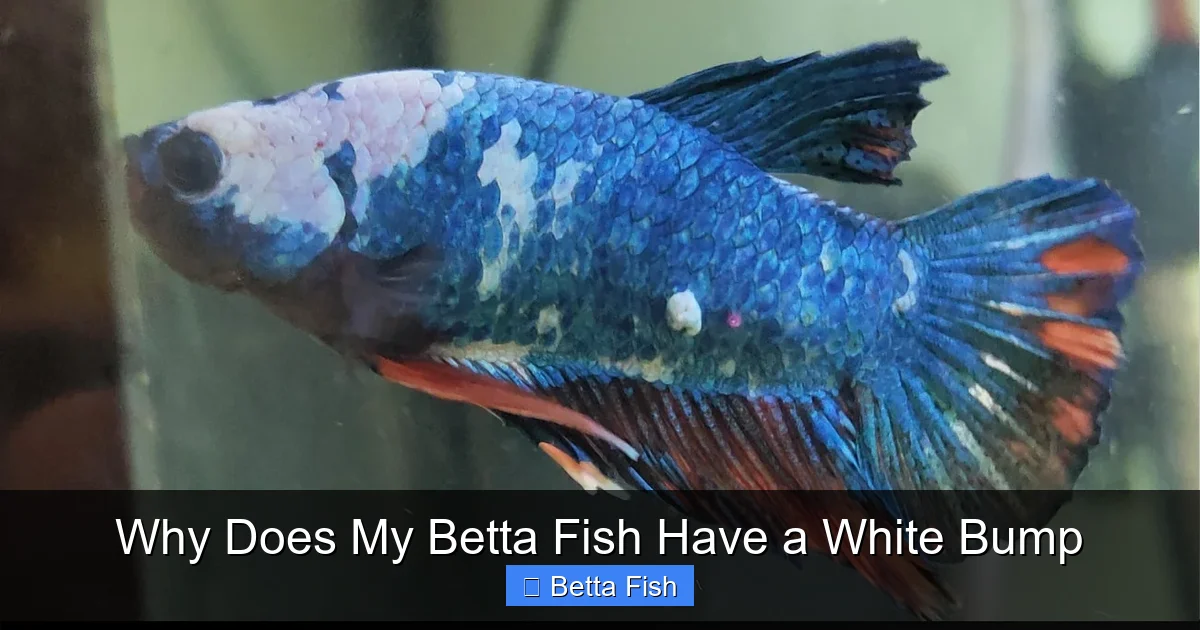
Visual guide about Why Does My Betta Fish Have a White Bump
Image source: fishkeepandchill.com
- Smooth and glossy – often a fungal growth.
- Velvety or powdery – classic sign of velvet disease (Oodinium).
- Swollen and red‑tinged – could indicate an internal parasite or bacterial infection.
Location Matters
Where the bump appears helps narrow the diagnosis:
- Along the body or fins – common for fungal or velvet.
- Near the vent or abdomen – may suggest an internal parasite.
- On the head or operculum – sometimes a sign of a bacterial ulcer.
2. The Usual Suspects: Common Causes of White Bumps
2.1 Velvet Disease (Oodiniasis)
Velvet is a parasitic protozoan that creates a fine, dusty coating on the skin. In early stages it looks like a white or gold‑ish bump before spreading over the whole body.
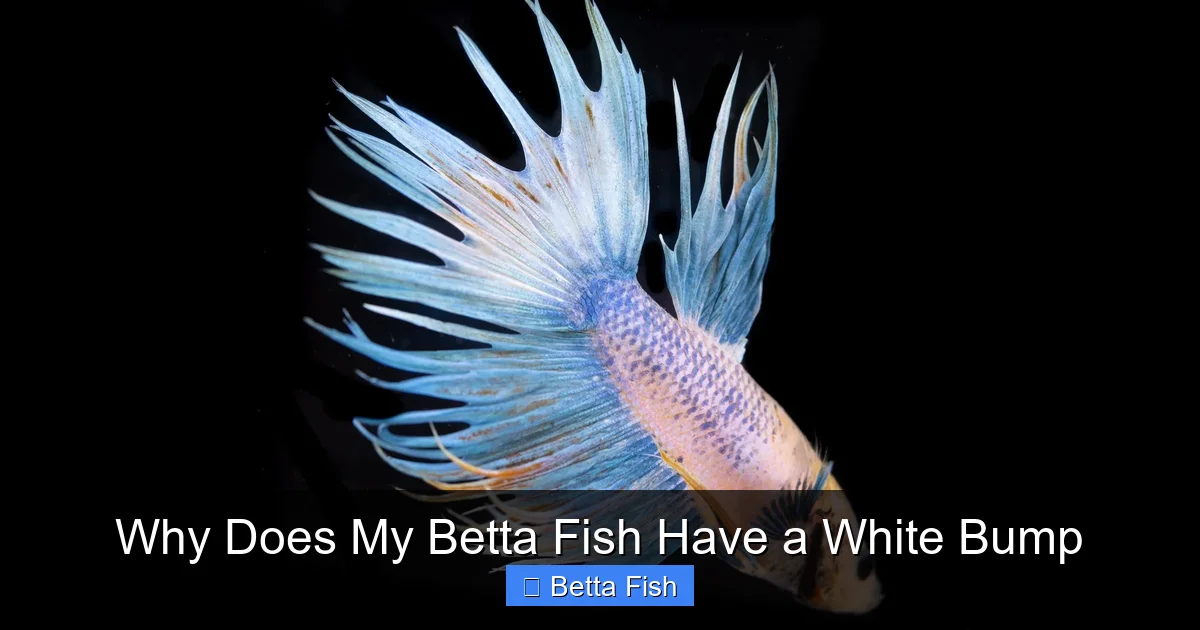
Visual guide about Why Does My Betta Fish Have a White Bump
Image source: splashyfishstore.com
Symptoms: rapid breathing, lethargy, loss of appetite, and a “dusty” film that rubs off on your finger.
**Treatment:** a 10‑day course of copper‑based medication (e.g., copper sulfate) or formalin, plus a clean, temperature‑controlled quarantine tank.
2.2 Fungal Infections
Fungi love a damp, warm environment—exactly what a betta tank provides when water quality slips.
Symptoms: white, cotton‑like growths that may look fluffy or crusty. The affected area may be slightly raised.
**Treatment:** remove the fish to a separate hospital tank, increase water flow, and add an antifungal like malachite green or a commercially‑available aquarium fungus cure.
2.3 Internal Parasites (Hexamita, Costia)
These microscopic hitchhikers live inside the gut but can cause external skin reactions, especially if the fish is stressed.
Symptoms: white bumps near the abdomen, weight loss, and frequent “popping” at the surface.
**Treatment:** metronidazole in food for 14‑21 days, plus a high‑quality, low‑stress environment.
2.4 Bacterial Infections
Secondary bacterial infections often follow a wound or a cracked scale.
Symptoms: white or yellowish spots that become ulcerated, sometimes with a foul smell.
**Treatment:** broad‑spectrum antibiotics (e.g., kanamycin) after a proper diagnosis, plus improved water conditions.
2.5 Other Rare Causes
Sometimes a white bump is simply a harmless cyst or a healed scale tear. If the bump is firm, non‑spreading, and the fish behaves normally, you may just be observing a scar.
3. Diagnosing the Problem at Home
Step‑by‑Step Observation
- Isolate the fish: move it to a quarantine tank to prevent spread.
- Check water parameters: test for ammonia, nitrite, nitrate, pH, and temperature. Ideal betta water: 78‑80°F, pH 6.5‑7.5, ammonia = 0 ppm.
- Examine the bump: use a magnifying glass. Note texture (velvet‑like vs. cotton‑like) and color.
- Look for other signs: rapid gill movement, loss of appetite, or clamped fins.
- Research: compare your observations with pictures from trusted sources.
When to Seek Professional Help
If the bump spreads within 24‑48 hours, your betta stops eating, or you see severe clouding of the eyes, contact a vet who specializes in fish or an experienced aquarist.
4. Treatment Plans: From DIY to Professional
4.1 Setting Up a Quarantine Tank
A 5‑gal tank with a sponge filter, heater, and no substrate is ideal. Keep the temperature identical to the main tank to avoid shock.
4.2 Medications and Dosages
- Copper sulfate: 0.5 ppm for velvet, 7‑day treatment, then a 2‑day break.
- Malachite green: 0.5 ppm for fungi, 5‑day course.
- Metronidazole: 250 mg / kg of food for internal parasites.
Always follow the product label and remove carbon filtration while medicating, as it can absorb medicines.
4.3 Supportive Care
Feed high‑quality, easily digestible foods like frozen daphnia or a betta‑specific gel. Add a few drops of aquarium salt (1 g / US gal) to reduce stress.
4.4 Monitoring Progress
Check the bump daily. If it shrinks and the fish regains appetite, continue the full medication course. If it worsens, consider a different treatment or consult a vet.
5. Preventing Future White Bumps
5.1 Water Quality is King
Perform 25‑30 % water changes weekly. Use a reliable test kit and keep ammonia and nitrite at zero. For more on water needs, see our guide on how much water a betta fish needs.
5.2 Quarantine New Arrivals
Any new fish, plants, or décor should spend at least two weeks in a separate tank. This stops hidden parasites from hitching a ride.
5.3 Proper Feeding and Nutrition
A balanced diet strengthens the immune system. Rotate live, frozen, and high‑quality pellet foods.
5.4 Tank Mates and Stress
Betta are territorial. Avoid aggressive tank mates that can cause injuries leading to infections. If you’re curious about compatible companions, check out can you have an algae eater with a betta fish.
5.5 Regular Observation
Spend a few minutes each day watching your betta. Early detection of white spots, clouded eyes, or abnormal behavior can save a lot of trouble.
Conclusion
A white bump on a betta fish is rarely a death sentence. By observing the bump’s appearance, testing water quality, and acting quickly with the right treatment, you can often restore your fish’s health within a week. Remember, prevention—through clean water, proper nutrition, and quarantine—keeps most skin issues at bay. Keep a close eye on your betta, and enjoy the bright colors and lively personality that make these fish such beloved pets.
Frequently Asked Questions
Why does my betta fish have a white bump on its side?
The bump is usually a sign of a skin infection such as velvet disease, a fungal growth, or an internal parasite. Checking water quality and isolating the fish helps pinpoint the cause.
Can I treat a white bump at home?
Yes, many bumps respond to copper‑based medication for velvet, antifungal treatments for fungus, or metronidazole for parasites. Always use a quarantine tank and follow dosage instructions.
How long does it take for a white bump to heal?
Most treated infections improve within 5‑7 days, but you should complete the full medication course (usually 10‑14 days) to prevent recurrence.
Is a white bump always a sign of disease?
Not always. Occasionally a bump is a harmless scar or cyst that doesn’t spread. If the fish is active, eats well, and the bump isn’t growing, you may just be observing a minor issue.
What should I do if the bump gets bigger?
Increase water changes, verify the medication dosage, and consider switching to a broader‑spectrum treatment or consulting a fish‑health specialist.
Can poor water quality cause white bumps?
Absolutely. High ammonia, nitrite, or low temperature stress the fish’s immune system, making it easier for parasites and fungi to take hold.