Do Betta Fish Like Loud Music What You Need To Know

Betta fish do not enjoy loud music. Sudden or intense sounds cause stress and disrupt their natural behavior. You should keep their tank in a quiet space to support their health. Understanding how your betta reacts to noise will help you build a peaceful home for them.
Many new fish owners ask do betta fish like loud music when they set up their first aquarium. It is a fair question. We love playing our favorite tunes, and we want our pets to feel included. But fish live in a very different world than we do. Sound travels through water in unique ways, and bettas notice everything around them.
You do not need to stop listening to music altogether. You just need to understand how your betta perceives sound. Loud beats, heavy bass, and sudden volume changes can bother them. On the other hand, soft and steady sounds usually cause no trouble. This guide will walk you through what happens when music plays near your tank. You will learn how to spot stress, how to adjust your setup, and how to keep your betta happy.
Key Takeaways
- Bettas are sensitive to sound: Loud music or sudden noises can stress them out and affect their behavior.
- Calm environments work best: Keeping the tank in a quiet room helps your betta feel safe and relaxed.
- Moderate sound is fine: Soft background music or gentle talking usually does not bother them.
- Watch for stress signs: Hiding, fading color, or erratic swimming often means the noise level is too high.
- Tank placement matters: Avoid putting the aquarium near speakers, TVs, or heavy foot traffic areas.
- Consistency helps: Bettas adapt better to steady, predictable sounds than to sudden loud bursts.
- Your pet’s comfort comes first: Lowering volume and reducing vibrations creates a healthier space for them.
📑 Table of Contents
Do Betta Fish Like Loud Music? Understanding Their Hearing
Bettas have a simple but effective way to pick up sound. They rely on their lateral line and inner ear structures to sense vibrations in the water. These tools help them notice movement, find food, and stay aware of their surroundings. They do not hear music the same way humans do. Instead, they feel the pressure and vibrations that music creates.
This means loud music can feel like constant pressure changes to your fish. Sharp drums, heavy bass, and sudden volume spikes create strong water vibrations. Your betta may not understand the melody, but it will notice the intensity. When the sound gets too strong, it can trigger a stress response.
How Sound Travels in Water
Water carries sound faster and farther than air does. This is why even music playing in the next room can reach your tank. Low-frequency sounds travel especially well through water. If your speakers sit close to the aquarium, the vibrations move straight into the water column. Your betta feels these vibrations through its body and lateral line.
You can think of it like a gentle shake versus a hard shake. Soft background noise creates a light ripple. Loud music creates a constant shake that can feel overwhelming. This is why placement and volume matter so much.
What Bettas Actually Perceive
Your betta does not crave entertainment from your playlist. It cares about safety and stability. In the wild, sudden loud sounds often signal danger. A heavy thump or a sharp crash can mean a predator is near. Your home betta keeps that same instinct. When the volume jumps, it may pause, hide, or dart around the tank.
Over time, constant loud noise can wear your fish down. Stress builds quietly. You might not notice it at first, but your betta’s behavior will change. That is why it helps to keep the sound level low and steady.
Why Loud Music Can Stress Your Betta Fish
Stress is the biggest concern when you play loud music around your aquarium. Fish do not show stress the same way dogs or cats do. They cannot bark, whine, or run to another room. Instead, they show subtle signs that easy to miss if you do not know what to look for.
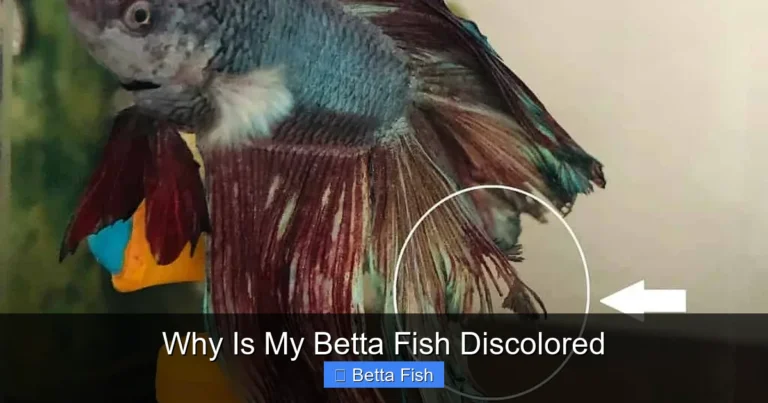
When sound gets too intense, your betta may feel trapped. It may clamp its fins, hide behind decor, or stay near the bottom. Some bettas lose their bright color when they feel uneasy. Others stop eating or swim in erratic patterns. These changes tell you the environment feels unsafe.
Physical Signs of Stress
You can spot stress by watching your betta closely. A stressed fish often changes its posture. It may press itself against the glass or tuck its fins tight. Its gills may move faster as it tries to cope with the disturbance. In some cases, you may see faded coloration or a dull appearance.
Appetite changes also matter. If your betta ignores food during or after loud music plays, the noise may be bothering it. Stress can also weaken its immune system over time. That makes it more likely to get sick if the problem continues.
Behavioral Changes to Watch For
Behavior tells you a lot about your betta’s comfort level. A calm betta explores its tank, rests on leaves, and reacts gently to your presence. A stressed betta acts differently. It may hide for long periods, flare unnecessarily, or swim in sudden bursts. Some bettas even try to jump when the noise feels too intense.
If you notice these changes, lower the volume and give your fish time to settle. Consistency helps a lot. Your betta will feel safer when the sound level stays predictable.
Safe Sound Levels and Tank Placement
You do not need a silent room to keep your betta healthy. You just need a reasonable balance. Most bettas do best when the tank sits in a calm area with normal household sounds. Soft conversation, gentle TV audio, and low-volume music usually work fine. The problem starts when the sound gets loud, sharp, or constant.
A good rule is to keep music at a level where you can still talk easily without raising your voice. If the bass shakes the table or the glass vibrates, it is too strong for the tank. Distance matters too. Moving the speakers farther away reduces the pressure on the water.
Best Places for Your Aquarium
Tank placement plays a huge role in your betta’s comfort. A quiet corner with steady temperatures works well. Avoid spots near large speakers, subwoofers, or entertainment centers that blast sound. You should also avoid high-traffic areas where people walk heavily or drop things often.
Here are a few placement tips that help:
- Choose a stable surface: A solid stand reduces vibration transfer.
- Keep distance from speakers: More space means softer sound in the water.
- Avoid direct sunlight: This keeps temperature steady and reduces algae.
- Pick a low-traffic corner: Fewer sudden movements create a calmer space.
Using Background Music Wisely
If you enjoy playing music while you relax near the tank, keep it soft and steady. Acoustic tracks, gentle instrumentals, and low-volume playlists work better than heavy beats. Sudden changes in tempo or volume can startle your betta. Smooth transitions feel much safer.
You can also test how your fish reacts. Play music at a low level and watch the tank for a few minutes. If your betta continues exploring and resting normally, the sound level is probably fine. If it hides or looks tense, turn it down.
How to Tell If Your Betta Is Comfortable With Sound
Every betta has its own personality. Some fish stay calm even when the room gets busy. Others prefer a very quiet space. The best way to know what your betta prefers is to observe it regularly. Comfort shows up in small daily habits.
A comfortable betta will swim smoothly and take breaks on plants or decor. It will approach food with interest and react calmly when you stand nearby. Its fins will stay relaxed, and its color will look healthy. These are good signs that the sound level suits it.
Positive Signs to Look For
You want to see steady, relaxed behavior. A happy betta often patrols its tank at a gentle pace. It may blow a few bubbles at the surface or rest on a leaf without looking tense. It also responds to you in a curious way instead of a fearful way.
Feeding behavior matters too. A comfortable betta eats with confidence and returns to normal activity afterward. If your fish keeps its routine even when music plays softly, it likely feels secure.
Warning Signs That Mean You Should Lower the Volume
Some behaviors tell you the environment needs adjustment. If your betta hides all day, clamps its fins, or stays near the bottom, the noise may be too much. Rapid gill movement and dull color also suggest discomfort. In worse cases, your betta may try to escape the surface or bump into objects.
When you see these signs, reduce the sound and give your fish quiet time. A few days of calm can help it recover its normal rhythm.
Simple Ways to Create a Calm Aquarium Environment
Building a peaceful setup does not take much work. Small changes can make a big difference for your betta. Start by lowering the volume of any speakers near the tank. If possible, move the aquarium away from entertainment areas. These two steps alone often improve your fish’s comfort.
Next, add hiding spots and gentle decor. Live plants, smooth leaves, and quiet caves give your betta places to rest. A tank with good cover feels safer, especially when the room gets busy. Your betta will relax more when it knows it has a quiet retreat.
Helpful Habits for Sound Management
Good habits keep your tank environment steady. You can build a simple routine that protects your betta from unnecessary stress. Try these practical steps:
- Keep volume moderate: Avoid loud bass and sudden spikes.
- Use soft playlists: Gentle music creates a calmer atmosphere.
- Limit vibrations: Separate the tank from shaking surfaces.
- Watch your betta daily: Early signs of stress are easier to fix.
- Maintain clean water: Good water quality supports overall health.
When to Give Your Betta Extra Quiet Time
Sometimes your betta needs a break from all noise. After a loud event, a party, or a long music session, give the tank some quiet hours. Turn the music off and let the fish settle. This is especially helpful if you notice hiding or reduced appetite.
Quiet time helps your betta reset. It lowers stress and gives its body a chance to recover. Think of it as a reset button for the tank’s atmosphere.
Expert Insights on Betta Behavior and Noise
Experienced keepers often say that bettas thrive on predictability. They handle normal home sounds well when those sounds stay consistent. What they struggle with is chaos. Random loud bursts, vibrating surfaces, and constant noise changes make them uneasy. A calm routine supports better behavior and better health.
It also helps to remember that bettas are individuals. One fish may ignore soft music completely. Another may prefer near silence. The best approach is to watch your own fish and adjust based on what you see. Your betta’s reactions give you the clearest answer to do betta fish like loud music.
Common Mistakes Keepers Make
Many people assume fish do not care about sound because they live underwater. That is not true. Water carries vibrations efficiently, and bettas notice them. Another common mistake is placing the tank too close to a speaker or TV. Even if the music sounds moderate to you, the tank may feel it more strongly.
Some keepers also overlook stress signs. They focus on feeding and cleaning but miss subtle behavior changes. Watching your betta closely helps you catch problems early. Small adjustments often prevent bigger issues later.
Key Takeaways for Daily Care
You can keep your betta comfortable with a few simple habits. Maintain a steady environment, keep music at a reasonable level, and pay attention to behavior. If your fish looks relaxed, eats well, and keeps a healthy color, you are on the right track. If it seems tense, lower the sound and simplify the setup.
A good aquarium setup supports both beauty and calm. Your betta will show its best colors and habits when it feels secure. That is the real goal: a peaceful space where your fish can thrive.
Conclusion
So, do betta fish like loud music? In most cases, they do not. Loud sounds create vibrations that can stress them and disrupt their normal behavior. Soft, steady background sound is usually much better. The safest choice is a quiet tank location, moderate volume, and close attention to how your betta reacts.
When you keep the environment calm, your betta stays healthier and more active. You do not have to give up music. You just need to play it thoughtfully. Watch your fish, adjust the volume when needed, and give it a stable space. That simple approach helps your betta feel safe, comfortable, and content.
Frequently Asked Questions
Do betta fish respond to music at all?
Yes, but they respond to vibrations more than melody. Soft and steady sound usually does not bother them, while loud or sudden music can cause stress.
What kind of music is safest for a betta tank?
Gentle instrumentals, soft acoustic tracks, and low-volume playlists work best. Avoid heavy bass, sharp beats, and frequent volume changes.
Can loud music make a betta fish sick?
It can contribute to stress, and long-term stress may weaken their immune system. Lowering the volume and reducing vibrations helps protect their health.
Should I turn off music completely around my aquarium?
Not necessarily. Normal household sound is usually fine. You only need to avoid loud, sharp, or constant noise that makes your betta hide or act uneasy.
How do I know if my betta is stressed by sound?
Watch for hiding, clamped fins, faded color, fast gill movement, or reduced appetite. These signs often mean the sound level is too high or too sudden.
Does speaker placement really matter for betta fish?
Yes, placement matters a lot. Speakers close to the tank send stronger vibrations into the water, so keeping some distance helps your betta stay calm.