How Long Can a Betta Fish Live Out of Water
Betta fish cannot breathe air like mammals, so being out of water is a serious emergency. In most cases they survive only a few minutes, but quick, proper rescue can dramatically improve their chances.
Key Takeaways
- Typical survival time: Most bettas last 2‑5 minutes without water, though a few may survive up to 10 minutes under ideal conditions.
- Breathing mechanism: Bettas rely on a labyrinth organ that must stay moist to extract oxygen.
- Immediate actions: Gently return the fish to water, keep it calm, and monitor for stress signs.
- Temperature matters: Cooler water slows metabolism and can buy a few extra seconds.
- Preventive steps: Secure lids, use tank covers, and handle fish with wet hands.
- When to seek help: If the fish shows prolonged gasping, discoloration, or does not recover within minutes, consult a vet.
- Related knowledge: Understanding how long a betta can live without food helps you gauge overall resilience.
📑 Table of Contents
Introduction
If you’ve ever accidentally tipped a betta fish out of its bowl, you’ve probably wondered, “how long can a betta fish live out of water?” The answer is not simple, but it’s crucial for any fish keeper. Bettas are beautiful, hardy creatures, yet they are not built for life on land. A brief slip can turn from a harmless oops into a life‑threatening emergency in seconds.
In this article we’ll break down the science behind a betta’s breathing, explore the typical time limits, and give you step‑by‑step rescue tips. By the end you’ll know exactly what to do if your finned friend finds itself out of water, and how to prevent the mishap from happening again.
Why Bettas Need Water to Breathe
The Labyrinth Organ
Bettas belong to the gourami family and possess a special respiratory structure called the labyrinth organ. This organ sits just above the gills and allows them to gulp air from the surface. However, the organ only works when it stays moist. When a betta is out of water, the organ dries quickly, and oxygen exchange stops.

Visual guide about How Long Can a Betta Fish Live Out of Water
Image source: animalslog.com
Moisture is the Key
Even a few seconds of exposure to dry air can cause the delicate membranes of the labyrinth organ to stick together. That’s why you’ll see a betta flopping or gasping if it’s left on a dry surface. Keeping the organ wet is the single most important factor in extending survival time.
Typical Survival Time Out of Water
Average Limits
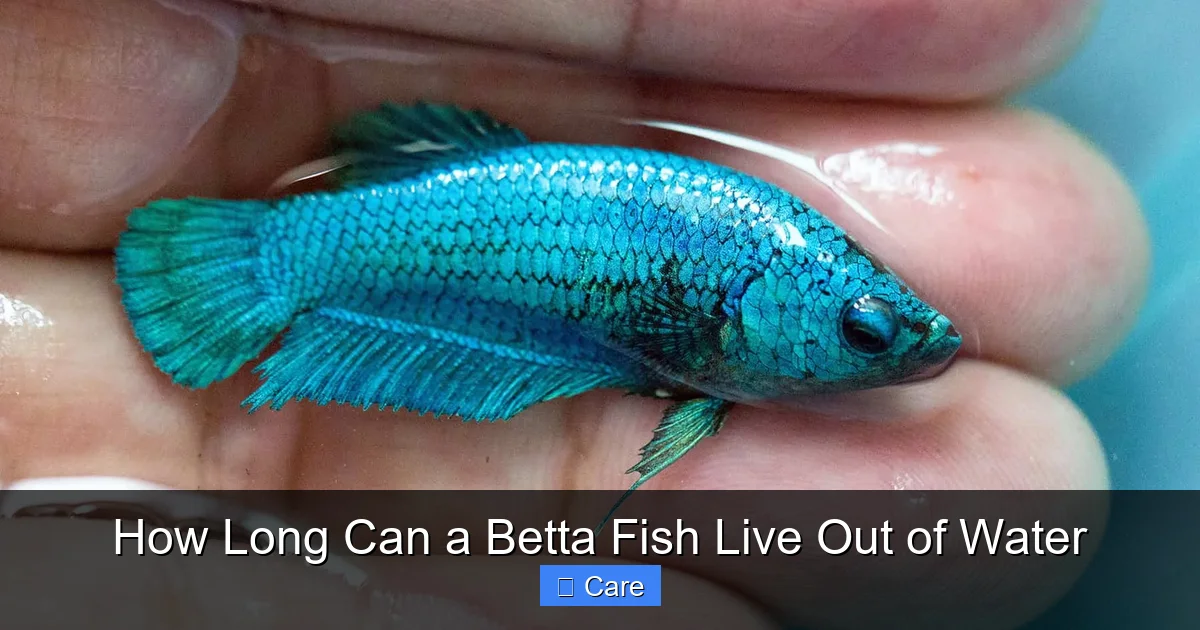
Most healthy adult bettas can survive 2 to 5 minutes out of water. In a cool, humid environment, some individuals may stretch that to 8‑10 minutes. Anything beyond that sharply increases the risk of organ damage and death.
Visual guide about How Long Can a Betta Fish Live Out of Water
Image source: bettasource.com
Factors That Influence Survival
- Size and age: Larger, mature bettas have slightly more oxygen reserves than tiny fry.
- Water temperature: Warm water raises metabolism, so a betta removed from a 80°F tank will use up oxygen faster than one from a 72°F tank.
- Humidity: A moist bathroom or kitchen can keep the labyrinth organ from drying as quickly.
- Stress level: A panicked fish burns energy faster, shortening its safe window.
Understanding these variables helps you gauge how urgent the rescue must be.
Immediate Rescue Steps
1. Stay Calm and Act Fast
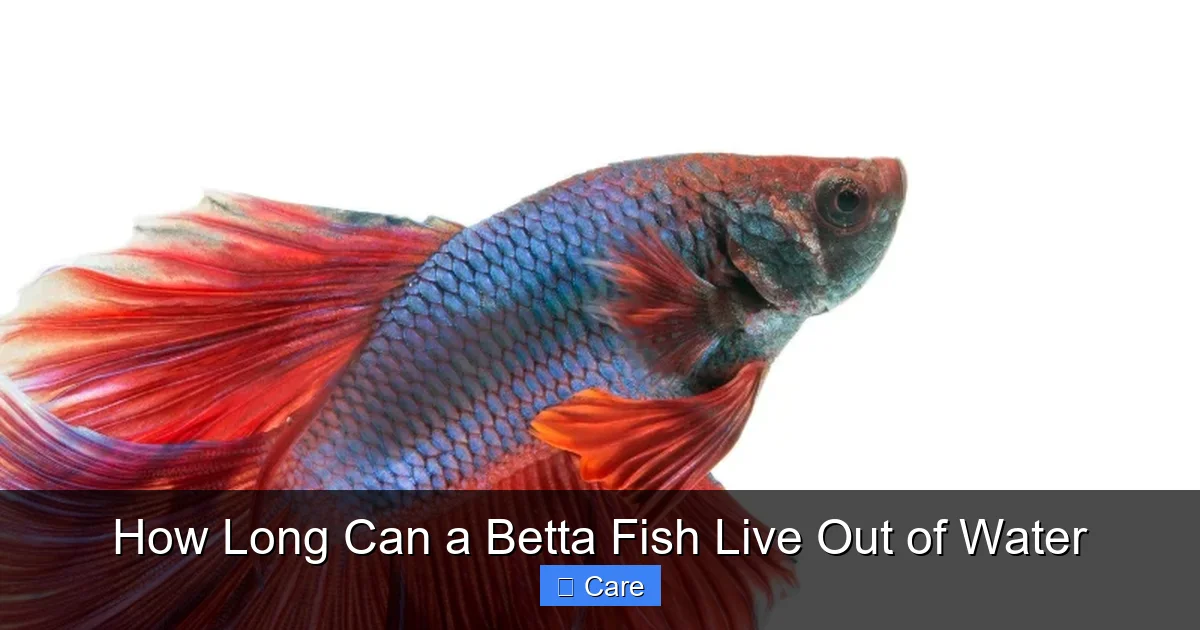
First, take a deep breath. Your calmness will translate into gentle handling of the fish. Panic often leads to rough movements that can injure the delicate fins.
Visual guide about How Long Can a Betta Fish Live Out of Water
Image source: infishtank.com
2. Return the Betta to Water Promptly
Place the fish back into the tank or a bowl of water that matches its usual temperature (within 2°F). If you’re unsure of the exact temperature, use room‑temperature water and adjust later.
3. Keep the Fish Horizontal
Lay the fish flat on the water’s surface, allowing its belly to touch the water first. This lets the labyrinth organ re‑wet quickly.
4. Reduce Stress
- Turn off bright lights.
- Cover the tank with a lid to prevent jumping.
- Minimize movement around the aquarium.
5. Observe for Recovery Signs
Within a minute, a healthy betta should resume normal gill movement and swim calmly. Look for steady fin movement, no excessive gasping, and a normal coloration.
What to Do If the Betta Doesn’t Recover Quickly
Check Water Quality
Poor water parameters can compound stress. Test for ammonia, nitrite, and pH. A quick water change may be necessary.
Provide a Gentle Flow
Turn on a low‑flow filter or use a small air stone to increase oxygen levels without creating strong currents that could further stress the fish.
Consider a Temporary Hospital Tank
If the betta remains lethargic, move it to a small, clean container with conditioned water. Keep the container covered and monitor closely for 24‑48 hours.
When to Seek Professional Help
If the fish shows signs of severe distress—persistent gasping, loss of color, or floating upside down—contact a vet who specializes in fish. Early intervention can sometimes save a fish that appears close to death.
Preventing Accidental Out‑of‑Water Situations
Secure the Tank Lid
Even a small gap can allow a curious betta to jump out. Use a tight‑fitting lid or a mesh cover that keeps the fish safely inside.
Handle with Wet Hands
When you need to move a betta, always wet your hands first. This prevents the slime coat from being stripped and keeps the fish’s skin moist during the transfer.
Use Proper Transport Containers
If you must move the fish for cleaning or vet visits, use a small, water‑filled container with a lid. Avoid leaving the fish exposed to air for longer than necessary.
Regular Tank Maintenance
Keeping the water clean reduces the urge for a betta to explore outside the tank. A well‑maintained environment also means fewer stressful situations overall.
Related Topics You Might Find Helpful
Understanding how long a betta can survive without water is just one piece of the puzzle. You may also want to read about how long a betta fish can live without food, learn how long a betta fish can go without water, or explore tips on how to get a betta fish out of the tank safely.
Conclusion
So, how long can a betta fish live out of water? In most cases, only a few minutes—sometimes as little as two. The key to saving a fish is rapid, gentle action: get it back into water, keep it calm, and watch for recovery. By understanding the anatomy of the labyrinth organ, the factors that affect survival, and the steps you can take both during and after an accident, you’ll be prepared to protect your betta from a potentially fatal slip.
Remember, prevention is always better than cure. Secure lids, handle with wet hands, and keep the tank environment stable. With these habits, accidental out‑of‑water episodes will become rare, and your betta will enjoy a long, healthy life.
Frequently Asked Questions
Can a betta fish survive for more than 10 minutes out of water?
It is extremely unlikely. Most bettas will experience severe organ damage after 10 minutes, and survival chances drop dramatically.
Does temperature affect how long a betta can live out of water?
Yes. Cooler temperatures slow metabolism, giving the fish a few extra seconds, while warm water increases oxygen demand and shortens survival time.
What should I do if my betta is gasping after being out of water?
Immediately place the fish back into water of the correct temperature, keep the environment calm, and monitor for steady breathing within a minute.
Is it safe to use a bowl for temporary rescue?
A small, clean bowl with conditioned water works well for short‑term rescue, as long as it matches the tank’s temperature and is covered to reduce stress.
Can a betta recover after being out of water for several minutes?
Recovery is possible if the fish is returned to water quickly, the water quality is good, and stress is minimized. However, the longer the exposure, the lower the odds.
How do I prevent my betta from jumping out of the tank?
Use a tight‑fitting lid or mesh cover, keep the water level appropriate, and avoid sudden temperature changes that may trigger jumping behavior.