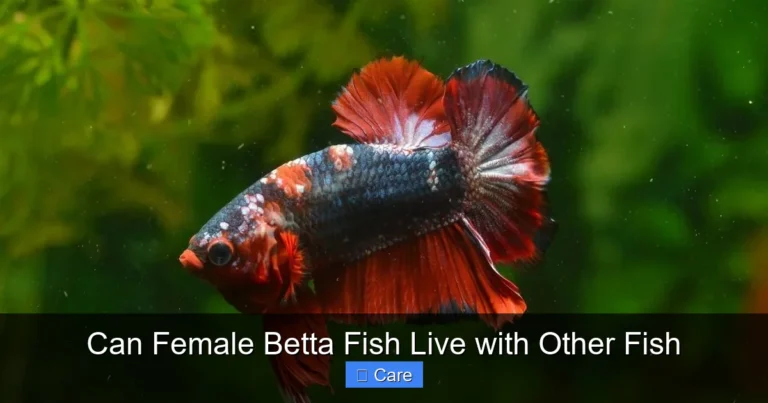
What Can You Put in with a Betta Fish
Wondering what can you put in with a betta fish? This guide breaks down compatible fish, invertebrates, plants, and décor so you can create a thriving community tank. Follow our easy tips to avoid aggression and keep your betta healthy.
Key Takeaways
- Size matters: A 10‑gal (or larger) tank gives your betta space to coexist peacefully.
- Choose peaceful tank mates: Small, non‑aggressive fish, snails, and shrimp are the safest options.
- Live plants are a win: They hide spots, improve water quality, and reduce stress.
- Watch the water parameters: Keep temperature, pH, and hardness suitable for all inhabitants.
- Introduce slowly: Acclimate new critters gradually to prevent territorial fights.
- Decor matters: Provide plenty of hiding places and vertical height for your betta.
- Monitor behavior daily: Early signs of stress let you act before problems grow.
📑 Table of Contents
- Introduction: Why the Question “What Can You Put In With a Betta Fish?” Matters
- 1. Understanding Betta Temperament and Space Requirements
- 2. Safe Fish Companions – What Other Fish Can You Put With a Betta?
- 3. Invertebrates: Snails and Shrimp as Tank Mates
- 4. Live Plants and Décor – Creating a Peaceful Landscape
- 5. Setting Up the Tank – Step‑by‑Step Guide
- 6. Ongoing Care and Monitoring
- Conclusion: Crafting a Happy Home for Your Betta and Friends
Introduction: Why the Question “What Can You Put In With a Betta Fish?” Matters
If you’ve ever stared at a single‑fish bowl and thought, “My betta looks lonely—what can you put in with a betta fish?” you’re not alone. Betta fish, also called Siamese fighting fish, are famous for their vivid colors and dramatic fins, but they also have a reputation for being territorial. That reputation makes many hobbyists wonder if a community tank is even possible.
The good news is that with the right setup, you can share a tank with a betta and enjoy a lively, balanced aquarium. The key is understanding the betta’s natural behavior, matching water conditions, and choosing tank mates that won’t trigger aggression. In this article we’ll answer the core question, explore safe companions, discuss plants and décor, and give you a step‑by‑step plan to build a harmonious community.
1. Understanding Betta Temperament and Space Requirements
1.1. The natural instincts of a betta
Betta fish are native to shallow rice paddies and slow‑moving streams in Southeast Asia. In the wild they defend small territories, fighting off rivals for food and mates. In captivity, this instinct translates into a strong reaction to other fish that look similar—especially bright, flowing fins.
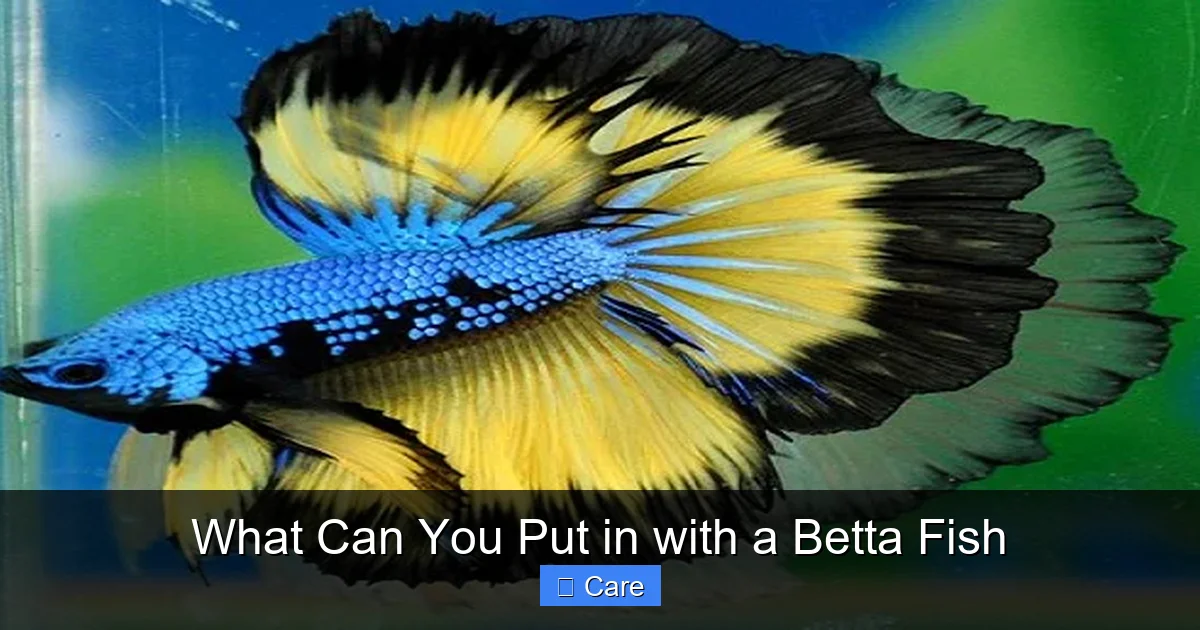
Visual guide about What Can You Put in with a Betta Fish
Image source: techxid.com
1.2. Minimum tank size for a community setup
While a single betta can survive in a 2‑gal bowl, a community tank needs at least 10 gallons (≈38 L). More space dilutes aggression and gives each animal room to claim its own niche. A larger tank also makes water parameters easier to maintain, which benefits both betta and any companions.
1.3. Water conditions that suit most tank mates
- Temperature: 76‑82 °F (24‑28 °C) – ideal for bettas and most tropical fish.
- pH: 6.5‑7.5 – a neutral range that many community fish tolerate.
- Hardness: 5‑20 dGH – soft to moderately hard water works well.
Sticking to these ranges means you won’t have to “choose” between a betta and a potential companion; both can thrive.
2. Safe Fish Companions – What Other Fish Can You Put With a Betta?
2.1. General rules for selecting fish
When you ask “what can you put in with a betta fish?” the answer starts with three simple rules:
Visual guide about What Can You Put in with a Betta Fish
Image source: aquariumpub.com
- Pick species that stay below the surface or occupy different levels of the tank.
- Choose fish that are smaller than the betta’s mouth (no more than 1‑inch).
- Avoid fin‑nipping or brightly colored, long‑finned species that might be mistaken for another male betta.
22. Top fish choices
- Neon Tetra (Paracheirodon innesi): Small, schooling, and fast‑swimming. Keep a group of six or more to reduce stress.
- Corydoras Catfish: Bottom‑dwelling “cleaner” that stays out of the betta’s line of sight.
- Harlequin Rasbora: Peaceful mid‑level swimmers that add a splash of orange.
- White Cloud Mountain Minnow: Hardy, prefers cooler water (70‑75 °F) but can adapt if temperature stays at the lower end of the betta’s range.
- Otocinclus Catfish: Tiny algae eaters that glide along glass and plants.
All of these options are covered in more detail on our page What Other Fish Can You Put With a Betta. They illustrate that a community tank is possible when you choose wisely.
2.3. Fish to avoid
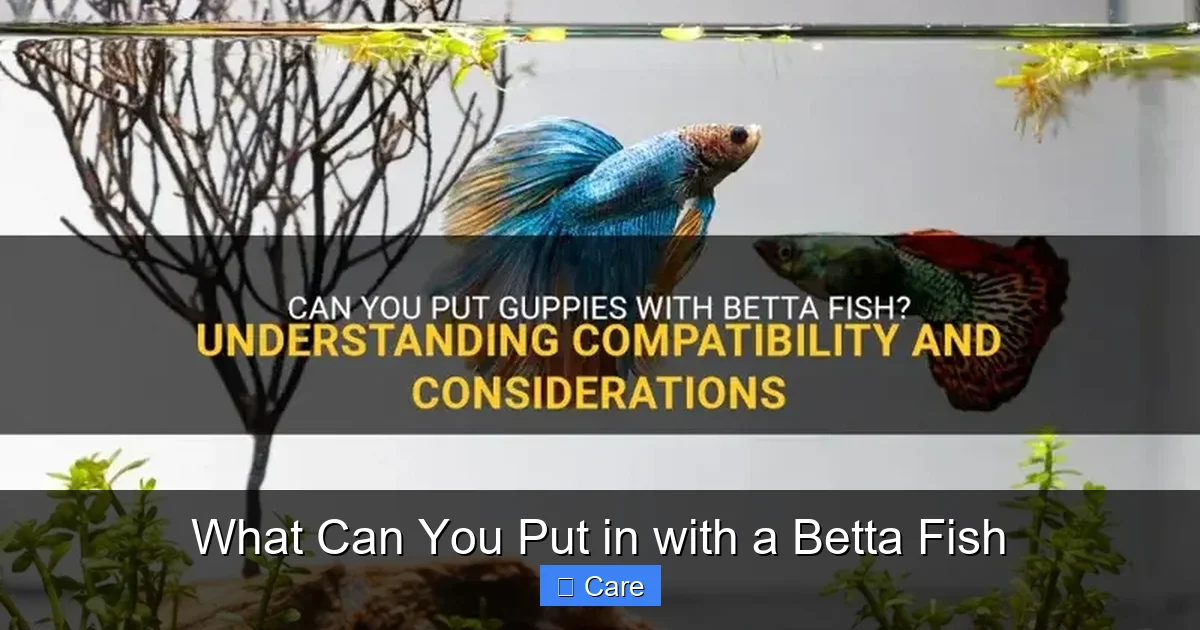
Never add guppies, mollies, or other fancy long‑finned species. Their bright tails trigger the betta’s fighting instinct. Likewise, avoid other bettas—male bettas will fight to the death, and even a female can become aggressive if space is limited.
3. Invertebrates: Snails and Shrimp as Tank Mates
3.1. Snails – the low‑maintenance cleaners
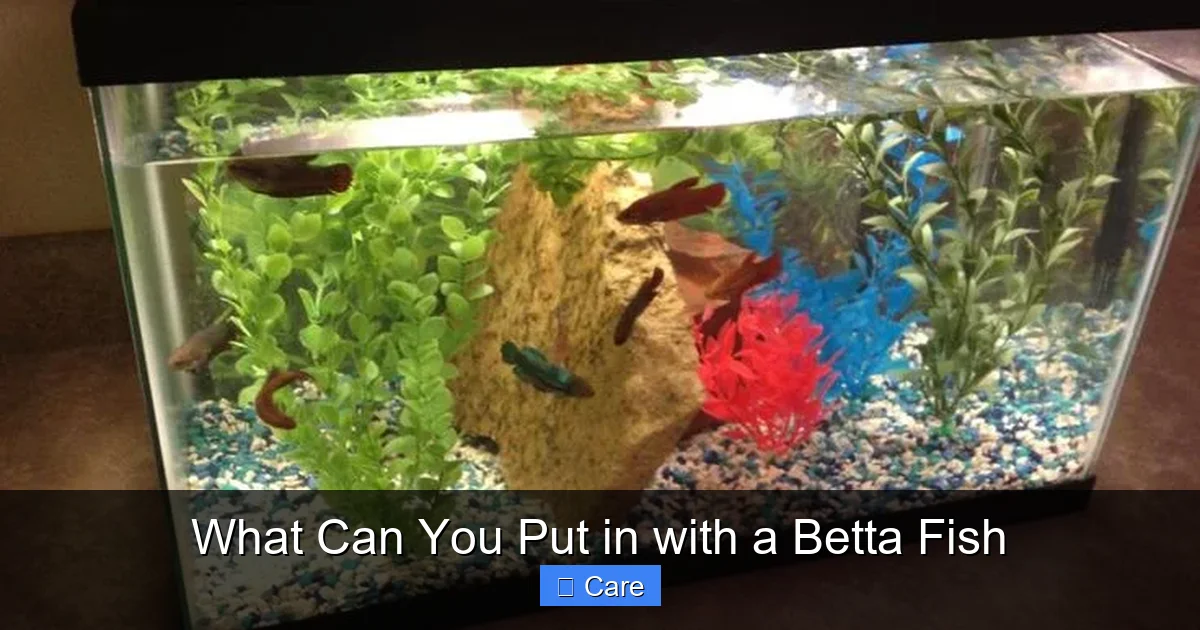
Snails are a popular addition because they help control algae and waste. Species such as Nerite, Mystery, and Apple snails are safe, provided the betta isn’t overly curious. For a deeper dive, see Can You Put Snails In With Betta Fish.
Visual guide about What Can You Put in with a Betta Fish
Image source: i.pinimg.com
3.2. Shrimp – colorful, but watch the temperament
Freshwater shrimp (e.g., Cherry or Ghost shrimp) can coexist with a betta if the fish has a calm demeanor. However, some bettas view shrimp as food. The safest approach is to start with a heavily planted tank that offers plenty of hiding spots.
3.3. Practical tips for invertebrate success
- Provide dense foliage or moss (Java moss works well).
- Introduce shrimp after the betta has settled and shown no predatory interest.
- Feed shrimp a varied diet to keep them healthy and less likely to be chased.
4. Live Plants and Décor – Creating a Peaceful Landscape
4.1. Why plants matter for a betta community
Live plants do more than look pretty. They create visual barriers, lower nitrate levels, and give your betta places to rest his fins. In a community tank, plants also provide refuge for shy fish and shrimp.
4.2. Best plant choices for beginners
- Java Fern (Microsorum pteropus): Low light, attaches to rocks or driftwood.
- Anubias nana: Tough, thrives in low‑to‑moderate light.
- Java Moss: Perfect for shrimp hideouts.
- Cryptocoryne wendtii: Adds height without overwhelming the tank.
4.3. Décor ideas that reduce aggression
Vertical structures like driftwood or tall plants give the betta a “territory ceiling,” while caves and PVC pipes let other fish retreat. Avoid open, barren tanks; a cluttered environment mimics the betta’s natural habitat and reduces stress.
For a full list of décor options, check out What Can You Put In A Betta Fish Tank. It outlines safe ornaments, substrate types, and lighting tips.
5. Setting Up the Tank – Step‑by‑Step Guide
5.1. Preparing the aquarium
- Clean the tank: Rinse with water only; never use soap (see Can You Clean A Betta Fish Tank With Soap).
- Add substrate: Fine sand or gravel (1‑2 inches deep) works well.
- Install filter and heater: Choose a gentle flow filter to avoid stressing the betta.
- Fill with conditioned water: Use a water conditioner to neutralize chlorine and chloramines.
5.2. Planting and arranging décor
Place taller plants at the back, medium‑height in the middle, and low‑lying foreground plants near the front. Add a few caves or driftwood pieces on each side to break lines of sight.
5.3. Cycling the tank
Run the filter for at least 4‑6 weeks to establish beneficial bacteria. Test ammonia, nitrite, and nitrate levels; only introduce fish when ammonia and nitrite read 0 ppm.
5.4. Introducing the betta
Acclimate the betta slowly using the “float‑in‑the‑bag” method for 30 minutes, then gradually add tank water to the bag over another 30 minutes. Release the betta by gently sliding it onto a leaf or cup, not directly from the bag.
5.5. Adding community members
Introduce fish and invertebrates one species at a time, spacing introductions by 48‑72 hours. Observe the betta’s reaction; if it flares or chases, be ready to remove the newcomer.
6. Ongoing Care and Monitoring
6.1. Daily checks
- Watch for fin nipping, chasing, or excessive flaring.
- Ensure all fish are eating.
- Look for algae buildup or dead spots.
6.2. Weekly maintenance
Perform 20‑30% water changes, vacuum the substrate, and trim overgrown plants. Test water parameters each week to keep conditions stable.
6.3. When to re‑evaluate tank mates
If aggression persists after two weeks, consider moving the betta to a separate tank or swapping the problematic fish. Sometimes a different individual of the same species behaves better.
Conclusion: Crafting a Happy Home for Your Betta and Friends
Answering the question “what can you put in with a betta fish?” isn’t about forcing a betta into a crowded tank; it’s about creating a balanced ecosystem where each creature has its niche. By choosing the right tank size, matching water parameters, selecting peaceful fish, snails, or shrimp, and adding plenty of live plants and hiding spots, you can enjoy a vibrant community tank that showcases your betta’s beauty without compromising its health.
Start small, observe closely, and adjust as needed. With patience and the right companions, your betta will thrive alongside its new tank mates, and you’ll have a stunning aquarium to be proud of.
Frequently Asked Questions
Can a betta live with other fish?
Yes, a betta can share a tank with small, non‑aggressive fish if the aquarium is at least 10 gallons and the tank mates occupy different levels of the water column.
What types of snails are safe with bettas?
Nerite, Mystery, and Apple snails are generally safe. They help clean algae and are not quick enough for a betta to chase aggressively.
Are shrimp suitable tank mates for bettas?
Cherry and Ghost shrimp can work, but only if the betta shows a calm temperament and the tank is heavily planted to give shrimp places to hide.
How many fish can I keep with a single betta?
In a 10‑gal tank you can keep a small school of neon tetras (6‑8) plus a bottom‑dwelling Corydoras. Adding more than this may increase stress.
Do I need a heater for a betta community tank?
Yes. Bettas need water between 76‑82 °F, and most tropical tank mates share that range. A reliable aquarium heater keeps the temperature stable.
What if my betta attacks the new fish?
Remove the aggressor or the new fish immediately. Try a larger tank, add more hiding spots, or choose a different, more peaceful species. Monitoring behavior daily helps catch issues early.