What Causes Bloat in Betta Fish
Bloat in betta fish is most often caused by overfeeding, poor diet, and bad water conditions. Constipation, swim bladder issues, and bacterial infections can also trigger dangerous swelling in your betta. Understanding the root cause helps you treat and prevent bloating effectively.
Bloat in betta fish is one of the most common health problems fish owners face. If you have ever noticed your betta looking swollen, uncomfortable, or struggling to swim, bloat might be the culprit. This condition can range from mild discomfort to a life-threatening emergency. The good news is that most causes of bloat are preventable with the right care and attention.
Many new betta owners panic when they see their fish looking round or distended. But understanding what causes bloat in betta fish helps you act fast and make smart changes. This guide covers every major cause, from feeding mistakes to hidden infections. You will also learn practical steps to keep your betta healthy and bloat-free.
## Understanding Bloat in Betta Fish
### What Does Bloat Look Like?
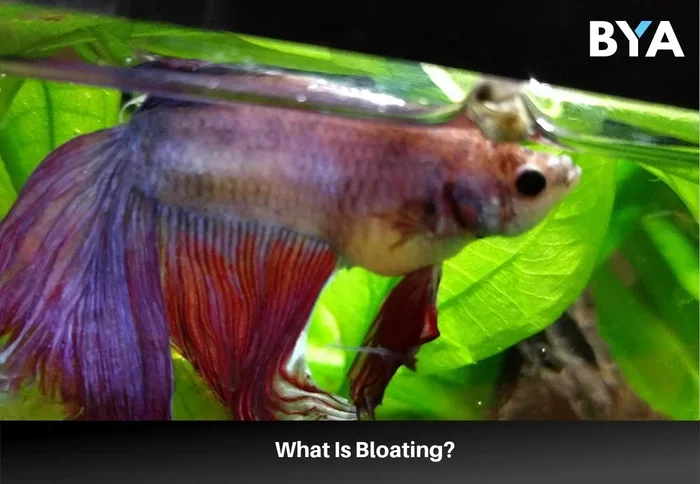
Bloat in betta fish shows up in a few noticeable ways. Your betta’s belly may appear swollen or stretched. The scales might stick out slightly, giving the body a pinecone-like look. Some bettas float at the top of the tank, while others sink to the bottom. Loss of appetite and lethargy often accompany the physical swelling.
It is important to act quickly when you spot these signs. Mild bloat can turn serious within hours if left untreated. The faster you identify the cause, the better your betta’s chances of recovery.
### Why Bloat Happens in Bettas
Betta fish have small digestive systems that are easily disrupted. Their bodies are not built to handle large meals or poor-quality food. When something throws off their digestion, gas builds up or waste gets trapped. This creates pressure in the abdomen, leading to the bloated appearance.
Several factors can trigger this chain reaction. Diet is the biggest one, but water quality and infections also play major roles. Let us break down each cause so you know exactly what to watch for.
## Overfeeding: The Number One Cause
### How Too Much Food Causes Bloat
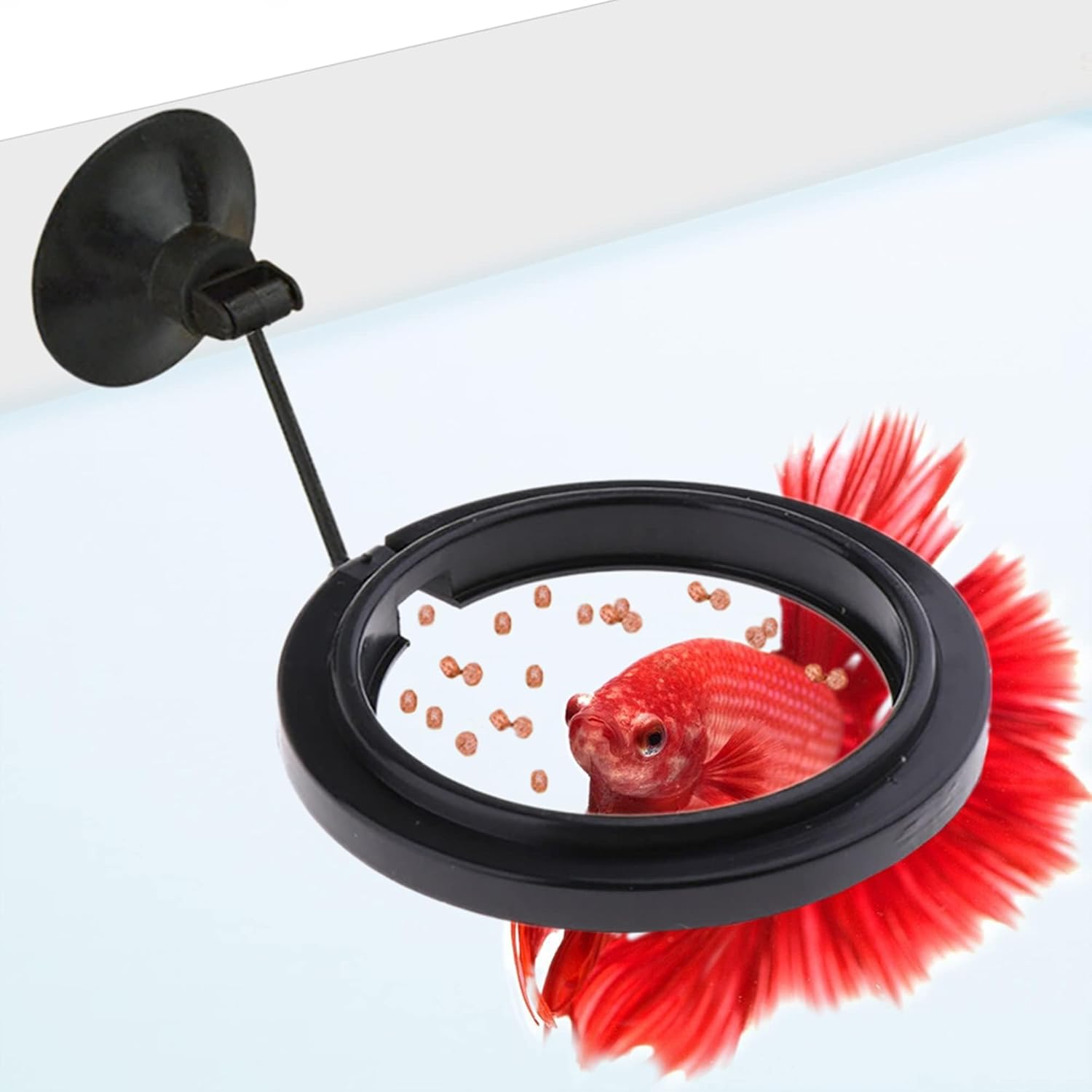
Overfeeding is the leading cause of bloat in betta fish. Bettas have tiny stomachs, roughly the size of their eye. Feeding them more than they can digest creates a backup in their system. Excess food rots in the gut, producing gas and causing painful swelling.
Many fish owners do not realize how little their betta actually needs. A common mistake is feeding large amounts twice a day. In reality, two to three small pellets per meal is plenty. Any uneaten food sinks to the bottom and fouls the water, making things worse.
### Signs Your Betta Is Being Overfed
Watch for these clues that overfeeding is happening:
- Your betta leaves food uneaten after a few minutes.
- The tank water turns cloudy or develops algae faster.
- Your betta’s belly looks full and tight after meals.
- You notice floating feces or long strings of waste.
- Your betta seems less active after eating.
If you see these signs, cut back on portions immediately. A few days of fasting can help your betta’s digestive system reset.
## Poor Diet and Nutrition
### The Problem With Dry Foods
Most betta owners feed pellets or flakes from the pet store. These foods are convenient, but they can cause serious problems. Dry foods absorb water inside your betta’s stomach and swell up. This expansion can block the digestive tract and lead to constipation and bloat.
This is very different from what betta fish eat in the wild. In their natural habitat, bettas hunt small insects, larvae, and crustaceans. Their diet is high in protein and moisture, which is easy to digest. Captive diets often lack this balance.
### Best Foods to Prevent Bloat
Switching to a better diet is one of the easiest ways to prevent bloat. Consider these options:
- Soaked pellets: Let dry pellets sit in tank water for a few minutes before feeding. This prevents stomach expansion.
- Frozen or live foods: Brine shrimp, bloodworms, and daphnia are excellent protein sources.
- Blanched peas: A small piece of pea helps push waste through the digestive tract.
- Betta-specific pellets: Choose high-quality brands with minimal filler ingredients.
Variety is key. Feeding the same food every day can lead to nutritional gaps and digestive issues. Rotate between different food types for the best results.
## Water Quality and Tank Conditions
### How Dirty Water Causes Bloat
Poor water quality is a hidden but powerful cause of bloat in betta fish. Ammonia and nitrite buildup irritate the digestive system and weaken the immune response. When your betta’s body is stressed, digestion slows down. This creates the perfect conditions for constipation and bloating.
Even if your tank looks clean, harmful chemicals can build up fast. Bettas are sensitive to changes in water parameters. A tank without proper filtration or regular water changes becomes a health hazard over time.
### Key Water Parameters to Monitor
Keep these parameters in check to protect your betta from bloat:
- Ammonia: 0 ppm (parts per million)
- Nitrite: 0 ppm
- Nitrate: Below 20 ppm
- pH: Between 6.5 and 7.5
- Temperature: 76 to 82 degrees Fahrenheit
Testing the water weekly takes just a few minutes but makes a huge difference. Use a liquid test kit for the most accurate readings.
### Can Tap Water Cause Bloat?
Tap water contains chlorine and chloramine, which are harmful to betta fish. Using untreated tap water can stress your fish and damage its digestive system over time. Always use a water conditioner before adding tap water to your tank. This simple step removes toxins and keeps your betta safe.
If you want to learn more about this, check out our guide on whether a betta fish can live in tap water.
## Swim Bladder Disorder and Bloat
### What Is the Swim Bladder?
The swim bladder is an organ that helps betta fish control their buoyancy. It works closely with the digestive system. When the swim bladder becomes impaired, it often causes bloating and swimming difficulties. Many owners confuse swim bladder disorder with simple bloat, but they are closely connected.
Swim bladder problems can stem from several causes. Overfeeding, constipation, and sudden temperature changes all play a role. Once the swim bladder is affected, your betta may float upside down, sink to the bottom, or struggle to stay upright.
### How to Tell the Difference Between Bloat and Swim Bladder Issues
It can be tricky to distinguish between the two. Here is a quick comparison:
- Bloat: Swollen belly, scales may protrude, loss of appetite, general discomfort.
- Swim Bladder: Difficulty maintaining position, floating at the top or sinking, swimming in circles.
- Both: Loss of appetite, lethargy, and abnormal swimming patterns.
In many cases, bloat and swim bladder disorder happen together. Treating the root cause often addresses both problems at once.
## Bacterial and Parasitic Infections
### When Infections Lead to Bloat
Not all bloat comes from diet or water issues. Sometimes, internal infections are the real cause. Bacterial infections can inflame the intestines and cause fluid buildup in the abdomen. Parasites can damage the digestive lining, leading to swelling and discomfort.
These infections often start when water quality drops or when a betta is stressed. A weakened immune system makes it easier for harmful organisms to take hold. Early signs include clamped fins, pale color, and refusal to eat.
### Common Infections That Cause Bloat
- Dropsy: A serious condition where fluid accumulates in the body cavity. Scales stick out like a pinecone.
- Intestinal parasites: Worms or protozoa that damage the digestive tract from the inside.
- Bacterial enteritis: Inflammation of the intestines caused by harmful bacteria in the water.
If you suspect an infection, it is important to act quickly. Isolate your betta in a quarantine tank and monitor symptoms closely.
## Prevention Tips for a Bloat-Free Betta
### Daily Feeding Habits
Prevention starts with how and what you feed your betta. Follow these simple rules:
- Feed small amounts twice a day, not one large meal.
- Soak dry foods before offering them to your betta.
- Include variety with frozen, live, and high-quality pellet foods.
- Skip one feeding day per week to let the digestive system clear out.
- Remove any uneaten food within five minutes of feeding.
Consistency is everything. A regular feeding schedule helps your betta’s body maintain a healthy digestive rhythm.
### Tank Setup and Maintenance
A well-maintained tank goes a long way in preventing bloat. Make sure your betta’s home meets these basic needs:
- A tank of at least 5 gallons with a gentle filter.
- Regular water changes of 25 to 30 percent each week.
- A heater to maintain stable temperature between 76 and 82 degrees Fahrenheit.
- Live or silk plants to reduce stress and provide hiding spots.
- No sharp decorations that could damage your betta’s fins.
If you are unsure about what to add to your tank, our article on what you can put in a betta fish tank covers this topic in detail.
### Quick Tips to Remember
Keep these quick tips in mind every day:
- Do not overfeed your betta. Less is more.
- Test water parameters weekly.
- Use a water conditioner for every water change.
- Watch for early signs of bloating like a slightly round belly.
- Quarantine new fish before adding them to your betta tank.
## What To Do When Your Betta Has Bloat
If your betta is already showing signs of bloat, do not wait. Start with a short fasting period of one to two days. This gives the digestive system time to process any remaining food. After fasting, offer a small portion of soaked food or a blanched pea.
Raise the water temperature slightly to around 80 degrees Fahrenheit. Warmer water speeds up digestion and helps relieve constipation. If the bloat does not improve within 48 hours, consider treating for swim bladder disorder or infection.
For more detailed treatment steps, read our guide on how to treat bloat in betta fish. Early intervention makes a real difference in recovery.
## Final Thoughts
Bloat in betta fish is a serious condition, but it is also highly preventable. The main causes are overfeeding, poor diet, bad water quality, swim bladder issues, and infections. By paying attention to what you feed your betta, keeping the tank clean, and watching for early warning signs, you can keep your fish healthy and happy.
Remember that every betta is different. Some are more prone to digestive issues than others. Observing your fish daily and adjusting care as needed is the best approach. A little prevention goes a long way toward ensuring your betta lives a long, vibrant life free from bloat.
Key Takeaways
- Overfeeding is the #1 cause: Feeding too much or too often leads to digestive blockages and bloat in betta fish.
- Poor diet plays a big role: Dry foods that expand in the stomach and lack of fiber can cause constipation and swelling.
- Water quality matters: Dirty tank water and toxins stress the digestive system and contribute to bloating.
- Swim bladder disorder is closely linked: Many bloat cases involve swim bladder dysfunction that affects buoyancy and digestion.
- Bacterial and parasitic infections can cause bloat: Internal infections lead to fluid retention and abdominal swelling.
- Prevention is easier than treatment: Proper feeding habits, clean water, and a balanced diet keep bloat away.
- Quick action saves lives: Early detection and treatment of bloating greatly improves your betta’s recovery chances.
Frequently Asked Questions
Can bloat in betta fish go away on its own?
Mild bloat caused by overfeeding or constipation can resolve on its own with a short fasting period and improved water conditions. However, bloat caused by infections or swim bladder disorder usually requires treatment. Always monitor your betta closely and act quickly if symptoms worsen.
How long can a betta fish survive with bloat?
A betta with bloat may survive anywhere from a few days to a couple of weeks, depending on the cause and severity. Infections and advanced cases have a much shorter timeline. Early treatment significantly improves the chances of a full recovery.
Is bloat in betta fish contagious to other fish?
Most causes of bloat are not contagious. However, if the bloat is caused by a bacterial or parasitic infection, other fish in the same tank could be at risk. Quarantine any sick fish and test your water parameters to protect your other tank mates.
Can I use Epsom salt to treat bloat in my betta fish?
Yes, Epsom salt can help relieve constipation and reduce swelling in mild bloat cases. Use one tablespoon per 5 gallons of water and soak your betta for 15 to 30 minutes. Always research proper dosing before treating your fish, as incorrect amounts can cause more harm.
What is the difference between bloat and dropsy in betta fish?
Bloat causes the belly to swell, while dropsy is a more severe condition where fluid builds up inside the body cavity and scales protrude outward. Dropsy is often a symptom of a serious underlying infection. Bloat caught early can usually be treated, but dropsy is much harder to reverse.
How often should I feed my betta fish to prevent bloat?
Feed your betta two small meals per day, offering only what it can eat within two to three minutes. Skipping one feeding day per week helps keep the digestive system clear. Consistent portion control is one of the best ways to prevent bloat in betta fish.