What Causes a Better Fish to Get Blackened Scales
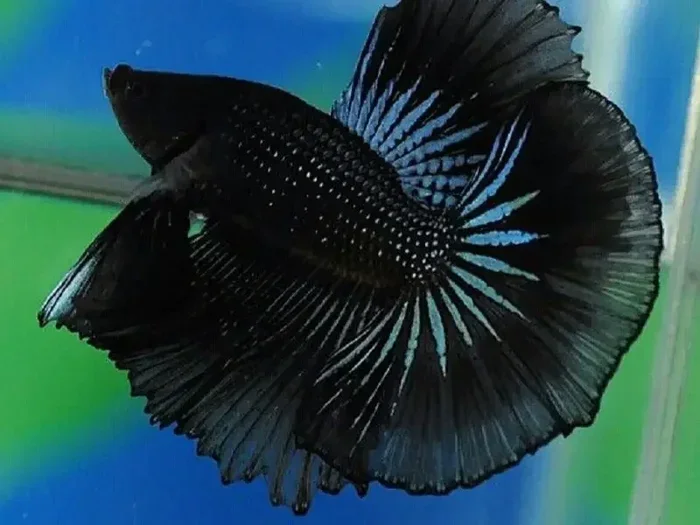
A better fish can develop blackened scales due to several factors, including poor water quality, improper diet, excessive stress, and harsh lighting conditions. Understanding these causes helps you act fast and protect your fish’s health. This guide covers every major reason behind scale darkening and gives you simple, actionable steps to fix the problem.
Key Takeaways
- Poor water quality is the #1 cause of blackened scales in a better fish, especially high ammonia and nitrite levels.
- Diet plays a major role in scale health, and feeding the wrong food can lead to discoloration.
- Stress from environmental factors like bright lights or aggressive tank mates can darken a better fish’s scales.
- Bacterial and fungal infections can directly cause scale blackening and require prompt treatment.
- Regular tank maintenance prevents most causes of scale discoloration in a better fish.
- Early detection and treatment can reverse blackened scales before permanent damage occurs.
📑 Table of Contents
- What Causes a Better Fish to Get Blackened Scales
- Poor Water Quality: The Leading Cause
- Diet and Nutrition: What You Feed Matters
- Stress and Environmental Factors
- Infections and Diseases That Cause Blackened Scales
- Tank Maintenance and Prevention
- Can Blackened Scales Be Reversed?
- Common Mistakes That Lead to Blackened Scales
- Conclusion
What Causes a Better Fish to Get Blackened Scales
Seeing your better fish develop dark or blackened scales can be alarming. You might panic and wonder if your fish is dying. But the truth is, blackened scales are a common issue, and in most cases, you can fix it. The key is understanding what triggers this change in the first place.
A better fish relies on its scales to stay healthy, vibrant, and protected. When those scales start turning black, it is usually a sign that something in the environment or care routine needs attention. Whether it is the water you use, the food you provide, or the stress your fish experiences, each factor plays a role.
This article breaks down every major cause of blackened scales in a better fish. You will learn how to spot the early warning signs, what to do about each cause, and how to prevent the problem from coming back. Let us dive in.
Poor Water Quality: The Leading Cause
The single biggest reason a better fish gets blackened scales is bad water. Fish live in their water. Everything they touch, breathe, and absorb passes through that water. When the water is dirty, the fish suffers, and the scales show it first.
How Ammonia and Nitrite Damage Scales
Ammonia and nitrite are toxic chemicals that build up in fish tanks. Even small amounts can harm a better fish. These chemicals burn the gills and damage the skin and scales. Over time, the affected areas turn dark or black.
Here is what happens step by step:
- Fish waste and uneaten food break down in the tank.
- Beneficial bacteria convert waste into ammonia.
- Ammonia spikes and damages the fish’s outer layers.
- The scales begin to darken as the tissue heals or deteriorates.
If you notice your better fish developing black patches near the fins or tail, check your water parameters immediately. Testing kits are inexpensive and widely available at pet stores.
The Right Water for Your Betta Fish
Using the wrong water can also trigger scale discoloration. Tap water often contains chlorine and chloramine, which are harmful to fish. These chemicals strip the natural protective layer off a better fish’s scales, leaving them vulnerable to infection and darkening.
Always use a water conditioner before adding water to your tank. If you want to learn more about selecting the best water for your pet, check out our guide on the right water for your betta fish. It covers everything from pH levels to temperature preferences.
Diet and Nutrition: What You Feed Matters
The food you give your better fish directly affects its scale color and overall health. A poor diet leads to weak scales, faded colors, and increased risk of disease. On the other hand, a balanced diet keeps scales bright and strong.
Nutritional Deficiencies and Scale Health
Betta fish need specific nutrients to maintain healthy scales. These include protein, omega-3 fatty acids, and certain vitamins. When a better fish lacks these nutrients, the scales can lose their luster and begin to darken or blacken.
Common dietary mistakes include:
- Feeding only flakes, which lack essential nutrients.
- Overfeeding, which leads to poor water quality.
- Offering human food that contains harmful additives.
- Skipping variety in the diet entirely.
Proper Betta Fish Diet
A high-quality pellet or freeze-dried food should form the base of your better fish’s diet. You can supplement this with live or frozen brine shrimp and bloodworms. These foods provide the protein and nutrients that keep scales healthy and vibrant.
Feeding your fish the proper betta fish diet ensures it gets all the building blocks it needs for strong, colorful scales. Aim for two small feedings per day and remove any uneaten food after five minutes.
Stress and Environmental Factors
Stress is a silent killer for better fish. When a fish is stressed, its body releases cortisol and other hormones. These chemicals can cause physical changes, including scale darkening. A stressed better fish is more prone to infections, which can also lead to blackened scales.
Can a Betta Fish Get Scared?
Absolutely. A better fish can get scared by sudden movements, loud noises, or aggressive tank mates. When a fish feels threatened, its body goes into fight-or-flight mode. Over time, chronic stress weakens the immune system and affects the scales.
Signs of a scared or stressed better fish include:
- Hiding at the bottom of the tank.
- Clamped fins close to the body.
- Rapid breathing or gasping at the surface.
- Loss of color or scale darkening.
If you want to understand more about how stress affects your fish, read our article on stress in betta fish. It explains the triggers and how to create a calm environment.
Lighting and Its Impact on Scale Color
Too much light can also stress a better fish and contribute to scale problems. Fish tanks need a natural day-night cycle. Leaving the lights on 24 hours a day disrupts your fish’s sleep and raises stress levels.
Learn more about light conditions for a betta fish to ensure your setup is not causing harm. A good rule of thumb is 8 to 10 hours of light per day, with a timer to keep things consistent.
Infections and Diseases That Cause Blackened Scales
Sometimes, blackened scales are a symptom of an underlying infection or disease. Bacterial and fungal pathogens can attack the scales directly, causing them to darken, soften, or fall off.
Bacterial Infections and Scale Damage
Bacterial infections are one of the most common causes of scale blackening in a better fish. These infections often start when the fish’s immune system is weakened by poor water quality or stress. Once the bacteria take hold, they can spread quickly across the body.
Look for these signs of a bacterial infection:
- Black or dark patches on the scales.
- Redness or inflammation around the affected area.
- Scales that appear raised or protruding.
- Loss of appetite and lethargy.
If you spot these symptoms, isolate your fish in a quarantine tank and treat the water with a suitable antibacterial medication. Early treatment can save your better fish from permanent scale damage.
Fungal Infections
Fungal infections are less common but still a threat. They often appear as white or gray patches that eventually turn dark. Fungus thrives in dirty water and on injured scales. Keeping the tank clean is the best prevention.
Tank Maintenance and Prevention
The best way to deal with blackened scales is to prevent them from happening in the first place. A well-maintained tank keeps your better fish healthy and its scales looking great.
Regular Water Changes
Change 25 to 30 percent of your tank water every week. This removes built-up toxins and keeps the environment stable. Always treat new water with a conditioner before adding it to the tank.
Proper Filtration
A good filter removes waste and keeps the water clean. However, betta fish prefer gentle currents. If your filter is too strong, it can stress your fish and contribute to scale problems. Consider adding a sponge pre-filter to reduce flow.
Tank Setup Best Practices
Here are simple tips to keep your better fish healthy and its scales vibrant:
- Keep the tank at least 5 gallons in size.
- Maintain a temperature between 78 and 80 degrees Fahrenheit.
- Use a gentle filter to avoid strong currents.
- Add live or silk plants for hiding spots.
- Clean the substrate during weekly water changes.
- Test water parameters at least once a week.
- Avoid overcrowding the tank.
Can Blackened Scales Be Reversed?
The good news is that in many cases, blackened scales on a better fish can improve or even fully recover. Once you address the root cause, the fish’s body begins to heal. New scales grow in healthy and vibrant.
The recovery timeline depends on the cause and severity. Minor discoloration from temporary stress may fade within a few weeks. Scales damaged by infection or prolonged poor water conditions can take several months to fully regenerate. Patience and consistent care are key.
Focus on these three steps to support scale recovery:
- Improve water quality through regular changes and testing.
- Provide a balanced, nutrient-rich diet.
- Reduce stress by creating a calm, stable environment.
Your better fish has a remarkable ability to heal and regenerate. Give it the right conditions, and you will likely see improvement over time.
Common Mistakes That Lead to Blackened Scales
Many fish owners unknowingly make mistakes that harm their better fish. Here are the most common ones to avoid:
- Skipping water tests: You cannot see ammonia or nitrite with the naked eye. Always test your water.
- Overfeeding: Excess food rots in the tank and spikes ammonia levels.
- Using soap to clean the tank: Soap residue is toxic to fish and can damage scales. Never use soap.
- Ignoring early warning signs: Subtle color changes are your first clue that something is wrong.
- Keeping the tank in direct sunlight: This raises the temperature uncontrollably and promotes algae growth.
Avoiding these mistakes goes a long way in keeping your better fish healthy and its scales looking their best.
Conclusion
A better fish getting blackened scales is a warning sign, not a death sentence. In most cases, the cause is something you can fix. Whether it is poor water quality, a bad diet, too much stress, or an infection, each cause has a clear solution.
Start by testing your water and reviewing your care routine. Make adjustments where needed, and give your fish time to recover. With consistent effort and the right knowledge, you can restore your better fish’s scale health and keep it thriving for years to come.
Remember, a healthy tank equals a healthy fish. Stay proactive, stay observant, and your better fish will reward you with vibrant, beautiful scales.
Frequently Asked Questions
What does it mean when a better fish’s scales turn black?
Blackened scales in a better fish usually signal an underlying issue such as poor water quality, stress, infection, or nutritional deficiencies. The darkening is often the fish’s body reacting to environmental harm or trying to heal damaged tissue. Identifying the root cause is the first step toward fixing the problem.
Can poor water quality alone cause blackened scales?
Yes, poor water quality is the leading cause of blackened scales in a better fish. High levels of ammonia, nitrite, and nitrate directly damage the scales and skin. Regular water changes and proper filtration are essential to prevent this type of scale discoloration.
How long does it take for a better fish’s scales to recover from blackening?
Recovery time depends on the severity of the cause. Minor discoloration from temporary stress may fade in two to four weeks. Scales damaged by infection or prolonged poor conditions can take two to three months to fully regenerate. Consistent care and a stable environment speed up the healing process.
Is it safe to treat a better fish with blackened scales at home?
Yes, many cases of blackened scales can be treated at home. Start by improving water quality through a partial water change and testing parameters. If you suspect infection, use a fish-safe antibacterial treatment. However, if the condition worsens, consult a veterinarian experienced with fish.
Can stress cause a better fish to develop black spots on its scales?
Absolutely. Chronic stress weakens the immune system and can cause physical changes, including dark spots or blackened scales. Stressors like bright lights, loud noises, aggressive tank mates, or an unstable environment all contribute. Creating a calm, consistent habitat helps prevent stress-related scale problems.
How can I prevent blackened scales in my better fish?
Prevention comes down to three core practices: maintaining clean water through regular changes, feeding a balanced and varied diet, and reducing environmental stress. Test your water weekly, avoid overfeeding, and keep the tank in a quiet area away from direct sunlight. A well-maintained tank keeps your better fish healthy and its scales vibrant.