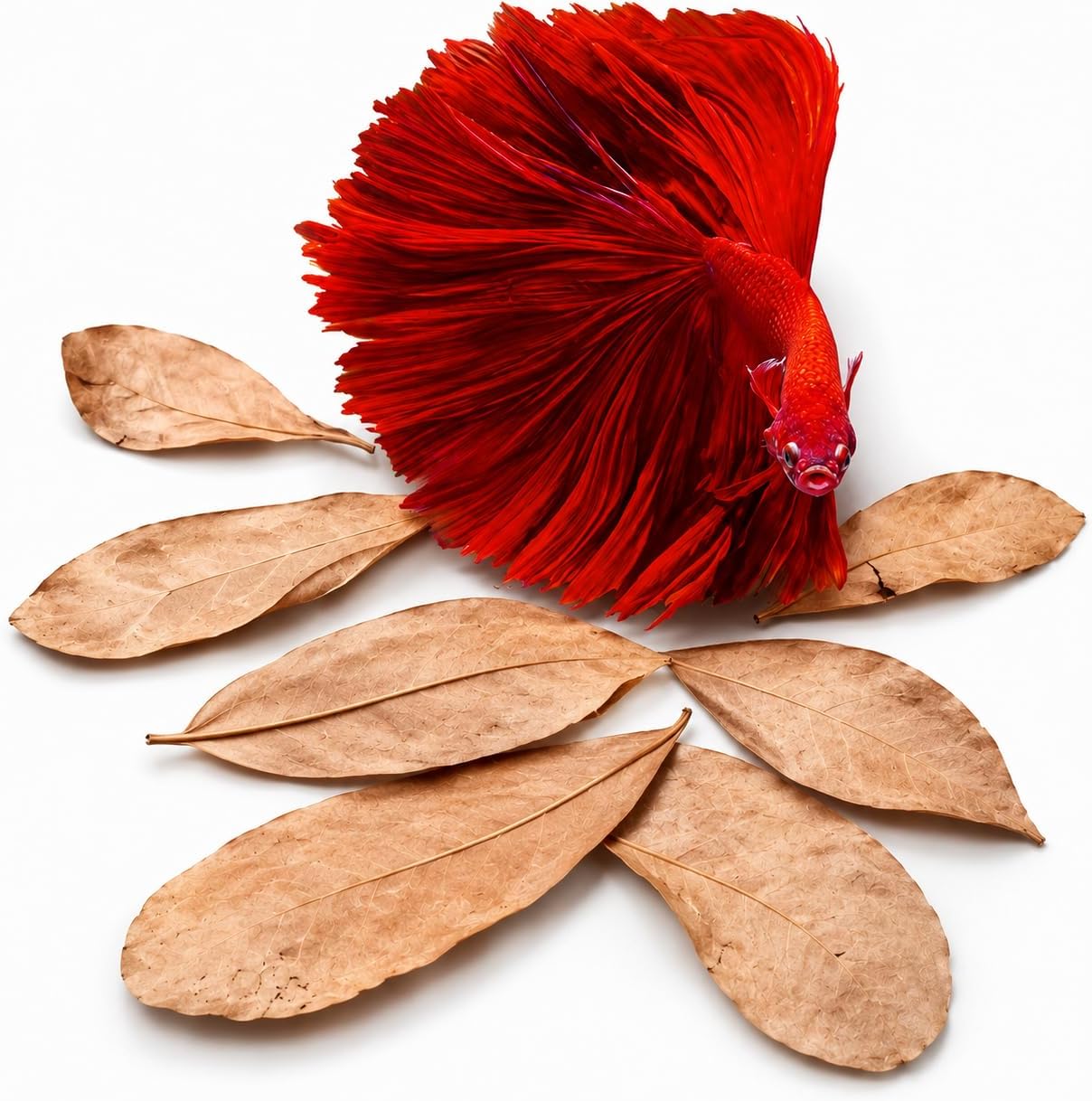
What Can I Get with My Betta Fish
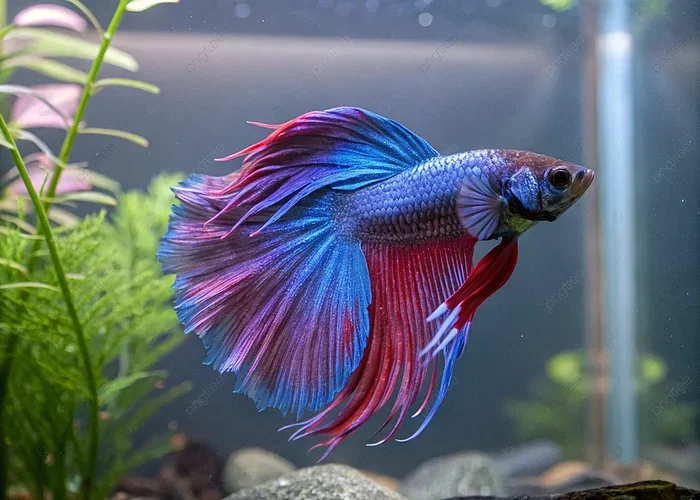
So you’re wondering what can I get with my betta fish? There’s a whole world of tank mates, decorations, plants, and equipment that can make your betta’s home amazing. From peaceful companions like snails to the perfect betta fish tank setup, we cover every option so you can create a thriving underwater environment your betta will love.
Key Takeaways
- Betta fish tank mates: Choose carefully — bettas can live with certain peaceful species like snails, shrimp, and select community fish, but avoid aggressive or colorful companions.
- Decorations matter: Caves, driftwood, moss, and plants give your betta hiding spots and reduce stress, which directly improves their health and color.
- Equipment essentials: A proper filter, heater, and appropriate lighting are critical for maintaining a stable and healthy betta habitat.
- Food variety: Beyond standard pellets, you can offer frozen and live foods to keep your betta engaged and well-nourished.
- Know what to avoid: Not everything is safe for bettas. Avoid housing them with fin-nippers, overly territorial fish, or toxic plants.
- Tank size counts: A minimum of 5 gallons gives your betta room to explore and allows for more enrichment options.
📑 Table of Contents
- What Can I Get with My Betta Fish? A Complete Guide
- Betta Fish Tank Mates: Who Can Live With Your Betta?
- Decorations and Accessories: Making Your Betta’s Tank Look Great
- Plants and Greenery: Bringing Life to Your Betta Tank
- Equipment and Essentials for Your Betta Fish
- Food and Treats: What to Feed Your Betta
- Things to Avoid Getting for Your Betta Fish
- Setting Up the Perfect Betta Tank: Putting It All Together
- Conclusion
What Can I Get with My Betta Fish? A Complete Guide
If you’re a betta fish owner, you’ve probably spent hours staring at your little finned friend and thinking, “What can I get with my betta fish” to make their life more interesting? Whether you’re a first-time betta keeper or have had these gorgeous fish for years, there’s always something new to explore.
Betta fish are way more than just a pretty face swimming in a small bowl. They’re curious, intelligent, and personality-packed creatures that thrive in enriched environments. The right betta fish tank setup can transform a boring fish tank into a vibrant underwater world. And the better the environment, the healthier and happier your betta will be.
In this guide, we’ll walk you through everything you can get with your betta fish — from compatible tank mates and cozy decorations to essential equipment and tasty treats. Let’s dive right in.
Betta Fish Tank Mates: Who Can Live With Your Betta?
One of the most popular questions betta owners ask is, “What can I get with my betta fish” when it comes to companions? The answer depends on your betta’s personality. Male bettas, for example, are famously territorial. But that doesn’t mean they can’t have friends.
Peaceful Tank Mates for Bettas
Not all fish have to fight for territory. Several species coexist beautifully with bettas when set up correctly. Here are some top choices:
- Snails — Mystery snails and nerite snails are fantastic companions. They keep the tank clean and won’t bother your betta at all. For more details, check out our guide on Can I Put A Snail With My Betta Fish.
- Cherry Shrimp — These tiny colorful critters add life to your tank. They stay small and usually keep a low profile. Learn more at Can I Put My Betta Fish With Cherry Shrimp.
- Corydoras Catfish — These bottom-dwellers are peaceful and help clean up leftover food.
- Kuhli Loaches — Shy, nocturnal, and great at staying out of your betta’s way.
Tank Mates to Avoid
Just as important as knowing who to add is knowing who not to add. Avoid these companions:
- Fin-nippers — Fish like tiger barbs or serpae tetras will nip at your betta’s beautiful fins.
- Other bettas — Two male bettas in the same tank is a recipe for disaster.
- Goldfish — They produce too much waste and prefer cooler water than bettas. Our article on Can My Betta Fish Live With Goldfish covers this in detail.
- Overly aggressive species — Cichlids and large predatory fish will see your betta as a snack.
Not sure about a specific fish? Our detailed guide on What Fish Can I Put With My Betta covers dozens of compatibility scenarios.
Decorations and Accessories: Making Your Betta’s Tank Look Great
A plain glass tank with nothing in it isn’t just boring — it’s actually stressful for your betta. Decorations provide hiding spots, reduce territorial stress, and create a visually stunning setup. So what can you add?
Caves and Shelters
Betta fish love having a cozy cave to call their own. You can use:
- Small ceramic caves or tunnels
- Driftwood with natural hollows
- PVC pipes (yes, really — they work great and are budget-friendly)
- Half-cut coconut shells
These give your betta a sense of security. A stressed betta is a dull betta, and hiding spots are one of the easiest ways to keep them feeling safe.
Driftwood and Rocks
Natural driftwood and smooth river rocks add a wild, organic feel to any betta tank. They also serve as surfaces for beneficial bacteria to grow on. Driftwood can release tannins that slightly darken the water, which bettas actually tend to enjoy since it mimics their natural habitat in Southeast Asian rice paddies.
Gravel and Substrate Choices
Choosing the right substrate makes a big difference. Here’s a quick comparison:
| Substrate Type | Best For | Pros | Cons |
|---|---|---|---|
| Fine gravel | General use | Easy to clean, looks natural | May shift in strong currents |
| Sand | Bottom dwellers | Soft, natural look | Can compact over time |
| Plant-specific soil | Planted tanks | Nutrient-rich for plants | May cloud water initially |
| Bare bottom | Quarantine tanks | Easy to clean | No aesthetic appeal |
For bettas, fine gravel or smooth sand works best. Avoid sharp substrates that could damage their delicate fins. If you’re considering sand, our article on Can I Use Sand In My Betta Fish Tank has helpful tips.
Plants and Greenery: Bringing Life to Your Betta Tank
Live plants are one of the best things you can add to a betta tank. They oxygenate the water, absorb harmful nitrates, and give your betta places to explore and rest. Bettas especially love soft-leaved plants they can nap on.
Best Plants for Bettas
- Java Fern — Tough, low-light, and bettas love resting on its broad leaves.
- Anubias — Almost indestructible and grows slowly, so it won’t overtake the tank.
- Amazon Sword — A larger plant that creates a beautiful backdrop.
- Java Moss — Perfect for creating a carpet or attaching to driftwood.
- Bamboo — Adds a unique look and can actually grow partially above the waterline. Read more about this at Can I Put Bamboo In With My Betta Fish.
Fake Plants: Are They Okay?
Sure, fake plants work if you’re not into the hassle of maintaining live ones. Just make sure they’re made of silk, not plastic. Plastic plants with rough edges can tear your betta’s fins. Silk plants feel more natural and are much safer.
Equipment and Essentials for Your Betta Fish
Beyond the visual stuff, your betta needs proper equipment to stay healthy. This is where many new owners stumble — they think a small bowl with a few decorations is enough. But the right gear makes all the difference.
Filters
Can bettas live with a filter? Absolutely. In fact, a gentle filter helps keep the water clean and reduces the frequency of water changes. The key is choosing a filter with an adjustable flow, since bettas are weak swimmers and strong currents exhaust them. Our article Can I Use A Filter With My Betta Fish walks you through the best options.
Sponge filters and hang-on-back filters with baffles are popular choices for betta tanks. They provide biological filtration without creating a river current inside the tank.
Heaters
Betta fish are tropical creatures. They need water temperatures between 76°F and 82°F (24°C-28°C). Without a heater, your betta can become sluggish, stop eating, and develop health problems. A small 25-watt heater works well for tanks under 5 gallons.
Lighting
Proper lighting helps you see your betta’s beautiful colors and keeps any live plants alive. LED lights are the most popular option — they’re energy-efficient, don’t produce much heat, and come in a wide range of styles. Just avoid extremely bright lights, which can stress your betta.
Food and Treats: What to Feed Your Betta
You might be wondering, “What can I get with my betta fish” when it comes to food? A varied diet keeps your betta healthy and brings out their best colors. Here’s what you can offer:
Staple Foods
- High-quality pellets — Formulated specifically for bettas. Look for brands with real fish meal as the first ingredient.
- Betta flakes — Convenient but tend to crumble easily and can pollute the water.
Treats and Variety Foods
- Frozen bloodworms — A favorite treat that triggers your betta’s natural hunting instincts.
- Freeze-dried brine shrimp — Nutritious and packed with protein.
- Live daphnia — Excellent for digestion and overall health.
- Blanched peas — A classic remedy for constipation. Mash them and feed sparingly.
- Mosquito larvae — A natural food source your betta will absolutely love.
Feeding variety is important. Try to offer a mix of pellets and frozen or live foods 2-3 times per day. Just don’t overfeed — a betta’s stomach is roughly the size of their eye.
Quick Feeding Tips
- Feed small amounts rather than one large feeding.
- Skip feeding once a week to give their digestive system a break.
- Remove uneaten food after 5 minutes to keep the tank clean.
- Rotate food types every few days to keep things interesting.
Things to Avoid Getting for Your Betta Fish
Knowing what not to get is just as important as knowing what to get. Here are common mistakes betta owners make:
- Tiny bowls or vases — These restrict your betta’s movement and make water quality nearly impossible to maintain. A minimum 5-gallon tank is ideal.
- Ornaments with sharp edges — Anything rough or pointed can rip those gorgeous fins.
- Strong current equipment — Powerheads and high-flow filters create currents your betta can’t swim against. This leads to exhaustion and stress.
- Toxic plants — Some plants release chemicals harmful to fish. Always research before adding anything to the tank.
- Bright, full-spectrum lights on 24/7 — Your betta needs a day-night cycle. Keep lights on for 8-10 hours maximum.
Setting Up the Perfect Betta Tank: Putting It All Together
Now that you know what you can get with your betta fish, let’s talk about how to bring it all together into one cohesive setup.
Step-by-Step Setup Guide
- Choose your tank — Go with at least 5 gallons. Bigger is always better for bettas.
- Add substrate — Fine gravel or smooth sand works great.
- Install equipment — Set up your filter, heater, and lights first before adding decorations.
- Add hardscape — Place driftwood, rocks, and caves to create a layout.
- Plant your greenery — Add live plants and let them settle in.
- Fill with water — Use treated, temperature-appropriate water.
- Cycle the tank — Let the beneficial bacteria establish before adding your betta. This usually takes 2-4 weeks.
- Introduce your betta — Float the bag, slowly mix tank water, and gently release your fish.
Following these steps gives your betta the best possible start. A cycled, well-planted tank with proper filtration and heating is a betta’s dream home.
Expert Insight
Professional aquarists consistently recommend avoiding the “bettas can live in tiny bowls” myth. A betta in a well-decorated 5-gallon tank will live longer, display better colors, and show more natural behaviors than one stuck in a half-gallon vase. The investment in a proper setup pays off in spades.
Conclusion
So there you have it — a complete look at what can I get with my betta fish. From peaceful tank mates like snails and shrimp to stunning decorations, live plants, essential equipment, and tasty treats, the options are nearly endless. The key is to choose items that suit your betta’s natural behaviors and needs.
Remember that every betta has its own personality. Some love exploring open spaces, while others prefer hiding in caves. Some do well with companions, while others want to be the only fish in the tank. Pay attention to your betta’s behavior and adjust accordingly.
The time and effort you put into creating a great environment will show in your betta’s vibrant colors, active swimming, and overall health. Start with the basics, add enrichment gradually, and enjoy watching your betta thrive in their new home. You’ve got this!
Frequently Asked Questions
What can I get with my betta fish for a 5-gallon tank?
For a 5-gallon tank, you can add a gentle filter, a small heater, fine gravel substrate, a few caves or shelters, live plants like java fern or anubias, and some driftwood. You can also consider adding peaceful tank mates like mystery snails or cherry shrimp. This creates a comfortable and enriched environment for your betta.
Can I put a filter and a heater together with my betta fish?
Yes, absolutely. A filter and heater are both excellent additions for a betta tank. Choose a filter with adjustable flow so it doesn’t create too much current for your betta. A small 25-watt heater keeps the water in the ideal 76°F to 82°F range. Together, they maintain a stable, healthy environment.
Are there any plants that are harmful to betta fish?
Most common aquarium plants are safe for bettas. However, avoid plants treated with pesticides or those that release strong tannins in large amounts. Always rinse new plants before adding them to the tank. If you’re unsure, stick with proven safe options like java fern, anubias, and java moss.
What food treats can I give my betta fish besides pellets?
Your betta will love frozen bloodworms, freeze-dried brine shrimp, live daphnia, and even blanched peas as occasional treats. These provide variety and extra protein. Just remember to feed treats in small amounts and not replace their staple diet entirely.
Can I keep more than one betta fish together?
Two male bettas should never share the same tank — they will fight aggressively. However, female bettas can sometimes be kept together in groups called sororities, though this requires a larger tank (10+ gallons) with plenty of hiding spots and visual barriers. For more on this topic, check out our article on Can I Put My Female Betta With Other Fish.
How do I know if my betta fish is happy with its tank setup?
A happy betta will swim freely around the tank, display vibrant colors, build bubble nests, and show curiosity toward new additions. If your betta is hiding constantly, appears dull in color, or is breathing rapidly at the surface, the environment may need adjustment. Improving decorations, plants, and water quality often resolves these issues.