What Can Help a Betta Fish with Bladder Problems
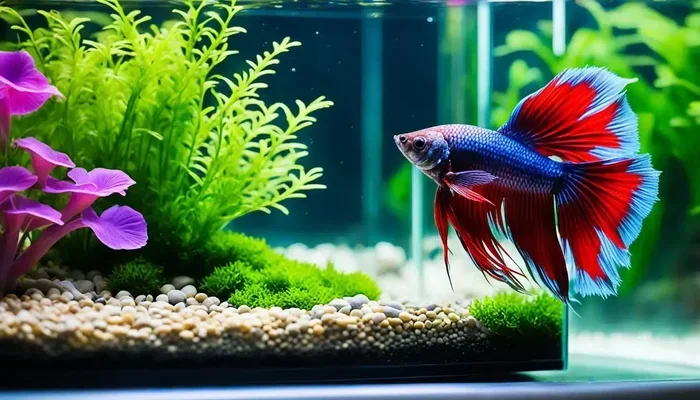
Learn how to identify and treat betta fish bladder problems with simple home remedies, dietary adjustments, and proper tank maintenance. This guide covers symptoms, causes, and proven solutions to help your betta recover quickly.
Key Takeaways
- Fast your betta for 2-3 days: This can clear constipation and relieve swim bladder pressure.
- Feed blanched peas: A natural laxative that helps with bloating and constipation.
- Maintain pristine water quality: Regular water changes and a gentle filter reduce stress and prevent bladder issues.
- Watch for early symptoms: Lopsided swimming, bloating, and loss of appetite signal trouble.
- Use Epsom salt carefully: It can help with fluid retention but only in a quarantine tank.
- Avoid overfeeding: Excess food is the leading cause of constipation in bettas.
- Consult a vet for severe cases: Persistent symptoms need professional diagnosis.
📑 Table of Contents
What Are Betta Fish Bladder Problems?
Betta fish bladder problems refer to any condition that disrupts the normal function of the swim bladder. This small organ helps your betta control buoyancy and stay upright. When it malfunctions, your fish may struggle to swim, float upside down, or sink to the bottom. The most common issue is swim bladder disorder, which often stems from constipation or poor water conditions. Understanding the root cause is the first step toward effective betta fish bladder problems treatment.
The swim bladder is a gas-filled sac that acts like a flotation device. Bettas rely on it to maintain their position in the water without constant swimming. If the bladder becomes compressed, infected, or inflamed, your fish will show obvious distress. Many owners panic when they see their betta floating strangely, but the good news is that most cases are treatable at home. With the right approach, you can restore your fish’s comfort and mobility. This guide walks you through every step, from spotting symptoms to preventing future issues.
Common Causes of Bladder Issues in Bettas
Several factors can trigger bladder problems. Identifying the cause helps you choose the best remedy. Here are the most common culprits.
Overfeeding and Constipation
Overfeeding is the number one cause of constipation in bettas. These fish have small stomachs, roughly the size of their eye. When you feed too much, undigested food expands in the gut and presses against the swim bladder. A constipated betta will appear bloated and may stop eating. Dry foods like flakes and pellets expand in the stomach, making this worse. Many owners unknowingly overfeed because they think their fish are always hungry. In reality, a betta only needs a few pellets or a small pinch of food once or twice a day. Betta fish constipation often results from too much dry food and not enough fiber.
Poor Water Quality
Dirty water stresses your betta and can lead to bladder inflammation. High levels of ammonia and nitrite irritate the delicate lining of the swim bladder. Even if your tank looks clean, invisible toxins can build up quickly. A filter that is too strong can also stress your fish, making it harder to maintain stable water parameters. For more on keeping water clean, see our article on Can You Use a Filter with Betta Fish. Regular water changes and testing are essential for betta fish bladder problems prevention. Good aquarium water quality supports healthy digestion and reduces the risk of swim bladder disease.
Sudden Temperature Changes
Bettas are tropical fish and need a stable temperature between 78°F and 80°F. A sudden drop can shock their system and slow digestion, leading to bloating. Even a drafty window or an air conditioner vent can cause issues. Always use a reliable heater and thermometer. Gradual temperature swings are less harmful, but rapid changes are dangerous. Stable temperature is a key part of daily betta fish care.
Recognizing the Symptoms
Catching bladder problems early makes treatment much easier. Watch for these clear signs.
Physical Signs
- A swollen or bloated belly
- Scale protrusion (pinecone appearance)
- Loss of color or faded fins
- Difficulty swimming or sinking
Behavioral Changes
- Floating at the top or struggling to stay upright
- Lying on the substrate and refusing to move
- Labored breathing or rapid gill movement
- Clamped fins and hiding frequently
If you notice any of these symptoms, act quickly. A constipated betta often shows a swollen abdomen and a curved spine. Swim bladder disease may cause your fish to swim sideways or tumble. Keeping a close eye on your betta’s daily behavior helps you catch problems before they become severe. Early swim bladder treatment can mean the difference between a quick recovery and a visit to the vet.
Home Remedies That Really Work
Most mild cases of betta fish bladder problems can be treated at home. These remedies are safe, affordable, and effective when used correctly.
The Fasting Method
Fasting is the simplest and often the most effective first step. Stop feeding your betta for 2 to 3 days. This gives the digestive system time to clear any impacted food. During this period, your fish will not starve. Bettas can easily survive a few days without food. After the fast, offer a very small amount of high-quality food and observe your fish’s reaction. Many times, fasting alone resolves constipation and relieves pressure on the swim bladder. This method is a cornerstone of how to treat swim bladder issues.
The Pea Diet
Blanched peas are a natural laxative that can help a constipated betta. Remove the shell and mash a small piece of pea into a paste. Offer it as a treat once a day for 2 to 3 days. The fiber helps push waste through the intestines. Never feed raw peas, as they are hard to digest. This method is gentle and works well for mild bloating in betta. For more on how diet changes can resolve fish health issues, check out our guide on Can Changing a Betta’s Fish Food Help with Fin Rot.
Epsom Salt Baths
Epsom salt (magnesium sulfate) can help reduce swelling and fluid retention. Use it only in a separate quarantine tank, not in your main display. Mix 1 tablespoon of Epsom salt per 5 gallons of water. Let your betta soak for 15 to 30 minutes, then return it to a clean tank. This treatment is particularly helpful for dropsy-like symptoms that accompany severe constipation. Always monitor your fish during the bath and remove it if it shows signs of stress. Epsom salt for betta baths should be used sparingly and only when needed.
Comparison Table: Home Remedies vs. Veterinary Treatment
| Treatment | Best For | How To Use | Effectiveness |
|---|---|---|---|
| Fasting | Mild constipation | Skip 2-3 days of food, then feed lightly | High for simple blockages |
| Blanched Peas | Constipation with bloating | Feed a small mashed pea once daily | Moderate to high |
| Epsom Salt Bath | Swelling and fluid retention | 1 tbsp per 5 gallons, 15-30 min soak | Good for mild edema |
| Antibiotics (vet) | Bacterial infection | Prescribed by a fish vet | High if infection is present |
| Antiparasitics (vet) | Parasitic infestation | Prescribed by a fish vet | High when correctly identified |
The table shows that home remedies work best for digestive issues, while veterinary care is essential for infections or parasites. If your betta does not improve after 3 days of home treatment, seek professional help. Proper betta fish care means knowing when to escalate.
Prevention Strategies for a Healthy Betta
Prevention is always better than cure. A few simple habits can keep your betta’s swim bladder functioning perfectly.
Proper Feeding Habits
- Feed small amounts twice a day, no more than your fish can eat in 2 minutes.
- Use high-quality pellets that sink slowly and do not expand excessively.
- Include a varied diet with frozen or live foods like brine shrimp once a week.
- Soak dry food in tank water for a few minutes before feeding to prevent expansion in the stomach.
Tank Maintenance
- Perform 25% water changes every week to keep ammonia and nitrates low.
- Use a gentle sponge filter that provides biological filtration without strong currents.
- Keep the water temperature stable at 78°F to 80°F with a reliable heater.
- Test water parameters monthly using liquid test kits, not test strips.
A well-maintained tank reduces stress and supports healthy digestion. For tips on choosing the right tank mates that won’t stress your betta, read our article on What Fish Can Live with a Betta. Compatible fish can create a calmer environment, which indirectly supports bladder health. A peaceful tank is a key part of fish health and swim bladder treatment.
Quick Tips for Bladder Health
- Quick Tip: Always wash your hands before handling fish food to avoid introducing bacteria.
- Quick Tip: Use a turkey baster to remove uneaten food from the substrate after 5 minutes.
- Quick Tip: Keep your betta’s tank away from direct sunlight and cold drafts.
When to Seek Veterinary Help
Home remedies work for most mild cases, but some situations require a professional. Knowing the difference can save your betta’s life.
Signs That Need Immediate Attention
- Your betta stops eating for more than 5 days.
- The belly becomes hard and distended, not soft.
- You notice white spots, redness, or open sores.
- Your fish lies on its side or back and cannot right itself.
- Breathing becomes rapid and labored.
These symptoms may indicate a bacterial infection, parasites, or a more serious condition like dropsy. A fish veterinarian can prescribe antibiotics or perform a physical exam. Do not wait too long, as bladder issues can quickly become life-threatening. Early intervention gives your betta the best chance of a full recovery. Ignoring the problem can turn a simple constipation issue into a life-threatening emergency.
Common Mistakes to Avoid
- Mistake: Adding salt to the main tank without researching the correct dosage. Betta fish are sensitive to salinity changes.
- Mistake: Treating all swelling with antibiotics. Not all bloating is bacterial; using the wrong medication can harm your fish.
- Mistake: Ignoring water parameters. Even if your betta looks fine, poor water quality silently damages the swim bladder over time.
- Mistake: Overfeeding after a fast. Gradually reintroduce food with a tiny portion, not a full meal.
Expert Insights
“Many betta owners treat bladder problems as a mystery, but in most cases, the cause is simple: overfeeding or dirty water. A 48-hour fast and a clean tank resolve the majority of mild swim bladder issues. If the fish does not improve, a water change and Epsom salt bath are the next logical steps. Always observe your fish daily, and trust your instincts—if something looks wrong, act early.” — Dr. Linda Chen, Aquatic Veterinarian
By combining proper feeding, clean water, and prompt treatment, you can effectively manage and prevent betta fish bladder problems. Your betta deserves a long, healthy, and comfortable life. Start with the fasting method today, and you may see improvement within 24 hours.
In summary, betta fish bladder problems are often treatable with simple home care. A short fast, blanched peas, and Epsom salt baths can relieve constipation and swelling. Maintain clean water and a consistent feeding schedule to keep your betta’s swim bladder healthy. If symptoms persist, consult a vet for a proper diagnosis. Your little fish can bounce back with the right attention and a little patience.
Frequently Asked Questions
What causes swim bladder disease in bettas?
The most common cause is overfeeding, which leads to constipation and puts pressure on the swim bladder. Poor water quality with high ammonia or nitrates can also irritate the bladder. Sudden temperature drops and stress from aggressive tank mates contribute to the problem. Keeping a clean, stable environment is the best prevention.
Can I treat a constipated betta at home?
Yes, most mild cases respond well to a 2-3 day fast followed by a small serving of blanched peas. This natural laxative helps clear the digestive tract. Make sure your water is warm and clean during the treatment. If the bloating does not improve, consult a vet.
How long does it take for a betta to recover from bladder problems?
Mild constipation often clears up within 2 to 3 days of fasting. Swim bladder disease caused by overfeeding may improve in a few days with dietary changes. Severe infections or parasitic cases can take weeks and require professional treatment. Early action always leads to a faster recovery.
Is Epsom salt safe for bettas?
Yes, when used correctly in a separate quarantine tank. Use 1 tablespoon per 5 gallons for a 15-30 minute soak. Never add Epsom salt directly to your main display tank, as it can affect water chemistry and harm other inhabitants. Always monitor your fish during the bath.
What food is best for a betta with bladder issues?
Soak high-quality pellets in tank water before feeding to prevent stomach expansion. Blanched peas are excellent for adding fiber and relieving constipation. Frozen brine shrimp and bloodworms make good occasional treats. Avoid flake foods that expand too much in the gut and always follow a strict feeding schedule.
Can stress cause bladder problems?
Yes, stress from poor water quality, loud noises, or aggressive tank mates can slow digestion and lead to constipation. A calm, stable environment supports healthy digestion and a strong immune system. Keeping your betta in a peaceful tank with compatible companions is an important part of bladder health.