What Can Betta Fish Eat Besides Pellets
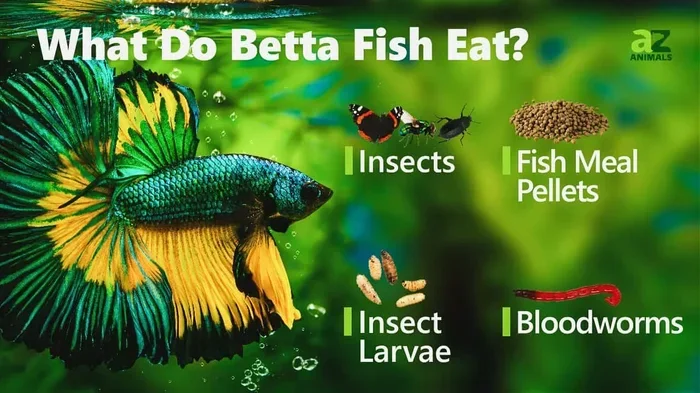
Betta fish can enjoy a wide variety of foods beyond pellets, including live options like bloodworms and brine shrimp, frozen foods, and even certain vegetables. A diverse diet keeps your betta healthy, colorful, and active. This guide covers every safe food option, feeding schedules, and common mistakes to avoid.
If you own a betta fish, you probably already know that betta pellets are a staple food. But here is the thing — pellets alone do not give your fish the full range of nutrients they need. Many betta owners wonder what can betta fish eat besides pellets, and the answer is actually quite exciting. Your little fighter can enjoy a diverse menu that keeps them healthy, vibrant, and full of energy.
In this guide, we will walk you through every safe and nutritious food option for your betta. From live foods to vegetables, we cover it all. You will also learn about feeding schedules, portion sizes, and the mistakes most beginners make. By the end, you will feel confident about planning a balanced betta fish diet that your pet will thrive on.
Key Takeaways
- Variety is key: Bettas thrive on a mix of pellets, live foods, frozen foods, and occasional vegetables.
- Bloodworms and brine shrimp are top protein-rich treats that bettas love.
- Feeding frequency matters: Offer small portions 1-2 times daily to avoid overfeeding.
- Not all human foods are safe: Some vegetables and fruits can benefit bettas, while others should be avoided.
- Watch for overfeeding signs: Bloating and constipation are common issues when bettas eat too much.
- Rotate foods regularly to ensure balanced nutrition and prevent picky eating.
📑 Table of Contents
Why Bettas Need More Than Just Pellets
Betta pellets are convenient and designed to meet basic nutritional needs. They contain protein, vitamins, and minerals that your fish requires daily. However, relying solely on pellets can lead to nutritional gaps over time. In the wild, bettas eat a wide variety of foods, including insects, larvae, and small crustaceans. Captive bettas benefit from a similar diverse betta fish diet.
Adding food variety helps support bright colors, strong immunity, and healthy digestion. A protein-rich food diet also mimics what bettas would naturally consume in their tropical habitat. Think of pellets as the foundation, not the entire meal plan.
Understanding Betta Nutritional Needs
Bettas are carnivorous by nature. They need a diet high in protein, with moderate fat and minimal carbohydrates. Here is a quick breakdown of what their body needs:
- Protein: 30-50% of their daily intake should come from protein sources like insects and small aquatic creatures.
- Fat: A small amount of healthy fats supports energy and cell function.
- Fiber: Small amounts of plant matter help with digestion.
- Vitamins and Minerals: Calcium, vitamin C, and other micronutrients boost overall health and color vibrancy.
When you only offer pellets, you may miss the natural nutrients found in live and frozen foods. This is exactly why exploring betta food alternatives is so important.
Live Foods Your Betta Will Love
Live foods are one of the best ways to enrich your betta’s diet. They mimic natural feeding and trigger your fish’s hunting instincts. Most bettas go absolutely crazy for live food options. Here are the top choices you should consider.
Bloodworms
Bloodworms are a favorite among betta fish. They are packed with protein and have a strong smell that attracts bettas. You can buy them live, frozen, or freeze-dried. Can betta fish just eat bloodworms? While bloodworms are nutritious, they should not be the only food. They lack certain vitamins and minerals that pellets and other foods provide. Use bloodworms as a treat or supplement, not a main course.
Brine Shrimp
Brine shrimp are another excellent protein source. They are small, easy to digest, and loaded with nutrients. Many aquarists use frozen food for bettas like brine shrimp because they are convenient and retain most of their nutritional value. Live brine shrimp are even better if you can source them safely.
Daphnia
Daphnia, also known as water fleas, are tiny crustaceans that make a great betta fish treat. They are rich in fiber and help with digestion. You can feed your betta freeze-dried or live daphnia. Many experienced fish keepers recommend daphnia as a natural laxative for bettas that may be experiencing constipation.
Mosquito Larvae
In the wild, bettas often catch mosquito larvae near the water surface. You can collect these safely from clean, pesticide-free areas or purchase them from reputable suppliers. They are a natural and protein-packed food source that bettas find irresistible.
Micro Worms
Micro worms are tiny nematodes that serve as an excellent food source for bettas of all ages. They are easy to culture at home and provide a good balance of protein and fat. If you want to add variety to your betta’s tropical fish food routine, micro worms are a great option.
Frozen and Freeze-Dried Options
Not everyone wants to deal with live food. The good news is that frozen and freeze-dried alternatives offer similar nutritional benefits with much less hassle. These options are shelf-stable, easy to store, and safe for your betta.
Freeze-Dried Foods
Freeze-dried bloodworms, brine shrimp, and daphnia are widely available at pet stores. Before feeding, soak them in tank water for a few minutes. This prevents them from expanding inside your betta’s stomach, which can cause bloating. Always read the ingredients list and choose products with minimal fillers.
Frozen Foods
Frozen foods are often considered the best middle ground between live and dry foods. They retain most of their nutritional content and are free from parasites when purchased from reputable brands. Simply thaw a small portion before feeding. Popular frozen options include bloodworms, brine shrimp, and spirulina-enriched mixes.
Can Betta Fish Eat Vegetables?
You might be surprised to learn that some vegetables can benefit your betta. While bettas are primarily carnivores, small amounts of certain vegetables provide fiber and aid digestion. Not all vegetables are safe, so let us look at the best options.
Safe Vegetables for Bettas
- Peas: Shelled and boiled peas are a classic remedy for betta constipation. They are soft, easy to digest, and rich in fiber.
- Zucchini: You can can betta fish eat zucchini — yes, lightly boiled and cut into tiny pieces. It provides vitamins and is gentle on the digestive system.
- Spinach: A small amount of blanched spinach offers iron and vitamins. Just make sure to chop it finely.
- Cucumber: Thin slices of cucumber can be offered occasionally. Remove the seeds and skin for easier digestion.
Vegetables to Avoid
Some vegetables are too starchy or fibrous for bettas to digest properly. Avoid feeding your betta potatoes, raw beans, or any vegetable that has not been properly prepared. When in doubt, stick to the safe options listed above.
Other Foods Bettas Can Enjoy
Beyond pellets, live foods, and vegetables, there are a few other items that can add variety to your betta’s meals. Let us explore some of these options.
Betta Flakes
You might wonder, do betta fish eat flakes or pellets? The answer is yes, bettas can eat flakes. However, flakes tend to dissolve quickly and can make the water dirty if uneaten food is left behind. If you choose flakes, look for high-quality brands specifically formulated for bettas. Crumble them into small pieces before feeding.
Tropical Fish Food
Some tropical fish foods are suitable for bettas, but not all. Can my tropical fish eat betta food and vice versa? In some cases, yes. Tropical flakes or granules that are high in protein can work as an occasional alternative. Just make sure the ingredients align with your betta’s dietary needs.
Homemade Betta Food
If you are feeling adventurous, you can make homemade betta food. Common recipes include a mix of boiled egg yolk, bloodworm paste, and spirulina powder. Homemade food allows you to control every ingredient and ensure freshness. Just feed small portions to avoid water contamination.
How Often and How Much to Feed
Feeding frequency is just as important as food variety. Overfeeding is one of the most common mistakes betta owners make. It can lead to obesity, bloating, and poor water quality. Here is a simple guide to follow.
- Adult Bettas: Feed 2-3 small meals per day. Each meal should be about the size of your betta’s eye.
- Baby Bettas: Feed 3-4 small meals daily with smaller portions. Live food like micro worms works great for fry.
- Fasting Days: Consider offering one fasting day per week. This helps prevent constipation and gives the digestive system a break.
Watch your betta’s behavior during feeding. If they stop eating within two minutes, you have given the right amount. If food is left floating or sinking untouched, reduce the portion size next time.
Signs of Overfeeding
It is easy to overfeed a betta, especially when they act hungry. Here are the warning signs to watch for:
- A swollen or bloated belly
- Food left uneaten after several minutes
- Cloudy or dirty water shortly after feeding
- Lethargy or loss of interest in food
- Constipation or difficulty swimming
If you notice any of these signs, reduce portion sizes and consider a fasting day. Remember, bettas have small stomachs, roughly the size of their eye. Can betta fish over eat? Absolutely, and it is one of the leading causes of health problems in captivity.
Common Mistakes to Avoid When Feeding Your Betta
Even experienced fish keepers sometimes make feeding mistakes. Here are the most common errors and how to avoid them.
- Feeding too much at once: Large portions can cause bloating and water pollution. Stick to small, frequent meals.
- Relying only on one food type: A monotonous diet leads to nutritional gaps. Rotate between pellets, frozen foods, and occasional treats.
- Ignoring food quality: Cheap brands often contain fillers and artificial additives. Invest in high-quality betta fish food with real ingredients.
- Skipping preparation: Freeze-dried foods should always be soaked before feeding. Raw or unsoaked food can expand in the stomach.
- Feeding human food without research: Not all human foods are safe for fish. Always verify before offering anything new.
Taking a few extra minutes to plan your betta’s meals can add years to their life. A well-fed betta is a happy, colorful, and active betta.
Building the Perfect Weekly Feeding Plan
Now that you know all the food options, let us put it together into a simple weekly plan. This gives your betta variety without the guesswork.
| Day | Morning Meal | Evening Meal |
|---|---|---|
| Monday | Betta pellets | Frozen bloodworms |
| Tuesday | Betta pellets | Blanched peas (small piece) |
| Wednesday | Brine shrimp (frozen) | Betta pellets |
| Thursday | Betta pellets | Freeze-dried daphnia |
| Friday | Micro worms (live or frozen) | Betta pellets |
| Saturday | Betta pellets | Zucchini (small piece, boiled) |
| Sunday | Fasting day | |
This plan ensures your betta gets a balanced mix of protein, fiber, and essential nutrients throughout the week. Feel free to adjust based on your betta’s preferences and appetite. The key is consistency and variety.
Final Thoughts
The answer to what can betta fish eat besides pellets is a wide world of delicious and nutritious options. From live bloodworms to blanched zucchini, your betta can enjoy a varied and exciting diet that supports their health and happiness. The most important thing is balance — pellets should remain the foundation, while live foods, frozen options, and occasional vegetables add the nutrition and enrichment your fish needs.
Avoid overfeeding, rotate foods regularly, and always watch for signs of digestive issues. With the right feeding routine, your betta will reward you with vibrant colors, active behavior, and a long, healthy life. Start experimenting with these food options today, and you will notice a difference in your betta’s energy and appearance within weeks.
Remember, every betta is unique. Some may prefer certain foods over others, and that is perfectly fine. The goal is to offer a diverse betta fish diet that keeps your aquatic friend thriving. Happy feeding!
Frequently Asked Questions
Can betta fish eat goldfish pellets?
Goldfish pellets are not ideal for bettas because they are formulated for a different species with different nutritional needs. Bettas need higher protein levels, while goldfish food is often higher in carbohydrates. Stick to betta-specific pellets for the best results.
How long can a betta fish go without eating?
Adult bettas can safely go 2-3 days without food. In fact, one fasting day per week is recommended to support digestion. However, do not skip meals for longer than three days unless advised by a vet.
Can betta fish eat bread?
Bread is not recommended for bettas. It contains gluten and carbohydrates that are difficult for fish to digest. It can also expand in the stomach and cause bloating. Always choose fish-safe foods instead.
Is it okay to feed bettas only frozen food?
Frozen food is a great supplement, but it should not completely replace pellets or other staple foods. Frozen foods may lack certain vitamins and minerals that pellets provide. Use frozen food as part of a varied diet.
Can betta fish eat shrimp pellets?
Some bettas enjoy shrimp pellets as an occasional treat. However, these should not replace a balanced betta diet. Shrimp pellets are often designed for shrimp and may not meet all of a betta’s nutritional requirements.
What is the best time of day to feed bettas?
Bettas are most active during the morning and early afternoon. Feeding them during these times aligns with their natural eating patterns. Avoid feeding right before lights out, as uneaten food can degrade overnight.
=== INTERNAL LINKS ===