What Can Betta Fish Be With
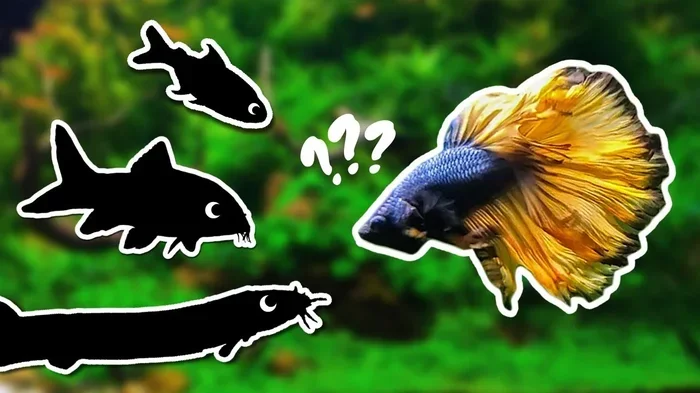
So, what can betta fish be with? The answer is more exciting than you might think. Betta fish can live with peaceful tank mates like tetras, guppies, snails, shrimp, and algae eaters when set up correctly. This guide covers everything you need to know about choosing the right companions for your betta.
Choosing the right companions for your betta fish can transform a plain tank into a vibrant underwater world. Many fish owners wonder what can betta fish be with, and the good news is there are plenty of options. Whether you want colorful schooling fish, helpful algae eaters, or fascinating invertebrates, the right tank mates can create a stunning community aquarium.
But it is not just about picking pretty fish. Compatibility depends on water conditions, temperament, and tank size. A male betta, for example, has a reputation for being territorial. Yet with the right choices, even males can live peacefully alongside other creatures. This guide walks you through the best options step by step.
Key Takeaways
- Peaceful Community Fish: Tetras, guppies, and corydoras make excellent betta tank mates
- Invertebrates Work Great: Ghost shrimp, snails, and algae eaters are safe companions
- Female Bettas Are More Social: They can coexist with other fish more easily than males
- Tank Size Matters: A minimum of 10 gallons is recommended for community setups
- Monitor Aggression: Always watch for signs of stress or fighting when introducing new fish
- Avoid Fin-Nippers: Fish like tiger barbs can damage betta fins and cause stress
- Slow Feeders Win: Choose tank mates that won’t outcompete your betta for food
📑 Table of Contents
Understanding Betta Fish Temperament
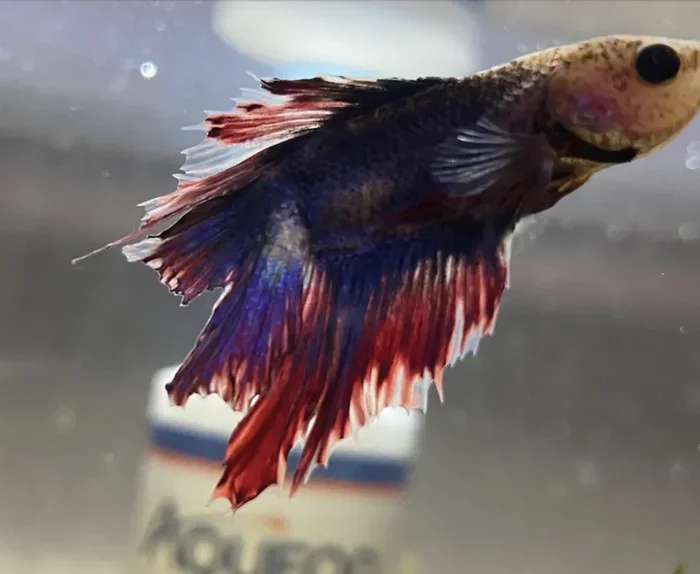
Before adding any tank mates, you need to understand your betta’s personality. Bettas are labyrinth fish, which means they breathe air from the surface. They are also known for their flowing fins and bright colors. But their beauty can come with a feisty attitude.
Male vs. Female Betta Behavior
Male bettas are the most aggressive. They were originally bred for fighting in Southeast Asia. A male betta will often flare at other fish, especially those with bright colors or long fins. What can betta fish be with becomes a tricky question when you have a particularly dominant male.
Female bettas, on the other hand, tend to be calmer. A group of female bettas, often called a sorority, can live together in larger tanks. Can female betta fish be with other fish? Absolutely. Females are generally more tolerant of tank mates than males. However, even females can show aggression, so monitoring is always important.
Factors That Trigger Aggression
Several things can make your betta more aggressive. Overcrowding is a big one. Small tanks cause stress and territorial behavior. Poor water quality also plays a role. When ammonia levels rise, fish become irritable and prone to fighting. Here are the main triggers to watch for:
- Small tank size — less than 5 gallons increases stress
- Bright lighting — can make bettas more defensive
- Fin-nipping neighbors — triggers retaliation
- Lack of hiding spots — bettas need places to retreat
- Feeding competition — hungry fish become aggressive
Best Fish Tank Mates for Betta Fish
Now for the fun part. What fish can safely share a tank with your betta? The answer depends on the species, but several groups stand out as excellent choices. Let us break them down.
Peaceful Community Fish
Small, peaceful fish that stay in the middle or bottom of the tank work best. These species rarely bother bettas, and they add movement and color to the aquarium.
Corydoras Catfish are a top pick. They stay at the bottom and mind their own business. They are peaceful, easy to care for, and fun to watch. Neon tetras and ember tetras also make great companions. Their small size and gentle nature mean they rarely provoke a betta. Can betta fish be with tetras? Yes, tetras are among the safest and most popular choices.
Another excellent option is the kuhli loach. These quirky, eel-like fish stay busy at the bottom. They are nocturnal, so they add activity during nighttime hours. Just make sure your tank has plenty of hiding spots for them.
Guppies and Livebearers
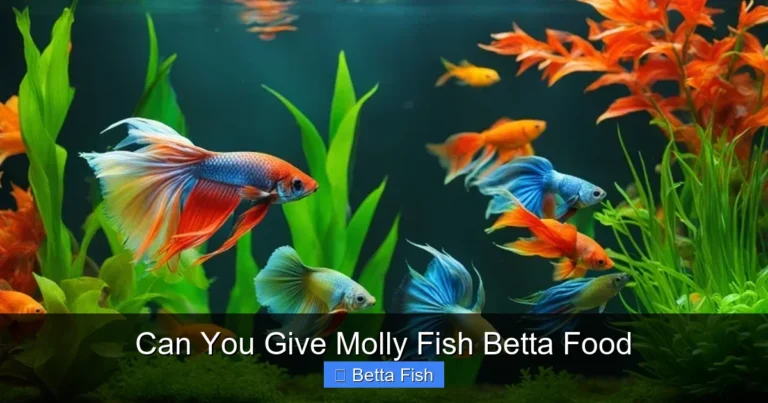
Guppies are colorful, hardy, and affordable. Many fish owners ask, can betta fish be with guppies? The answer is yes, but with a few caveats. Male guppies have bright tails that can trigger a betta’s aggression. To reduce this risk, keep a group of female guppies or choose duller-colored males.
Other livebearers like platies and mollies can also work well. They are peaceful and do well in similar water conditions as bettas. Just avoid overstocking the tank, as livebearers breed quickly.
Bottom-Dwelling Fish
Fish that stick to the bottom of the tank are ideal because they avoid the betta’s territory. Otocinclus catfish are tiny algae eaters that stay peaceful and productive. They help keep your tank clean while staying out of your betta’s way.
Mystery snails are another fantastic bottom dweller. They are slow-moving, which means bettas usually leave them alone. Plus, they eat algae and leftover food, making them helpful tank members.
Invertebrates That Coexist with Bettas
Fish are not the only option. Invertebrates like shrimp and snails can add variety without the risk of aggression. Many aquarists love pairing bettas with ghost shrimp or amano shrimp.
Can betta fish be paired with ghost shrimp? Yes, ghost shrimp are fast and transparent, so they are less likely to trigger territorial behavior. They also help clean the tank by eating debris and algae. Just be aware that some bettas may try to catch shrimp, so provide plenty of plants for hiding.
Snails as Tank Mates
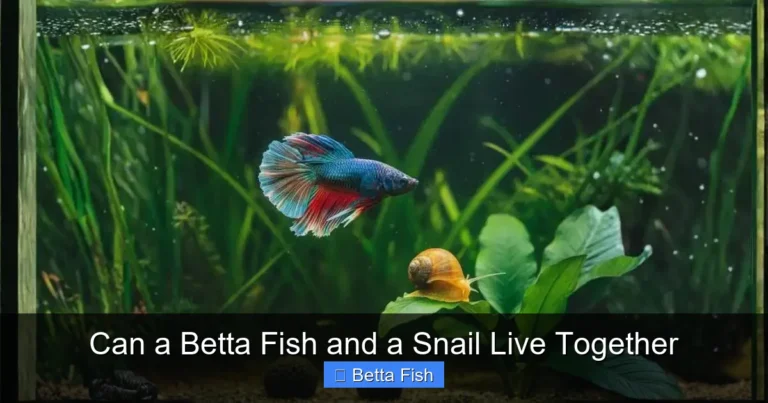
Snails are one of the safest choices for a betta tank. Apple snails, nerite snails, and ramshorn snails all work well. They are slow, peaceful, and do not compete with your betta for food. They also help control algae growth, which keeps the tank looking clean.
One thing to watch is that some snails can overpopulate a tank. Nerite snails, for example, lay eggs that will not hatch in freshwater, so they are a great choice for controlled populations.
Algae Eaters
Algae eaters serve a dual purpose. They keep your tank clean and they are generally peaceful. Can betta fish be with algae eaters? Absolutely. Species like the bristlenose pleco and otos are gentle and effective. They focus on algae rather than bothering your betta.
Avoid larger plecos like common plecos, though. They grow too big and can become aggressive or produce too much waste for a betta tank.
Fish to Avoid With Betta Fish
Knowing what not to pair with your betta is just as important as knowing what works. Some fish will cause stress, injury, or even death.
Fin-Nipping Species
Fish that nip fins are a terrible match for bettas. Bettas have long, flowing fins that look like food to fin-nippers. Tiger barbs, serpae tetras, and porcupine fish should never be kept with bettas. These fish will chase and tear at your betta’s fins, leading to infection and stress.
Large or Aggressive Fish
Big fish see bettas as food or intruders. Goldfish, for example, produce too much waste and grow too large for a betta tank. Angelfish can also be problematic, as they may bully or nip at bettas.
Avoid cichlids and other aggressive species. These fish dominate tanks and will not share space peacefully with a betta. The goal is a harmonious community, not a battlefield.
Other Male Bettas
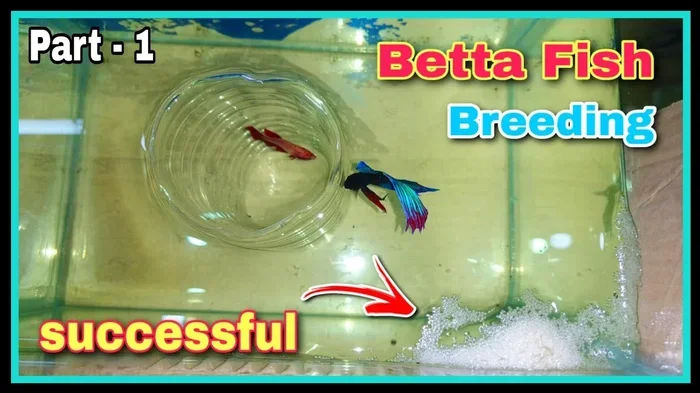
Two male bettas should never share a tank. They will fight relentlessly, often to the death. Even female bettas can show aggression toward each other in small tanks. If you want multiple bettas, use a large tank with plenty of dividers or visual barriers.
Setting Up a Successful Community Tank
Getting the right tank mates is only half the battle. You also need to set up the tank properly to keep everyone happy and healthy.
Tank Size Requirements
A single betta needs at least 5 gallons of water. For a community tank, aim for 10 gallons or more. Larger tanks reduce territorial behavior because fish have more space to claim. A 20-gallon tank is often the sweet spot for a betta with a few small companions.
Plants and Hiding Spots
Live plants are your best friend in a community tank. They provide hiding spots, reduce stress, and improve water quality. Java moss, anubias, and java fern are all great choices. Bettas love to rest on broad leaves, so plants like amazon sword work perfectly.
Add caves, driftwood, and floating plants too. These break up lines of sight and give fish places to retreat when feeling threatened. A well-decorated tank leads to a more peaceful environment for all inhabitants.
Water Parameters
Bettas thrive in warm, clean water. Keep the temperature between 76 and 82 degrees Fahrenheit. The pH should be between 6.5 and 7.5. Most peaceful community fish share these preferences, which is why species like tetras and guppies work so well.
Test your water regularly. Ammonia and nitrite levels should always be at zero. Nitrate should stay below 20 ppm. Use a gentle filter to avoid strong currents, as bettas prefer calm water.
Feeding Tips for Community Tanks
Feeding can be tricky when you have multiple species. Bettas are slow eaters and prefer betta pellets or frozen foods. Fast-swimming fish like tetras may gobble up all the food before your betta gets a chance.
Try sinking pellets for bottom dwellers and floating pellets for your betta. Feed in small amounts multiple times a day. Watch each fish eat to make sure everyone gets enough food. Can betta fish be kept with love you fish? This is a common question, but the answer depends on the species’ feeding habits and temperament.
Expert Tips for Introducing New Tank Mates
Adding new fish to a betta tank should be done carefully. Rushing the process can lead to disaster. Follow these expert tips for a smooth introduction.
- Quarantine new fish first. Keep them in a separate tank for two weeks to check for disease.
- Introduce fish gradually. Add one or two new tank mates at a time, not a whole group.
- Watch for aggression. If your betta flares constantly or chases new fish, separate them immediately.
- Rearrange the tank. Before adding new fish, move decorations around. This resets territories and reduces stress.
- Feed well before introductions. A full betta is less likely to chase other fish.
Patience is key. Give your fish time to adjust. Some chasing is normal in the first few days, but persistent aggression means you need to rethink your tank setup.
Common Mistakes to Avoid
- Overcrowding the tank. Too many fish creates stress and poor water quality.
- Ignoring water parameters. Different species need similar conditions to coexist.
- Choosing fish that are too large. Big fish can bully or eat small bettas.
- Skipping the quarantine period. New fish can introduce diseases to your entire tank.
- Assuming all bettas are the same. Some bettas are docile, while others are aggressive. Know your fish’s personality.
Final Thoughts on Betta Tank Mates
What can betta fish be with? The answer is a wide variety of peaceful species, invertebrates, and algae eaters. From tetras and guppies to ghost shrimp and mystery snails, the options are plentiful. The key is choosing compatible species, setting up the right environment, and monitoring your tank regularly.
A well-planned community tank is a joy to watch. Your betta will thrive, and you will enjoy a lively, colorful aquarium. Start small, do your research, and always prioritize the well-being of every fish in the tank. With the right approach, your betta can live happily alongside many wonderful tank mates.
Remember, every betta has its own personality. Some are calm and social, while others prefer to be alone. Observe your fish closely and adjust your setup as needed. The best tank is one where every inhabitant feels safe, comfortable, and healthy.
Frequently Asked Questions
Can betta fish live with guppies?
Yes, betta fish can live with guppies in most cases. However, male guppies with bright tails may trigger aggression in male bettas. Keeping a group of female guppies or choosing duller-colored males reduces this risk. Always monitor their interactions closely when first introduced.
Can betta fish be with tetras?
Tetras are among the best tank mates for bettas. Species like neon tetras and ember tetras are peaceful, small, and stay in the middle of the tank. They rarely bother bettas and add beautiful movement to the aquarium. Just make sure your tank is at least 10 gallons for a comfortable setup.
Can betta fish be with shrimp?
Yes, bettas can live with shrimp like ghost shrimp and amano shrimp. Shrimp are small, fast, and generally ignored by bettas. They help keep the tank clean by eating algae and debris. Provide plenty of plants for shrimp to hide in case your betta tries to catch them.
Can betta fish be with snails?
Snails make excellent betta tank mates. Mystery snails, nerite snails, and ramshorn snails are all peaceful and helpful. They eat algae and leftover food without competing with your betta for resources. Snails are slow-moving, which makes them unlikely targets for betta aggression.
Can two male bettas live together?
No, two male bettas should never share a tank. They will fight aggressively, often resulting in injury or death. Even with plenty of plants and dividers, the stress is harmful to both fish. Stick to one male betta per tank or consider a female betta sorority in a large, well-planted aquarium.
What is the best tank size for a betta community?
A minimum of 10 gallons is recommended for a betta community tank. A 20-gallon tank is ideal because it provides enough space for your betta and several small tank mates. Larger tanks are always better, as they dilute aggression and make it easier to maintain stable water parameters.