What Can Be Put with a Betta Fish
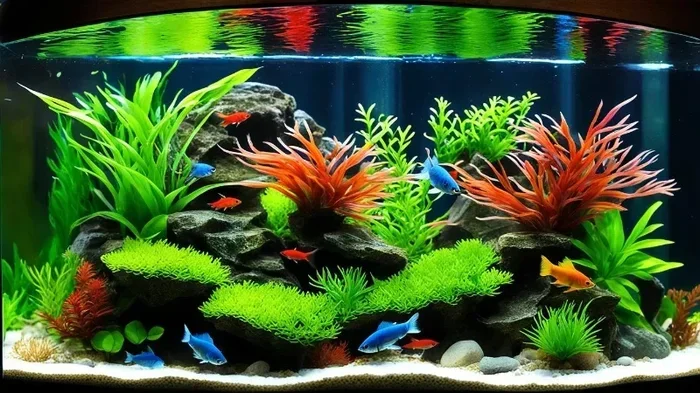
What can be put with a betta fish? The answer depends on temperament, tank size, and water conditions. Peaceful betta fish tank mates like snails, shrimp, and certain schooling fish can create a harmonious community tank. However, some fish — like goldfish and aggressive species — are terrible matches. This guide covers the best and worst companions to keep your betta happy and healthy.
So you have a beautiful betta fish swimming gracefully around your tank, and you are thinking about adding some friends. That is a great idea! A well-planned community tank can be stunning to look at and a lot of fun to watch. But here is the tricky part — not every fish gets along with a betta.
What can be put with a betta fish? The short answer is that several peaceful species can share a tank with your betta. But the full answer takes a little more planning. You need to think about temperament, tank size, water conditions, and the personalities of each fish. This guide walks you through everything you need to know to build a happy, healthy community aquarium with your betta as the star.
Key Takeaways
- Best Betta Tank Mates: Snails, shrimp, corydoras catfish, and certain tetras make excellent companions for betta fish.
- Avoid Aggressive Fish: Fish like goldfish, guppies with long fins, and other bettas can trigger fighting and stress.
- Tank Size Matters: A minimum of 10 gallons is recommended when keeping bettas with other species.
- Female Bettas Are More Social: A female betta fish can often live with other fish more easily than a male.
- Monitor Behavior: Always watch for signs of stress or aggression when introducing new tank mates.
- Plants and Decorations Help: Adding live plants and hiding spots reduces tension in a shared aquarium.
- Water Parameters Must Match: Compatible tank mates share similar temperature and pH requirements with bettas.
📑 Table of Contents
Why Tank Mates Matter for Betta Fish
Betta fish are often called “Siamese fighting fish” for a reason. Males, in particular, can be territorial and aggressive toward other fish that look similar or have long, flowing fins. A lonely betta can become stressed, bored, and even depressed. On the other hand, the wrong tank mate can lead to constant fighting, fin damage, and serious health problems.
Choosing the right companions means understanding your betta’s needs first. Bettas prefer warm water around 78–80°F, a pH between 6.5 and 7.5, and a calm environment with places to hide and explore. Any fish you add needs to thrive in the same conditions.
Signs Your Betta Needs a Tank Mate
How do you know if your betta might benefit from some company? Watch for these signs:
- Lethargy: Your betta spends most of the time lying at the bottom or floating listlessly.
- Boredom:Your betta stares at the same spot for hours or shows no interest in food.
- Fins clamped close: This is a common sign of stress or illness.
- Excessive hiding: While bettas like decorations, constant hiding can signal unhappiness.
If you notice any of these behaviors, a compatible tank mate might help liven things up. But choose carefully!
Best Fish to Put with a Betta
Not all fish are created equal when it comes to living with a betta. Some species are naturally peaceful and share similar water preferences. Others are a perfect match because they occupy different areas of the tank, which reduces conflict.
Peaceful Bottom Dwellers
Bottom-feeding fish are excellent betta tank mates because they stay near the floor while your betta claims the upper and middle levels of the tank. This natural separation keeps everyone happy.
- Corydoras Catfish: These small, social fish are gentle and fun to watch. They stick to the bottom and rarely bother your betta.
- Kuhli Loaches: With their eel-like appearance, kuhli loaches are peaceful and curious. They do best in groups of three or more.
- Otocinclus Catfish: These tiny algae eaters are peaceful and stay very small, making them a safe choice.
Shrimp and Snails
If you want low-maintenance companions, invertebrates are hard to beat. They clean the tank, stay out of your betta’s way, and add interesting movement.
Ghost shrimp and cherry shrimp are popular choices. Can you put a betta fish with shrimp? Yes, in most cases! Just keep in mind that bettas may try to eat smaller shrimp like cherry shrimp, so ghost shrimp are often the safer option. Snails like nerite snails, mystery snails, and ramshorn snails make great tank mates too. They are too slow to bother your betta and too hardy to be easy targets.
Schooling Fish
Schooling fish add movement and color to a community tank. The key is choosing species that are fast enough to escape a curious betta and that stay in the upper or middle water column.
- Ember Tetras: These small, orange-red fish are peaceful and stay small. They are one of the best schooling fish for a betta tank.
- Harlequin Rasboras: With their striking black-and-gold color, they are active but non-aggressive.
- Neon Tetras: A classic choice, but avoid the larger neon tetras that might nip at betta fins.
Can you put schooling fish with a betta? Absolutely — as long as you pick the right species and keep them in groups of five or more.
Fish to Avoid Putting with a Betta
Knowing what not to put with your betta is just as important as knowing what to add. Some fish are outright dangerous, while others seem harmless but can cause problems you did not expect.
Goldfish
Can you put a male betta fish with goldfish? The short answer is no. Goldfish produce a lot of waste, need cooler water, and grow much larger than bettas. Keeping them together creates poor water quality and can stress or harm your betta. Goldfish are simply not compatible with the warm, clean water that bettas require.
Fish with Long, Flowing Fins
Bettas are triggered by fish that look similar to them, especially those with long fins. Fish like male guppies, angelfish, and fancy swordtails can provoke aggression. Your betta might see them as rivals and attack relentlessly.
Other Male Bettas
Two male bettas should never share a tank. They will fight — sometimes to the death. Even a male and female betta should only be paired temporarily, such as during breeding, and with plenty of hiding spots.
Can you put a female betta fish with other fish? Yes, female bettas tend to be less aggressive and can sometimes live in small groups called sororities. They also have a better chance of coexisting with other peaceful species.
Aggressive or Fin-Nipping Fish
Fish like tiger barbs, serpae tetras, and certain cichlids are naturally aggressive. They may nip at your betta’s beautiful fins or bully it constantly. Avoid these species entirely if you want a peaceful tank.
Tank Size and Setup for a Community Betta Tank
The size of your tank plays a huge role in whether your betta and its tank mates can live together happily. A small bowl is never the right choice for a community setup.
Minimum Tank Size Recommendations
- 10 gallons: The absolute minimum for a betta with a few small tank mates.
- 20 gallons: Ideal for a small community with schooling fish and bottom dwellers.
- 30 gallons or more: Best for a larger community with more variety.
A bigger tank gives everyone more space to claim territory and reduces the chance of confrontations. It also makes it easier to maintain stable water parameters, which benefits every fish in the tank.
Essential Setup Tips
- Add plenty of plants: Live or silk plants create natural barriers and hiding spots. They break up lines of sight and reduce aggression. Live plants are especially great because they also help keep the water clean.
- Use soft decorations: Avoid sharp plastic or rough rocks that could tear your betta’s delicate fins.
- Create distinct zones: Place floating plants near the surface for your betta, mid-level plants for schooling fish, and substrate for bottom dwellers.
- Install a gentle filter: Bettas do not like strong currents. Use a sponge filter or baffle the output to keep the water flow mild.
- Keep the lights dim: Bright lights can stress bettas. Use moderate lighting and provide shaded areas with floating plants.
How to Introduce New Tank Mates Safely
Adding a new fish to your betta’s tank is a process that needs patience. Rushing it can lead to fights, stress, and even injury. Follow these steps for a smooth introduction.
Step-by-Step Introduction Process
- Quarantine the new fish: Keep the new arrival in a separate tank for at least two weeks. This lets you check for diseases and ensures the fish is healthy before introducing it to your betta.
- Rearrange the tank: Before adding the new fish, move some decorations around. This breaks up established territories and gives your betta a fresh environment, reducing its urge to defend a specific area.
- Introduce the new fish first: Add the new fish to the tank before your betta has a chance to claim every corner. This gives the newcomer a chance to find its own hiding spots.
- Feed well before introduction: A well-fed betta is less likely to be aggressive. Give your betta a good meal right before you add the new fish.
- Watch closely for the first few hours: Look for signs of chasing, flaring, or fin nipping. Some mild flaring is normal, but persistent aggression means you need to separate the fish.
- Have a backup plan: Keep a small quarantine tank ready in case you need to remove a fish quickly.
What to Watch For After Introduction
Even after a successful introduction, keep monitoring your tank for the next few days and weeks. Look for these warning signs:
- Your betta constantly chasing the new fish.
- Clamped fins or loss of color in any fish.
- Refusal to eat by one or more fish.
- Hiding more than usual, especially by the new arrival.
- Bites or torn fins on any fish.
If you notice any of these signs, separate the fish immediately and reassess your tank setup. Sometimes a simple rearrangement of decorations is all it takes to restore peace.
Common Mistakes People Make When Adding Tank Mates
Even experienced fish keepers make mistakes. Here are the most common ones to avoid:
- Overcrowding the tank: Too many fish leads to poor water quality and increased aggression. Stick to the recommended tank size and stock lightly.
- Ignoring water parameters: Not all fish need the same temperature or pH. Always research each species before adding it to your betta’s tank.
- Adding too many fish at once: Introduce one or two new fish at a time. This gives your betta time to adjust and lets you monitor the impact.
- Skipping the quarantine: New fish can carry diseases that spread quickly to your betta. Always quarantine first.
- Choosing fish based only on looks: A beautiful fish might be aggressive or incompatible. Always prioritize temperament and water requirements.
Can you put a turtle in with a betta fish? This is a common question, and the answer is generally no. Turtles are much larger, need different water conditions, and can be aggressive toward bettas. It is best to keep them in separate tanks.
Expert Insights on Betta Community Tanks
Building a successful community tank with a betta takes patience and observation. Every betta has its own personality. Some are calm and curious, while others are bold and territorial. The key is to match your betta’s temperament with the right companions.
Experienced aquarists recommend starting with a small group of peaceful invertebrates like snails or shrimp. Once you see how your betta reacts, you can gradually introduce small schooling fish. This step-by-step approach gives you time to adjust the setup and ensure everyone is comfortable.
Remember that a betta’s behavior can change over time. A fish that was peaceful at first might become more territorial as it matures. Regular observation and a willingness to make changes are the keys to long-term success.
Conclusion
What can be put with a betta fish? The answer is more options than most people realize. From peaceful snails and shrimp to colorful schooling fish and gentle bottom dwellers, there are plenty of great companions for your betta. The secret is choosing species with similar water needs, non-aggressive temperaments, and complementary swimming levels.
Avoid the common mistakes we covered, take your time with introductions, and always watch your fish for signs of stress. A well-planned community tank is a joy to own and a wonderful home for your betta. Start with one or two tank mates, observe how things go, and build from there. Your betta — and your aquarium — will be better for it.
Frequently Asked Questions
Can I put a goldfish with my betta fish?
No, goldfish are not compatible with bettas. They need cooler water temperatures and produce far more waste, which can make the tank unhealthy for your betta. It is best to keep them in separate tanks.
What is the best tank mate for a betta fish?
Some of the best tank mates include corydoras catfish, ember tetras, ghost shrimp, nerite snails, and kuhli loaches. These species are peaceful, stay in different areas of the tank, and share similar water requirements with bettas.
Can two betta fish live together?
Two male bettas should never share a tank — they will fight aggressively. Female bettas can sometimes live together in small groups called sororities, but this requires careful setup and monitoring.
How many tank mates can a betta have?
In a 10-gallon tank, one or two small tank mates is a safe number. In a 20-gallon tank or larger, you can add a small group of schooling fish along with a couple of bottom dwellers. Always avoid overstocking.
Do bettas get lonely?
Yes, bettas can become lonely and stressed when kept alone in a small tank. Adding compatible tank mates and providing plenty of enrichment, such as plants and decorations, can improve their quality of life significantly.
Can bettas live with turtles?
No, turtles and bettas should not be kept together. Turtles are much larger, need different water conditions, and can be aggressive. They may also try to eat your betta or its fins. Always keep them in separate tanks.