What Caches Fish Better in Salt Water Shrimp or Sqid
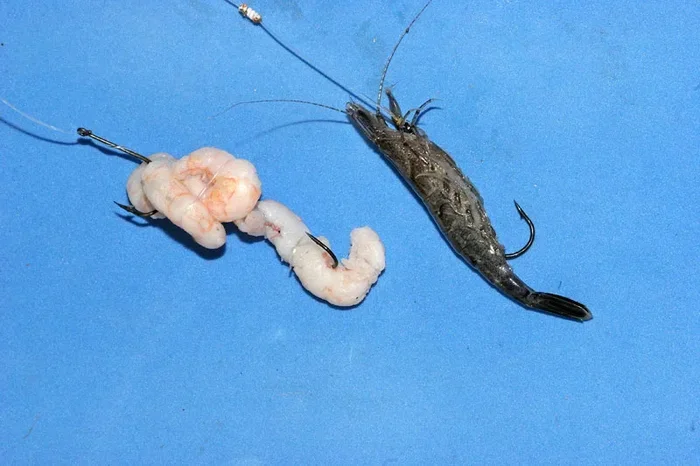
When it comes to catching saltwater fish, both shrimp and squid are top contenders. Shrimp works best for species that feed near the bottom, while squid attracts larger predatory fish that hunt in open water. Your choice depends on the fish you target, the water conditions, and how you present the bait.
Fishing in saltwater is an exciting adventure. Whether you are surf fishing off the beach or trolling deep offshore waters, your bait choice can make or break your day. Two of the most popular options are shrimp and squid. Both are natural prey for many saltwater species, but they work differently. So what catches fish better — shrimp or squid in saltwater? This guide breaks down everything you need to know.
Choosing the right bait is one of the most important decisions you make before heading out. The wrong bait can leave you with an empty cooler even on a good fishing day. Shrimp and squid each have strengths that appeal to different fish species. By understanding these differences, you can walk up to the water with confidence and a solid plan.
In this article, we compare shrimp and squid side by side. We look at which fish prefer each bait, how to rig them properly, and when to use one over the other. We also cover practical tips that will help you catch more fish on your next trip.
Key Takeaways
- Shrimp is a versatile bait: It works well for bottom-feeding fish and is widely available in both fresh and frozen forms.
- Squid attracts bigger game fish: Its firm texture and strong scent make it ideal for targeting species like striped bass and bluefish.
- Water conditions matter: Temperature, clarity, and pressure all affect how fish respond to each bait type.
- Presentation is key: How you rig and present shrimp or squid can make a big difference in your catch rate.
- Both baits have unique strengths: Neither is universally better — the right choice depends on your fishing situation.
- Match the bait to the fish: Understanding what your target species eats helps you choose the most effective option.
📑 Table of Contents
Why Bait Choice Matters for Saltwater Fishing
The bait you use directly affects what species you hook and how many fish you catch. Saltwater fish have specific feeding habits shaped by their environment. Some fish hunt near the ocean floor, while others chase prey in open water. Your bait needs to match the natural food sources in the area.
Using the wrong bait can result in lost fish and wasted time. For example, if you are targeting bottom-dwelling species like flounder or sea bass, a floating bait will not work well. On the other hand, if you are chasing pelagic species like tuna or mackerel, a slow-sinking bait might get ignored entirely. This is why understanding your target species matters so much.
Both shrimp and squid are natural food sources for many saltwater fish. They are found in coastal waters around the world. This makes them reliable choices no matter where you fish. But their effectiveness varies depending on the situation.
Fresh vs Frozen Bait
You can use both shrimp and squid in fresh or frozen form. Fresh bait often has a stronger scent, which can attract fish from a distance. Frozen bait is more convenient and lasts longer. Most anglers find that frozen bait works just as well if it is thawed properly and kept cool on the ice.
Shrimp as Saltwater Bait
Shrimp is one of the most widely used baits in saltwater fishing. It is effective for a broad range of species and works in many different fishing setups. Whether you are casting from a pier or drifting in a boat, shrimp can get the job done.
Fish that feed near the bottom love shrimp. Species like redfish, sea trout, flounder, and snapper all respond well to shrimp bait. The natural scent and movement of shrimp in the water triggers a feeding response in these fish. Shrimp also works well in surf fishing and pier fishing situations.
How to Rig Shrimp for Saltwater Fishing
Rigging shrimp properly makes a big difference. Here are a few tips:
- Use a hook that passes through the tail or behind the head.
- Keep the shrimp looking as natural as possible — avoid tearing it apart.
- Freeze shrimp slightly before rigging so it holds its shape on the hook.
- Use a bobber or split shot to keep the shrimp at the right depth.
When Shrimp Works Best
Shrimp shines in calm, clear water conditions. It works well in shallow flats, estuaries, and nearshore areas. When fish are feeding close to the bottom, shrimp is hard to beat. It is also an excellent choice when you are fishing for smaller species that pick at bait delicately.
Quick Tip: If you are fishing in areas where fishing in the sun or shade affects fish behavior, shrimp works well in both conditions because its natural scent carries regardless of light levels.
Limitations of Shrimp
Shrimp is not perfect for every situation. Large predatory fish like king mackerel or shark may ignore shrimp entirely. The soft body of shrimp also means it can tear off the hook quickly, especially when fighting a strong fish. You may need to replace your shrimp more frequently than other bait types.
Squid as Saltwater Bait
Squid is a powerhouse bait for saltwater fishing. Its firm texture, strong scent, and natural movement make it highly attractive to a wide range of game fish. Many experienced anglers consider squid their go-to bait for targeting larger saltwater species.
Squid works especially well for predatory fish that hunt in open water. Striped bass, bluefish, bonito, and even some species of tuna respond strongly to squid bait. The tentacles and body of squid create an enticing presentation in the water that triggers aggressive strikes.
How to Rig Squid for Saltwater Fishing
Rigging squid is straightforward but requires a few技巧:
- Slide the hook through the mantle (the main body) of the squid.
- Leave the tentacles dangling to create natural movement in the water.
- Use a heavy enough hook to hold the squid securely during fights.
- Cut squid into strips for smaller fish or use whole squid for larger species.
When Squid Works Best
Squid excels when targeting fish in deeper water or open ocean environments. It is ideal for trolling, jigging, and bottom fishing setups. Squid also holds up better on the hook than shrimp, which means fewer replacements during your fishing session.
Squid is particularly effective when water temperatures drop. Many game fish switch to feeding on squid-like prey during cooler months. Using squid as bait during these periods can dramatically increase your catch rate.
Quick Tip: If you notice fish are not feeding as actively, check the water pressure conditions. Fish feeding behavior changes with pressure, and adjusting your bait presentation can help you stay productive.
Limitations of Squid
Squid can be harder to find in some areas compared to shrimp. It also requires a bit more skill to rig properly. Some smaller fish species may steal pieces of squid without hooking up, which can be frustrating. Additionally, squid can be messier to handle and store than shrimp.
Shrimp vs Squid: Head-to-Head Comparison
Now let us put shrimp and squid side by side. This comparison table shows the key differences between the two baits:
| Feature | Shrimp | Squid |
|---|---|---|
| Best for | Bottom-feeding fish | Pelagic and predatory fish |
| Scent strength | Moderate to strong | Strong |
| Durability on hook | Soft, tears easily | Firm, holds up well |
| Availability | Widely available | Seasonal in some areas |
| Target species | Redfish, snapper, sea trout | Striped bass, bluefish, bonito |
| Ease of rigging | Easy | Moderate |
| Cost | Low to moderate | Low to moderate |
| Works in surf fishing | Excellent | Good |
| Works for deep water | Moderate | Excellent |
As you can see, both baits have clear advantages. Shrimp is your best friend when fishing shallow, calm waters for bottom feeders. Squid takes the lead when you are targeting larger, more aggressive species in deeper water.
Many anglers keep both shrimp and squid on their boat. This gives them the flexibility to switch baits based on what they are catching. If you are only getting skunked with shrimp, switching to squid can turn your luck around. The same works in reverse.
How Water Conditions Affect Bait Performance
Water conditions play a huge role in how effective your bait will be. Temperature, clarity, current, and pressure all influence fish behavior. Understanding these factors helps you choose the right bait for the day.
In warmer water, fish tend to be more active and willing to chase prey. Squid works well in these conditions because it mimics the fast-moving prey that active fish pursue. In cooler water, fish become sluggish and prefer easy meals. Shrimp is often more effective in cold water because it sits still on the bottom and appeals to less active fish.
Water clarity also matters. In murky or turbid water, the strong scent of both shrimp and squid becomes more important because fish rely less on sight. In clear water, fish can see the bait more easily, so presentation and natural movement become critical factors.
Quick Tip: If you are curious about how saltwater fish compare to freshwater fish in terms of feeding behavior, the short answer is that saltwater species tend to be more aggressive and opportunistic feeders. This makes both shrimp and squid highly effective in marine environments.
Expert Tips for Maximizing Your Catch
Here are some practical tips from experienced saltwater anglers that will help you catch more fish with both shrimp and squid:
- Match the hatch. Look at what small prey fish and crustaceans are in the water. If you see shrimp-like creatures near the shore, use shrimp. If you see squid-like organisms, use squid.
- Keep your bait fresh. Replace shrimp or squid every 15 to 20 minutes to maintain a strong scent trail.
- Use circle hooks. Circle hooks reduce gut-hooking and make it easier to release fish safely.
- Vary your retrieve speed. Sometimes slow and steady works best. Other times, a quick jerk triggers a reaction strike.
- Fish at the right tide. Incoming tides often bring baitfish and crustaceans into shallower water, attracting predatory game fish.
- Stay observant. Watch for birds diving or baitfish jumping. These are signs that larger fish are feeding nearby.
These tips apply whether you are using shrimp or squid. The key is to stay flexible and adapt to what the fish are telling you on any given day.
Common Mistakes Anglers Make with Bait
Even experienced anglers sometimes make bait-related mistakes. Here are a few to avoid:
- Using too big a piece of bait. This can scare away smaller fish and make it harder for them to get the hook.
- Not changing bait often enough. Old bait loses its scent and visual appeal quickly in saltwater.
- Ignoring local regulations. Some areas have restrictions on what bait you can use. Always check local rules before you fish.
- Using the same bait every trip. Variety is important. If one bait is not working, switch to the other and see what happens.
Avoiding these mistakes can save you hours of frustration and help you have a much more productive fishing trip.
Final Thoughts
So, what catches fish better in saltwater — shrimp or squid? The honest answer is both. Shrimp is the go-to choice for bottom-feeding species in shallow water, while squid dominates when targeting larger predatory fish in deeper water. The best anglers know how to use both and switch between them based on conditions.
Next time you head out to the coast, bring both shrimp and squid. You will be ready for whatever the fish are biting that day. Pay attention to water conditions, match your bait to the species you are targeting, and enjoy the process. Fishing is as much about the experience as it is about the catch.
With the right bait and a bit of patience, you will be reeling in saltwater fish in no time. Tight lines and happy fishing!
Frequently Asked Questions
Is shrimp or squid better for beginners in saltwater fishing?
Shrimp is generally easier for beginners because it is widely available, simple to rig, and works for many common species. Squid requires a bit more skill to rig properly but is also very effective once you learn the basics.
Can you use both shrimp and squid on the same fishing trip?
Absolutely. Many successful anglers carry both baits and switch between them depending on what they are catching. Having both options gives you a big advantage on the water.
Does frozen shrimp work as well as fresh shrimp for saltwater fishing?
Yes, frozen shrimp works just as well as fresh if it is thawed properly and kept cold. The scent and appeal are nearly identical, making frozen shrimp a convenient and reliable option.
What saltwater fish species prefer squid over shrimp?
Striped bass, bluefish, bonito, and larger game fish tend to prefer squid. Its firm texture and strong scent make it especially attractive to predatory species that hunt in open water.
How long does shrimp or squid last on a fishing trip?
Shrimp typically lasts 15 to 20 minutes on the hook before it starts to fall apart. Squid holds up much longer, often lasting an hour or more depending on how aggressively fish are striking.
Does the time of day affect whether shrimp or squid works better?
Yes, fish feeding patterns change throughout the day. Shrimp tends to work better during low-light conditions like dawn and dusk. Squid can be effective at any time but is especially productive during midday when predatory fish are actively hunting.