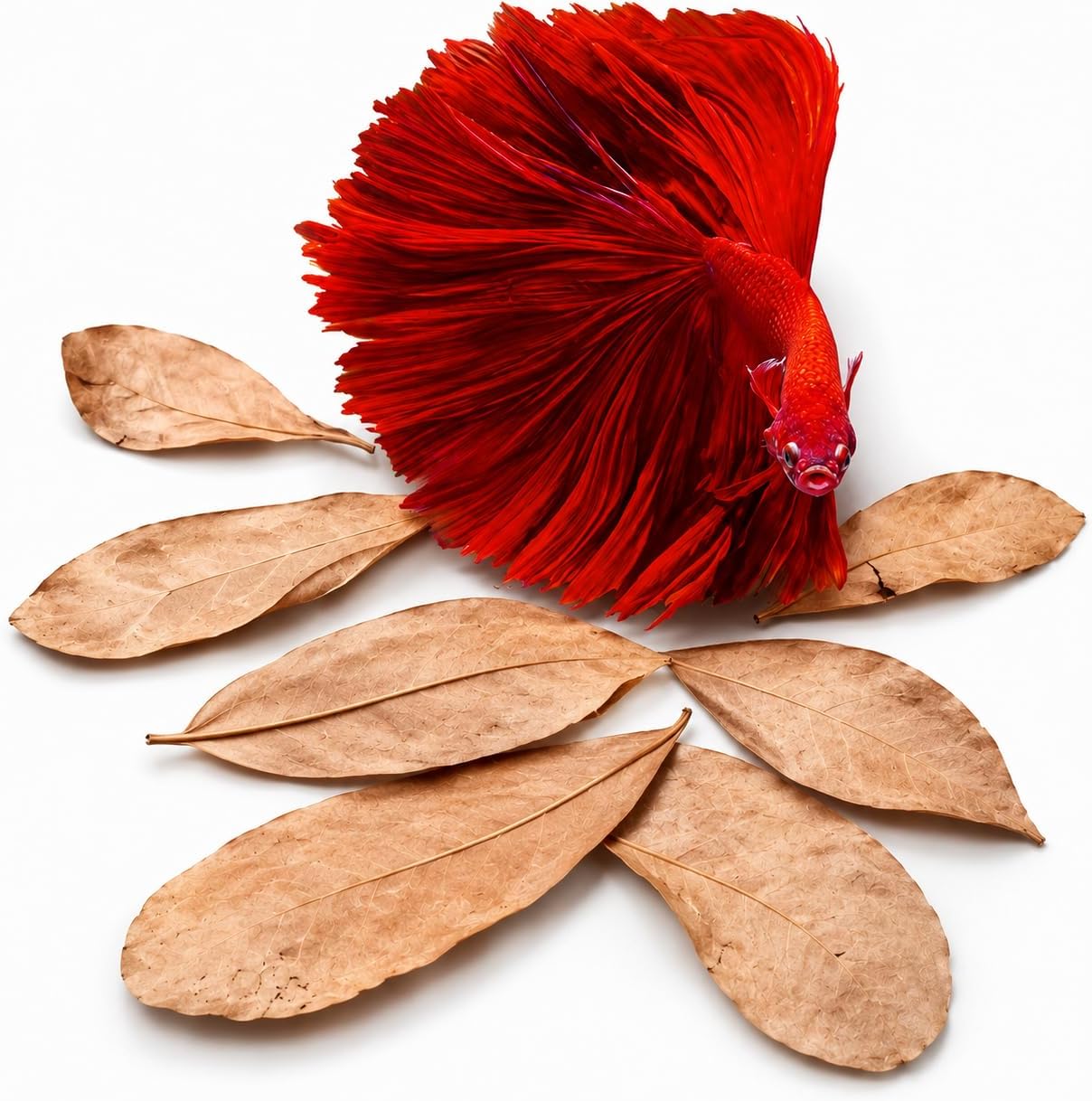
What Bigger Fish Can Live with Betta
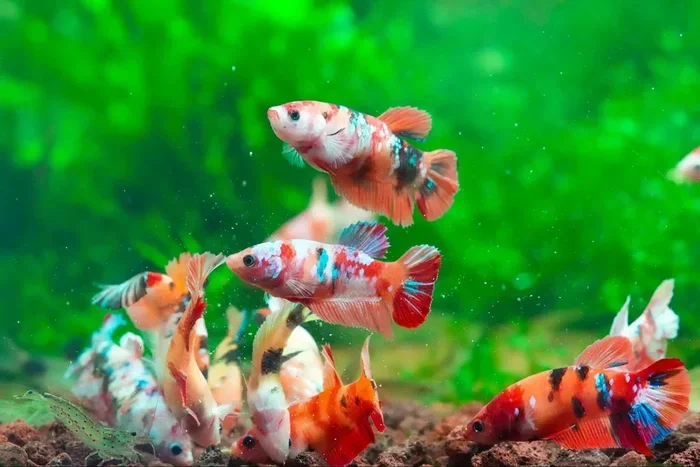
Bigger fish can live with betta, but choosing the right species matters a lot. Not every large fish is safe, and some can stress or harm your betta. In this guide, you will learn which bigger fish can live with betta peacefully, what tank setup works best, and the mistakes to avoid.
Bigger fish can live with betta, but picking the right species is the key to success. Many fish keepers assume that a larger tank mate means more trouble, but that is not always true. Some bigger fish are gentle giants that coexist beautifully with bettas. In this guide, you will discover which bigger fish can live with betta safely, how to set up the perfect tank, and what mistakes to avoid.
Choosing the right betta tank mates can transform your aquarium into a vibrant community. The wrong choice, however, can lead to stress, injury, or even death. This article covers the best options, the fish to avoid, and practical tips to keep everyone healthy and happy.
Whether you are a beginner or a seasoned aquarist, this guide gives you everything you need to know about housing larger fish with betta. Let us dive in and explore the best options for your underwater community.
Key Takeaways
- Choose peaceful species: Fish like angelfish, corydoras, and kuhli loaches make great betta tank mates because they are calm and non-threatening.
- Tank size is critical: A minimum of 20 gallons is needed for small bigger fish, while 55 gallons or more works best for medium and large species.
- Avoid aggressive and fin-nipping fish: Large cichlids, goldfish, and tiger barbs can harm your betta physically and mentally.
- Quarantine new fish first: Always isolate new arrivals for two to four weeks to protect your betta from disease and stress.
- Watch for warning signs: Clamped fins, loss of color, and hiding are signs your betta is stressed and needs immediate attention.
- Decorations matter: Plants, caves, and driftwood create hiding spots that reduce betta aggression and help fish feel safe.
- Patience pays off: Introduce fish slowly and observe behavior closely to build a thriving community tank with betta.
📑 Table of Contents
- Why Some Bigger Fish Work Well With Betta
- Best Bigger Fish That Can Live With Betta
- Fish to Avoid When Picking Bigger Tank Mates
- Tank Setup Requirements for Housing Bigger Fish With Betta
- How to Introduce Bigger Fish to Your Betta
- Common Mistakes When Keeping Bigger Fish With Betta
- Final Thoughts on Keeping Bigger Fish With Betta
Why Some Bigger Fish Work Well With Betta
Not all bigger fish are a bad match for bettas. In fact, some species bring energy and beauty to a community tank. The secret lies in understanding both your betta and the potential tank mate.
Understanding Betta Temperament
Betta fish are known for their betta territorial behavior. Male bettas, especially, can be aggressive toward fish that look similar or invade their space. However, many bettas are peaceful enough to coexist with the right companions. Female bettas tend to be less aggressive and often do better in groups.
The key is to observe your individual betta. Some bettas are calm and curious. Others are feisty and defensive. Knowing your fish helps you pick compatible fish for betta that match its personality.
What Makes a Fish a Good Match
When looking for betta fish companions, size is only one factor. Here are the qualities that make a fish a good match:
- Peaceful temperament — The fish should not be aggressive or fin-nippy.
- Similar water preferences — Bettas prefer warm, slightly acidic water between 76 and 82 degrees Fahrenheit, pH 6.5 to 7.5.
- Different swimming levels — Fish that stay at the top, middle, or bottom reduce territorial overlap.
- No bright colors or long fins — These can trigger your betta’s aggression.
- Schooling behavior — Fish that stay in groups are less likely to bother your betta.
Keeping these factors in mind helps you build a community tank with betta that thrives. The goal is a balanced environment where every fish has its own space and role.
Best Bigger Fish That Can Live With Betta
If you are wondering what bigger fish can live with betta, the answer is more options than you might think. Here are some of the best choices for a peaceful community aquarium.
Angelfish — The Graceful Giant
Angelfish can grow up to 6 inches tall and make stunning betta-friendly fish. They are relatively peaceful compared to other large species. Angelfish swim in the middle and upper levels of the tank, which reduces direct competition with your betta.
However, angelfish can become territorial during breeding. If you plan to keep them long-term, provide plenty of hiding spots. A tank of at least 55 gallons works well for one angelfish and one betta. Choose an angelfish that is not overly aggressive, and observe its behavior during the first few weeks.
Corydoras Catfish — Peaceful Bottom Dwellers
Bottom dwellers for betta tank setups like corydoras catfish are excellent companions. These small, armored fish stay at the bottom and mind their own business. They are peaceful, social, and fun to watch as they scurry around the substrate.
Corydoras come in several species, including bronze corys and peppered corys. They grow to about 2 to 3 inches, making them a safe size for a betta community. A group of six corys adds activity without stress. They also help clean leftover food from the tank floor.
Quick Tip: Always choose a non-aggressive tank mates species that stays busy at the bottom. This keeps your betta relaxed and your tank interesting.
Giant Danios — Fast and Active Companions
Giant danios are fast swimmers that occupy the upper and middle levels. Their speed and active nature make them less likely to bother a betta. They grow to about 4 to 5 inches, which qualifies them as larger fish with betta companions.
These fish need a school of at least five to feel secure. They do best in tanks of 55 gallons or more. Giant danios are hardy and adaptable, which makes them a great choice for beginners looking for peaceful fish for betta companions.
Interestingly, can male betta fish live with tetras is a related question many fish keepers ask. Giant danios share similar traits with tetras — they are fast, peaceful, and stay away from the betta’s territory.
Plecostomus — The Algae-Eating Sidekick
Plecostomus, or plecos, are popular betta tank mates for a reason. They are peaceful algae eaters that stay mostly at the bottom. Common bristlenose plecos grow to about 4 to 6 inches, making them a manageable size for most tanks.
Plecos are nocturnal, so they are most active at night. This means they rarely interact with your betta during the day. They help keep the tank clean by eating algae, which is a bonus for any aquarium owner.
Just make sure your tank has enough hiding places. Plecos need caves and driftwood to feel secure. A 50-gallon tank is the minimum recommended size for housing a pleco with a betta. This ensures enough space for both fish to thrive without conflict.
Kuhli Loaches — Eel-Like Oddballs
Kuhli loaches are quirky, eel-like fish that add character to any community tank with betta. They grow to about 3 to 4 inches and spend most of their time hiding in caves or under decorations.
These loaches are peaceful and shy. They come out at night to scavenge for food. Because they stay low and hidden, they rarely provoke betta aggression. A group of three to five kuhli loaches creates a fascinating display that is both calming and entertaining.
They prefer warm water and soft substrate, which aligns well with tank requirements for betta. This makes them a natural and low-conflict choice for your best tank mates for betta lineup.
Fish to Avoid When Picking Bigger Tank Mates
Knowing what to avoid is just as important as knowing what to choose. Some bigger fish can seriously harm your betta, and the results can be devastating.
Aggressive Species That Will Harm Your Betta
Large cichlids, such as Oscars and Jack Dempseys, are too aggressive for bettas. These fish are territorial and may see your betta as a threat or even a snack. Even if the cichlid is not hungry, its size and power can injure a betta quickly.
Another fish to avoid is the goldfish. Can my betta fish live with goldfish is a common question, but the answer is almost always no. Goldfish produce too much waste, grow too large, and prefer cooler water than bettas need. Mixing these two species is a recipe for disaster.
Fin Nippers to Steer Clear Of
Some fish may not be aggressive, but they nip at long fins. Bettas have beautiful, flowing fins that attract fin nippers. Fish like tiger barbs and some species of serpae tetras are notorious for this behavior.
Even if a fish is smaller than your betta, fin nipping causes stress and can lead to infections. Always research a fish’s temperament before adding it to your betta-friendly fish setup. Avoiding fin nippers is one of the most important steps in avoiding fin nippers and keeping your betta healthy.
Tank Setup Requirements for Housing Bigger Fish With Betta
A proper tank setup makes all the difference when housing bigger fish with betta. The wrong environment can trigger aggression and stress, even with peaceful species.
Minimum Tank Size
Size matters a lot when keeping fish size compatibility in mind. A larger tank gives every fish room to establish its own territory. Here are the minimum tank sizes for common setups:
- One betta plus one small bigger fish (corydoras, kuhli loach): 20 gallons
- One betta plus one medium bigger fish (giant danio, pleco): 55 gallons
- One betta plus one large bigger fish (angelfish): 55 gallons minimum, 75 gallons preferred
The general rule is: the bigger the fish, the bigger the tank. Never try to keep a large fish in a small tank with a betta. Overcrowding leads to aggression and poor water quality. A spacious tank is the foundation of a successful community tank with betta.
Water Parameters and Filtration
Bettas and their tank mates need stable water parameters for betta conditions. Here is what to aim for:
- Temperature: 76 to 82 degrees Fahrenheit (24 to 28 degrees Celsius)
- pH: 6.5 to 7.5
- Ammonia: 0 ppm
- Nitrite: 0 ppm
- Nitrate: Below 20 ppm
A good filter is essential. Bigger fish produce more waste, so choose a filter rated for a tank larger than yours. This keeps the water clean and reduces the risk of disease. Regular water changes of 25 percent per week also help maintain ideal conditions.
Decorating for Territory and Safety
Decorations play a big role in reducing conflict. Here are some tips for a well-designed tank:
- Use plants (real or silk) to create hiding spots and visual barriers.
- Add caves, driftwood, and rocks for shelter.
- Keep the substrate soft to protect bottom-dwelling fish.
- Avoid sharp decorations that can damage betta fins.
Good decoration not only looks great but also helps your fish feel safe. A well-decorated tank reduces betta aggression significantly. Plants like java fern and anubias are perfect because they are hardy and provide excellent cover.
How to Introduce Bigger Fish to Your Betta
Even with the right fish, the introduction process matters. A bad first impression can cause lasting problems in your community tank with betta.
The Quarantine Step
Before adding any new fish, quarantine it for two to four weeks. This protects your betta from diseases and parasites. During quarantine, observe the new fish for signs of illness, such as white spots, lethargy, or loss of appetite.
Quarantine also gives you time to adjust the new fish to your tank’s water parameters. This reduces shock when the fish finally enters the main tank. A separate quarantine tank does not need to be large — 10 gallons is usually sufficient.
The Introduction Process
Follow these steps for a smooth and safe introduction:
- Feed both fish before the introduction. Full fish are less likely to be aggressive.
- Place the new fish in a clear container inside the main tank for 15 to 30 minutes. This lets them see each other without physical contact.
- Release the new fish near the opposite end of the tank from your betta.
- Watch closely for the first 30 minutes. Look for flaring, chasing, or hiding.
- Have a backup plan. If things go badly, be ready to separate the fish immediately.
If you are unsure about compatibility, you can also explore what fish can live with betta fish for more guidance on pairing species. Taking it slow is always better than rushing the process.
Common Mistakes When Keeping Bigger Fish With Betta
Even experienced fish keepers make mistakes. Here are the most common ones to avoid when adding larger fish with betta to your aquarium.
Overcrowding the Tank
One of the biggest mistakes is adding too many fish. A crowded tank increases waste, raises stress levels, and triggers aggression. Stick to the recommended tank sizes and do not overstock.
Remember that bigger fish need more space than bettas. Always account for the adult size of your tank mate, not just its size at purchase. A fish that is 2 inches at the store can grow to 6 inches in your home tank.
Ignoring Early Warning Signs
Watch for signs of stress in your betta after adding a new fish. These include:
- Clamped fins
- Loss of color
- Refusing food
- Hiding constantly
- Flaring at the new tank mate
If you notice any of these signs, separate the fish immediately. Do not wait for the problem to get worse. Early action saves lives and prevents long-term trauma to your betta.
Final Thoughts on Keeping Bigger Fish With Betta
So, can bigger fish live with betta? Yes, they can — and many of them make wonderful companions. The key is choosing peaceful species, providing enough space, and monitoring your fish closely.
Start with one new tank mate and observe how your betta reacts before adding more. Patience is your best tool when building a community tank with betta. Every fish has its own personality, and finding the right match takes time and observation.
With the right setup and a little care, your aquarium can become a thriving, beautiful home for your betta and its aquarium companions for betta. Enjoy the journey and happy fish keeping.
Frequently Asked Questions
Can a betta live with a goldfish?
No, bettas and goldfish are not compatible. Goldfish need cooler water and produce far more waste than bettas can tolerate. Keeping them together leads to stress and health problems for both fish.
What is the best bigger fish for a betta tank?
Corydoras catfish, kuhli loaches, and bristlenose plecos are among the best betta tank mates. They are peaceful, stay at the bottom, and do not threaten your betta’s territory or fins.
How big of a tank do I need for a betta and bigger fish?
A minimum of 20 gallons works for small companions, but 55 gallons is ideal for most setups with larger fish with betta. Always research the adult size of each fish and plan accordingly.
Will my betta attack bigger fish?
Bettas may flare or chase fish that enter their territory, but actual attacks are less common with peaceful species. Choose non-aggressive tank mates and provide plenty of hiding spots to minimize conflict.
Can female bettas live with bigger fish?
Yes, female bettas are generally less aggressive than males and often do better with compatible fish for betta. However, every fish is different, so observe behavior closely during the first few weeks.
How do I know if my betta is stressed with a new tank mate?
Look for clamped fins, loss of color, refusing food, or constant hiding. These are clear signs of stress. If you notice them, separate the fish and reassess the pairing before trying again.