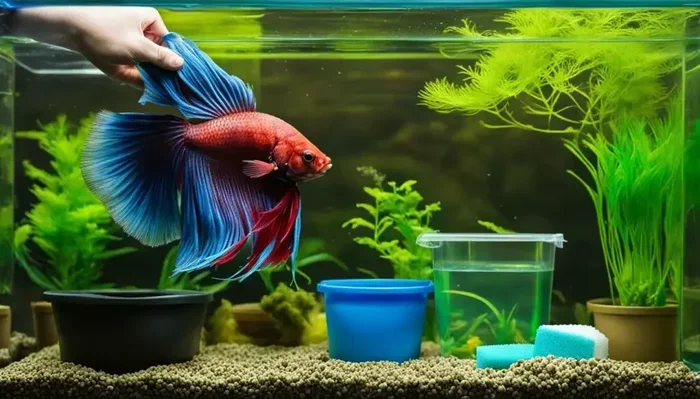
What Betta Fish Kill Each Other
So, what betta fish kill each other? The short answer is yes — male bettas are highly territorial and will often fight to the death. Female bettas can also be aggressive, especially in small tanks. Understanding the real reasons behind this behavior, including territory, hormones, and stress, is the first step to keeping your fish safe.
It is a question many new fish owners ask: what betta fish kill each other. The answer might surprise you. Yes, betta fish — especially males — can and do kill each other. This is not rare. It is actually one of the most common problems in the aquarium hobby. If you own bettas or are thinking about getting them, understanding this behavior is essential. You need to know why it happens, what triggers it, and how to prevent it.
Betta fish are also called Siamese fighting fish for a reason. They were bred for centuries in Southeast Asia specifically for their aggressive nature. People would put two males together and watch them fight for entertainment. That genetic instinct is still very much alive in every betta you buy today. Even though they are beautiful and popular pets, their fighting nature does not go away. What betta fish kill each other is not a myth. It is a real and serious concern for any fish keeper.
But here is the good news. With the right knowledge and setup, you can prevent deadly fights. You can keep multiple bettas safely. You can even house bettas with other fish species. It all starts with understanding why betta fish fight each other and what drives their aggression. Let us dive deep into this topic and give you everything you need to know.
Key Takeaways
- Male betta fish are natural fighters: Their aggression is deeply wired, and housing two males together almost always ends badly.
- Female bettas can also be deadly: While less aggressive than males, females still fight — especially in cramped spaces.
- Tank size and setup matter enormously: A lack of hiding spots and territory triggers violent confrontations.
- Stress and poor water conditions fuel aggression: Dirty water and wrong temperatures make bettas more likely to attack.
- Knowing the signs early saves lives: Fin flaring, chasing, and nipping are warning signals you should never ignore.
- Tank mates can help or hurt: Choosing the right companions reduces aggression and creates a peaceful aquarium.
📑 Table of Contents
Why Do Betta Fish Kill Each Other?
The root cause of betta aggression comes down to biology. Betta fish are territorial by nature. They claim spaces in the wild and defend them fiercely. When two bettas are placed in the same environment, one sees the other as a threat. This triggers a fight response that can escalate quickly.
Territorial Instincts
In the wild, bettas live in shallow rice paddies, streams, and flooded fields. Each male claims a small territory. If another male enters that space, the resident fish attacks. This behavior has been shaped over thousands of years of evolution. Male betta fish kill each other because they cannot back down. In the wild, showing weakness means losing territory or even dying. So they fight until one gives up or is too injured to continue.
In a home aquarium, the problem is worse. There is no escape. Both fish are trapped in a small glass box. The losing fish has nowhere to retreat. This leads to constant stress and eventually death. Even if the winner does not kill the loser outright, the stress weakens its immune system. The loser may die from infections or exhaustion days later.
Hormonal Triggers
Betta fish produce hormones that increase aggression, especially in males. The hormone called androgen plays a big role. It spikes during breeding season or when a male senses a rival. This hormonal surge makes bettas more alert, more reactive, and more likely to attack. Even mirrors in the tank can trigger this response. The fish sees its own reflection and thinks it is a rival.
Over time, constant exposure to these triggers wears the fish down. Chronic stress leads to disease. A stressed betta stops eating. Its colors fade. Its fins deteriorate. In a worst case scenario with another betta nearby, the outcome is fatal.
What Betta Fish Kill Each Other — The Gender Factor
Not all bettas are equally dangerous. The level of aggression depends heavily on gender. Let us break this down.
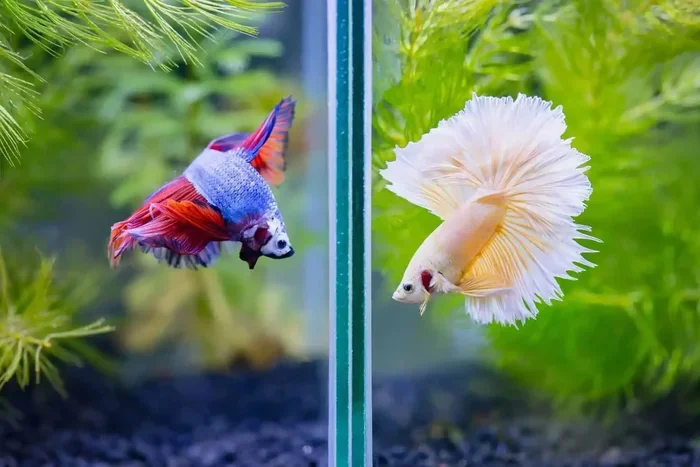
Will male betta fish kill each other? Almost always, yes. Two males should never share a tank. It is not a matter of if they will fight. It is a matter of when. Some owners try to keep two males in one tank using dividers. This can work if the divider is solid and opaque. But even then, the fish may flare and stress each other through the barrier.
Will female betta fish kill each other? Female bettas are less aggressive than males, but they are not peaceful. A group of females, called a sorority, can live together under the right conditions. However, even in a sorority, there is a pecking order. Dominant females may bully or even kill weaker ones. A tank that is too small or lacks hiding places makes this much worse.
Will a male and female betta fish kill each other? This is tricky. Some owners keep one male and one female together successfully. But it is risky. During breeding, the male may become aggressive toward the female. After spawning, some males become territorial and attack the female. It requires careful monitoring and a well-planned setup.
Signs Your Betta Fish Are Fighting
Catching aggression early is the key to preventing deaths. Betta fish give clear warning signs before a fight turns deadly. If you know what to look for, you can intervene before things get out of hand.
Fin Flaring
Fin flaring is when a betta spreads its gills and fins wide to look bigger. It is a display of dominance. Occasional flaring is normal. But if your fish flares constantly at another fish, that is a red flag. Constant flaring causes stress and exhaustion.
Chasing Behavior
If one betta relentlessly chases another around the tank, something is wrong. This is not play. It is a power struggle. The chasing fish wants to establish control over the entire tank. The fish being chased is living in constant fear. Over time, this leads to weight loss, faded colors, and illness.
Biting and Nipping
Biting fins is one of the most damaging behaviors. Betta fish may nip at each other’s fins during a dispute. This causes physical injuries that can become infected. Fin rot can set in quickly in a stressed fish. If you notice torn or ragged fins, check whether another fish is the cause.
Color Changes
A stressed betta often loses its vibrant color. The stripes or vertical bars may appear on its body. This is called “stress striping.” If you see this along with other signs, your fish is under serious pressure.
Can Betta Fish Live Next to Each Other Safely?
The short answer is: it depends. Can betta fish live next to each other without killing each other? Yes, but only under very specific conditions. It is not something you should try on a whim. You need the right setup, the right fish, and a backup plan.
Many people ask do betta fish get along with each other. The honest answer is that some do and some do not. Every betta has its own personality. Some are calmer than others. Some are naturally more aggressive. You cannot predict behavior just by looking at a fish. But you can control the environment to reduce the risk.
The most important factor is tank size. A small tank leaves no room for fish to establish separate territories. A larger tank with plenty of visual barriers gives each fish its own space. Plants, caves, and decorations act as natural dividers. They break up sight lines and reduce the urge to fight.
Another critical factor is the ratio of males to females. Keeping one male with multiple females can distribute aggression. The male’s attention is spread across several fish instead of fixating on one. But this requires a tank of at least 20 gallons. Anything smaller is a recipe for disaster.
Quick Tips for Keeping Multiple Bettas
- Use a tank of at least 20 gallons for a sorority or mixed group.
- Add plenty of live plants and decorations to break up lines of sight.
- Never keep two intact males in the same tank.
- Monitor behavior daily and remove aggressive fish immediately.
- Keep the water clean and at the right temperature (78-80°F).
- Feed enough so no fish goes hungry, which reduces competition.
Common Mistakes That Lead to Betta Fish Deaths
Most people who lose fish to aggression did not do it on purpose. They made common mistakes that any beginner can avoid. Here is what goes wrong more often than not.
Too Small a Tank
Many beginners keep bettas in bowls or tanks under 5 gallons. This is cruel and dangerous. A tiny space means no territory. Two fish in a 3-gallon tank will fight constantly. There is nowhere to hide. Every encounter is a confrontation. Do betta fish fight each other more in small tanks? Absolutely. Space is the single most important factor in reducing aggression.
Wrong Tank Mates
Adding the wrong companions to a betta tank can trigger fights. Fish with bright colors or long fins may be mistaken for rival bettas. Fish that are too nippy or territorial can provoke your betta into attacking. Always research any fish before adding it to the tank. If you are unsure, look up what other fish can you put with betta to find safe options.
Ignoring Early Warning Signs
Many owners see flaring or chasing and think it is normal. They ignore it until it is too late. By the time one fish is visibly injured, the damage may already be done. Regular observation is essential. Watch your fish every day. Learn their normal behavior so you can spot changes quickly.
Poor Water Quality
Dirty water does not just cause disease. It causes stress. Stressed fish are aggressive fish. Ammonia and nitrite spikes in the tank make every fish irritable. Regular water changes and proper filtration are non-negotiable. Test your water weekly and keep parameters stable.
Expert Insights on Betta Aggression
Experienced fish keepers and aquarists have studied betta behavior for decades. Their advice can save your fish. Here are some insights that every betta owner should know.
Dr. Joanne Carey, aquatic behaviorist: “Betta aggression is not random. It is a calculated response to perceived threats. Understanding what triggers that response is the key to managing it. Most fights can be prevented with proper tank design and careful selection of tank mates.”
Marc Weiss, professional aquarist: “I have kept bettas for over 15 years. The biggest mistake I see is people thinking bettas are lonely. A single betta does just fine alone. You do not need to house them with other fish unless your setup is right for it.”
These experts agree on one thing: preparation prevents tragedy. Do your research before you buy. Set up the right environment from day one. And never be afraid to separate fish if things go wrong.
How to Stop Betta Fish From Killing Each Other
If you already have aggression in your tank, do not panic. There are steps you can take right now to protect your fish.
Separate Immediately
The fastest solution is to move one fish to a different tank. Use a clear divider or a separate hospital tank. This stops the fighting immediately and gives both fish time to calm down. Even if you plan to reunite them later, separation first is always the right call.
Redesign the Tank
Sometimes aggression comes from the environment itself. Rearrange the decorations. Add more plants. Create new territories. This resets the tank dynamics and can reduce tension. Fish that have established a “hot spot” may calm down when that space is disrupted.
Reduce Visual Triggers
If your tank is near a window or another aquarium, your betta may see other fish and flare constantly. Move the tank to a quieter spot. Block the view if needed. Reducing visual triggers lowers the baseline aggression level.
Add Dither Fish
Dither fish are calm, non-aggressive species that help reduce betta tension. They signal to the betta that the environment is safe. Good dither fish include tetras and rasboras. Just make sure they are not fin nippers, which can provoke your betta.
Conclusion
What betta fish kill each other is a question with a clear and serious answer. Male bettas will fight to the death when housed together. Females can also be deadly in the wrong setup. But this does not mean you cannot keep bettas at all. With the right knowledge, the right tank, and the right tank mates, you can create a peaceful aquarium.
The key is prevention. Understand your fish’s natural behavior. Provide enough space. Watch for signs of aggression early. And never be afraid to separate fish when needed. Every betta deserves a safe and healthy home. By taking these steps, you give your fish the best chance at a long and happy life.
Remember that why betta fish fight each other comes down to territory, hormones, and stress. Control those three things, and you control the aggression. Your fish will thank you for it. Take what you have learned here today and put it into action. Your bettas will live better, and you will become a more confident and knowledgeable fish owner.
Frequently Asked Questions
Do all betta fish kill each other?
No, not all betta fish kill each other. Male bettas are the most likely to fight fatally. Female bettas can also be aggressive but are generally less deadly. With the right tank setup and tank mates, many bettas live peacefully together.
Can betta fish kill other fish besides bettas?
Yes, betta fish can kill other fish too. They may attack fish with bright colors or long fins that resemble bettas. They may also harass smaller or slower fish. Choosing peaceful, appropriate tank mates is essential for a safe community tank.
Why do betta fish hate each other?
Betta fish do not technically “hate” each other. Their aggression is driven by territorial instincts and hormonal responses. When two bettas are in close quarters, each sees the other as a rival competing for space and resources. This triggers a natural fight-or-flight response that can turn deadly.
Will betta fish eat each other?
Betta fish are not typically cannibalistic. However, a weakened or dead fish may be eaten by its tank mate. This is not out of aggression but rather opportunistic feeding behavior. Keeping injured fish separated prevents this tragic outcome.
How long does it take for betta fish to kill each other?
A fight can turn fatal within hours. Some battles end quickly with one fish backing down. But if neither fish retreats, injuries accumulate fast. A fish may die within 24 to 48 hours from wounds, stress, or infection after a serious fight.
Can you keep a male and female betta together without them killing each other?
It is possible but risky. A large tank with plenty of hiding spots and plants gives both fish space to retreat. You should also monitor them closely during breeding periods. Have a backup plan to separate them if aggression escalates. Not every male-female pair will work out safely.