What a Pregnant Betta Fish Looks Like
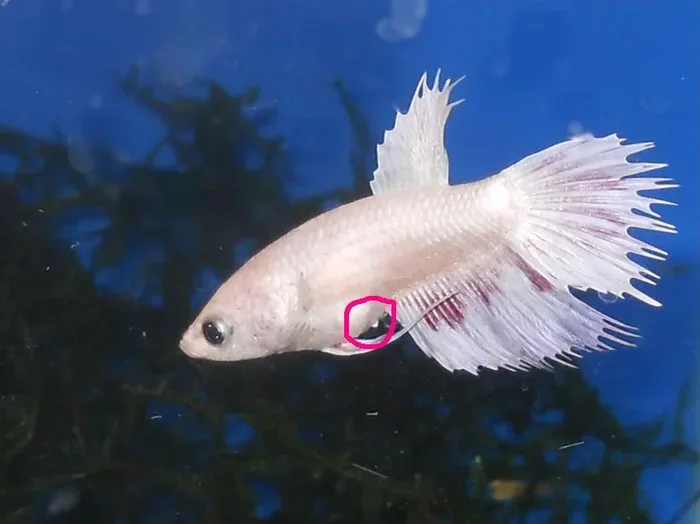
A pregnant betta fish develops a visible white dot near her vent, her belly becomes rounder and larger, and she may show nesting behavior. Understanding these signs helps you provide the right care during this critical stage.
Have you ever noticed your betta fish looking a little rounder than usual and wondered if she might be pregnant? It is a common question among fish keepers, and the answer is more fascinating than you might think. What a pregnant betta fish looks like involves several distinct physical and behavioral changes that are easy to spot once you know what to look for.
Whether you are a beginner or a seasoned aquarist, recognizing the signs of a pregnant betta fish helps you provide the best care possible. From a swollen belly to nesting behavior, your fish gives you clear clues. In this guide, we walk you through every stage of betta fish pregnancy, so you feel confident and prepared.
Key Takeaways
- Physical changes: A pregnant betta fish shows a rounder belly, a white ovipositor dot, and darker coloring near the abdomen.
- Behavioral signs: She may build bubble nests, become more territorial, or show increased appetite before releasing eggs.
- Gestation period: Betta fish pregnancy lasts about 24 to 48 hours after spawning, with eggs hatching inside the bubble nest.
- Proper care: Maintaining the right water temperature, tank conditions, and diet is essential for a healthy pregnant betta.
- Post-spawning care: Separating the male after egg release and providing appropriate tank mates or a solo setup helps the fish recover.
- Not all bloating is pregnancy: Distinguishing between a pregnant betta and a sick betta prevents misdiagnosis and improper treatment.
📑 Table of Contents
- Understanding Betta Fish Pregnancy Basics
- Physical Signs of a Pregnant Betta Fish
- Behavioral Signs Your Betta Fish Is Pregnant
- How to Confirm Your Betta Fish Is Pregnant
- Caring for a Pregnant Betta Fish
- What Happens After the Eggs Are Released
- Common Mistakes to Avoid
- Frequently Asked Questions About Pregnant Betta Fish
- Final Thoughts
Understanding Betta Fish Pregnancy Basics
Before diving into what a pregnant betta fish looks like, it helps to understand how betta fish reproduce. Unlike mammals, bettas do not carry live young. Instead, the female releases eggs, and the male fertilizes them externally. The male then collects the eggs and places them in a bubble nest he builds at the surface of the water.
This process is called betta fish breeding, and it is one of the most rewarding experiences for fish keepers. Knowing the basics of betta fish reproduction sets the stage for understanding every physical change your fish goes through. Let us break it down step by step.
The Spawning Process
During spawning, the female betta releases eggs from her ovipositor, a small tube located near her vent. The male fertilizes the eggs immediately and gathers them in his mouth to place into the bubble nest. A single spawning session can produce anywhere from 10 to 500 eggs, depending on the size and health of the female.
After spawning, the female is no longer technically pregnant. She has released her eggs. However, the physical signs of carrying eggs are still visible for several days. This is why many fish keepers refer to a gravid betta fish as pregnant, even though the process works differently than in mammals.
Physical Signs of a Pregnant Betta Fish
The most obvious changes in what a pregnant betta fish looks like happen to her body. These physical signs are your first clue that something is going on. Let us explore each one in detail.
Swollen or Rounded Belly
The most recognizable sign is a noticeably rounder belly. A healthy pregnant betta fish will have a plump, rounded abdomen that looks fuller than usual. The swelling should appear symmetrical, not lopsided. If the belly looks uneven or extremely distended, it could be a sign of illness rather than pregnancy.
A good way to tell the difference is by observing your fish over several days. A pregnant betta fish belly grows gradually, while bloating from disease tends to appear suddenly. You can also check if your fish still has a healthy appetite, which points toward pregnancy rather than illness.
The White Dot (Ovipositor)
Look closely at the underside of your betta fish near her vent. A pregnant betta fish often displays a small white dot or tube. This is called the ovipositor, and it is where the eggs will exit the body. This tiny white speck is one of the most reliable indicators that your female betta is carrying eggs.
If you cannot see the white dot clearly, try dimming the lights and viewing your fish from below. The ovipositor is small but visible once you know where to look. This feature alone is a strong clue about what a pregnant betta fish looks like from a close-up view.
Color Changes and Darkening
Many female bettas develop darker coloring near the belly area when they are carrying eggs. This vertical striping or dark patch is sometimes called “breeding bars.” The color change results from increased blood flow and hormonal shifts during the egg development stage.
Some fish also appear slightly paler overall. These color shifts are completely normal and temporary. Once the eggs are released, the coloring returns to its usual shade within a few days. If you have been comparing your fish to photos of what do betta fish look like in standard references, the pregnancy changes can be surprising at first.
Behavioral Signs Your Betta Fish Is Pregnant
Physical changes tell only part of the story. Your betta fish also shows clear behavioral signs when she is carrying eggs. Watching for these behaviors gives you a complete picture of what a pregnant betta fish looks like in action.
Bubble Nest Building
One of the most interesting behaviors is bubble nest building. While the male betta typically builds the nest, a pregnant female may show increased interest in the surface of the water. She might inspect the nest or even help arrange bubbles. This behavior signals that spawning is approaching.
Bubble nests look like clusters of small bubbles stuck together at the water surface. They can range from a few bubbles to a large, dense mat. If you notice your betta fish spending more time near the surface, a bubble nest may be forming. This is an exciting sign that your fish are ready to breed.
Increased Appetite
A pregnant betta fish often eats more than usual. Her body needs extra energy to develop and carry the eggs. You may notice your fish begging for food more frequently or eating with more enthusiasm during feeding time.
This is a great time to offer high-quality food. A balanced diet rich in protein supports healthy egg development. Consider offering what to feed a betta fish such as brine shrimp, daphnia, or high-protein pellets. Just be careful not to overfeed, as excess food can foul the water quickly.
Restlessness and Nesting Behavior
In the days leading up to spawning, a pregnant female betta may appear restless. She might swim more frequently near the surface or explore the top of the tank. Some females also become more territorial, flaring at their reflection or other fish nearby.
This behavior is driven by hormonal changes and the natural urge to find a suitable spawning site. Providing plenty of hiding spots and gentle water flow helps your fish feel secure during this time. A calm environment supports healthy egg production and reduces stress.
How to Confirm Your Betta Fish Is Pregnant
Sometimes the signs can be subtle, especially in first-time owners. Here are practical ways to confirm that your betta fish is indeed pregnant and carrying eggs.
Visual Inspection Checklist
- Rounded belly: The abdomen looks plump and symmetrical.
- White ovipositor dot: A small white tube or dot is visible near the vent.
- Breeding bars: Dark vertical lines or patches appear on the belly.
- Increased appetite: The fish shows more interest in food than usual.
- Bubble nest activity: The fish spends time near the surface or inspects the nest.
If you check off most of these signs, your betta is very likely carrying eggs. Comparing your fish to images of a pregnant betta fish online can also help you confirm your observations. Trust your instincts as a fish keeper, and when in doubt, observe your fish over several days for consistent patterns.
When to Consult a Vet or Expert
If the belly appears extremely swollen, lopsided, or accompanied by other symptoms like lethargy or loss of color, your fish may be sick rather than pregnant. Conditions like dropsy, constipation, or swim bladder disease can mimic the appearance of pregnancy. In these cases, consulting an aquatic veterinarian or experienced fish keeper is the best step.
Quick tip: Always compare the symptoms carefully. A sick betta fish often shows additional warning signs like clamped fins, rapid breathing, or refusal to eat. A pregnant betta fish generally remains active and maintains a healthy appetite. Use this distinction to guide your next steps.
Caring for a Pregnant Betta Fish
Once you have confirmed that your betta fish is pregnant, proper care becomes your top priority. The right environment, diet, and tank conditions make a huge difference in the health of both the female and the upcoming fry.
Optimal Water Temperature
Maintaining the right water temperature for a betta fish is critical during the breeding and egg development stages. The ideal range is between 78 and 80 degrees Fahrenheit (25 to 27 degrees Celsius). This temperature range supports healthy egg development and encourages natural spawning behavior.
Use a reliable aquarium heater with a thermostat to keep the temperature stable. Sudden temperature drops or spikes can stress your fish and disrupt the breeding process. If you are unsure about your current setup, check our guide on what is the best temperature for a betta fish tank for detailed recommendations.
Tank Setup and Conditions
A pregnant betta fish needs a clean, well-maintained tank. Perform regular water changes of about 20 to 25 percent each week to keep ammonia and nitrite levels at zero. Use a gentle filter to avoid strong currents that can tire out a pregnant fish.
Adding live plants and soft lighting creates a calming environment. Avoid sharp decorations or rough gravel that could injure your fish. The tank should be at least 5 gallons for a single female betta, and larger if you plan to keep breeding pairs together temporarily.
Diet and Nutrition
A high-quality diet plays a vital role in supporting egg development. Feed your pregnant betta fish a mix of protein-rich foods such as bloodworms, brine shrimp, and specially formulated betta pellets. Offer small portions two to three times a day rather than one large feeding.
Variety in the diet ensures your fish receives all the nutrients she needs. You can also supplement with frozen or live foods to boost nutrition. For more ideas on feeding, check out what to feed a betta fish for a comprehensive guide on the best food options.
What Happens After the Eggs Are Released
Once the female betta releases her eggs, the male takes over. He collects the eggs in his mouth and places them carefully into the bubble nest. During this post-spawning phase, it is important to remove the female from the tank to prevent her from eating the eggs or being harmed by the male.
The male will guard the bubble nest and the developing eggs for about 24 to 48 hours. During this time, he may appear aggressive as he protects his nest. After the eggs hatch, the fry will fall from the nest and begin their free-swimming stage. At this point, the male should also be removed to prevent him from eating the fry.
Raising betta fry requires a separate tank with very fine food such as infusoria or baby brine shrimp. The early weeks of a fry’s life are delicate, but with proper care, many survive to become healthy juveniles. For tips on compatible companions, explore what fish can live with a betta fish to plan your tank setup.
Common Mistakes to Avoid
Even experienced fish keepers sometimes make mistakes when caring for a pregnant betta fish. Here are the most common pitfalls and how to avoid them.
- Misidentifying bloating as pregnancy: Not every swollen belly means pregnancy. Always check for the ovipositor dot and behavioral signs before assuming your fish is pregnant.
- Overfeeding during pregnancy: While a pregnant betta needs extra nutrition, overfeeding leads to water quality problems and obesity. Stick to small, frequent meals.
- Ignoring water quality: Poor water conditions stress pregnant fish and can lead to egg loss or infection. Test your water parameters regularly.
- Keeping the female with the male after spawning: The male may become aggressive toward the female once the eggs are in the nest. Remove the female promptly after spawning.
- Using the wrong tank size: A too-small tank concentrates waste and raises stress levels. Provide adequate space for your breeding pair or solo pregnant fish.
Avoiding these mistakes keeps your fish healthy and increases the chances of a successful breeding experience. Each step you take matters when it comes to caring for a pregnant betta fish.
Frequently Asked Questions About Pregnant Betta Fish
How long is a betta fish pregnant?
Betta fish are not pregnant in the traditional sense. The female carries eggs internally for about 1 to 2 weeks before spawning. Once she releases the eggs, the male fertilizes them and places them in a bubble nest. The entire process from egg development to hatching takes about 3 to 5 days after spawning.
Can a male betta fish look pregnant?
No, male betta fish do not carry eggs. Only females develop the physical signs of pregnancy, such as a rounder belly and a visible ovipositor. Males may look bloated if they are sick or constipated, but this is not related to pregnancy.
How many eggs does a betta fish lay at once?
A healthy female betta fish can lay anywhere from 10 to 500 eggs in a single spawning session. The number depends on her age, size, and overall health. Younger, larger females tend to produce more eggs than older or smaller ones.
Should I separate a pregnant betta fish from other fish?
Yes, it is best to separate a pregnant female betta from other fish, especially males, once she shows signs of carrying eggs. This reduces stress and prevents aggression. A separate breeding tank with stable water temperature and gentle filtration provides the ideal environment for spawning.
What should I feed a pregnant betta fish?
Offer a high-protein diet including brine shrimp, bloodworms, daphnia, and quality betta pellets. Feed small amounts two to three times a day to support healthy egg development without overloading the tank with waste. A varied diet keeps your pregnant betta healthy and energized.
How do I know if my betta fish is sick and not pregnant?
A sick betta fish often shows symptoms like clamped fins, rapid breathing, loss of appetite, white spots, or a lopsided belly. A pregnant betta fish, on the other hand, maintains a healthy appetite, symmetrical belly swelling, and visible breeding bars. When in doubt, consult an aquatic specialist for a proper diagnosis.
Final Thoughts
Understanding what a pregnant betta fish looks like empowers you to provide better care for your fish during one of the most important stages of her life. From the rounded belly and white ovipositor dot to the behavioral changes like bubble nest building and increased appetite, every sign tells a story. Recognizing these signs early helps you prepare the right tank setup, diet, and environment for a successful breeding experience.
Whether you are a hobbyist looking to breed bettas for the first time or simply want to understand your fish better, the knowledge you gain from this guide puts you ahead. Pay close attention to your fish, keep the water clean and warm, and offer nutritious food. Your pregnant betta fish will thank you with healthy eggs and, eventually, a new generation of beautiful fry.
Remember, every betta fish is unique, and not every female will show all the signs at the same intensity. Patience, observation, and a little research go a long way. Enjoy the journey of caring for your pregnant betta fish, and celebrate the rewarding experience of bringing new life into your aquarium.