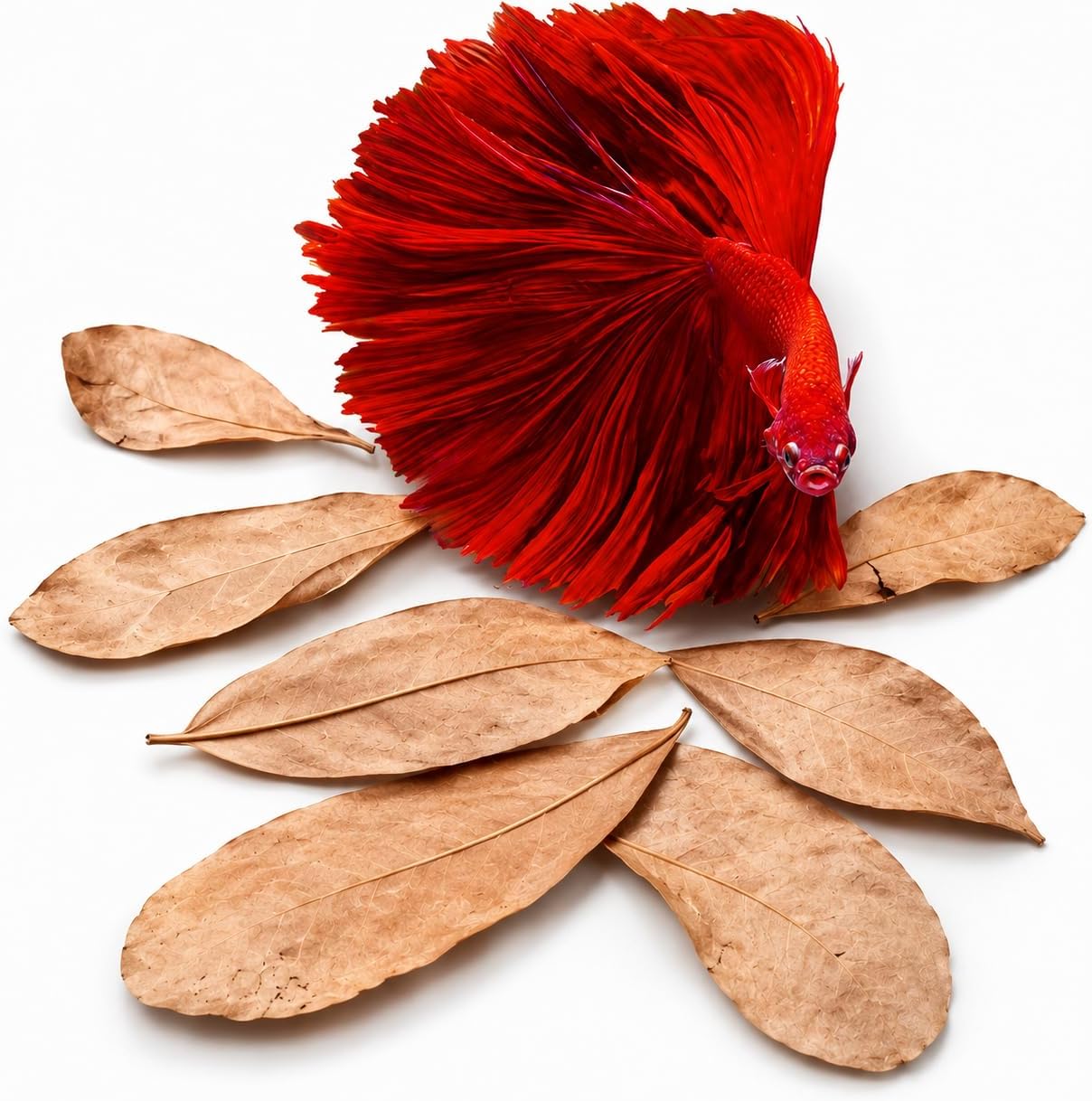
Should You Feed Your Betta Fish Everyday
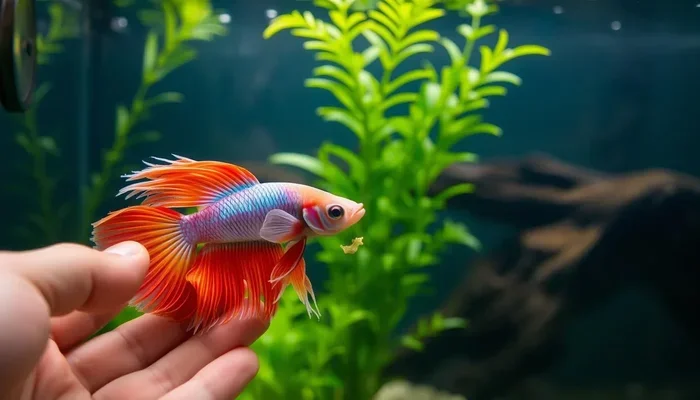
So, should you feed your betta fish everyday? The short answer is no — most experts recommend feeding adult bettas once or twice a day, not every single day without breaks. Overfeeding is one of the biggest dangers for betta fish, leading to bloating, constipation, and poor water quality. A proper betta fish feeding schedule with the right portion sizes keeps your fish healthy, active, and living a longer life.
You love your betta fish. You watch it glide through the water every morning, and you want to make sure it stays healthy and vibrant. One of the first questions new betta owners ask is, should you feed your betta fish everyday? It seems like a simple question, but the answer is more nuanced than you might think.
Many beginners assume that feeding their fish daily is the right thing to do. After all, we eat every day, so shouldn’t our fish? The truth is that overfeeding is one of the leading causes of betta fish health problems. In fact, most aquarium experts agree that a proper betta fish feeding schedule matters just as much as the food itself. In this guide, we’ll break down exactly how often, how much, and what to feed your betta so it lives a long, happy life.
Key Takeaways
- Feeding betta fish everyday is not recommended: Adult bettas thrive on a once or twice daily feeding routine with occasional fasting days.
- Overfeeding causes serious health problems: Bloating, constipation, and swim bladder issues are common results of feeding too much.
- The right portion size matters: A betta’s stomach is tiny — about the size of its eye — so small portions are key.
- Fasting days help digestion: Skipping one day per week gives your betta’s digestive system a chance to reset.
- High-quality food makes a difference: Pellets, frozen bloodworms, and occasional treats like brine shrimp provide balanced nutrition.
- Watch for hunger cues: A healthy betta shows interest in food but doesn’t act desperate or aggressive at feeding time.
📑 Table of Contents
- Should You Feed Your Betta Fish Everyday?
- What Happens When You Overfeed Your Betta Fish?
- The Right Feeding Schedule for Your Betta
- Signs You Are Overfeeding Your Betta Fish
- What Happens If You Underfeed Your Betta?
- Best Foods for Your Betta Fish
- How to Create a Feeding Routine That Works
- Common Mistakes to Avoid
- Final Thoughts
Should You Feed Your Betta Fish Everyday?
The quick answer is no — not in the way most people think. When we say “everyday,” we often mean multiple times a day without any breaks. That is not ideal for betta fish. Adult bettas do well with one to two small feedings per day. Some owners also choose to skip a day entirely to help their fish digest food properly.
Here is the key thing to understand. A betta fish’s stomach is roughly the size of its eyeball. That means it cannot hold a lot of food at once. When you feed your betta too much or too frequently, the excess food sits in the tank, rots, and releases harmful toxins into the water. This creates a vicious cycle of poor water quality and health issues for your fish.
So if you have been wondering, can you feed betta fish everyday, the honest answer is yes — but with strict limits on portion size and frequency. Think of it less as “everyday” and more as “a consistent daily routine with the right amount.”
What Happens When You Overfeed Your Betta Fish?
Overfeeding is the number one mistake betta fish owners make. It is easy to do because bettas are enthusiastic eaters. They will often beg for food even when they are full. But giving in to those big, pleading eyes can cause real damage.
Bloating and Constipation
When a betta eats more than its tiny stomach can handle, food expands inside the digestive tract. This leads to bloating, which makes swimming difficult and uncomfortable. Constipation is another common result. A constipated betta may stop eating, become lethargic, or develop a swollen belly that does not go away.
Swim Bladder Problems
The swim bladder is an organ that helps bettas control their buoyancy. Overfeeding can put pressure on this organ, causing the fish to float upside down, sink to the bottom, or struggle to stay upright. Swim bladder disease is often linked directly to eating too much or too quickly.
Poor Water Quality
Uneaten food decays rapidly in warm water. As it breaks down, it releases ammonia and nitrites — both of which are toxic to fish. Even if your betta feels fine, dirty water from overfeeding can stress its immune system and make it vulnerable to diseases like fin rot and ich.
If you have been overfeeding in the past, do not panic. Start adjusting your routine today. A good rule of thumb is to feed only what your betta can consume in two minutes. Anything left over should be removed immediately.
The Right Feeding Schedule for Your Betta
Now that you understand the risks, let us talk about what a healthy betta fish feeding schedule looks like. The goal is consistency. Bettas thrive on routine, and a predictable feeding pattern helps reduce stress and supports healthy digestion.
Daily Feeding Routine
For most adult bettas, feeding once a day is sufficient. Some owners choose to feed twice a day with smaller portions at each sitting. Here is a simple daily routine you can follow:
- Morning feeding: Offer 2-3 pellets or a small pinch of flakes. Watch your betta eat everything within two minutes.
- Evening feeding (optional): If you choose to feed twice, offer a smaller portion in the evening. Half the morning amount works well.
- Fasting day: Skip one feeding day per week. Many experienced fish keepers fast their bettas every Sunday to give the digestive system a rest.
If you are unsure about how much to feed, check out our detailed guide on how often you should feed a betta fish for more specific recommendations based on your fish’s age and size.
How Much Should You Feed?
Portion control is everything with bettas. A good serving size looks like this:
- Pellets: 2-3 small pellets per feeding. They should be high-quality betta pellets, not generic fish food.
- Flakes: A pinch no bigger than your betta’s eye. Flakes expand in water, so they can cause bloating if given in large amounts.
- Frozen or live food: 2-3 bloodworms or 1-2 brine shrimp per feeding. These are treats, not staples.
Remember, a betta’s belly should look slightly rounded after eating — not tight and distended. If your fish looks bloated after a meal, you gave too much.
Signs You Are Overfeeding Your Betta Fish
It is easy to overfeed without realizing it. Watch for these warning signs that tell you your betta fish feeding schedule needs adjustment:
- Food left in the tank after five minutes: If your betta leaves food behind, you are giving too much. Remove uneaten food right away.
- A consistently swollen belly: This is not a sign of a happy, well-fed fish. It usually means constipation or fluid retention from overeating.
- Excess waste in the tank: More food means more waste. If your tank water gets cloudy quickly, overfeeding is likely the cause.
- Loss of appetite: A betta that refuses food may already be full from previous overfeeding sessions. Try reducing portion sizes.
- Lethargy or floating at the surface: These can be signs of swim bladder stress caused by eating too much.
If you notice any of these symptoms, take action immediately. Skip a feeding or two, and consider doing a partial water change to improve water quality. For more information on what happens when things go wrong, read our article on whether you can overfeed your betta fish.
What Happens If You Underfeed Your Betta?
While overfeeding gets most of the attention, underfeeding is also a concern — especially for new owners who are afraid of giving too much food. A betta that does not get enough nutrition will start to show signs of decline.
Weight Loss and Lethargy
An underfed betta will look thin and lose its vibrant colors. Its fins may droop, and it will swim less energetically. Betta fish need a protein-rich diet to maintain their bright fins and active behavior.
Stunted Growth
Young bettas that are consistently underfed may not reach their full size. Their growth can slow down significantly, and their immune system may weaken, leaving them prone to infections and diseases.
Aggressive Behavior
Interestingly, a hungry betta can become more aggressive. Some fish start flaring at their reflection or nipping at tank mates because their natural instinct tells them food is scarce. This is not a sign of a mean fish — it is a sign of a stressed one.
The key is balance. You want to feed enough to keep your betta healthy without going overboard. If you are ever unsure, a small pinch of high-quality food once a day is a safe starting point.
Best Foods for Your Betta Fish
Not all fish food is created equal. Bettas are carnivorous by nature, and they need a diet that is rich in protein. Here are the best food options for your betta:
- Betta pellets: These are the gold standard for daily feeding. Look for pellets with a protein content of 30% or higher. Avoid pellets that are filled with fillers like corn or wheat.
- Frozen bloodworms: A great treat option. Bloodworms are packed with protein and most bettas go crazy for them. Feed them sparingly — 2-3 worms per serving is plenty.
- Brine shrimp: Another excellent treat. You can buy frozen or live brine shrimp. They are low in fat and high in nutrition.
- Daphnia: A natural food source that also helps with digestion. Many owners use daphnia as a mild laxative for constipated bettas.
- Flakes: Flakes work in a pinch but are not ideal as a staple. They lack the protein density that bettas need and can cause bloating if they expand too much in the tank.
Avoid feeding your betta bread, crackers, or human food. These items offer no nutritional value and can seriously harm your fish. For more details on what not to feed, check out our article on can you feed your betta fish human food.
How to Create a Feeding Routine That Works
Building a consistent routine is one of the best things you can do for your betta fish. Here is a step-by-step approach to get started:
- Pick a consistent time each day. Feeding your betta at the same time every day helps regulate its metabolism and appetite.
- Start with small portions. Add 2-3 pellets and watch your betta eat. If it finishes quickly and looks hungry, you can add one more pellet.
- Remove uneaten food after two minutes. Use a small net or turkey baster to pick up any leftovers. This keeps your tank clean and your water parameters stable.
- Schedule a fasting day. Pick one day each week — many owners choose Sunday — and do not feed your betta at all. This gives its digestive system a break and helps prevent constipation.
- Track your betta’s weight and behavior. A healthy betta should have a rounded but not swollen belly, bright colors, and steady energy levels throughout the day.
If you are dealing with a picky eater or a betta that seems constantly hungry, you might want to explore whether your fish is actually getting the right nutrition. Some bettas refuse flakes but devour pellets eagerly. Experiment with different food types to find what works best for your fish.
You may also want to learn more about how often betta fish should eat and whether feeding every other day is a better option for some fish. Our article on feeding betta fish every other day covers this topic in depth.
Common Mistakes to Avoid
Even experienced fish keepers make mistakes. Here are the most common feeding errors and how to avoid them:
- Feeding too much at once: More food does not mean a happier fish. Stick to small portions.
- Skipping water changes after overfeeding: If you accidentally overfeed, do a partial water change the next day to remove excess waste.
- Relying on automatic feeders: Automatic feeders often dispense too much food. If you must use one, set it to the smallest possible portion.
- Ignoring your betta’s appetite changes: A betta that suddenly stops eating may be sick, not just full. Pay attention to other signs like color changes or unusual swimming behavior.
- Using low-quality food: Cheap fish food is full of fillers that provide little nutrition. Invest in high-quality betta-specific pellets or frozen foods.
Final Thoughts
So, should you feed your betta fish everyday? Yes — but with care, consistency, and the right portions. A healthy betta fish feeding schedule involves one to two small feedings per day, with a weekly fasting day to support digestion. Overfeeding is far more dangerous than underfeeding, so always err on the side of caution when it comes to portion sizes.
Your betta fish depends on you for its nutrition and well-being. By following the guidelines in this article, you are setting your fish up for a long, vibrant, and healthy life. Keep an eye on your betta’s behavior, adjust its food as needed, and remember that a little restraint at feeding time goes a long way.
For more tips on betta fish care, explore our other guides on topics like how often to clean your betta fish bowl and the best foods for your aquarium friend.
Frequently Asked Questions
Can I feed my betta fish three times a day?
Feeding three times a day is generally too much for an adult betta. Their tiny stomachs cannot handle that volume of food, and it increases the risk of overfeeding. Stick to one or two small feedings per day for the best results.
What should I do if I accidentally overfed my betta fish?
Remove any uneaten food from the tank immediately. Do a partial water change (about 25%) to reduce toxins. Skip the next feeding to give your betta’s digestive system time to process the excess food. Your fish should recover within a day or two.
Is it okay to feed my betta fish only every other day?
Feeding every other day can work for some adult bettas, especially if they are less active or older. However, younger and more active bettas usually do better with daily feedings in smaller portions. Monitor your fish’s condition and adjust accordingly.
Can I give my betta fish treats every day?
Treats like bloodworms and brine shrimp should be given sparingly — no more than two or three times per week. They are high in fat and lack the complete nutrition that betta pellets provide. Too many treats can lead to nutritional imbalances and overfeeding.
Why does my betta fish spit out its food?
Betta fish sometimes spit out food to break it down before swallowing. This is normal behavior. However, if your betta consistently refuses food, it may be full, stressed, or sick. Check water parameters and look for other signs of illness if spitting out food continues for more than a day.
How long can a betta fish go without eating?
A healthy adult betta can safely go three to five days without eating. In fact, a weekly fasting day is beneficial for digestion. Younger bettas and fry should not go more than a day without food, as they need more frequent nutrition for growth.