Should I Have a Filter for My Betta Fish
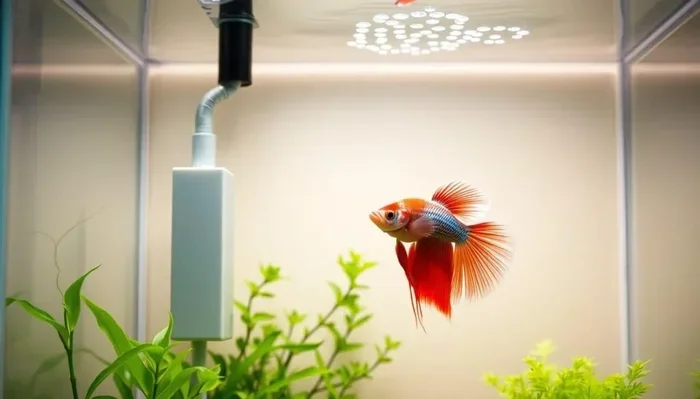
Yes, a betta fish filter is highly recommended for most setups. A filter for betta fish keeps the water clean, removes harmful toxins, and reduces how often you need to do water changes. While bettas can survive in unfiltered bowls, they thrive much better in filtered tanks with steady water conditions.
Every betta fish owner wants their pet to live a long, healthy life. One question that comes up again and again is should i have a filter for my betta fish. The short answer is yes. But the full answer is more nuanced than you might expect.
Betta fish are often sold in small cups and bowls with no filtration at all. This creates a misleading impression that bettas don’t need a filter. In reality, bettas produce waste just like any other fish. That waste breaks down into ammonia, which is toxic even in small amounts. A filter for betta fish handles this problem by cycling the water and removing harmful substances before they build up to dangerous levels.
Setting up a betta fish tank filter doesn’t have to be complicated or expensive. There are many options designed specifically for small tanks and gentle flow. Whether you are a first-time fish owner or a seasoned hobbyist, understanding filtration will help you give your betta the best possible home.
Key Takeaways
- Betta fish need clean water: A filter for betta fish removes ammonia, nitrites, and nitrates that build up fast in small tanks.
- Not all filters work: A gentle filter for betta is essential because strong currents stress bettas and make them exhausted.
- Sponge filters are the top choice: They provide good mechanical and biological filtration without creating harsh flow.
- Bettas can live without a filter short-term: But long-term, an unfiltered tank leads to health problems and a shorter lifespan.
- Filter maintenance matters: Clean your betta tank filter regularly but avoid replacing all media at once to preserve good bacteria.
- Tank size affects filter choice: Smaller tanks need gentler filtration, while larger tanks offer more options for betta filter flow rate control.
- Combine filtration with other care: A filter for betta fish works best alongside proper feeding, heating, and regular water testing.
📑 Table of Contents
Why Betta Fish Need a Filter
Many people think bettas are low-maintenance fish that don’t need much care. That belief is one of the biggest reasons bettas end up in unhealthy conditions. A filter for betta fish plays a critical role in maintaining a stable and safe environment.
How Waste Builds Up in a Betta Tank
Every time your betta eats, it produces waste. Uneaten food also decays on the substrate. Both processes release ammonia into the water. In a natural environment, beneficial bacteria would break this ammonia down. But in a small tank with no water filtration, ammonia levels spike quickly.
Even with regular water changes, toxins can accumulate between cleanings. A filter provides continuous mechanical and biological filtration. This means debris gets trapped and harmful bacteria are converted into less toxic substances around the clock.
The Role of Beneficial Bacteria
A betta tank filter does more than just catch visible debris. The filter media hosts colonies of beneficial bacteria. These bacteria are the backbone of the nitrogen cycle. They convert ammonia into nitrite and then into nitrate, which is much less harmful.
Without a filter, you rely entirely on water changes to manage this cycle. That works temporarily but leaves little room for error. A filter gives you a safety net and makes your betta fish care routine much easier and more consistent.
Types of Filters for Betta Fish
Not every filter is a good fit for a betta tank. Bettas are slow swimmers and prefer calm water. A filter that creates too much current can stress your fish out. Let’s look at the most common filter types and how they work for bettas.
Sponge Filters
A sponge filter is widely considered the best option for betta tanks. It sits at the bottom of the tank and draws water through a porous sponge. This provides both mechanical and biological filtration. The flow is very gentle, which bettas love.
Sponge filters are also affordable and easy to clean. You simply squeeze the sponge in old tank water during maintenance. They come in small sizes perfect for betta bowls and tanks ranging from 1 to 10 gallons.
Hang-On-Back Filters
Hang-on-back filters, or HOB filters, attach to the back of the tank. They offer strong filtration and are easy to maintain. However, the flow rate can be too powerful for bettas. If you choose an HOB filter, look for one with adjustable flow or add a baffle to reduce the current.
Internal Filters
Internal filters sit inside the tank and are usually smaller than HOB models. They work well for tanks under 5 gallons. Some internal filters come with adjustable flow settings, making them a decent option for bettas. Just make sure the intake tube has a sponge cover to prevent your betta from getting trapped.
Comparison Table: Filter Types for Betta Fish
| Filter Type | Flow Strength | Best For | Price Range |
|---|---|---|---|
| Sponge Filter | Very Gentle | Small betta tanks, beginners | $5 – $15 |
| Hang-On-Back Filter | Moderate to Strong | Larger tanks (5+ gallons) | $15 – $30 |
| Internal Filter | Gentle to Moderate | Medium tanks (5-10 gallons) | $10 – $25 |
Can Betta Fish Live Without a Filter?
This is where things get interesting. The answer depends on the setup and your commitment level. Technically, a betta can survive in an unfiltered bowl. But surviving and thriving are two very different things.
If you keep your betta in a small unfiltered container, you will need to change the water almost daily. Even then, water quality can fluctuate quickly. A betta fish without a filter is more prone to stress, disease, and shortened lifespan.
Many experienced fish keepers say that can i keep a betta fish without a filter is a question with a conditional answer. Yes, you can if you are willing to do frequent large water changes and test the water daily. But for most people, a filter is the simpler and safer choice.
If you want to learn more about keeping bettas in different setups, check out our guide on Can I Keep A Betta Fish Without A Filter. It covers the pros and cons in detail.
How to Choose the Right Filter for Your Betta
Picking the right filter for betta fish comes down to a few key factors. You want something that cleans the water effectively without creating a strong current. Here is what to look for.
Consider Your Tank Size
The general rule is to choose a filter rated for a tank two to three times larger than yours. This allows you to dial back the flow if needed. For example, if you have a 5-gallon betta tank, look for a filter rated for 10 to 15 gallons with adjustable flow.
Look for Adjustable Flow
Adjustable flow is a game-changer for betta tanks. It lets you control how strong the current is. Some filters come with built-in flow adjusters. Others require you to add a sponge baffle or redirect the output with decorations.
Always observe your betta after setting up a new filter. If your fish looks stressed, hides often, or struggles to swim against the current, the flow is too strong. Adjust it immediately.
Check the Intake Tube
Betta fins are long and delicate. A bare intake tube can trap a fin and injure your fish. Always use a filter with a sponge pre-filter on the intake. This simple addition protects your betta and also provides extra surface area for beneficial bacteria.
Maintenance Requirements
All filters need regular maintenance. Cartridge filters need replacement media. Sponge filters need squeezing in tank water. Betta tank filter maintenance should become part of your routine care schedule. Set a reminder to check and clean your filter every two to four weeks.
Remember to never rinse filter media with tap water. Chlorine in tap water kills the beneficial bacteria living on the media. Use old tank water or dechlorinated water instead. This keeps your aquarium filter for betta working at peak performance without resetting the nitrogen cycle.
Common Mistakes With Betta Fish Filters
Even with the best intentions, fish keepers make mistakes with their filters. Here are some common errors to avoid.
Choosing a Filter That Is Too Strong
The most common mistake is picking a filter with too much flow. A powerful filter churns the water and creates currents that exhaust bettas. Over time, this stress weakens their immune system and makes them vulnerable to illness. If you already have a strong filter, add a baffle or sponge to reduce the flow.
For more information on this topic, read our article on Can A Filter Be Too Strong For A Betta Fish.
Skipping Filter Maintenance
A dirty filter does more harm than good. Clogged media reduces water flow and allows waste to build up. On the other hand, replacing all filter media at once wipes out your beneficial bacteria colony. Replace only one-third of the media at a time and space out replacements over several weeks.
Using the Wrong Filter Size
A filter that is too small for the tank will not cycle the water effectively. A filter that is too large creates excessive current. Always match your filter to your tank size and your betta’s needs. When in doubt, go slightly larger and adjust the flow down.
Forgetting to Prime the Filter
If you have an external filter, make sure you prime it before turning it on. Running a dry filter can damage the motor and provide no filtration. Follow the manufacturer’s instructions carefully during setup.
Quick Tips for Betta Fish Filter Setup
Getting your filter for betta fish set up correctly makes a big difference. Here are some quick tips to keep in mind.
- Rinse new filter media in dechlorinated water before adding it to the tank. This removes dust and debris from manufacturing.
- Position the output so the water flow is gentle and does not directly hit your betta.
- Add a sponge pre-filter to the intake tube to protect your betta’s fins.
- Monitor water parameters weekly with a test kit, even with a filter running.
- Clean the filter every 3 to 4 weeks, using only old tank water for rinsing.
- Pair your filter with a heater set to 78-80°F for optimal betta health.
For a complete list of everything you need to set up a healthy betta tank, visit our guide on What All Do I Need For A Betta Fish Tank.
Expert Insights on Betta Filtration
Experienced aquarists agree that filtration is one of the most important investments you can make for your betta. A well-chosen filter for betta fish saves time, reduces stress on your fish, and creates a more stable environment.
Many experts recommend starting with a sponge filter for any tank under 10 gallons. They are simple, reliable, and safe. For larger planted betta tanks, a small HOB filter with adjustable flow works well. The key is always to prioritize gentle, effective filtration over raw power.
If you are wondering about the broader picture of betta tank setup, our article on Should You Use A Filter With A Betta Fish provides additional expert perspectives and practical advice.
Conclusion
The answer to should i have a filter for my betta fish is a clear yes for most setups. A filter for betta fish keeps the water clean, supports the nitrogen cycle, and reduces the workload of tank maintenance. Your betta will be healthier, more active, and likely to live a longer, happier life.
Choose a gentle filter that matches your tank size, maintain it regularly, and always watch your fish for signs of stress. With the right betta fish tank filter in place, you create the best possible home for your colorful companion. A small investment in filtration goes a long way toward giving your betta the quality of life it deserves.
Frequently Asked Questions
Do betta fish really need a filter?
Betta fish benefit greatly from a filter. While they can survive without one in small unfiltered containers, a filter dramatically improves water quality and reduces the need for frequent water changes. A filter for betta fish supports the nitrogen cycle and keeps harmful toxins at bay.
What is the best filter for a betta fish?
A sponge filter is widely regarded as the best option for betta tanks. It provides gentle flow, effective mechanical and biological filtration, and is easy to maintain. For slightly larger tanks, a hang-on-back filter with adjustable flow also works well.
Can I use a regular fish tank filter for my betta?
Yes, but you need to check the flow rate. Regular filters can be too strong for bettas. Always choose a filter with adjustable flow or add a baffle to reduce the current. Protecting your betta from strong water movement is essential for its well-being.
How often should I clean my betta fish filter?
Clean your betta tank filter every 3 to 4 weeks. Never replace all filter media at once. Rinse mechanical media in old tank water and replace only about one-third of the biological media at a time to preserve beneficial bacteria.
Will a filter eliminate the need for water changes?
No. Even with a filter, regular water changes are necessary. A filter removes debris and hosts beneficial bacteria, but it does not remove all dissolved waste. Plan for 25% water changes weekly to maintain optimal water quality for your betta.
Can a filter be too strong for a betta fish?
Yes. A filter with excessive flow can stress bettas, exhaust them, and make swimming difficult. Always choose a filter designed for gentle flow or adjust the output. If your betta struggles against the current, the filter is too strong and needs to be moderated.