Is Well Water Better for Fish Tank
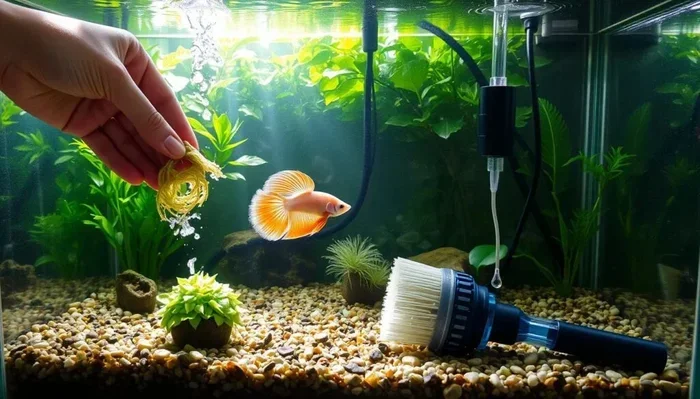
Is well water better for fish tank? The answer depends on your water quality and what you are willing to test and treat. Well water can be a natural, chemical-free option, but it may contain harmful minerals, bacteria, and contaminants that put your betta at risk. With proper testing, filtration, and treatment, many fish owners successfully use well water.
Is well water better for fish tank setups? This is a question many betta fish owners ask, especially those who live in rural areas or homes with private wells. The short answer is that well water can work, but it is not automatically better than other water sources. Well water comes straight from the ground, which means it carries natural minerals and potential contaminants that you need to understand before using it in your aquarium.
If you are considering switching your betta fish tank to well water, you need to know what you are dealing with. Not all well water is the same. One household might have soft, clean well water that works perfectly, while another might have hard, mineral-heavy water that causes problems. This guide will walk you through everything you need to know about using well water for your fish tank, including testing, treatment, and alternatives.
Key Takeaways
- Well water is not automatically better: It lacks chlorine but may contain heavy metals, high minerals, and bacteria that harm betta fish.
- Testing is essential: You should test pH, hardness, ammonia, nitrites, and nitrates before adding well water to any fish tank.
- Treatment makes it safer: Using a water conditioner and filtration system can make well water safe for your betta.
- Tap water has advantages: Tap water is treated and consistent, making it a reliable choice for most fish keepers.
- Alternatives exist: Reverse osmosis water and bottled spring water are viable options if well water quality is poor.
- Regular maintenance matters: Even with great water source, routine water changes and monitoring keep your betta healthy.
📑 Table of Contents
- What Is Well Water and Why Do Fish Tank Owners Use It?
- Is Well Water Better for Fish Tank Than Tap Water?
- How to Test and Treat Well Water for Your Fish Tank
- Common Problems with Well Water in Fish Tanks
- Comparing Well Water to Other Water Sources for Fish Tanks
- Best Practices for Using Well Water in a Betta Fish Tank
- When Well Water Is NOT Safe for Fish Tanks
- Expert Insights: What Aquatic Veterinarians Say About Well Water
- Final Thoughts: Is Well Water Better for Fish Tank?
What Is Well Water and Why Do Fish Tank Owners Use It?
Well water comes from underground aquifers. It is drawn up through a private well system, usually on your own property. Because it bypasses municipal treatment plants, well water does not contain chlorine or chloramine, which are common in tap water and harmful to fish in high concentrations.
Many fish tank owners are drawn to well water because it feels more natural. There are no added chemicals from a water treatment facility. Some owners believe that natural minerals in well water create a healthier environment for their betta fish. Others simply do not have access to treated tap water and well water is their only option.
The Appeal of Natural Water Sources
There is something appealing about using water straight from the earth. It feels pure and unprocessed. For betta fish keepers, the idea of providing a natural habitat resonates strongly. However, natural does not always mean safe. Well water can contain things like arsenic, lead, sulfur, and excess iron. These substances are invisible but can be deadly for sensitive fish like bettas.
Before you fill your tank with well water, take a step back. Understanding what is in your water is the first and most important step. You cannot assume that because the water looks clear, it is safe for your fish.
Is Well Water Better for Fish Tank Than Tap Water?
This is the heart of the debate. Both well water and tap water have pros and cons. Let us break it down so you can make an informed decision for your betta fish tank.
Well Water Pros and Cons
Well water has some clear advantages. It is free from the chlorine and chloramine that municipal water treatment plants add. These chemicals are designed to kill bacteria in drinking water, but they are also harmful to fish gills and sensitive aquatic life. With well water, you skip that concern entirely.
However, well water comes with its own set of problems:
- High mineral content: Hard well water contains excess calcium and magnesium, which can raise pH and cause scale buildup in your tank.
- Heavy metals: Iron, manganese, and sometimes lead or arsenic can be present in well water without any visible signs.
- Bacteria and pathogens: Since well water is not treated, it may contain harmful microorganisms that can infect your fish.
- Variable quality: Well water quality changes with seasons, rainfall, and nearby land use. What was safe last month might not be safe today.
- No pH buffering: Well water pH can swing dramatically, which stresses betta fish and destabilizes your tank cycle.
Tap Water Pros and Cons
Tap water is treated and regulated, which gives it a consistency that well water simply cannot match. Municipal water facilities test their water regularly and remove most harmful contaminants. The downside is that tap water contains chlorine and chloramine, which must be neutralized with a water conditioner before adding it to your tank.
For most betta fish owners, tap water is the safer and more convenient choice. But if you live in an area with poor tap water quality or if you have a private well, well water might still be your best option after proper treatment.
You can learn more about tap water safety for bettas in our article on Can You Use Tap Water For Betta Fish Tank, which covers the risks and how to treat municipal water effectively.
How to Test and Treat Well Water for Your Fish Tank
If you decide to use well water, testing and treatment are non-negotiable. You cannot just fill your tank and hope for the best. Your betta fish depend on you to provide safe water, and that means doing the work upfront.
Step 1: Test Your Well Water
Start by testing your well water for the following parameters:
- pH level: Bettas thrive in slightly acidic to neutral water, ideally between 6.5 and 7.5.
- Water hardness: Measure both general hardness (GH) and carbonate hardness (KH). Very hard water can stress bettas over time.
- Ammonia and nitrites: These should be zero in any aquarium water source.
- Nitrates: Keep nitrates below 20 ppm for optimal betta health.
- Heavy metals: Test for iron, copper, lead, and arsenic if you suspect contamination.
You can use home test kits or send a sample to a certified laboratory for a more thorough analysis. Many county health departments offer free or low-cost well water testing. Take advantage of these resources.
Step 2: Treat the Water
Once you know what is in your well water, you can treat it accordingly:
- Use a water conditioner: A quality conditioner like Seachem Prime neutralizes chlorine, chloramine, and heavy metals. Even though well water lacks chlorine, conditioners help bind harmful metals.
- Install a filtration system: A whole-house sediment filter removes particles, while an activated carbon filter reduces chemicals and odors. For aquarium use, a reverse osmosis system is the gold standard for purity.
- Let the water age: Filling a bucket with well water and letting it sit for 24 to 48 hours can help dissipate some volatile compounds. This method alone is not enough but works as a supplementary step.
- Adjust pH if needed: If your well water is too alkaline, you can use driftwood, Indian almond leaves, or a pH buffer to bring it down to a safe range for bettas.
For more detailed information on treating water for betta fish, check out our guide on What Kind Of Water Is Best For Betta Fish, which covers the best water sources and treatment methods in depth.
Step 3: Monitor After Adding Well Water
After you add treated well water to your tank, do not forget to monitor your water parameters regularly. Test the water every few days for the first two weeks. Look for any signs of stress in your betta, such as clamped fins, loss of color, or erratic swimming. These are warning signs that something in the water is off.
Common Problems with Well Water in Fish Tanks
Even with testing and treatment, well water can cause unexpected issues. Here are the most common problems fish tank owners face when using well water and how to address them.
Cloudy Water After Adding Well Water
If your tank water turns cloudy after a water change using well water, it is often due to high mineral content or suspended sediment. This is sometimes called “hard water cloudiness.” You can fix this by running the well water through an additional sediment filter before adding it to the tank. You can also read our article on Why Is The Water In My Betta Fish Tank Cloudy for more troubleshooting tips.
pH Fluctuations
Well water pH can shift based on rainfall, seasonal changes, and nearby agricultural activity. A stable pH is critical for betta fish health. If you notice your pH swinging wildly, consider using a buffering substrate or a pH stabilizer to maintain consistency.
Excess Iron and Manganese
Iron-rich well water can cause orange or brown staining in your tank and on your substrate. Manganese can give the water a metallic taste and smell. These minerals are not immediately lethal but can build up over time and harm your fish. A reverse osmosis system or an iron-specific filter can solve this problem.
Comparing Well Water to Other Water Sources for Fish Tanks
To put things in perspective, here is a comparison of common water sources used in fish tanks:
| Water Source | Pros | Cons |
|---|---|---|
| Well Water | No chlorine, natural minerals, free if you own the well | Variable quality, potential contaminants, requires testing and treatment |
| Tap Water | Consistent, treated, readily available | Contains chlorine/chloramine, may contain fluoride and heavy metals |
| Reverse Osmosis Water | Purest option, removes almost all contaminants | Removes beneficial minerals, requires remineralization |
| Bottled Spring Water | Convenient, no chlorine, consistent quality | Expensive long-term, variable mineral content |
As you can see, no single water source is perfect for every situation. The best choice depends on your specific water quality, budget, and how much effort you are willing to put into treatment.
If you are exploring alternatives, our article on Is Reverse Osmosis Water Good For Betta Fish explains the benefits and drawbacks of RO water in detail.
Best Practices for Using Well Water in a Betta Fish Tank
Using well water successfully comes down to a few key habits. Follow these practices and your betta will thrive:
- Test your water regularly: At least once a month, test all key parameters. Seasonal changes can alter well water quality without warning.
- Use a reliable water conditioner: Even if your well water tests clean, a conditioner adds a safety net against unknown contaminants.
- Perform regular water changes: Change 20 to 25 percent of your tank water weekly. This prevents the buildup of waste and keeps parameters stable.
- Keep a log: Write down your test results and water change dates. Over time, patterns emerge that help you catch problems early.
- Invest in a good filter: A quality aquarium filter removes debris and supports beneficial bacteria that keep your tank cycled and healthy.
- Watch your betta: Your fish will tell you if something is wrong. Pay attention to their behavior, appetite, and appearance.
For a step-by-step guide on performing safe water changes with well water, visit our article on How To Change Water In Fish Tank For Betta, which walks you through the entire process in simple, actionable steps.
When Well Water Is NOT Safe for Fish Tanks
There are situations where well water should never be used in a fish tank without extensive treatment. If your well water tests positive for any of the following, do not add it directly to your aquarium:
- Detectable ammonia or nitrites: These are toxic to fish at any level and indicate bacterial contamination.
- High levels of lead or arsenic: These heavy metals are dangerous even in trace amounts and require professional filtration.
- Sewage or septic system proximity: If your well is near a septic tank or agricultural runoff, the risk of contamination is significantly higher.
- Sulfur or rotten egg smell: This indicates hydrogen sulfide, which is toxic to fish and signals bacterial activity in your well.
In these cases, your safest bet is to use a reverse osmosis system or purchase purified water. Your betta fish are worth the extra effort and expense.
Expert Insights: What Aquatic Veterinarians Say About Well Water
Many aquatic veterinarians recommend testing well water before every use, especially if you have not tested it in over six months. Dr. Richmond Loh, a renowned aquatic veterinarian, often emphasizes that the biggest mistake fish keepers make is assuming their water source is safe without verification. He advises using a combination of home test kits and periodic lab testing for the most accurate picture of your well water quality.
Another expert tip is to always match your well water parameters to your betta’s needs. If your well water is naturally soft and slightly acidic, you may get lucky and find it suits bettas perfectly. But if your water is hard and alkaline, you will need to adjust it before introducing it to your tank.
Final Thoughts: Is Well Water Better for Fish Tank?
So, is well water better for fish tank setups? The honest answer is that it can be, but only if you put in the work. Well water is not inherently superior to tap water or other sources. It is simply different. The key is understanding what is in your specific well water, treating it properly, and monitoring your tank consistently.
If you have clean, well-tested well water and you are willing to treat it before use, it can be an excellent choice for your betta fish. But if you are skipping the testing and just filling the tank straight from the well, you are risking your fish’s health. Take the time to do it right. Your betta will thank you with vibrant colors, a healthy appetite, and years of companionship.
Remember that every tank is different, and what works for one fish keeper may not work for another. The best water source is the one that is safe, consistent, and well-maintained. Whether that comes from a well, a faucet, or a reverse osmosis system, what matters most is that you provide your betta with the cleanest, most stable water possible.
Frequently Asked Questions
Can I use well water directly for my betta fish tank without treatment?
No, you should never use well water directly without testing and treating it first. Well water may contain heavy metals, bacteria, and minerals that are harmful to betta fish. Always test your water and use a conditioner before adding it to your tank.
How often should I test my well water for my fish tank?
You should test your well water at least once a month. However, if you notice changes in taste, color, or smell, test it immediately. Seasonal weather and nearby land activity can also change your well water quality unexpectedly.
Is well water safer than tap water for betta fish?
Well water is free from chlorine and chloramine, which are added to tap water and can harm fish. However, well water can contain other contaminants like heavy metals and bacteria that tap water does not. Neither source is inherently safer; it depends on the specific quality of your water.
What is the best way to purify well water for a fish tank?
The most effective method is using a reverse osmosis system, which removes nearly all contaminants. You can also use a sediment filter combined with activated carbon and a water conditioner. Always remineralize RO water before adding it to your tank, as bettas need some minerals to thrive.
Can well water cause cloudy water in a betta fish tank?
Yes, well water high in minerals or sediment can cause cloudiness. This is especially common after a water change. Running your well water through an additional filter and letting it sit before adding it to the tank can help reduce cloudiness.
How do I know if my well water is safe for my betta fish?
The only way to know for sure is to test your water. Use a reliable aquarium test kit to check pH, ammonia, nitrites, nitrates, and water hardness. For a more thorough analysis, send a sample to a certified lab. Never assume your well water is safe based on how it looks or smells.