Is Troll Fishing Better for the Environment
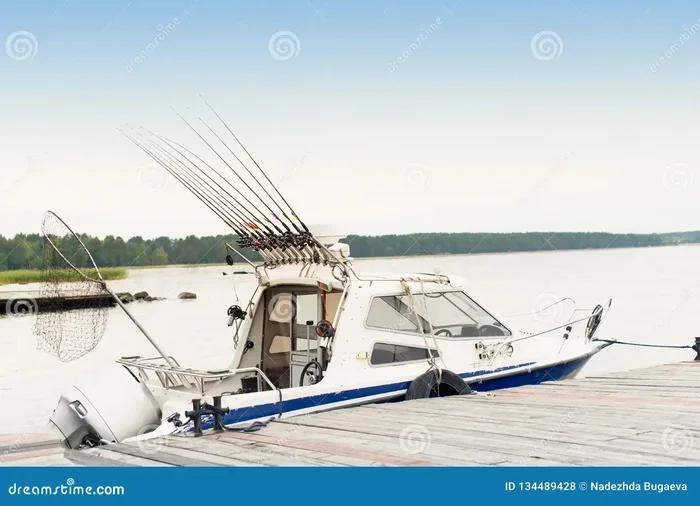
Troll fishing is often considered a more sustainable fishing method because it targets specific species and produces less bycatch. Unlike other techniques, trolling allows anglers to fish selectively, reducing harm to marine ecosystems. However, the environmental impact depends on several factors, including location, gear used, and fishing regulations.
Many anglers ask a simple question: is troll fishing better for the environment? The answer is not a simple yes or no. It depends on how the method is practiced, where it is done, and what gear is used. Troll fishing involves dragging lures or bait behind a moving boat. This technique targets specific fish species and can be less harmful to marine ecosystems than other methods.
In this article, we break down everything you need to know about the environmental impact of troll fishing. We look at the pros, the cons, and what you can do to make your fishing trips more sustainable. Whether you are a beginner or a seasoned angler, this guide will help you fish with the environment in mind.
Key Takeaways
- Lower Bycatch Rates: Troll fishing targets specific species, which means fewer unintended fish are caught and released.
- Selective Gear Options: Using the right tackle and lures makes troll fishing more environmentally friendly.
- Regulations Matter: Following local fishing rules helps keep troll fishing sustainable over time.
- Fuel Use Is a Concern: Boats used in trolling burn fuel, which contributes to carbon emissions.
- Best for Deep Water: Troll fishing works well in open ocean settings where fish stocks are healthier.
- Complementary to Conservation: Many marine conservation groups support troll fishing as a responsible method.
📑 Table of Contents
- What Is Troll Fishing?
- Why Troll Fishing Is Considered Better for the Environment
- The Environmental Downsides of Troll Fishing
- How to Make Troll Fishing More Sustainable
- Troll Fishing vs. Other Fishing Methods
- Expert Insights on Troll Fishing and the Environment
- Common Mistakes Anglers Make That Hurt the Environment
- Quick Tips for Eco-Friendly Troll Fishing
- Conclusion
What Is Troll Fishing?
Troll fishing is a method where a boat moves slowly through the water while lines with lures or bait are dragged behind it. The motion mimics the movement of prey, which attracts predatory fish. This technique is popular for catching species like salmon, tuna, mahi-mahi, and marlin.
Unlike trawling, which drags heavy nets along the ocean floor, troll fishing is a targeted approach. Anglers can choose what they want to catch and release everything else. This selectivity is one of the main reasons many people consider troll fishing more eco-friendly.
How Troll Fishing Works
Here is a simple breakdown of the process:
- A boat moves at a slow, steady speed, usually between 2 and 6 knots.
- Lines with lures or natural bait are trailed behind the vessel.
- Fish strike the lure thinking it is live prey.
- The angler reels in the catch and either keeps it or releases it.
The simplicity of troll fishing is part of its appeal. There is no heavy gear dragging the bottom of the ocean. There is no indiscriminate scooping up of everything in the water. Instead, each line is controlled by the angler.
Why Troll Fishing Is Considered Better for the Environment
So, why do environmental experts often view troll fishing more favorably? There are several strong reasons.
1. Lower Bycatch Rates
Bycatch is one of the biggest problems in commercial and recreational fishing. Bycatch refers to the fish, turtles, dolphins, and other marine animals that are caught unintentionally. Many of these creatures do not survive after being released.
Troll fishing dramatically reduces bycatch. Because each line is individually controlled, anglers can target specific species. If a non-target fish strikes, it can often be identified and released quickly. This is a big win for marine ecosystem health.
2. No Bottom Destruction
Methods like bottom trawling destroy coral reefs, seafloor habitats, and sensitive ecosystems. Troll fishing takes place in the water column, not on the ocean floor. This means habitats stay intact. The seafloor is not disturbed, and fragile structures like coral are preserved.
When you compare troll fishing to bottom trawling, the difference is clear. One method protects the ocean floor. The other tears it apart. This makes troll fishing a better choice for long-term ocean health.
3. Supports Sustainable Fish Stocks
Targeted fishing helps maintain healthy fish populations. When you go troll fishing, you are not depleting random species. You are focusing on the fish you want to catch. This selective approach allows other species to thrive and reproduce.
Many countries have fishing regulations that limit the number and size of fish you can keep. Following these rules ensures that fish stocks remain stable. Sustainable troll fishing practices help prevent overfishing.
4. Use of Artificial Lures Reduces Impact
Many troll fishing enthusiasts use artificial lures instead of live bait. Artificial lures do not remove baitfish from the ecosystem. They also reduce the need to transport and store live bait, which has its own carbon footprint. Using lures made from sustainable materials adds another layer of eco-friendliness.
Some anglers prefer natural bait, and that is fine too. The key is being mindful of where the bait comes from and using only what you need.
The Environmental Downsides of Troll Fishing
No fishing method is perfect. Troll fishing has some environmental drawbacks that every angler should understand.
1. Fuel Consumption and Emissions
Troll fishing requires a boat. Boats burn fuel. This means carbon emissions are part of the equation. A long trolling trip can use a significant amount of gasoline or diesel. These emissions contribute to climate change and air pollution.
However, you can reduce this impact. Consider carpooling to the marina, using fuel-efficient boats, or choosing electric motors when possible. Every small change helps reduce the carbon footprint of your fishing trips.
2. Line and Gear Pollution
Fishing line, hooks, and lures can end up in the ocean. Lost or discarded gear, known as ghost gear, continues to catch and kill marine life long after it is abandoned. This is a serious problem for marine conservation.
Anglers can make a big difference by properly disposing of old gear. Use biodegradable lines when possible. Never leave fishing equipment in the water or on the shore. These simple steps keep our oceans cleaner.
3. Potential for Overfishing
Even with selective methods, overfishing can occur. If too many anglers target the same species in the same area, populations can decline. This is why fishing regulations exist. Respecting catch limits, size restrictions, and seasonal closures is essential.
Recreational fishing impact may seem small compared to commercial fishing, but it adds up. Millions of recreational anglers around the world can collectively put pressure on certain species. Responsible practices are the answer.
How to Make Troll Fishing More Sustainable
Want to make your troll fishing trips greener? Here are practical steps you can take today.
Choose the Right Gear
Use circle hooks instead of J-hooks. Circle hooks reduce deep hooking, which improves survival rates for released fish. Switch to biodegradable fishing line. Choose lures made from recycled or sustainable materials.
These small gear changes add up to a big difference for ocean ecosystems.
Follow the Rules
Always check local fishing regulations before you head out. Know the catch limits, size requirements, and seasonal closures for your target species. Follow the rules not because you have to, but because they are designed to protect fish populations.
Staying informed shows respect for the resource and the communities that depend on healthy fisheries.
Practice Proper Catch and Release
If you plan to release fish, do it properly. Wet your hands before handling the fish. Use pliers to remove hooks quickly. Keep the fish in the water as much as possible. The faster and gentler the release, the better the fish’s chance of survival.
Proper catch and release is one of the most powerful tools in marine conservation.
Minimize Your Carbon Footprint
Plan your trips to reduce fuel use. Fish closer to home when possible. Combine trips with friends to share fuel costs. Consider using a kayak or canoe for nearshore troll fishing to eliminate fuel use entirely.
Every gallon of fuel saved is one less contribution to greenhouse gas emissions.
Troll Fishing vs. Other Fishing Methods
How does troll fishing stack up against other popular methods? Let us compare.
| Method | Bycatch Risk | Habitat Damage | Fuel Use | Sustainability Rating |
|---|---|---|---|---|
| Troll Fishing | Low | None | Moderate | High |
| Bottom Trawling | Very High | Severe | High | Low |
| Longlining | High | Low | Moderate | Medium |
| Gillnetting | Very High | Low | Low | Low |
| Handline Fishing | Low | None | None | Very High |
As you can see, troll fishing ranks high in sustainability. It is not perfect, but it is far better than methods like bottom trawling or gillnetting. For anglers who care about the environment, troll fishing is one of the best options available.
It is also worth noting that some methods, like handline fishing, are even more sustainable because they use no fuel at all. But troll fishing offers a great balance between effectiveness and environmental responsibility.
Expert Insights on Troll Fishing and the Environment
Many marine biologists and conservation organizations support troll fishing as a responsible method. The Marine Conservation Society and similar groups often highlight the low bycatch rates and habitat-friendly nature of trolling.
Dr. Sylvia Earle, a famous oceanographer, has spoken about the importance of selective fishing methods. She notes that how we fish matters just as much as how much we fish. Troll fishing aligns with these principles because it targets specific species and avoids destructive practices.
Of course, no single method will solve all the challenges facing our oceans. Troll fishing is one piece of a larger puzzle that includes better regulations, consumer awareness, and habitat protection. But it is a meaningful step in the right direction.
Common Mistakes Anglers Make That Hurt the Environment
Even well-meaning anglers can make mistakes. Here are the most common ones to avoid.
- Ignoring size and bag limits: Taking more fish than allowed puts pressure on populations.
- Using the wrong gear: Non-selective gear increases bycatch and harms non-target species.
- Leaving gear behind: Lost lines and hooks become deadly ghost gear in the ocean.
- Fishing in spawning areas: Disrupting spawning grounds can devastate local fish populations.
- Not releasing fish properly: Rough handling reduces survival rates for released fish.
Avoiding these mistakes is easy. A little knowledge and preparation go a long way toward protecting the marine environment.
Quick Tips for Eco-Friendly Troll Fishing
- Use circle hooks to reduce hooking injuries.
- Choose artificial lures over live bait when possible.
- Stick to local fishing regulations at all times.
- Dispose of old line and gear in proper receptacles.
- Fish during off-peak hours to reduce boat traffic.
- Share trips with friends to reduce fuel use per person.
- Support marine conservation organizations in your area.
Conclusion
So, is troll fishing better for the environment? The evidence strongly suggests yes. Compared to many other methods, troll fishing offers lower bycatch rates, no bottom habitat destruction, and a more targeted approach to catching fish. It is a method that aligns well with marine conservation goals.
That said, troll fishing is not without its impacts. Fuel use, gear pollution, and the potential for overfishing are real concerns. The key is to be a responsible angler who understands these trade-offs and takes steps to minimize harm.
If you want to learn more about how fishing affects the planet, check out our guide on is eating fish better for the environment. You can also explore whether eating farmed fish is better for the environment to understand the full picture of sustainable seafood choices.
Every fishing trip is an opportunity to protect the oceans. Choose your methods wisely, follow the rules, and fish with respect. The fish, the ecosystems, and future generations will thank you.
Frequently Asked Questions
Is troll fishing more sustainable than other fishing methods?
Yes, troll fishing is generally considered more sustainable because it targets specific species and produces less bycatch. It does not damage the ocean floor like bottom trawling does. However, fuel use and gear pollution are factors to consider.
What is the biggest environmental concern with troll fishing?
The biggest concern is fuel consumption and carbon emissions from boats. Additionally, lost or discarded fishing gear can become ghost gear that harms marine life. Choosing fuel-efficient practices and properly disposing of gear helps address these issues.
Can troll fishing help protect fish populations?
Yes, when practiced responsibly, troll fishing can help protect fish populations. Selective targeting and proper catch and release reduce pressure on ecosystems. Following size limits and seasonal closures further supports healthy fish stocks.
What gear is best for eco-friendly troll fishing?
Circle hooks, biodegradable line, and artificial lures made from sustainable materials are excellent choices. These options reduce harm to non-target species and minimize waste. Always choose gear that matches the species you are targeting.
How can I reduce the environmental impact of my troll fishing trips?
Carpool to the marina, use fuel-efficient boats, fish closer to home, and practice proper catch and release. Dispose of all gear responsibly and follow local regulations. Small changes add up to a significant positive impact on ocean ecosystems.
Does troll fishing damage coral reefs or seafloor habitats?
No, troll fishing takes place in the water column and does not contact the seafloor. This is a major advantage over bottom trawling, which can destroy coral reefs and other sensitive habitats. The seafloor remains undisturbed during a trolling trip.