Is Spirulina Better Than Fish Oil
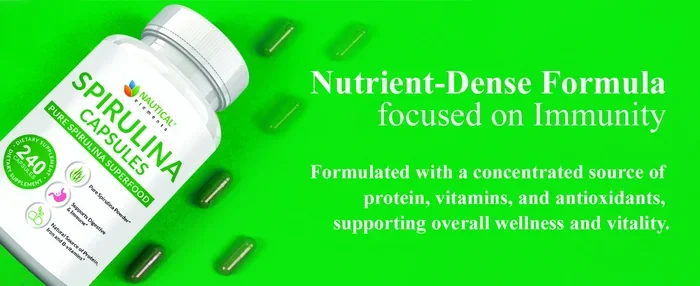
Is spirulina better than fish oil? The answer depends on what you are looking for. Spirulina offers plant-based omega-3, antioxidants, and anti-inflammatory benefits, while fish oil delivers EPA and DHA in higher concentrations. Both have unique strengths for betta fish health and human wellness.
When it comes to supplements, the debate around is spirulina better than fish oil has been growing. People want to know which one delivers more health benefits. Whether you are a betta fish enthusiast looking to improve your fish’s diet or a health-conscious human exploring natural supplements, this comparison matters.
Spirulina is a blue-green algae that has been used for centuries. It is packed with nutrients, protein, and antioxidants. Fish oil, on the other hand, has long been the go-to source for omega-3 fatty acids. Both are popular, but they serve different purposes.
In this article, we break down everything you need to know. We will look at nutrition profiles, health benefits, side effects, and which one might be the better choice for you. By the end, you will have a clear answer to the question, is spirulina better than fish oil, for your specific needs.
Key Takeaways
- Spirulina is a plant-based superfood: It provides omega-3 in the form of ALA, along with rich antioxidants and protein.
- Fish oil is a proven omega-3 powerhouse: It contains EPA and DHA, which are the most bioavailable forms of omega-3.
- The comparison is not one-size-fits-all: Each supplement has distinct benefits depending on your health goals.
- Betta fish can benefit from both: Spirulina supports immunity and color, while fish oil promotes heart and brain health.
- Side effects differ: Fish oil may cause fishy aftertaste or thinning of blood, while spirulina is generally well-tolerated.
- Quality matters: Always choose third-party tested supplements for purity and potency.
📑 Table of Contents
What Is Spirulina?
Spirulina is a type of blue-green algae that grows in both fresh and saltwater. It is considered a superfood because of its dense nutrient profile. People have been consuming spirulina for centuries, dating back to the Aztec civilization in Mexico.
Here is what makes spirulina special:
- High in protein: Spirulina contains about 60 to 70 percent protein by weight. That is impressive for a plant-based source.
- Rich in antioxidants: It contains phycocyanin, a powerful antioxidant that fights inflammation and oxidative stress.
- Contains omega-3 fatty acids: However, spirulina provides ALA (alpha-linolenic acid), which is a plant-based form of omega-3.
- Packed with vitamins and minerals: It is a great source of B vitamins, iron, magnesium, and potassium.
- Natural anti-inflammatory: The compounds in spirulina help reduce inflammation in the body.
For betta fish, spirulina is often included in high-quality fish foods. It supports immune function, enhances color, and aids digestion. Many betta owners swear by spirulina-enriched pellets and flakes.
Spirulina Benefits for Health
The health benefits of spirulina are well-documented. Research shows that it can help lower blood pressure, reduce cholesterol levels, and support immune health. Its high antioxidant content makes it a strong defender against cellular damage.
Spirulina is also being studied for its potential to improve athletic performance, boost energy levels, and support weight management. While more research is needed, the early results are promising.
What Is Fish Oil?
Fish oil is one of the most widely used supplements in the world. It is derived from the tissues of fatty fish like salmon, mackerel, and sardines. The two main active ingredients in fish oil are EPA (eicosapentaenoic acid) and DHA (docosahexaenoic acid).
Here is why fish oil is so popular:
- Rich in EPA and DHA: These are the most bioavailable forms of omega-3 fatty acids. Your body can use them directly without conversion.
- Supports heart health: Fish oil is proven to reduce triglycerides, lower blood pressure, and decrease the risk of heart disease.
- Boosts brain function: DHA is a major structural component of the brain. Adequate intake supports memory, focus, and cognitive health.
- Reduces inflammation: EPA and DHA are powerful anti-inflammatory agents that help with joint pain and chronic conditions.
- Supports eye health: DHA is found in high concentrations in the retina, making fish oil beneficial for vision.
For betta fish, fish oil is a common ingredient in premium fish foods and supplements. It promotes healthy fins, vibrant coloration, and overall vitality. Many breeders rely on fish oil to keep their bettas in top condition.
Fish Oil Benefits for Health
The benefits of fish oil extend far beyond basic nutrition. Studies have shown that regular fish oil consumption can help reduce symptoms of depression and anxiety. It supports joint health and may even help with skin conditions like eczema and psoriasis.
Fish oil is also widely recommended by doctors for patients with high triglyceride levels. The American Heart Association recognizes fish oil as a valuable tool for cardiovascular health.
Spirulina vs Fish Oil: The Head-to-Head Comparison
Now let us get to the heart of the matter. When you ask, is spirulina better than fish oil, you need a fair comparison. Let us break it down side by side.
Nutritional Comparison
Spirulina and fish oil are not direct competitors. They offer different nutritional profiles that complement each other. Here is a quick look at what each provides:
- Omega-3 type: Spirulina provides ALA. Fish oil provides EPA and DHA.
- Protein content: Spirulina is high in protein. Fish oil contains little to no protein.
- Antioxidants: Spirulina is rich in antioxidants. Fish oil has minimal antioxidant content.
- Vitamins: Spirulina is packed with B vitamins. Fish oil is rich in vitamins A and D.
- Bioavailability: Fish oil omega-3 is more readily absorbed than spirulina’s ALA.
Omega-3 Content: The Big Difference
This is where the comparison gets interesting. Fish oil delivers EPA and DHA directly. These are the omega-3 forms your body needs most. Spirulina contains ALA, which your body must convert into EPA and DHA. Unfortunately, this conversion rate is very low, often less than 10 percent.
So if your primary goal is to boost omega-3 intake, fish oil is the more efficient choice. However, spirulina still contributes to your overall omega-3 levels and offers additional benefits that fish oil does not.
If you are also wondering about other comparisons, you might want to check out is fish oil better than krill oil or explore is algae omega-3 better than fish for more context on plant-based vs animal-based omega-3 sources.
Which Is Better for Inflammation?
Both spirulina and fish oil fight inflammation, but they do it differently. Fish oil’s EPA and DHA directly target inflammatory pathways. Spirulina’s phycocyanin and other antioxidants reduce oxidative stress, which is a root cause of inflammation.
For acute inflammation, fish oil tends to be more effective. For chronic, low-grade inflammation and overall antioxidant support, spirulina shines. Some experts suggest using both together for maximum anti-inflammatory benefits.
Wondering what else might help with inflammation? You can read what is better than fish oil for inflammation to explore additional options.
Which Is Better for Heart Health?
Fish oil has a stronger track record for heart health. Numerous clinical studies confirm that EPA and DHA lower triglycerides, reduce blood pressure, and decrease the risk of heart attacks and strokes. The evidence is robust and well-established.
Spirulina also supports heart health, but through different mechanisms. It can help lower cholesterol and blood pressure. Its antioxidants protect blood vessels from oxidative damage. However, the evidence base is smaller compared to fish oil.
Which Is Better for Brain Health?
Fish oil wins this category. DHA makes up a significant portion of brain tissue. Adequate DHA intake is linked to better memory, sharper cognition, and reduced risk of neurodegenerative diseases.
Spirulina supports brain health indirectly through its antioxidant and anti-inflammatory properties. It helps protect brain cells from damage. But it does not provide the same direct brain-building benefits as fish oil’s DHA.
Which Is Better for Betta Fish?
For betta fish, both spirulina and fish oil have value. Spirulina enhances color, boosts immunity, and improves digestion. It is a common ingredient in spirulina-based betta foods and is excellent for overall well-being.
Fish oil supports fin health, promotes vibrant coloration, and provides essential fatty acids for growth and development. Many high-quality betta foods include fish oil as a core ingredient.
The best approach is to provide a balanced diet that includes both. If you want to dive deeper into betta fish nutrition, check out why is fish better than meat for insights on fish-based nutrition for your aquatic pets.
Side Effects and Safety Considerations
No supplement is completely without risks. Understanding the side effects helps you make an informed decision.
Spirulina Side Effects
Spirulina is generally considered safe for most people. However, there are a few things to watch out for:
- Digestive issues: Some people experience nausea, bloating, or diarrhea when they first start taking spirulina.
- Quality concerns: Poorly sourced spirulina can contain heavy metals or contaminants. Always buy from reputable brands.
- Allergic reactions: Rare, but some individuals may be allergic to spirulina, especially those with seafood or algae allergies.
- Autoimmune concerns: Spirulina stimulates the immune system, which could worsen symptoms in people with autoimmune conditions.
Fish Oil Side Effects
Fish oil is also safe for most people, but it has its own set of potential side effects:
- Fishy aftertaste or burps: This is the most common complaint. Enteric-coated capsules can help reduce this issue.
- Blood thinning: Fish oil can slow blood clotting. People on blood thinners should consult their doctor first.
- Digestive discomfort: Some users experience loose stools or stomach upset, especially at high doses.
- Contamination risk: Low-quality fish oil may contain mercury, PCBs, or other toxins. Choose molecularly distilled products.
How to Choose Between Spirulina and Fish Oil
Choosing between these two supplements depends on your goals, diet, and health needs. Here is a simple guide to help you decide.
Choose Spirulina If…
- You follow a plant-based or vegan diet.
- You want a broad-spectrum nutrient boost with protein and antioxidants.
- You are looking for natural anti-inflammatory support.
- You want to support your immune system and overall wellness.
- You are concerned about the environmental impact of fish harvesting.
Choose Fish Oil If…
- Your primary goal is to increase omega-3 intake efficiently.
- You want targeted support for heart, brain, or joint health.
- You need EPA and DHA in their most bioavailable forms.
- You are not following a restrictive diet and can tolerate animal-based supplements.
- You want the most researched and evidence-backed omega-3 source.
Can You Take Both?
Absolutely. Many health experts recommend combining spirulina and fish oil for a well-rounded supplement routine. Spirulina provides antioxidants, protein, and plant-based omega-3. Fish oil delivers concentrated EPA and DHA. Together, they cover more nutritional ground than either one alone.
For betta fish owners, offering both spirulina-enriched foods and fish oil supplements can create a balanced and nutritious diet. This approach mirrors what fish would eat in their natural habitat.
If you are curious about other oil comparisons, you might find value in reading is fish oil better than flaxseed oil or exploring which is better omega 3 or fish oil for additional perspectives.
Expert Insights on Spirulina vs Fish Oil
Nutritionists and researchers generally agree that spirulina and fish oil are not in direct competition. They serve different roles in a healthy diet. Dr. Andrew Weil, a well-known integrative medicine expert, has praised spirulina as one of the most nutrient-dense foods on the planet. Meanwhile, the American Heart Association strongly recommends fish oil for cardiovascular health.
The key takeaway is that both supplements have earned their place in the wellness world. Rather than viewing it as a contest, think of them as complementary tools. Each brings something unique to the table.
For betta fish care, the same philosophy applies. A varied diet that includes both spirulina and fish oil-based foods will give your fish the best chance at a long, healthy, and vibrant life. The goal is not to pick one over the other but to understand what each one offers.
Ultimately, the answer to is spirulina better than fish oil depends entirely on what you are trying to achieve. If you want concentrated omega-3, fish oil is the clear winner. If you want a nutrient-dense superfood with broad health benefits, spirulina is hard to beat.
Final Thoughts
The debate over is spirulina better than fish oil does not have a simple yes or no answer. Both supplements are powerful in their own right. Fish oil excels at delivering EPA and DHA for heart, brain, and joint health. Spirulina shines as a nutrient-dense superfood with antioxidants, protein, and plant-based omega-3.
For betta fish owners, both ingredients play important roles in a balanced diet. Spirulina supports immunity and color enhancement, while fish oil promotes healthy growth and fin development. The best approach is to include both in your fish’s feeding routine.
When choosing supplements for yourself, consider your dietary preferences, health goals, and any medical conditions. If you are unsure, consult with a healthcare professional. They can help you determine the right dosage and combination for your needs.
Remember, quality matters. Whether you choose spirulina or fish oil, always opt for third-party tested products from reputable brands. This ensures purity, potency, and safety.
The world of supplements can be confusing, but armed with the right information, you can make confident choices. Both spirulina and fish oil are excellent additions to a healthy lifestyle. The best one is the one that fits your needs.
Frequently Asked Questions
Can betta fish eat both spirulina and fish oil?
Yes, betta fish benefit from both spirulina and fish oil. Spirulina supports immunity and color, while fish oil promotes healthy growth and fin development. Many quality betta foods already contain both ingredients.
How much spirulina should I give my betta fish?
A small amount of spirulina-enriched food once or twice a day is sufficient. Do not overfeed, as excess spirulina can cloud the water. Stick to recommended feeding portions and observe your fish’s response.
Is fish oil safe for betta fish?
Yes, fish oil is safe and beneficial for betta fish when used in appropriate amounts. It provides essential fatty acids that support heart health, brain function, and vibrant coloration. Always use fish oil products designed for aquarium fish.
Can humans take spirulina and fish oil together?
Absolutely. Combining spirulina and fish oil creates a well-rounded supplement routine. Spirulina provides antioxidants and plant-based omega-3, while fish oil delivers concentrated EPA and DHA. Together, they offer comprehensive health support.
What are the signs of omega-3 deficiency in betta fish?
Signs include faded color, fin deterioration, lethargy, and a weakened immune system. Providing a diet rich in both spirulina and fish oil can help prevent these deficiency symptoms and keep your betta healthy.
Which is more environmentally sustainable, spirulina or fish oil?
Spirulina is generally more sustainable. It can be farmed with minimal environmental impact and does not contribute to overfishing. Fish oil production depends on wild-caught or farmed fish, which has a larger ecological footprint.
=== CONCLUSION ===
The answer to is spirulina better than fish oil is not a simple one. Each supplement brings powerful benefits to the table. Fish oil is the clear winner for concentrated omega-3 EPA and DHA, which support heart, brain, and joint health. Spirulina is a nutrient-dense superfood that delivers antioxidants, protein, and plant-based omega-3 along with a wide range of vitamins and minerals.
For betta fish, both ingredients are valuable. A balanced diet that includes spirulina for immunity and color, paired with fish oil for growth and vitality, gives your fish the best possible care. For humans, the choice depends on your dietary preferences, health goals, and lifestyle.
The smartest approach is to understand what each supplement offers and use them strategically. Whether you choose one or both, you are investing in better health. Start with high-quality products, follow recommended dosages, and pay attention to how your body or your fish responds.
Now that you have the full picture, you can make a confident decision. Both spirulina and fish oil deserve a place in your wellness routine. The best supplement is the one that fits your life and helps you feel your best.