Is Overly Oxygenated Water Bad for Betta Fish
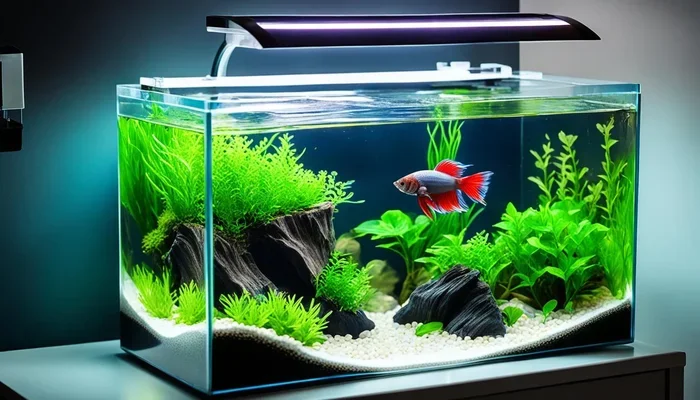
Overly oxygenated water is rarely dangerous for betta fish, but extreme oxygen levels can cause stress and gas bubble disease. Bettas need balanced water conditions, and excessive surface agitation can disrupt their natural breathing. Understanding your betta’s oxygen needs helps you create a safer, more comfortable tank environment.
Is overly oxygenated water bad for betta fish? This is a question many betta owners ask, especially when they see bubbles or strong water movement in the tank. The short answer is that moderate oxygen is essential, but too much can create problems. Let’s dive deep into this topic so you can give your betta the best care possible.
Betta fish are unique creatures. They have a special organ called the labyrinth that lets them breathe air directly from the water’s surface. This means they don’t rely solely on dissolved oxygen like other tropical fish. Because of this, the way oxygen affects bettas is a bit different from what you might expect. Understanding this difference is the first step toward keeping your fish healthy and happy.
In this guide, we’ll cover everything you need to know about oxygen levels in your betta tank. We’ll look at what happens when there’s too much oxygen, how to spot the warning signs, and what you can do to keep your tank balanced. Whether you’re a beginner or a seasoned betta keeper, this article has practical tips you can use right away.
Key Takeaways
- Bettas breathe atmospheric air: Unlike most fish, bettas use their labyrinth organ to gulp air from the surface, so they don’t need high dissolved oxygen.
- Gas bubble disease is a real risk: Supersaturated water can trap tiny bubbles in your betta’s tissues and cause serious harm.
- Surface agitation matters: Too much water movement at the surface can stress bettas and make it hard for them to rest.
- Balance is key: A gentle filter and moderate aeration provide enough oxygen without overwhelming your fish.
- Watch for warning signs: Clamped fins, erratic swimming, and surface gasping can signal oxygen-related problems.
- Water temperature affects oxygen levels: Warmer water holds less dissolved oxygen, which impacts how you manage your tank.
📑 Table of Contents
- How Betta Fish Breathe and Use Oxygen
- Can Too Much Oxygen Hurt Betta Fish?
- Signs Your Betta Tank Has Too Much Oxygen
- What Causes Over-Oxygenation in Betta Tanks
- How to Maintain the Right Oxygen Level for Your Betta
- Common Mistakes Bettas Owners Make About Oxygen
- Expert Insights on Oxygen and Betta Health
- Key Takeaways
- Conclusion
How Betta Fish Breathe and Use Oxygen
Betta fish are known as labyrinth fish. This means they have a special organ that works like a primitive lung. They can take in air directly from the surface of the water. This is a big deal because it changes how they interact with oxygen compared to other fish species.
The Labyrinth Organ Explained
The labyrinth organ sits near the gills. It allows bettas to absorb oxygen from the air they gulp at the surface. This adaptation comes from their natural habitat in warm, slow-moving waters in Southeast Asia. In the wild, bettas often live in shallow rice paddies and stagnant ponds where dissolved oxygen can be low. Their labyrinth organ helps them survive in these conditions.
Because of this unique breathing system, bettas don’t need high levels of dissolved oxygen in the water. A gentle filter that causes mild surface movement is usually enough. You don’t need a powerful air pump or heavy aeration equipment. In fact, too much water movement can actually stress your betta out.
What Dissolved Oxygen Means for Bettas
Dissolved oxygen is the oxygen that’s mixed into the water. Most fish depend on this to breathe through their gills. But bettas can supplement this by breathing air. So while dissolved oxygen is still important, it’s not the only way your betta gets oxygen.
Ideally, you want the dissolved oxygen level in your betta tank to be around 5 to 7 parts per million (ppm). This is comfortable for most bettas. Anything significantly higher or lower can cause issues. The key is maintaining a natural balance that mimics their native environment.
Quick Tip: If you notice your betta spending a lot of time at the surface gulping air, that’s normal behavior. But if they seem frantic or are gasping nonstop, check your water parameters. This could be a sign of low dissolved oxygen or poor water quality.
Can Too Much Oxygen Hurt Betta Fish?
Now let’s address the big question: is overly oxygenated water bad for betta fish? The answer is yes, but only in extreme cases. Normal oxygen levels are safe and even beneficial. However, when oxygen levels spike far above what’s natural, problems can arise.
Gas Bubble Disease in Bettas
One of the most serious risks of too much oxygen is gas bubble disease. This happens when the water becomes supersaturated with gases, including oxygen and nitrogen. Tiny bubbles form inside your betta’s body. These bubbles can appear in the fins, eyes, and even internal organs.
Gas bubble disease is not common in home aquariums, but it does happen. It’s often caused by:
– Sudden temperature changes in the water
– High-pressure water systems
– Overly powerful air pumps or bubblers
– Water that’s been treated with chemicals that release excess gas
Signs of gas bubble disease include small bubbles under the skin, floating difficulty, and clamped fins. If you notice any of these symptoms, you should act quickly. Test your water parameters and reduce aeration immediately.
Stress from Excessive Surface Agitation
Even if gas bubble disease doesn’t develop, too much oxygen often means too much water movement. Bettas are not strong swimmers. They prefer calm, slow-moving water. When the surface of the tank is churning with bubbles and ripples, it can be exhausting for your fish.
Stressed bettas show several behaviors:
– They stay at the bottom of the tank more than usual
– Their fins clench close to their body
– They stop eating or eat less
– They have trouble resting at the surface
Some keepers use strong air pumps to “oxygenate” their tanks, thinking more oxygen is always better. But for bettas, gentle filtration is better than heavy aeration. A sponge filter set to a low flow rate works perfectly. It provides enough water movement without stressing your fish.
Signs Your Betta Tank Has Too Much Oxygen
It’s not always easy to tell if your tank has too much oxygen. Unlike temperature or pH, oxygen levels aren’t always visible. But there are clues that can help you figure it out.
Physical Signs in Your Betta
Watch your betta closely for these warning signs:
– Bubbles under the skin: Tiny pinhead-sized bubbles trapped under the scales or fins can signal gas supersaturation.
– Erratic swimming: If your betta is darting around the tank or swimming in spirals, the water conditions may be off.
– Clamped fins: Fins held close to the body indicate discomfort or stress.
– Loss of appetite: A betta that won’t eat may be feeling unwell due to water issues.
Environmental Clues in the Tank
Look at the tank itself for signs of over-oxygenation:
– Constant heavy surface agitation with lots of splashing
– A strong air pump that creates a roaring sound
– Foam or froth building up along the edges of the tank
– Bubbles constantly rising from the bottom rather than just the surface
These signs don’t always mean the oxygen level is dangerous, but they do suggest the water conditions aren’t ideal for a betta. Adjusting your equipment can make a big difference.
What Causes Over-Oxygenation in Betta Tanks
Understanding what leads to too much oxygen can help you prevent the problem in the first place. Several common mistakes can push oxygen levels too high.
Using Too Powerful of an Air Pump
This is the most common cause. Many beginner betta keepers buy air pumps designed for larger or more active fish tanks. They hook them up to a small betta bowl or tank without adjusting the output. The result is excessive bubbling and surface agitation that overwhelms the fish.
If you already have an air pump, you can reduce its strength. Use a valve to dial back the airflow. Or place the air stone deeper in the tank to diffuse the bubbles more gently. Sometimes simply moving the air stone to a corner away from your betta’s favorite resting spot helps a lot.
Sudden Water Temperature Changes
Temperature plays a big role in how oxygen behaves in water. Cold water holds more dissolved oxygen than warm water. When you do a water change with cold tap water for betta fish, the sudden temperature drop can cause oxygen to spike temporarily.
Always make sure your new water is close to the tank temperature before adding it. Use a thermometer to check. Room temperature water usually works, but letting it sit for a few hours can help it match the tank more closely.
Power Filters and Strong Water Flow
Hang-on-back filters and canister filters create strong currents. While these are great for many fish species, they’re often too powerful for bettas. The churning water at the surface increases oxygen exchange rapidly, which can lead to over-saturation in a small tank.
For betta tanks, sponge filters are the best choice. They provide gentle biological filtration without creating strong currents. If you must use a power filter, point the outflow away from your betta and consider baffling the flow with a sponge pre-filter.
How to Maintain the Right Oxygen Level for Your Betta
Getting the oxygen balance right isn’t complicated. It comes down to choosing the right equipment and monitoring your tank regularly.
Choose Gentle Filtration
A sponge filter is the gold standard for betta tanks. It provides mechanical and biological filtration without creating harsh currents. The gentle bubbling also adds just enough oxygen to keep your betta healthy.
Make sure the filter flow rate is appropriate for your tank size. A filter that turns over the tank volume 4 times per hour is usually fine. Anything much stronger might be too much for a betta.
Monitor Water Temperature
Betta fish thrive in water temperatures between 76°F and 82°F (24°C to 28°C). As water warms up, it holds less dissolved oxygen. This means you may need slightly more surface agitation in warmer months. But remember, more agitation doesn’t always mean better. A gentle ripple at the surface is enough.
Watch out for extreme temperatures. Water that is too hot for betta fish can drop oxygen levels dangerously low. On the flip side, water that is too cold for betta fish can stress them and raise oxygen levels too high. Keeping the temperature stable is one of the best ways to maintain natural oxygen balance.
Do Regular Water Changes
Regular water changes help maintain balanced water chemistry. When you replace old water with fresh water, the oxygen levels reset naturally. Just make sure the new water is treated properly.
Use a water conditioner for betta fish to remove chlorine and chloramine from tap water. These chemicals can harm your betta and affect the dissolved gas balance in the tank. A good conditioner makes tap water safe without adding excess chemicals that could alter oxygen levels.
Quick Tip: When adding new water during a water change, pour it slowly onto a plate or bowl. This prevents splashing and excess surface agitation that can spike oxygen levels suddenly.
Use a Test Kit
If you’re worried about oxygen levels, grab a dissolved oxygen test kit. These are affordable and easy to use. They give you a precise reading so you can make informed decisions about your tank setup.
You can also watch your betta’s behavior as a natural indicator. A healthy betta will swim calmly, come to the surface to breathe occasionally, and eat well. If anything seems off, test the water before jumping to conclusions.
Common Mistakes Bettas Owners Make About Oxygen
Even experienced betta keepers can make mistakes when it comes to oxygen management. Here are the most common ones to avoid.
Assuming More Bubbles Means Healthier Water
It’s tempting to think that a tank full of bubbles is a well-oxygenated tank. But for bettas, a heavily oxygenated tank can be a stressful tank. Bettas don’t need the kind of aeration that works for goldfish or tropical community fish. Less is more when it comes to betta tanks.
Ignoring the Connection Between Filtration and Oxygen
Many people think filtration and aeration are the same thing. They’re not. Filtration removes waste and toxins. Aeration adds oxygen to the water. A good sponge filter does both gently. But a strong power filter mainly just moves water around, which can create too much oxygen exchange for a betta.
Overlooking the Role of Water Chemistry
The pH and mineral content of your water affect how oxygen behaves. Soft water tends to hold less oxygen than hard water. If you use soft water for betta fish, you may need to adjust your aeration slightly to compensate. Testing your water regularly gives you the data you need to make these adjustments.
Also, keep in mind that tap water for betta fish often contains dissolved gases from the municipal water treatment process. Letting tap water sit for 24 hours before adding it to the tank helps release excess gases and brings the oxygen to a natural level.
Expert Insights on Oxygen and Betta Health
Veterinary aquatic specialists and experienced betta breeders agree on a few key points about oxygen management. The goal is to replicate the slow-moving, warm waters that bettas come from in the wild. This means gentle filtration, minimal surface disturbance, and stable temperatures.
Most experts recommend a sponge filter as the primary filtration method for betta tanks. If you want to add extra aeration, a small air pump with a diffuser set to its lowest setting works well. The bubbles should be few and gentle, not a constant stream.
Remember that bettas are labyrinth fish. They will always get some oxygen from the air. So even if the dissolved oxygen dips slightly, your betta can compensate by breathing at the surface. This gives you a wider margin of error than with other fish species, but it doesn’t mean you should ignore water quality entirely.
Key Takeaways
- Bettas breathe air: Their labyrinth organ means they don’t need high dissolved oxygen levels.
- Over-oxygenation is rare but possible: Extreme levels can cause gas bubble disease and stress.
- Gentle filtration is best: Sponge filters provide the right balance without overwhelming your betta.
- Watch for warning signs: Erratic swimming, clamped fins, and skin bubbles are red flags.
- Temperature matters: Stable water temperature helps maintain natural oxygen balance.
- Less is more: Bettas thrive in calm water with minimal surface agitation.
Conclusion
So, is overly oxygenated water bad for betta fish? In most cases, normal oxygen levels are perfectly safe. But when oxygen spikes too high, it can lead to gas bubble disease and unnecessary stress. The good news is that with the right setup, you can easily avoid these problems.
Keep your filtration gentle, your water temperature stable, and your tank environment calm. Your betta will thrive in balanced water that provides just enough oxygen without going overboard. Pay attention to your fish’s behavior, test your water regularly, and make adjustments as needed.
A happy betta is a healthy betta. By understanding their unique oxygen needs, you’re already ahead of most fish keepers. Your betta will thank you with vibrant colors, active swimming, and a long, joyful life in your care.
FAQs
Can a fish tank have too much oxygen for betta fish?
Yes, in rare cases. When oxygen levels become supersaturated, it can cause gas bubble disease. This happens most often with powerful air pumps or sudden temperature changes. Keeping aeration gentle and gradual prevents this problem.
How do I know if my betta tank has too much oxygen?
Look for signs like bubbles under your betta’s skin, erratic swimming, clamped fins, or heavy surface agitation. If the tank is constantly splashing or roaring, the aeration is likely too strong. A calm surface with gentle ripples is ideal.
Do betta fish need an air pump?
Not necessarily. Bettas can breathe atmospheric air through their labyrinth organ. A gentle sponge filter provides enough oxygen exchange without an air pump. If you do use one, keep it on the lowest setting.
What happens if a betta breathes too much air?
Breathing air is normal for bettas. However, if the surface water is heavily agitated, it can be hard for them to rest. They may also swallow excess air, which can cause bloating or swim bladder issues over time.
Is tap water safe for betta fish if it has enough oxygen?
Tap water needs to be treated with a conditioner before adding it to a betta tank. Chlorine and chloramine in untreated tap water are harmful regardless of oxygen levels. Always condition your water and let it sit to reach room temperature first.
Can water temperature affect oxygen levels in a betta tank?
Yes, absolutely. Warm water holds less dissolved oxygen than cold water. This is why stable temperatures between 76°F and 82°F are important for bettas. Sudden temperature swings can also cause rapid changes in gas saturation, which stresses your fish.