Do Betta Fish Grow in Size
Yes, betta fish do grow in size — they start tiny and gradually reach their full length over several months. Understanding betta fish growth helps you provide the right care, tank size, and nutrition at every stage. This guide covers everything from newborn betta size to adult dimensions, plus practical tips to support healthy development.
If you own a betta fish or are thinking about getting one, you might wonder, do betta fish grow in size? The short answer is yes. Betta fish grow from tiny newborns into full-sized adults over the course of several months. But the journey is not always straightforward.
Many new fish owners assume their little betta will stay small forever. Others worry that their fish seems to stop growing. The truth is, betta fish growth depends on several factors. Tank size, diet, water quality, and genetics all play a role. In this guide, we break down everything you need to know about how bettas grow, what to expect at each stage, and how you can help your fish thrive.
Whether you have a baby betta or a full-grown adult, this article gives you practical tips to support healthy betta fish size at every point in their life. Let us dive in.
Key Takeaways
- Betta fish grow steadily from a few millimeters at birth to about 2.5 to 3 inches as adults.
- Growth stages matter — each phase has different feeding and tank requirements for optimal development.
- Tank size affects growth — a cramped tank can stunt your betta’s size and overall health.
- Diet plays a huge role — protein-rich foods fuel proper betta fish growth and vibrant color.
- Water quality and temperature directly impact how fast and how well your betta grows.
- Genetics and sex matter — male and female bettas may differ slightly in size and growth rate.
- Watch for warning signs like stunted growth or loss of appetite that could signal health issues.
📑 Table of Contents
How Big Do Betta Fish Get?
Most adult betta fish reach between 2.5 and 3 inches in length. That includes their tail fins, which can add extra visual length. Some well-cared-for bettas may even stretch slightly beyond 3 inches. But size varies based on sex, genetics, and living conditions.
Here is a quick look at typical betta sizes:
- Newborn bettas: About 3 to 5 millimeters long
- Juvenile bettas (1 to 3 months): Around 0.5 to 1 inch
- Sub-adult bettas (3 to 6 months): Around 1 to 2 inches
- Adult bettas (6 months and older): 2.5 to 3 inches
Male bettas tend to have longer fins and slightly more vibrant colors, but they are not always bigger in body size than females. Female bettas often have a rounder body shape. When people ask do betta fish grow in size, they usually mean body length, not fin length. Both grow, but fins are what really make a betta look impressive.
Do Betta Fish Grow Fast?
Betta fish growth is fast in the first few months. A baby betta can double in size within the first month of life. By the time they reach 3 to 4 months old, they are close to their adult size. After that, growth slows down significantly. Most bettas reach their full betta fish size by around 6 to 7 months of age.
If you want more detail on the speed of growth, check out our article on do betta fish grow fast. It covers timelines and what to expect week by week.
Betta Fish Growth Stages
Understanding the different betta fish growth stages helps you give your fish exactly what it needs at each phase. You would not feed a baby the same way you feed an adult, and the same logic applies to tank setup.
Stage 1: Newborn (0 to 2 Weeks)
Baby bettas are incredibly tiny — barely visible to the naked eye. They are about the size of a grain of rice. During this stage, they still have their yolk sac and do not need external food. They absorb nutrients from the sac itself. Keep the water extremely clean and warm, around 78 to 80 degrees Fahrenheit.
Stage 2: Free-Swimming Fry (2 to 4 Weeks)
Once the yolk sac is absorbed, baby bettas start swimming freely. They are still very small and need infusoria or baby brine shrimp. Feed them tiny amounts several times a day. Growth during this stage is rapid, and you will notice visible changes almost daily.
Stage 3: Juvenile (1 to 3 Months)
This is when betta fish growth really kicks into high gear. Your fish is now around 0.5 to 1 inch long. You can start feeding them larger foods like crushed pellets and frozen bloodworms. Their colors begin to show, and their fins start to develop. This is also a good time to move them into a slightly larger tank if they are still in a cup or small container.
Stage 4: Sub-Adult (3 to 6 Months)
At this point, your betta is growing quickly and starting to look like a mini adult. They are around 1.5 to 2 inches long. Males may begin developing longer fins and more intense coloration. Females may appear more rounded in the belly area. This stage is crucial for setting up a proper betta fish tank size that supports continued growth.
Stage 5: Adult (6 Months and Beyond)
Your betta is now fully grown. They have reached their adult betta fish size of about 2.5 to 3 inches. Growth slows down, but they continue to fill out and develop more vibrant colors. Maintaining good water quality and a balanced diet keeps adult bettas healthy and happy for years.
Factors That Affect Betta Fish Growth
Several factors determine how well and how fast your betta grows. Some you can control, and some you cannot. Here is a breakdown of the most important ones.
Tank Size and Environment
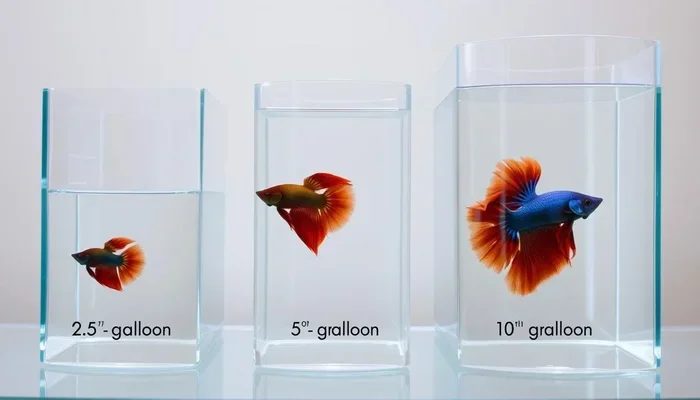
This is one of the biggest factors people overlook. A betta kept in a tiny cup or bowl will not reach its full potential. Betta fish need room to grow, and a cramped environment can actually stunt their development. A tank of at least 5 gallons is recommended for a single betta. If you want to learn more about ideal tank sizes, read our guide on what size tank should betta fish live in.
A larger tank also means more stable water parameters. Stable water conditions reduce stress, and less stress equals better growth. If you are wondering whether bettas do well in bigger tanks, the answer is yes. Check out our article on do betta fish do well in big tanks for more details.
Diet and Nutrition
Food is fuel for growth. A protein-rich diet is essential for healthy betta fish development. In the wild, bettas eat insects, larvae, and small crustaceans. In captivity, you should replicate that diet as closely as possible.
Here are some great food options for growing bettas:
- High-quality betta pellets (the staple diet)
- Frozen or live bloodworms (as a treat)
- Baby brine shrimp (especially for fry)
- Daphnia (helps with digestion and growth)
- Mosquito larvae (a natural favorite)
Feed your betta 2 to 3 small meals per day. Overfeeding can lead to bloating and poor water quality, both of which hurt growth. Underfeeding is just as bad — a malnourished betta will not grow properly.
Water Quality and Temperature
Bettas are tropical fish and need warm, clean water. The ideal temperature range is 76 to 82 degrees Fahrenheit. Colder water slows down their metabolism, which directly affects growth rate. Warmer water within the safe range speeds up metabolism and promotes faster betta fish growth.
Water quality is equally important. Ammonia and nitrite levels should always be at zero. Nitrate should stay below 20 ppm. Regular water changes (about 25 to 30 percent weekly) keep the environment healthy and support steady growth.
Genetics
Just like humans, bettas inherit certain traits from their parents. Some bettas are simply genetically predisposed to grow larger or develop faster. You cannot change genetics, but you can control everything else to give your fish the best chance to reach its genetic potential.
Sex Differences in Size
Male and female bettas differ slightly in body shape and fin length. Males typically have longer, more flowing fins, which can make them appear larger. Females tend to have a stockier, rounder body. In terms of pure body length, the difference is minimal. Both sexes reach similar betta fish size when properly cared for.
How to Help Your Betta Fish Grow Properly
Now that you know the factors involved, here are actionable steps to support healthy betta fish growth.
1. Start with the Right Tank
Do not keep your betta in a tiny bowl. A 5-gallon tank is the minimum for a single betta. If you have the space, a 10-gallon tank offers even more room for exploration and exercise, which supports overall health and growth. You can also learn more about betta fish tank size in our detailed guides.
2. Feed a Balanced Diet
Rotate between high-quality pellets and protein-rich treats. Do not rely on flakes meant for tropical community fish — they do not provide enough protein for bettas. A well-fed betta grows faster and maintains better color.
3. Keep Water Parameters Stable
Invest in a good thermometer and a water testing kit. Monitor temperature and ammonia levels regularly. Stable conditions reduce stress and create the ideal environment for growth.
4. Provide Enrichment
Bettas are curious fish. Add plants, caves, and open swimming areas. A stimulating environment encourages natural behavior and keeps your fish active, which supports healthy development. For more on this, see our article on do betta fish get bored in a tank.
5. Be Patient
Growth takes time. Do not panic if your betta seems to slow down after a few months. That is completely normal. By 6 to 7 months, most bettas have reached their full size.
Common Myths About Betta Fish Size
There is a lot of misinformation out there about betta fish size. Let us clear up a few common myths.
Myth 1: Bettas Stay Small Because They Live in Small Bowls
This is one of the most persistent myths. Bettas do not stay small because of their bowl — they stay small because of poor care. A betta given a proper tank, good food, and clean water will grow to its full size. The bowl itself does not limit growth; the conditions inside it do.
Myth 2: All Bettas Are the Same Size
Not true. While most adult bettas fall in the 2.5 to 3-inch range, some individuals may be slightly larger or smaller. Genetics, diet, and tank conditions all contribute to the final size.
Myth 3: Betta Fish Stop Growing After a Few Weeks
Bettas grow rapidly in the first few months, but they do not stop growing after just a few weeks. They continue developing in size, color, and fin length for up to 6 to 7 months. Growth may slow down, but it does not stop abruptly.
When to Worry About Your Betta’s Growth
Most of the time, betta fish growth follows a predictable pattern. But sometimes, something goes wrong. Here are signs that your betta may not be growing as it should.
- Stunted growth: Your betta has not grown in weeks or months despite proper care.
- Loss of appetite: A betta that stops eating will not grow. Check water parameters and look for signs of illness.
- Clamped fins: Fins held close to the body can indicate stress or disease.
- Bulging eyes or bloating: These symptoms may point to internal issues that affect overall health and growth.
- Faded colors: A loss of color can signal stress, poor diet, or illness.
If you notice any of these signs, test your water immediately and consider consulting a veterinarian who specializes in fish. Early intervention can make a big difference in your betta’s recovery and long-term health.
Do Betta Fish Ever Stop Growing?
Bettas reach their full size by around 6 to 7 months. After that, they do not grow significantly in length. However, they may continue to fill out and gain a bit of weight as they mature. If your adult betta suddenly loses size or appears thinner, that is a red flag and worth investigating.
For more information on whether bettas grow back fins or scales, you can explore our articles on do betta fish grow back their fins and do betta fish grow their scales back.
Final Thoughts
Do betta fish grow in size? Absolutely. From a tiny fry barely visible to the eye, bettas grow into colorful, elegant fish that can reach 2.5 to 3 inches in length. The key is providing the right environment, nutrition, and care at every stage of their development.
Tank size matters more than most people realize. A cramped space can slow down betta fish growth and lead to health problems. A balanced diet rich in protein fuels proper development. Stable water conditions keep stress low and growth steady. And patience goes a long way — your betta needs time to reach its full potential.
If you take nothing else away from this guide, remember this: a well-cared-for betta will grow to its full size and live a happy, healthy life. Give your fish the space, food, and clean water it deserves, and you will be rewarded with a vibrant companion that brings joy to your home for years to come.
Frequently Asked Questions
How big do betta fish get when fully grown?
Most adult betta fish reach between 2.5 and 3 inches in length. Males often appear larger due to their longer fins, but body size is similar between sexes. Proper care and nutrition help your betta reach its full betta fish size.
How fast do betta fish grow in the first month?
Baby bettas grow rapidly in their first month, often doubling in size from about 3 to 5 millimeters to around 0.5 inches. This early growth stage is critical for setting the foundation for healthy development.
Can a small tank stunt betta fish growth?
Yes, a tank that is too small can stress your betta and potentially slow down growth. A minimum of 5 gallons is recommended. Learn more about proper betta fish tank size in our detailed guides.
What should I feed my betta to support healthy growth?
A protein-rich diet is essential. Feed high-quality betta pellets as a staple, and supplement with frozen bloodworms, baby brine shrimp, or daphnia. Avoid overfeeding, as it can lead to bloating and poor water quality.
Do male and female betta fish grow to the same size?
In terms of body length, males and females are very similar at around 2.5 to 3 inches. Males tend to have longer fins, which can make them appear larger overall. Both sexes reach similar betta fish size with proper care.
At what age are betta fish fully grown?
Most bettas reach their full size by 6 to 7 months of age. Growth slows significantly after the first few months, and by this point, your betta has reached its adult betta fish growth stage.