Do Betta Fish Go Up for Air
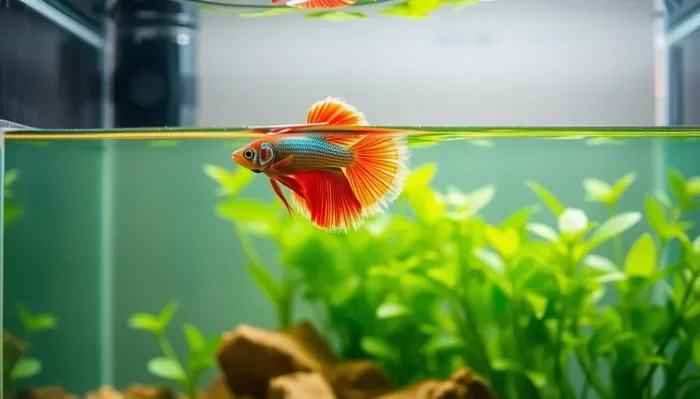
Yes, betta fish do go up for air, and it is completely normal behavior. Bettas have a special organ called the labyrinth that lets them breathe atmospheric air directly from the surface. Understanding this unique trait helps every betta owner provide better care and spot potential problems early.
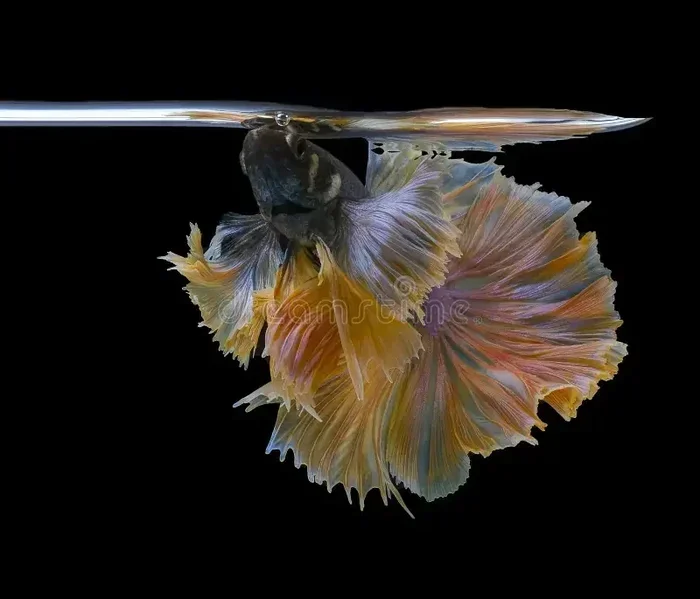
Do betta fish go up for air? If you have ever watched your betta rise to the surface and take a gulp, you are not alone. This is one of the most common questions new betta owners ask. The short answer is yes. Betta fish do go up for air, and it is a completely natural part of how they survive.
Betta fish have a special breathing adaptation that most other fish do not have. They possess something called a labyrinth organ, which allows them to extract oxygen directly from the air. This means your betta does not rely solely on the water around it to breathe. Instead, it visits the surface regularly to take in gulps of atmospheric air. This ability is what makes bettas such fascinating and resilient fish.
However, while going up for air is normal, how often and how your betta behaves at the surface tells you a lot about its health and tank conditions. In this guide, we will explore everything you need to know about why bettas come up for air, when it is a sign of trouble, and how you can keep your fish happy and comfortable. Whether you are a beginner or a seasoned aquarist, understanding this behavior is key to great betta fish care.
Key Takeaways
- Betta fish breathe air using a labyrinth organ: This special structure allows them to gulp oxygen from the surface, making surface visits a natural and healthy behavior.
- Going up for air is normal: Your betta surfacing regularly does not mean something is wrong. It is simply how they are built to breathe.
- Excessive gulping can signal a problem: If your betta keeps going up for air more than usual, it could point to low oxygen, poor water quality, or a stressed fish.
- Tank setup matters: A proper tank with good filtration and gentle water flow supports healthy breathing without stressing your betta out.
- You do not need an air pump: Bettas prefer calm water. A strong air pump can create too much surface disturbance and stress your fish.
- Water quality is critical: Dirty or low-oxygen water forces bettas to come up for air more often. Regular water changes and proper cycling keep conditions ideal.
📑 Table of Contents
Why Do Betta Fish Go Up for Air?
The Labyrinth Organ Explained
Betta fish belong to a group called labyrinth fish. This means they have a specialized organ above their gills called the labyrinth. The labyrinth works like a tiny lung. When your betta swims to the surface, it takes in a bubble of air. That air passes over the labyrinth organ, where oxygen is absorbed directly into the bloodstream. At the same time, carbon dioxide is released back into the air bubble. Then the betta releases the used air and takes another breath.
This adaptation evolved because bettas originally lived in shallow, slow-moving waters in Southeast Asia. These habitats, like rice paddies and flood plains, often had warm, stagnant water with low dissolved oxygen. The labyrinth organ allowed bettas to survive in places where other fish could not. So when your betta goes up for air, it is doing exactly what its ancestors did for thousands of years.
Is It Normal for Betta Fish to Breathe Air?
Absolutely. Do betta fish breathe air? Yes, they do. And it is not just normal. It is essential. A betta that never comes up for air may actually be in trouble. Unlike most fish that depend entirely on dissolved oxygen in water, bettas need access to the surface. Without it, they could suffocate even in perfectly clean water.
You should expect your betta to visit the surface several times a day. Some bettas do it casually, barely breaking the surface tension. Others gulp more dramatically, pulling their mouths right up to the air. Both behaviors fall within the normal range. As long as your fish is not gasping frantically or staying at the surface constantly, there is no reason to worry.
When Should You Be Concerned?
Excessive Surface Gasping
While going up for air is normal, doing it too often or too frantically is not. If you notice your betta gasping for air at the surface constantly, this is a red flag. It could mean the water has low oxygen levels. It might also signal poor water quality, high ammonia, or an unhealthy tank environment.
Here are some signs that your betta’s surface breathing has become a problem:
- Your betta stays at the surface for long periods without swimming away.
- The gulping looks rapid, labored, or panicked.
- Your betta seems lethargic or uninterested in food.
- You notice other fish in the tank showing similar behavior.
- The water smells bad or looks cloudy.
If you see these signs, it is time to test your water. Use a liquid test kit to check ammonia, nitrite, and nitrate levels. Also check the temperature. Bettas thrive in warm water between 76 and 82 degrees Fahrenheit. Cold or fluctuating temperatures can stress your fish and make breathing harder.
Low Oxygen in the Tank
Dissolved oxygen in water can drop for several reasons. Overcrowding, high water temperatures, and poor filtration all reduce oxygen levels. Dead plant matter and excess waste also consume oxygen as it breaks down. When oxygen drops, your betta has to work harder to get enough air from the surface.
The good news is that you do not need a powerful air pump to solve this. In fact, many betta owners make the mistake of adding a strong air stone, which creates too much surface agitation. Bettas prefer calm water. A gentle sponge filter or a well-maintained hang-on-back filter usually provides enough surface movement to keep oxygen levels healthy without stressing your fish.
Want to learn more about whether air pumps are right for your setup? Check out our guide on do betta fish like air pump circulation for expert advice on creating the perfect environment.
How to Set Up a Tank That Supports Healthy Breathing
Tank Size and Surface Area
The size of your tank matters more than you might think. A larger tank has more surface area, which allows more gas exchange between the water and the air. This naturally boosts oxygen levels. A five-gallon tank is the minimum recommended size for a single betta, but a ten-gallon tank gives your fish more room and better water stability.
Here are some quick tips for maximizing surface area and oxygen exchange:
- Keep the water level about one inch from the top of the tank. This gives your betta easy access to the surface.
- Avoid tall, narrow tanks. Wide, shallow tanks exchange gases more efficiently.
- Do not cover the tank completely. You need some opening for air exchange, unless you have a fitted lid with small gaps.
- Keep the filter output pointing toward the surface gently to agitate the top layer of water.
Filtration Without Stress
Betta fish need clean water, but they do not like strong currents. A filter that is too powerful will push your betta around and make it hard to rest. Choose a filter with adjustable flow or sponge it down with a pre-filter sponge. The goal is to keep the water clean and well-circulated without creating a raging river inside the tank.
For a deeper dive into betta tank setup, our article on how to set up a fish tank for betta fish walks you through every step with clear instructions and helpful photos.
Water Quality and Maintenance
Clean water is the foundation of healthy betta breathing. Ammonia and nitrite are toxic to fish and can damage gill tissue, making it harder for your betta to extract oxygen from the water. When the water is dirty, your betta compensates by coming up for air more frequently.
Follow these simple maintenance steps:
- Cycle your tank before adding your betta. A fully cycled tank has beneficial bacteria that break down waste products.
- Do weekly water changes of 25-30 percent. Use a gravel vacuum to remove debris from the substrate.
- Always use water conditioner. Tap water contains chlorine and chloramine that harm fish. A good conditioner neutralizes these chemicals instantly.
- Test your water regularly. A liquid test kit is far more accurate than test strips. Test for ammonia, nitrite, nitrate, and pH at least once a month.
Common Mistakes Bettas Owners Make About Air and Breathing
Thinking Air Pumps Are Necessary
One of the biggest myths in the betta hobby is that you need an air pump. Bettas do not need a bubble wall or a strong air stone to survive. In fact, many bettas find heavy aeration stressful. The gentle flow from a good filter is usually all the water movement they need. If you do use an air pump, keep it on a low setting and consider placing a sponge on the outlet to diffuse the bubbles.
Ignoring the Surface
Some owners use tight-fitting lids without any gap for air exchange. This can trap carbon dioxide and reduce oxygen at the surface. Always make sure your tank has some opening for fresh air to reach the water. If you use a full hood, ensure it has small vents or gaps that allow gas exchange while still keeping dust and debris out.
Confusing Normal Breathing with Illness
It is easy to panic when you see your betta at the surface. But remember, do betta fish have to come up for air? Yes, they do. A betta sitting calmly at the surface and taking occasional gulps is perfectly healthy. Only when the behavior is frantic, constant, or paired with other symptoms like clamped fins, loss of color, or refusal to eat should you be concerned.
If you want to understand the difference between normal behavior and distress, our article on why is my betta fish gasping for air covers this topic in detail and helps you identify the root causes quickly.
How Temperature Affects Betta Breathing
Water temperature plays a huge role in how much oxygen dissolves in your tank. Warmer water holds less dissolved oxygen than cooler water. This means your betta may come up for air more often in a warm tank. But here is the catch: bettas need warm water to stay healthy. The ideal range is 76 to 82 degrees Fahrenheit. So you have to balance warmth with oxygen levels.
Using a reliable aquarium heater with a thermostat helps maintain a stable temperature. Sudden temperature swings are even worse than a slightly warm tank. Fluctuating temperatures stress your betta and weaken its immune system, making it more susceptible to disease and breathing difficulties.
If you are setting up a new tank or upgrading your equipment, consider a heater with a built-in thermometer. This makes it easy to monitor the temperature without constantly checking a separate device. Stable conditions lead to a happy, healthy betta that does not have to work overtime to breathe.
Key Takeaways
- Betta fish breathe air using a labyrinth organ: This special structure allows them to gulp oxygen from the surface, making surface visits a natural and healthy behavior.
- Going up for air is normal: Your betta surfacing regularly does not mean something is wrong. It is simply how they are built to breathe.
- Excessive gulping can signal a problem: If your betta keeps going up for air more than usual, it could point to low oxygen, poor water quality, or a stressed fish.
- Tank setup matters: A proper tank with good filtration and gentle water flow supports healthy breathing without stressing your betta out.
- You do not need an air pump: Bettas prefer calm water. A strong air pump can create too much surface disturbance and stress your fish.
- Water quality is critical: Dirty or low-oxygen water forces bettas to come up for air more often. Regular water changes and proper cycling keep conditions ideal.
Conclusion
So do betta fish go up for air? Yes, and it is one of the most interesting things about keeping these beautiful fish. Their labyrinth organ gives them a unique ability that sets them apart from most other aquarium fish. Understanding this behavior helps you be a better owner and a more attentive caretaker.
The next time you see your betta rise to the surface for a gentle gulp, you can smile and know that everything is working exactly as nature intended. Just keep an eye out for the warning signs of trouble. Frantic gasping, constant surface staying, and paired symptoms all deserve your attention. With clean water, proper temperature, and a calm tank environment, your betta will breathe easy and thrive for years to come.
If you want to dive deeper into betta care, check out our comprehensive guide on how do you care for a betta fish for tips on feeding, tank setup, and keeping your fish healthy and vibrant.
Frequently Asked Questions
Do betta fish need to come up for air?
Yes, betta fish need to come up for air. They have a labyrinth organ that allows them to breathe atmospheric air. Without access to the surface, a betta cannot get enough oxygen and could suffocate, even in clean water.
Is it normal for a betta to stay at the surface all the time?
No, staying at the surface constantly is not normal. If your betta is spending all its time at the top and not swimming normally, it could indicate low oxygen, poor water quality, or illness. Test your water parameters and observe for other symptoms.
Can I use an air pump with a betta fish?
You can, but it is usually not necessary. Bettas prefer calm water and a strong air pump can create too much current. If you do use one, keep it on a low setting and use a sponge diffuser to soften the bubbles.
Why does my betta gulp air right after a water change?
This can happen if the new water is colder or has lower oxygen levels. It can also occur if water conditioner was not added properly. Always match the temperature of new water to the tank and treat it with conditioner before adding it.
How can I increase oxygen in my betta tank without an air pump?
The best ways are to increase surface agitation gently with your filter output, do regular water changes, and keep the tank at the proper temperature. Adding live plants can also help boost oxygen levels naturally through photosynthesis.
What should I do if my betta is gasping for air?
First, test your water for ammonia and nitrite. Both should be at zero. Check the temperature and make sure it is within the ideal range. Do a partial water change immediately if parameters are off. If the gasping continues, look for signs of disease or gill damage and consider consulting a fish veterinarian.