Do Betta Fish Get Zoomies
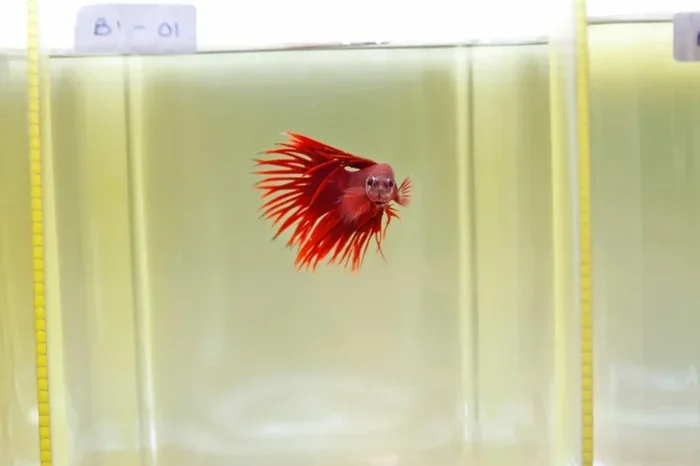
Yes, betta fish do get zoomies! These sudden bursts of rapid swimming are a natural behavior that many betta owners notice. Understanding why your betta gets the zoomies can help you improve its overall health and happiness.
If you have ever walked past your aquarium and seen your betta fish suddenly dart from one end of the tank to the other like a tiny lightning bolt, you have witnessed the infamous betta fish zoomies. These sudden bursts of energy can be funny, surprising, and sometimes even a little worrying. But here is the good news: in most cases, zoomies are completely normal and even a sign of a happy fish.
So, do betta fish get zoomies? Absolutely. And in this guide, we are going to cover everything you need to know about this fascinating behavior. We will look at what causes zoomies, when they are a concern, and what you can do to keep your betta healthy and stimulated. Whether you are a new betta owner or have had fish for years, this article will help you understand your finned friend a little better.
Key Takeaways
- Zoomies are normal: Betta fish naturally experience bursts of high energy and rapid swimming, especially in the morning or after rest.
- Boredom is a common trigger: A dull tank with no enrichment can cause your betta to swim erratically out of sheer restlessness.
- Health matters: While zoomies are usually harmless, persistent erratic swimming may signal stress, poor water quality, or illness.
- Tank setup plays a role: Adding plants, caves, and decorations gives your betta mental stimulation and reduces excessive energy bursts.
- Diet affects behavior: Overfeeding or feeding the wrong foods can lead to hyperactive swimming and digestive issues.
- Know the difference: Learning to tell the difference between playful zoomies and signs of distress is key to good betta care.
📑 Table of Contents
- What Are Betta Fish Zoomies?
- Why Do Betta Fish Get Zoomies?
- Are Zoomies a Sign of a Happy Fish?
- How to Prevent Excessive Zoomies
- When to Be Concerned About Your Betta’s Swimming
- Betta Fish Zoomies vs. Other Abnormal Swimming Behaviors
- Tips for Keeping Your Betta Active and Healthy
- Final Thoughts on Betta Fish Zoomies
What Are Betta Fish Zoomies?
The term “zoomies” comes from the way pets suddenly burst into fast, frantic movement for no obvious reason. With betta fish, this looks like your fish quickly darting around the tank, flipping, spinning, or racing from one side to the other. It usually lasts for a few seconds to a couple of minutes, and then your betta settles back down.
Betta fish are natural swimmers. In the wild, they move through rice paddies, slow streams, and shallow ponds. They are built for short bursts of speed, which is exactly what zoomies look like. A betta flare, a quick chase of a food particle, or a sudden sprint across the tank all fall under this category of betta fish behavior.
These energy bursts are most common in the morning or evening. You might also notice them after your betta has been resting near a leaf or a log. Think of it like a cat waking up from a nap and suddenly racing around the house. Your betta is simply releasing built-up energy.
When Do Betta Fish Get the Zoomies?
Timing matters when it comes to understanding zoomies. Here are the most common moments you will notice your betta darting around:
- Morning time: After a long night of rest, bettas often wake up with a burst of energy.
- After feeding: Some bettas get hyper after eating, especially if the food is particularly exciting.
- During tank maintenance: Water changes or filter cleaning can stir things up and trigger a reaction.
- When the lights turn on: A sudden change in light can make your betta suddenly active.
- After periods of boredom: If the tank has nothing to explore, your betta may swim fast just to pass the time.
Most of the time, these moments are perfectly fine. Your fish is just being a fish. But if the zoomies happen constantly or seem frantic, it is worth taking a closer look at what might be causing them.
Why Do Betta Fish Get Zoomies?
There are several reasons why your betta might suddenly start racing around the tank. Some are perfectly harmless, while others might point to something you need to fix. Let us break down the most common causes.
1. Natural Energy Release
Just like dogs and cats, betta fish need to burn off energy. Even though they live in small tanks, they still have natural instincts to swim and explore. When they do not get enough opportunity to move around, they may release that energy in one big burst. This is the most common and least concerning reason for zoomies.
2. Boredom and Lack of Enrichment
A bare tank with nothing to do can make any fish restless. Bettas are curious creatures. They like to explore, hide, and interact with their environment. Without enough stimulation, your betta might start swimming erratically simply because it has nothing else to do. Adding plants, caves, and other decorations gives your fish things to discover and keeps its mind active.
If you have ever noticed your betta getting bored in a tank, that restlessness often shows up as zoomies. The good news is that this is one of the easiest problems to fix.
3. Excitement and Anticipation
Bettas are smart fish. They quickly learn routines. If you walk into the room at feeding time, your betta might start zooming around in excitement. Some fish even do zoomies when they see their owner walking toward the tank. This kind of betta fish excitement is a sign that your fish is alert and engaged with its surroundings.
4. Stress Triggers
Not all zoomies are happy ones. Sometimes, rapid swimming is a stress response. Common stressors include poor water quality, loud noises, bright flashing lights, or aggressive tank mates. A stressed betta may swim frantically back and forth, trying to escape something it perceives as a threat.
If you notice your fish getting betta fish stress signs along with the zoomies, such as clamped fins, faded colors, or hiding constantly, it is time to investigate the tank environment. Check your water parameters and look for anything that might be causing discomfort.
5. Poor Water Conditions
Dirty water, high ammonia levels, or wrong temperatures can make your betta feel unwell. When a fish does not feel good, it may swim in unusual ways, including rapid darting and spinning. Regular water changes and proper filtration go a long way in keeping your betta calm and healthy.
Are Zoomies a Sign of a Happy Fish?
Here is a question many betta owners ask: are zoomies a good thing? The answer is usually yes. A betta that occasionally gets the zoomies is likely a healthy, active fish. It shows that your pet has energy, curiosity, and a natural drive to move. Fish that are sick or depressed tend to be lethargic and hide in one spot all the time.
Watch your betta’s overall behavior to get the full picture. A fish that zooms around the tank for a minute or two and then calmly explores or rests is probably just having fun. A fish that zooms nonstop for hours, rubs against objects, or gasps at the surface may need attention.
You can also look at other signs of a happy betta. Bright, vibrant colors, a healthy appetite, and smooth fin movement all point to a content fish. If your betta shows these signs alongside the occasional burst of speed, you are doing a great job as an owner.
How to Prevent Excessive Zoomies
While zoomies are normal, excessive or constant frantic swimming is not ideal. Here are some practical steps you can take to keep your betta calm and balanced.
Enrich the Tank Environment
The single best thing you can do is make the tank more interesting. Add live or silk plants, caves, driftwood, and other decorations that create hiding spots and exploration routes. A well-decorated tank gives your betta plenty to do and greatly reduces restlessness.
Keep Water Quality High
Test your water regularly. Keep ammonia and nitrite levels at zero, and maintain a temperature between 78 and 80 degrees Fahrenheit. Clean, stable water helps your betta feel safe and relaxed.
Feed a Balanced Diet
Overfeeding can lead to energy spikes and digestive problems. Feed your betta small amounts once or twice a day. Use high-quality betta pellets as the staple, and mix in frozen or live foods like brine shrimp or bloodworms as treats. A well-fed fish is a calm fish.
Maintain a Consistent Routine
Bettas thrive on routine. Feed them at the same times each day, turn the lights on and off at consistent hours, and avoid sudden changes to the tank. Predictability helps reduce stress and unexpected bursts of frantic swimming.
When to Be Concerned About Your Betta’s Swimming
Most of the time, zoomies are nothing to worry about. But there are situations where rapid swimming signals a problem. Here are some red flags to watch for:
- Swimming in circles repeatedly: This can indicate a swim bladder issue or neurological problem.
- Rubbing against gravel or decorations: Your fish may be trying to relieve itchiness from parasites or poor water conditions.
- Gasping at the surface: This points to low oxygen levels or ammonia poisoning.
- Clamped fins combined with frantic swimming: A classic sign of stress or illness.
- Loss of color during or after zoomies: Fading colors can mean your fish is unwell.
- Prolonged erratic swimming lasting hours: Normal zoomies last a few minutes. Anything longer deserves a closer look.
If you see any of these signs, test your water immediately and consider doing a partial water change. If the behavior continues, it may be worth consulting a veterinarian who specializes in fish health.
Betta Fish Zoomies vs. Other Abnormal Swimming Behaviors
It helps to know how zoomies differ from other unusual swimming patterns. Here is a quick comparison:
| Behavior | What It Looks Like | Likely Cause |
|---|---|---|
| Zoomies | Short bursts of fast swimming, then normal behavior | Energy release, excitement, or mild boredom |
| Glass Surfing | Swimming repeatedly along the tank walls | Stress, territorial behavior, or seeing a reflection |
| Swimming in Circles | Constant circular swimming without stopping | Swim bladder disorder or neurological issue |
| Flashing | Rapid rubbing or darting against objects | Parasites, irritation, or poor water quality |
| Lethargy | Staying at the bottom or barely moving | Illness, cold water, or depression |
Understanding these differences helps you respond appropriately. Zoomies on their own are almost always harmless. But when combined with other abnormal behaviors, they can point to something that needs attention.
Tips for Keeping Your Betta Active and Healthy
Keeping your betta fish healthy goes beyond just watching for zoomies. Here are some tips that support overall wellbeing and balanced energy levels:
- Provide a tank of at least 5 gallons. Larger tanks give your betta more room to swim and explore.
- Add a gentle filter. Bettas prefer slow-moving water, and a sponge filter works great.
- Include hiding spots. Plants, caves, and logs give your betta places to rest and feel secure.
- Use a timer for lights. A consistent day-night cycle supports natural behavior and reduces stress.
- Offer mental stimulation. Occasionally introduce new decorations or rearrange the tank slightly to spark curiosity.
- Perform regular water changes. A 25% water change every week keeps the environment clean and stable.
- Observe your fish daily. Getting to know your betta’s normal patterns makes it easier to spot anything unusual early.
Following these simple steps creates an environment where your betta can thrive. A happy betta will have the occasional zoomies, but it will also have calm, relaxed moments where it simply glides peacefully through the water.
Final Thoughts on Betta Fish Zoomies
So, do betta fish get zoomies? Yes, and it is usually nothing to worry about. These sudden bursts of speed are a natural part of being a betta fish. They show energy, curiosity, and a healthy spirit. As long as the zoomies are occasional and your fish returns to normal behavior afterward, you can enjoy watching your little swimmer have fun.
The key is to pay attention to the bigger picture. A well-maintained tank, a balanced diet, and plenty of enrichment go a long way in keeping your betta happy. If you ever notice zoomies paired with other concerning symptoms, take action quickly by checking your water quality and observing your fish closely.
Understanding your betta’s behavior is one of the most rewarding parts of fish keeping. Every dart, every flip, and every burst of speed tells you something about how your fish is feeling. So the next time your betta gets the zoomies, sit back, smile, and enjoy the show. Your fish is just being its playful, energetic self.
Frequently Asked Questions
Are betta fish zoomies the same as stress swimming?
Not usually. Zoomies are short bursts of playful, energetic swimming that stop on their own. Stress swimming tends to be more frantic and continuous, often accompanied by clamped fins, fading colors, or rubbing against objects. If your betta zooms around for a minute and then relaxes, it is most likely just having fun.
How can I tell if my betta’s zoomies are normal?
Watch the duration and frequency. Normal zoomies last a few seconds to a couple of minutes and happen occasionally. Your fish should return to calm, steady swimming afterward. If the rapid swimming lasts for hours or happens multiple times a day without stopping, it may be a sign of stress or illness.
Can a small tank cause betta fish to get more zoomies?
Yes, a tank that is too small or lacks enrichment can lead to restlessness and more frequent zoomies. Bettas need enough space to swim and explore. A tank of at least 5 gallons with plants and decorations gives your fish the mental and physical stimulation it needs to stay balanced.
Do betta fish get zoomies more often at certain times of day?
Many bettas experience zoomies in the morning after waking up or in the evening before resting. Some fish also get active bursts right after feeding. These timing patterns are completely normal and reflect natural energy cycles throughout the day.
Should I be worried if my betta never gets zoomies?
Not necessarily. Every betta has a different personality. Some are naturally more active and energetic, while others are calm and laid-back. As long as your fish eats well, moves comfortably, and shows bright colors, the absence of zoomies is not a problem.
What should I do if my betta’s zoomies seem frantic and constant?
Check your water parameters first. High ammonia, nitrite, or nitrate levels can cause erratic swimming. Also look for signs of stress like clamped fins or loss of appetite. Do a partial water change and observe your fish over the next 24 hours. If the behavior does not improve, consider consulting a fish health specialist.