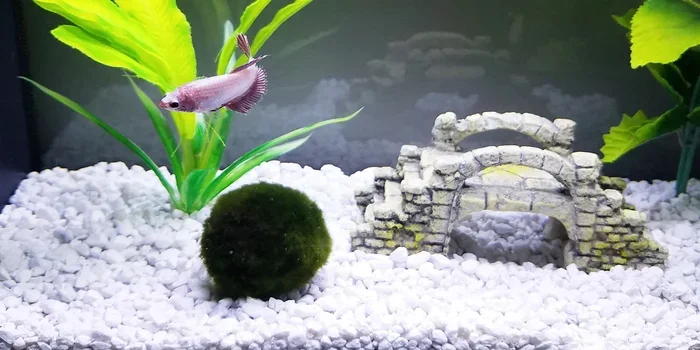
Do Betta Fish Get the Zoomies
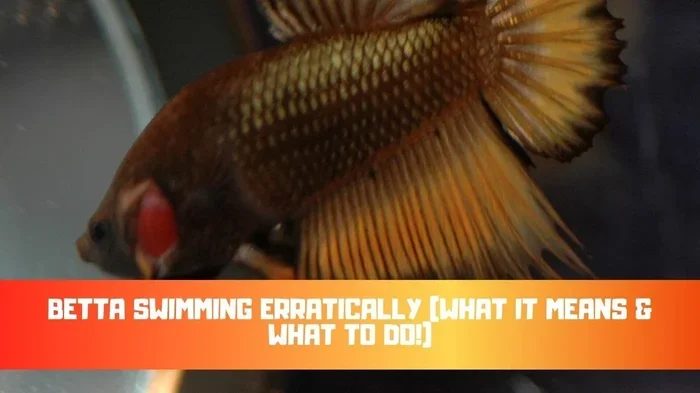
Do betta fish get the zoomies? Yes, they absolutely do. The zoomies are sudden bursts of frantic swimming that betta fish display when they are excited, stressed, or bored. Understanding this behavior helps you keep your betta healthy and happy.
Have you ever walked up to your betta fish tank and seen your fish suddenly dart back and forth like a tiny furry tornado? If so, you have witnessed the infamous betta fish zoomies. These sudden bursts of frantic swimming can be funny, surprising, and sometimes even a little worrying. But here is the good news: in most cases, the zoomies are completely normal.
In this guide, we will break down everything you need to know about do betta fish get the zoomies. You will learn what causes them, when they happen, and whether you should be concerned. By the end, you will feel confident in understanding your betta’s wild swimming behavior.
The zoomies are one of the most entertaining and commonly observed behaviors in pet betta fish. Whether your fish zooms after a water change, during feeding time, or for no obvious reason at all, this guide has you covered. Let us dive right in.
Key Takeaways
- The zoomies are real: Betta fish often dart around the tank in sudden bursts of energy that look like zoomies.
- Excitement is a common cause: Many bettas get the zoomies when they see food or their owner approaching the tank.
- Stress and boredom play a role: Poor tank conditions or lack of stimulation can trigger erratic swimming behavior.
- It is usually harmless: Occasional zoomies are normal and not a sign of illness or distress.
- Watch for warning signs: If zoomies are frequent or paired with other symptoms, it may be time to check water quality or tank setup.
- Prevention is simple: A well-planned tank with hiding spots and proper enrichment reduces the likelihood of excessive zoomies.
📑 Table of Contents
- What Are the Zoomies in Betta Fish?
- Why Do Betta Fish Get the Zoomies?
- When Do Betta Fish Get the Zoomies?
- How to Tell If Your Betta Is Having the Zoomies
- Should You Be Worried About the Zoomies?
- How to Prevent Excessive Zoomies
- Common Mistakes Bettas Owners Make About the Zoomies
- Expert Insights on Betta Fish Zoomies
- Key Takeaways
- Conclusion
What Are the Zoomies in Betta Fish?
The term “zoomies” comes from the way dogs suddenly sprint around in circles when they have excess energy. Betta fish do something very similar. They burst into rapid, erratic swimming, darting from one side of the tank to the other in a short, intense burst of activity.
This behavior is also sometimes called “frenzied swimming” or “burst swimming.” It usually lasts for a few seconds to a couple of minutes. After the zoomies, your betta will typically settle back into normal, calm swimming.
Key signs of the zoomies include:
- Sudden, rapid swimming in tight patterns
- Darting from side to side or top to bottom of the tank
- Flaring fins while moving quickly
- Swimming in tight circles or figure-eight patterns
- Brief episodes that last less than a few minutes
Understanding what the zoomies look like is the first step in recognizing normal betta behavior. Once you know the signs, you will start to notice them more often. Many betta owners find the zoomies endearing and even entertaining to watch.
Why Do Betta Fish Get the Zoomies?
There are several reasons why a betta fish might suddenly break into a burst of frantic swimming. Each cause is different, and knowing them helps you respond appropriately. Let us look at the most common reasons.
Excitement During Feeding Time
The most common trigger for the zoomies is food. When bettas see you approaching the tank with food, their natural hunting instincts kick in. They get excited and start darting around in anticipation. This is a totally normal response and shows that your fish is healthy and alert.
If your betta gets the zoomies every time you approach the tank at feeding time, that is a good sign. It means your fish is happy, hungry, and engaged with its environment. Some owners even say their betta does a little “dance” before being fed.
Excitement and Happiness
Betta fish are more emotional than many people realize. They can feel excitement, curiosity, and even joy. Some bettas get the zoomies simply because they are feeling playful. This often happens when you shine a light on the tank or when you are doing tank maintenance.
If you have ever wondered do betta fish get excited, the answer is yes. Excitement is a natural emotion for bettas, and the zoomies are one way they express it. A fish that zooms around after a water change might just be celebrating fresh, clean water.
Stress and Anxiety
Not all zoomies are happy ones. Sometimes, the zoomies are a sign of stress. A betta that feels threatened by a new tank mate, a loud noise, or a sudden change in environment may dart around frantically.
If your betta gets the zoomies and also shows clamped fins, loss of color, or hiding behavior, stress is likely the cause. You should check do betta fish get stressed to understand the full range of stress signals. Chronic stress can lead to health problems, so it is important to address the root cause.
Boredom and Lack of Stimulation
Betta fish need mental stimulation just like any other pet. A tank with nothing to explore, no plants, and no hiding spots can leave a betta feeling bored. When bettas get bored, they sometimes release pent-up energy in the form of the zoomies.
If you have noticed your betta zooming around more often than usual, consider whether the tank environment is engaging enough. Adding plants, caves, and other decorations can help. You can also learn more about do betta fish get bored in a tank to understand how enrichment affects their behavior.
Water Quality Changes
Changes in water temperature, pH, or chemical levels can cause a betta to swim erratically. A sudden water change, for example, might shock your fish into a burst of frantic movement. This is the fish’s way of reacting to an unfamiliar environment.
Always make sure water parameters are stable. Test your water regularly and make gradual changes rather than sudden ones. Stable water conditions keep your betta calm and healthy.
When Do Betta Fish Get the Zoomies?
The zoomies can happen at any time, but certain situations make them more likely. Understanding these patterns helps you anticipate and manage the behavior.
| Time/Trigger | Likelihood of Zoomies | Common Cause |
|---|---|---|
| Feeding time | Very High | Excitement and hunger |
| After a water change | Moderate | Fresh water stimulation |
| Owner approaching the tank | High | Association with food or attention |
| New tank decorations added | Moderate | Curiosity and exploration |
| Loud noises or vibrations | Moderate | Stress response |
| Evening or nighttime | Low | Natural rest period |
As you can see, the zoomies are most common during positive events like feeding. However, they can also occur during stressful situations. Paying attention to when the zoomies happen gives you valuable clues about what is driving the behavior.
How to Tell If Your Betta Is Having the Zoomies
It is important to distinguish between the zoomies and other abnormal swimming behaviors. Not all erratic swimming is the zoomies, and some behaviors can signal health problems.
Here is how to tell if it is the zoomies:
- The swimming is sudden and brief, lasting only seconds to a few minutes
- Your betta returns to normal behavior afterward
- The fish appears healthy with good color and appetite
- There are no other symptoms like lethargy or loss of balance
- The behavior happens in response to a known trigger like food
Signs that the behavior is NOT the zoomies and may need attention:
- Swimming in circles repeatedly for long periods
- Loss of balance or swimming sideways
- Clamped fins and faded color
- Refusing to eat
- Staying at the bottom or top of the tank for extended periods
If you notice any of the warning signs above, it is worth investigating further. Your betta might be dealing with an illness or poor water conditions rather than just having a burst of energy.
Should You Be Worried About the Zoomies?
The short answer is no. In most cases, the zoomies are perfectly harmless. They are a natural expression of energy, excitement, or curiosity. Healthy betta fish zoom around from time to time, and it is actually a sign of a lively, active fish.
However, there are situations where you should pay closer attention. If the zoomies happen very frequently throughout the day, it could indicate chronic stress or an uncomfortable tank environment. Frequent erratic swimming paired with other symptoms like gasping at the surface or loss of appetite warrants a closer look at your water parameters.
Quick Tips for Monitoring Your Betta During Zoomies:
- Note the time of day the zoomies happen
- Record what was happening right before the burst of activity
- Check how long the episode lasts
- Observe your betta’s behavior after the zoomies end
- Track any patterns over several days
Keeping a simple log of zoomie episodes can help you identify triggers and patterns. Over time, you will become an expert at reading your betta’s behavior.
How to Prevent Excessive Zoomies
While occasional zoomies are perfectly fine, excessive or constant frantic swimming can wear your betta out and signal an underlying issue. Here is how you can help prevent the zoomies from becoming a problem.
Improve Tank Enrichment
A stimulating environment keeps your betta mentally engaged and reduces the urge to release energy in sudden bursts. Add live or silk plants, caves, tunnels, and floating logs to your tank. These decorations give your betta places to explore and hide, which promotes calm behavior.
Maintain Stable Water Conditions
Keep the water temperature between 76 and 82 degrees Fahrenheit. Test pH levels regularly and aim for a range of 6.5 to 7.5. Perform partial water changes weekly rather than large, sudden changes. Stable water conditions create a calm, predictable environment for your betta.
Feed a Consistent Schedule
Feeding your betta at the same times each day helps reduce excitement-driven zoomies. Your fish will learn when to expect food and will not get as worked up. Offer small amounts of food two to three times a day, and avoid overfeeding.
Reduce External Stressors
Place your tank in a quiet area away from loud noises, direct sunlight, and high-traffic zones. Sudden vibrations or shadows can startle your betta and trigger stress-induced zoomies. A calm environment promotes relaxed, steady swimming.
Provide Mental Stimulation
Betta fish are intelligent and curious. You can give them mental challenges by floating a ping pong ball in the tank or offering puzzle feeders. Some owners even train their bettas to follow their finger or swim through hoops. Mental stimulation reduces boredom and the zoomies that come with it.
Common Mistakes Bettas Owners Make About the Zoomies
Many betta owners make mistakes when they see their fish darting around the tank. Here are the most common ones to avoid.
Mistake 1: Assuming all zoomies are bad. Remember that the zoomies are often a sign of a happy, healthy, and energetic fish. Not every burst of activity is a cause for concern.
Mistake 2: Ignoring frequent zoomies. If your betta zooms around constantly throughout the day, it may be a sign of stress or an inadequate tank setup. Pay attention to frequency and context.
Mistake 3: Overreacting to normal behavior. Sometimes the zoomies last just a few seconds and your fish is perfectly fine. Do not panic every time you see a quick burst of speed.
Mistake 4: Neglecting water quality. Poor water conditions are a hidden cause of erratic swimming. Always check your water parameters before assuming the zoomies are just normal behavior.
Mistake 5: Not providing enough enrichment. A bare tank with no decorations is a recipe for boredom and excessive zoomies. Invest in a well-planted, enriched environment for your betta.
Expert Insights on Betta Fish Zoomies
Veterinary aquatic specialists and experienced betta breeders agree that the zoomies are a normal part of betta behavior. Dr. Jessie Sanders, a certified aquatic veterinarian, notes that “most sudden bursts of swimming in bettas are simply a release of built-up energy and are nothing to worry about.”
However, she also emphasizes that context matters. “If the zoomies are paired with other abnormal behaviors like gasping, rubbing against objects, or loss of appetite, it is time to investigate further,” she advises.
Experienced betta owners also share that adding live plants and gentle water flow can significantly reduce excessive zoomie episodes. A well-structured tank environment gives bettas a sense of security and keeps their energy levels balanced throughout the day.
Some owners report that their bettas do the zoomies more often in smaller tanks. This makes sense because a small environment limits the space for calm, steady swimming. If possible, consider upgrading to a tank of at least 5 gallons for your betta. More space means more room for relaxed movement and less chance of frustration-driven bursts of energy.
Key Takeaways
- The zoomies are a normal behavior: Betta fish often dart around in sudden bursts of energy, and this is usually nothing to worry about.
- Excitement and feeding are the top triggers: Most zoomie episodes happen around feeding time or when the owner approaches the tank.
- Stress and boredom can also cause zoomies: A poor tank environment or lack of enrichment may lead to frequent erratic swimming.
- Learn to distinguish zoomies from health issues: Brief, energetic bursts are normal; prolonged, repetitive swimming with other symptoms is not.
- Prevention is straightforward: A well-planted tank, stable water conditions, and a consistent feeding schedule go a long way.
- Watch for patterns: Keeping track of when and why zoomies happen helps you understand your betta better.
- Consult a vet if in doubt: If zoomies are frequent and paired with signs of illness, seek advice from an aquatic veterinarian.
Conclusion
So, do betta fish get the zoomies? Absolutely. The zoomies are a natural, entertaining, and usually harmless behavior that many betta fish display. Whether your fish zooms around because of excitement, curiosity, or a burst of pent-up energy, it is generally a sign that your betta is feeling alive and engaged.
The key is to pay attention to context. Occasional zoomies are perfectly fine and can even be fun to watch. But if the zoomies become frequent or are accompanied by other symptoms, it is time to take a closer look at your tank setup and water quality.
By providing a stimulating environment, maintaining stable water conditions, and feeding a consistent schedule, you can keep your betta happy and healthy. Your fish will thank you with calm, graceful swimming the majority of the time. And when the zoomies do happen, just enjoy the show. After all, watching a happy betta fish zoom around the tank is one of the joys of keeping these beautiful creatures.
Remember that every betta is unique. Some fish zoom more than others, and that is perfectly okay. The more you observe and understand your individual fish, the better equipped you will be to provide the best possible care. Keep learning, keep observing, and enjoy the wonderful world of betta fish keeping.
Frequently Asked Questions
Why does my betta fish suddenly swim really fast around the tank?
This is likely the zoomies. Betta fish often burst into rapid swimming when they are excited, such as when they see food or their owner. It is a normal and common behavior that usually lasts for a short time.
Are the zoomies bad for my betta fish’s health?
No, occasional zoomies are not harmful. They are a natural way for bettas to release energy. However, if the zoomies happen very frequently or are paired with other symptoms, it could signal stress or a health issue that needs attention.
Can boredom cause my betta to get the zoomies?
Yes, boredom is one of the common causes. A tank with little stimulation or no hiding spots can leave your betta feeling restless. Adding plants, caves, and other decorations helps keep your fish mentally engaged and reduces excessive zoomies.
How can I tell the difference between the zoomies and a swim bladder issue?
The zoomies are brief bursts of frantic swimming that stop on their own, and the fish returns to normal behavior. A swim bladder issue causes persistent problems like swimming sideways, floating at the top, or sinking to the bottom. If you notice ongoing balance issues, consult a veterinarian.
Should I do anything when my betta gets the zoomies?
Usually, no action is needed. Simply observe your fish and enjoy the display. If the zoomies seem stress-related, check for recent changes in the tank environment, water parameters, or new tank mates that might be causing anxiety.
Do betta fish get the zoomies more often in small tanks?
Yes, bettas in smaller tanks may experience the zoomies more often because the limited space does not allow for calm, steady swimming. Providing a tank of at least 5 gallons with plenty of enrichment can help reduce excessive zoomie episodes.