Do Betta Fish Eat Their Young
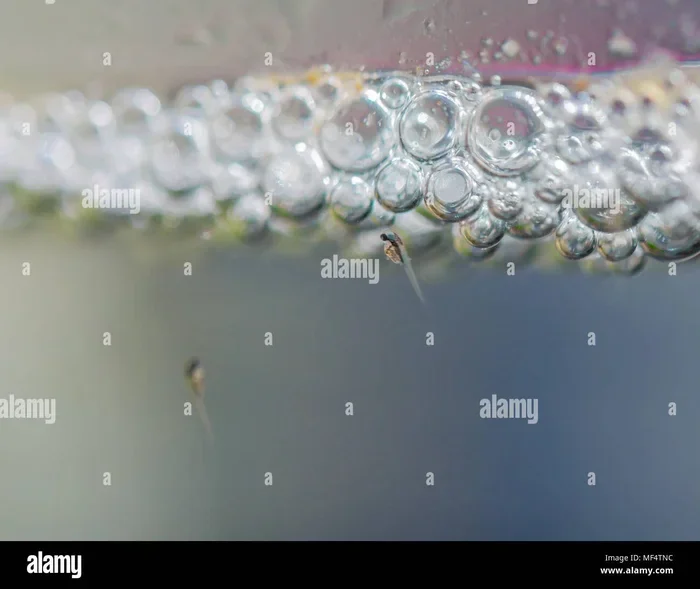
Do betta fish eat their young? Yes, betta fish eating their young is a real and common behavior. This happens due to stress, hunger, or natural instincts. You can prevent it by setting up the right tank environment and removing eggs or fry at the right time.
Do betta fish eat their young? This is a question many fish owners ask when they see their betta acting strangely around a nest of eggs or tiny fry. The short answer is yes, betta fish eating their young is a real thing. It is not something most people want to think about when they set up a beautiful betta fish tank. But understanding this behavior is essential if you want to keep your baby bettas alive.
Betta fish, also known as Siamese fighting fish, are known for their bright colors and flowing fins. They are also known for being territorial and aggressive. When it comes to their offspring, bettas can display some surprising behavior. Some betta fish will guard their eggs carefully. Others will eat them within hours. This guide will walk you through everything you need to know about why betta fish eat their young and what you can do about it.
If you are a betta fish owner or thinking about breeding bettas, this article is for you. We will cover the reasons behind this behavior, how to spot the signs, and practical steps you can take to protect baby bettas. Let us dive right in.
Key Takeaways
- Betta fish do eat their young: This is a natural behavior called filial cannibalism that many betta owners experience.
- Stress and hunger are the main triggers: Poor tank conditions or lack of food can cause a betta to eat its babies.
- Removing eggs early helps: Taking fertilized eggs out of the tank can save the baby bettas from being eaten.
- Tank setup matters a lot: A well-planned betta fish tank with hiding spots reduces aggression toward young fish.
- Separate the fry: Using a breeding box or separate tank keeps baby bettas safe from adult bettas.
- Not all bettas eat their young: Some betta fish are more docile and may not harm their offspring.
- Quick action saves lives: If you notice your betta eating its babies, act fast to protect any surviving fry.
📑 Table of Contents
- Understanding Betta Fish Eating Their Young
- Why Do Betta Fish Eat Their Own Babies?
- Signs That a Betta Fish Is Eating Its Young
- How to Prevent a Betta Fish From Eating Its Young
- What to Do If Your Betta Fish Eats Its Babies
- Creating a Safe Environment for Betta Fry
- Key Takeaways on Betta Fish Eating Their Young
Understanding Betta Fish Eating Their Young
The idea of a parent eating its own babies feels wrong to most people. But in the fish world, it is more common than you might think. Betta fish behavior around their young can range from protective to completely destructive. Understanding why this happens starts with knowing a bit about how bettas breed and what drives their actions.
Betta fish are bubble nesters. This means the male betta builds a nest of bubbles at the surface of the water. When the female releases eggs, the male collects them and places them in the bubble nest. After that, the male betta takes care of the eggs and fry. But this care does not always last. In many cases, the male will eat the eggs or the baby fish.
What Is Filial Cannibalism in Betta Fish?
Filial cannibalism is the term used when an animal eats its own offspring. This is not unique to betta fish. Many fish species, including cichlids and guppies, do this too. In bettas, filial cannibalism happens for a few key reasons. It is not because the betta is a bad parent. It is because of instinct, environment, and survival pressures.
When a betta eats its eggs or fry, it is often trying to recover energy. Eggs and baby fish contain nutrients. A stressed or hungry betta may see them as a food source. This is a natural response, even if it is hard for us to watch.
How Common Is This Behavior?
More people than you think deal with betta fish eating their own babies. It is one of the most common frustrations for beginner betta breeders. Some experienced fish keepers even consider it a normal part of betta care. Not every betta will eat its young. But the chances are high enough that you should always be prepared.
If you are breeding bettas, you should assume this behavior could happen. Plan your tank setup accordingly. This way, you are not caught off guard.
Why Do Betta Fish Eat Their Own Babies?
There is no single reason why a betta fish eats its young. Several factors can trigger this behavior. Understanding these reasons helps you prevent it. Let us look at the most common causes.
Stress and Poor Tank Conditions
Stress is the number one cause of aggressive behavior in betta fish. A dirty tank, wrong water temperature, or too-small tank can make your betta feel threatened. When a betta is stressed, it becomes more aggressive. This aggression can be directed at its own eggs or fry.
Common tank mistakes include:
- Too small of a tank: Bettas need at least 5 gallons. Smaller tanks cause stress.
- Wrong water temperature: Bettas need water between 76 and 82 degrees Fahrenheit.
- Strong water flow: Bettas prefer calm water. Strong filters can stress them out.
- No hiding spots: Bettas need places to feel safe. Lack of cover increases aggression.
If your betta fish tank does not meet these basic needs, your betta is more likely to eat its young. A well-set-up tank is the first line of defense.
Hunger and Lack of Food
A hungry betta is a desperate betta. If your fish has not been fed properly before or during the breeding process, it may turn to its eggs or fry for food. This is especially true for male bettas that are guarding the nest. They may eat the eggs simply because they are hungry.
Make sure your betta is well-fed before you attempt any breeding. Offer high-quality betta pellets, frozen bloodworms, or live food. A full betta is less likely to view its offspring as a meal.
Natural Instinct and Survival
Sometimes, there is no clear reason. Betta fish eating habits are driven by deep survival instincts. In the wild, resources are scarce. A betta that eats its eggs may be trying to recycle nutrients for future breeding attempts. This is not a sign of a bad fish. It is simply nature doing what nature does.
This is also why do betta fish eat their eggs is such a common question. Egg eating is often a precursor to fry eating. If your betta eats the eggs, it may also eat the fry once they hatch.
Overcrowding and Tank Mates
Keeping other fish with your betta during breeding can cause problems. Some tank mates may harass the betta or the eggs. This stress can lead the betta to eat its young. Even other bettas can trigger this response. Male bettas are especially aggressive toward each other.
If you are breeding bettas, keep them alone in a dedicated breeding tank. Do not add tank mates until the fry are big enough to fend for themselves.
Signs That a Betta Fish Is Eating Its Young
Catching this behavior early can save lives. You need to know what to look for. Here are the most common signs that your betta is eating its young.
Disappearing Eggs
The first sign is often missing eggs. You put a cluster of fertilized eggs in the tank. A day later, they are gone. This is a strong indicator that your betta has eaten them. Betta fish that eat their eggs may do so within hours of the eggs being laid.
Empty Bubble Nest
Male bettas build bubble nests to hold the eggs. If you notice the nest is collapsing or has fewer eggs than before, your betta may be eating them. A healthy nest should be full and growing. An empty or shrinking nest is a red flag.
No Fry Surviving After Hatching
Sometimes the eggs hatch just fine. But within a day or two, all the fry are gone. This is a clear sign of fry predation. The betta has eaten the baby fish after they hatched. This is especially heartbreaking because it means the betta waited until the fry were free-swimming before eating them.
Betta Acting Aggressively Near the Nest
If your male betta is chasing the female away from the nest or snapping at the eggs, this is a warning sign. Aggression near the nest often leads to egg or fry consumption. Watch your betta closely during the breeding and hatching process.
How to Prevent a Betta Fish From Eating Its Young
The good news is that you can take steps to prevent this behavior. Prevention is always better than trying to fix the problem after it starts. Here are the best strategies to protect your betta fry.
Set Up a Proper Breeding Tank
A dedicated breeding tank is essential. It should be at least 10 gallons with a sponge filter. The water temperature should be around 80 degrees Fahrenheit. Add plenty of live plants or floating objects for the fry to hide behind.
Keep the tank dimly lit. Bright lights stress bettas and can trigger aggressive behavior. A calm, quiet environment helps the betta feel secure and less likely to eat its young.
Remove the Female After Breeding
After the female has released her eggs, remove her from the tank immediately. The male betta may become aggressive toward the female. This stress can spill over into his behavior toward the eggs. A separate holding tank for the female keeps everyone safe.
Feed the Betta Well Before and During Breeding
Do not let your betta go hungry. Feed him high-quality food multiple times a day during the breeding process. Live brine shrimp, frozen bloodworms, and premium betta pellets are excellent choices. A well-fed betta is far less likely to eat its eggs or fry.
Quick Tip: Offer small amounts of food several times a day rather than one large feeding. This keeps the betta satisfied without polluting the water.
Use a Breeding Box or Separator
A breeding box is a small container that hangs inside the main tank. It keeps the fry separated from the adult betta. Once the eggs hatch, move the fry into the breeding box. This gives them a safe place to grow without the risk of being eaten.
You can also set up a completely separate fry tank. This is even better than a breeding box because it gives the fry more room to grow. A 5-gallon tank with a sponge filter works great for betta fry.
Remove Eggs or Fry Early
If you notice your betta eating the eggs, remove the eggs immediately. Use a small net or turkey baster to gently collect them. Transfer them to a separate hatching container with gentle aeration.
Once the fry hatch, continue to keep them separated from the adult betta. Baby bettas are very small and make easy targets. The longer you keep them apart, the better their chances of survival.
Maintain Excellent Water Quality
Clean water reduces stress. Do regular water changes of 10 to 20 percent every few days. Test the water for ammonia, nitrite, and nitrate levels. Keep the parameters stable. A healthy environment leads to a calmer betta that is less likely to display cannibalistic behavior.
What to Do If Your Betta Fish Eats Its Babies
If you discover that your betta has eaten its young, do not panic. It happens to many fish keepers. Here is what you should do next.
Remove Any Remaining Eggs or Fry
If there are still eggs or fry left in the tank, remove them right away. Place them in a safe container with clean, warm water. Use a gentle air stone or sponge filter to keep the water moving without harming the tiny fry.
Give Your Betta a Break
After a breeding event, give your betta some time to rest. Do not attempt another breeding cycle for at least a few weeks. This gives your fish time to recover physically and mentally. A well-rested betta is less likely to repeat the behavior.
Reassess Your Tank Setup
Take a hard look at your tank conditions. Is the tank large enough? Are the water parameters stable? Are you feeding your betta properly? Make improvements where needed before trying to breed again. A better setup leads to better outcomes.
Also, check our article on do betta fish eat their own babies for more detailed information on this specific topic.
Creating a Safe Environment for Betta Fry
Once you have successfully hatched and protected your betta fry, the next challenge is raising them. Baby bettas need special care to survive their first few weeks of life.
What to Feed Betta Fry
Betta fry are tiny. They cannot eat regular betta pellets. Their first food should be infusoria or liquid fry food. After a week or two, you can introduce baby brine shrimp. These small foods are easy for the fry to eat and digest.
Feed the fry several times a day in small amounts. Uneaten food can dirty the water quickly. Use a turkey baster to remove any leftover food after each feeding.
When Can You Put Fry Back in the Main Tank?
Wait until the fry are at least half an inch long before introducing them to the main tank. At this size, they are big enough to avoid being eaten by other fish. Even then, watch for signs of aggression from tank mates.
If you have other bettas in the tank, keep in mind that do betta fish kill and eat other fish is also a possibility. Always monitor new additions closely and be ready to separate fish if needed.
Common Mistakes to Avoid When Raising Betta Fry
- Overcrowding the fry tank: Too many fry in a small space leads to poor water quality and stunted growth.
- Feeding too much: Excess food fouls the water fast. Feed small amounts more often.
- Ignoring water changes: Fry are very sensitive to water parameters. Do regular small water changes.
- Using strong filters: A powerful filter can suck up tiny fry. Always use a sponge filter with a pre-filter sponge.
- Skipping the separation phase: Never keep fry in the same tank as adult bettas until they are big enough.
Raising betta fry is a rewarding experience. But it requires patience, attention to detail, and a willingness to learn from mistakes. Every breeding cycle is a chance to improve your setup and your understanding of betta fish behavior.
Key Takeaways on Betta Fish Eating Their Young
Do betta fish eat their young? Yes, and it is a behavior rooted in instinct, stress, and environmental factors. The most important thing you can do is provide a clean, well-set-up tank and a proper feeding routine. Remove eggs or fry early if you notice aggressive behavior. Use a breeding box or separate tank to keep the babies safe.
Not every betta will eat its young. Some bettas are surprisingly gentle parents. But you should always be prepared for the possibility. Prevention is your best tool. A stress-free environment, good nutrition, and smart tank management go a long way toward protecting baby bettas.
If you want to learn more about betta fish behavior, check out our article on do betta fish know their owner to understand how bettas interact with the people who care for them.
Remember, every fish keeper learns something new with each experience. Whether your betta raises its fry successfully or eats them, you gain valuable knowledge. Use that knowledge to improve your next breeding attempt and give your betta fish the best possible life.
Understanding why betta fish eat their young is the first step toward preventing it. With the right setup and a little patience, you can create a safe space for betta fry to grow and thrive. Happy fish keeping!
Frequently Asked Questions
Why do betta fish eat their own babies?
Betta fish eat their own babies for several reasons, including stress, hunger, poor tank conditions, and natural survival instincts. This behavior is called filial cannibalism and is common among many fish species. Providing a clean, well-fed environment reduces the chances of this happening.
How can I stop my betta fish from eating its fry?
The best way to stop this is to separate the fry from the adult betta as soon as they hatch. Use a breeding box or a separate fry tank. Keep the water clean, feed the betta well, and provide plenty of hiding spots. These steps significantly reduce aggressive behavior toward the young.
Do all betta fish eat their eggs?
No, not all betta fish eat their eggs. Some bettas are more docile and will guard their eggs carefully. However, egg eating is common enough that you should always be prepared. Removing the eggs to a separate hatching container is the safest approach.
Can betta fish eat their own fins instead of their young?
Yes, betta fish can also eat their own fins, especially when stressed or bored. This behavior is different from eating their young but shares similar root causes. A well-set-up tank with enrichment and proper feeding helps prevent fin eating.
What should I do if I find my betta eating its eggs?
If you catch your betta eating its eggs, remove the remaining eggs immediately and place them in a separate hatching container. Check your tank conditions and feeding schedule. A stressed or hungry betta is more likely to repeat this behavior, so address those issues first.
How long does it take for betta fry to be safe from adult bettas?
Betta fry should be kept separate from adult bettas until they are at least half an inch long. This usually takes about 4 to 6 weeks. At that size, they are large enough to avoid being seen as food by adult fish. Always monitor them closely when first introducing them to a shared tank.