Do Betta Fish Eat Tadpoles
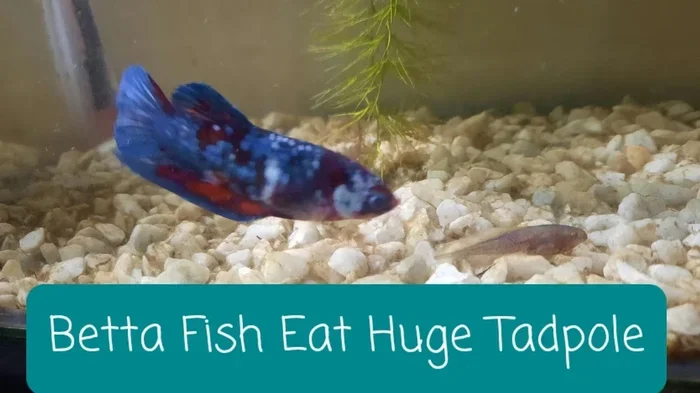
Yes, betta fish can and often do eat tadpoles. These small aquatic creatures look like a natural meal to a hungry betta. Understanding this behavior helps you protect tadpoles and keep your aquarium balanced. Let us explore everything you need to know about betta fish and tadpole safety.
Do betta fish eat tadpoles? The short answer is yes. If you have ever kept a betta fish, you know they are curious hunters. They watch everything that moves in the water. And when something small swims by, their instinct kicks in.
Tadpoles are tiny, slow, and full of protein. To a betta, they look like a moving snack. This raises real concerns for anyone who keeps both species. Whether you are breeding tadpoles or simply have them in a pond near your home, understanding betta behavior is essential.
In this article, we will dive deep into the relationship between betta fish and tadpoles. We will cover why bettas hunt them, whether it is safe to keep them together, and what you can do to protect tadpoles. We will also explore better food options for your betta. By the end, you will have a clear picture of how to manage this situation wisely.
Key Takeaways
- Betta fish eat tadpoles: Their carnivorous nature makes tadpoles a potential food source in shared tanks.
- Size matters: Small tadpoles are especially vulnerable because bettas view them as easy prey.
- Separation is key: Keeping tadpoles in a separate tank is the safest approach for both species.
- Live food preference: Bettas naturally hunt live creatures, which is why they target moving tadpoles.
- Tank setup helps: Plenty of hiding spots can reduce but not eliminate the risk of predation.
- Alternative food exists: You can feed your betta safer protein sources instead of tadpoles.
📑 Table of Contents
- Why Do Betta Fish See Tadpoles as Food?
- What Happens When Betta Fish and Tadpoles Share a Tank?
- Can You Feed Tadpoles to Your Betta Fish?
- How to Keep Tadpoles Safe From Betta Fish
- Other Small Creatures Betta Fish May Eat
- Best Food Alternatives for Betta Fish
- Final Thoughts on Betta Fish and Tadpoles
Why Do Betta Fish See Tadpoles as Food?
Betta fish are natural carnivores. In the wild, they eat anything small enough to fit in their mouths. Their diet includes insects, larvae, and tiny aquatic creatures. Tadpoles fall right into this category.
The Carnivorous Nature of Betta Fish
Betta fish evolved to hunt. They have sharp instincts and quick reflexes. When something small moves in the water, they see it as potential food. This is not aggression. It is simply how they survive.
Tadpoles move slowly compared to fish. They wiggle gently through the water. This slow movement actually attracts bettas more than fast swimmers. A betta can easily chase down a tadpole before it escapes.
Protein is a big part of a betta diet. In nature, bettas hunt live food constantly. Tadpoles provide that live protein boost. Even well-fed bettas may still hunt tadpoles out of instinct. It is simply in their DNA.
How Betta Fish Hunt
Betta fish use their excellent eyesight to spot movement. They also rely on their labyrinth organ to detect changes in water. When a tadpole swims nearby, the betta notices immediately.
The hunting process is quick. A betta will stalk the tadpole slowly. Then it strikes fast, using its mouth to grab the tadpole. Bettas have small but effective teeth. They can crush small tadpoles easily.
Interestingly, bettas also eat smaller fish in similar ways. The same predatory behavior applies. If it moves and it is small, a betta may try to eat it.
What Happens When Betta Fish and Tadpoles Share a Tank?
Keeping betta fish and tadpoles in the same tank is risky. The outcome depends on several factors. Let us look at what really happens in this situation.
The Immediate Risk to Tadpoles
Tadpoles are extremely vulnerable in a shared tank. They do not have fast escape responses. Their swimming is slow and clumsy. A betta fish can catch them with ease.
Even baby bettas will try to eat tadpoles. Size does not matter much to a hungry betta. If the tadpole fits in their mouth, it becomes a target. This means even the smallest tadpoles are at risk.
In many cases, betta fish will eat tadpoles within hours of being introduced. Some bettas may ignore tadpoles at first. But hunger usually wins over time. It is not a question of if but when.
Will Your Betta Definitely Eat Tadpoles?
Not every betta will eat every tadpole. Some factors influence this behavior:
- Hunger level: A hungry betta is more likely to hunt tadpoles.
- Betta personality: Some bettas are more aggressive hunters than others.
- Tadpole size: Smaller tadpoles are easier targets.
- Tank size: Smaller tanks increase encounters between the two.
- Previous feeding: A well-fed betta may hunt less often.
Despite these factors, the risk remains high. You should never assume your betta will leave tadpoles alone. The safest approach is always separation.
Can You Feed Tadpoles to Your Betta Fish?
Some fish keepers wonder if feeding tadpoles to bettas is okay. It is a natural question. Tadpoles are protein-rich and easy to find. But is this a good idea?
The Pros of Feeding Tadpoles
Tadpoles do offer nutritional value. They contain protein and some minerals. In the wild, bettas eat tadpoles regularly. So from a nutrition standpoint, they are not harmful.
However, there are concerns. Wild tadpoles may carry parasites. They can also contain bacteria from pond water. Feeding wild tadpoles to your betta introduces health risks.
If you want to feed live food, safer options exist. Live brine shrimp and live bloodworms are much better choices. These are raised specifically for fish feeding. They are free from parasites and diseases.
The Cons of Feeding Tadpoles
There are several reasons to avoid feeding tadpoles to bettas:
- Parasite risk: Wild tadpoles can carry harmful parasites.
- Bacterial contamination: Pond water may introduce bacteria to your tank.
- Unbalanced nutrition: Tadpoles alone do not provide a complete diet.
- Ethical concerns: Some keepers prefer not to feed live vertebrates.
- Availability: Tadpoles are not a reliable or consistent food source.
Stick to commercial betta foods and established live food options. These are safer and more nutritious overall.
How to Keep Tadpoles Safe From Betta Fish
If you need to keep tadpoles and bettas in the same household, separation is critical. Here are the best ways to protect tadpoles from betta fish.
Use a Separate Tank
The most effective method is a separate tank for tadpoles. Keep the tadpole tank in a different room or behind a barrier. This ensures the betta cannot reach them. It is the only 100% safe solution.
A simple desktop tank works great for tadpoles. You do not need anything fancy. Just make sure it has a secure lid. Tadpoles can jump, so a tight-fitting cover is important.
Add Hiding Spots in the Betta Tank
If you must keep both in the same room, add plenty of hiding spots. Live plants, caves, and decorations give tadpoles places to hide. Java moss and other dense plants work especially well.
However, hiding spots do not guarantee safety. A determined betta will find tadpoles eventually. Use this method only as a temporary measure.
Monitor Feeding Times
Feeding your betta well before introducing tadpoles can help. A full betta is less likely to hunt. But this is not a long-term solution. Hunger will return, and the hunting instinct will follow.
Always observe your betta when tadpoles are nearby. Watch for signs of stalking or interest. If you see this behavior, separate them immediately.
Consider Tank Dividers
Tank dividers are another option. These transparent barriers fit inside an existing tank. They allow water flow while keeping fish separated. However, bettas may still see tadpoles through the divider and become stressed.
Tank dividers work better for separating two bettas than for protecting tadpoles. The visual contact can cause aggression in bettas. A completely separate tank is always better.
Other Small Creatures Betta Fish May Eat
Betta fish do not just eat tadpoles. They will try to eat many small aquatic creatures. Understanding this helps you make better tank decisions.
Insects and Larvae
Betta fish eat insects regularly in the wild. They hunt mosquitoes, gnats, and other small bugs that fall on the water surface. Insects are a natural part of their diet and provide excellent nutrition.
In aquariums, bettas also eat insect larvae. This includes mosquito larvae and small worm species. These are often sold as fish food because bettas love them.
Small Shrimp and Snails
Small shrimp like red cherry shrimp are at risk in betta tanks. Bettas may hunt and eat them. The same goes for ramshorn snails and pond snails. Any creature small enough to fit in a betta mouth is potentially food.
This does not mean you cannot keep shrimp or snails with bettas. It just means you need to choose larger, faster species. Amano shrimp, for example, are often too big for bettas to eat.
Other Fish and Fry
Betta fish also eat smaller fish and fish fry. This includes minnows, other baby fish, and even their own babies in some cases. The predatory nature of bettas is broad and instinctive.
If you want to keep community fish with bettas, choose species that are too large or too fast. Avoid any small, slow-moving creatures.
Best Food Alternatives for Betta Fish
Since tadpoles are not the best food option, what should you feed your betta instead? Here are the top choices for a healthy betta diet.
High-Quality Betta Pellets
Sinking pellets made specifically for bettas are the gold standard. They contain balanced nutrition with the right protein levels. Look for pellets where fish or insect meal is the first ingredient.
Feed your betta 2-3 pellets twice a day. Do not overfeed. Excess food pollutes the water and causes health problems.
Freeze-Dried and Frozen Foods
Freeze-dried bloodworms and brine shrimp are excellent treats. They are convenient and safe. Soak them before feeding to prevent bloating.
Frozen foods retain more nutrients than freeze-dried options. Many keepers keep a mix of both on hand for variety.
Live Food Options
Live food is the most natural option for bettas. Brine shrimp, daphnia, and microworms are all excellent choices. You can culture these at home or buy them from pet stores.
Live food triggers natural hunting behavior. It keeps bettas active and mentally stimulated. Just make sure the source is parasite-free.
Final Thoughts on Betta Fish and Tadpoles
Do betta fish eat tadpoles? Yes, they do. This is natural behavior driven by instinct and hunger. Betta fish are hunters, and tadpoles look like easy meals to them.
If you care about tadpole survival, keep them separated from bettas. A dedicated tadpole tank is the safest option. It protects both the tadpoles and gives your betta a stress-free environment.
When feeding your betta, choose safer alternatives. High-quality pellets, frozen bloodworms, and live brine shrimp provide excellent nutrition without the risks. These options are cleaner, more reliable, and better for your betta health.
Understanding your betta fish behavior is the key to a happy aquarium. Know what they eat, what they hunt, and how to keep everyone safe. With the right setup and feeding routine, both bettas and tadpoles can thrive. Just not in the same tank.
Take what you have learned here and apply it. Your fish will be healthier, and your tadpoles will have a better chance. That is a win for everyone involved.
Frequently Asked Questions
Can baby betta fish eat tadpoles?
Yes, baby bettas will try to eat tadpoles too. Even young bettas have strong hunting instincts. The size of the tadpole matters more than the size of the betta. If the tadpole fits in the baby betta’s mouth, it becomes food.
Are tadpoles safe for betta fish to eat?
Tadpoles are not toxic to bettas, but they carry risks. Wild tadpoles may have parasites or bacteria. These can make your betta sick. It is safer to feed commercially raised live foods instead of wild tadpoles.
How can I protect tadpoles from my betta fish?
The best way is to keep them in separate tanks. A secure lid on the tadpole tank prevents escapes. You can also add dense plants for hiding, but this does not guarantee safety. Separation is always the most reliable method.
Will a well-fed betta still eat tadpoles?
Yes, even well-fed bettas may eat tadpoles. This is instinctive behavior, not just hunger-driven. Bettas hunt because it is in their nature. A full betta may hunt less often, but the instinct remains.
What other small creatures do betta fish eat besides tadpoles?
Betta fish eat insects, larvae, small shrimp, snails, and smaller fish. They are opportunistic hunters. Anything small and slow enough to catch becomes potential food. This includes mosquito larvae, worms, and even their own fry in some cases.
Can tadpoles and betta fish live together safely?
It is not recommended. The risk of the betta eating the tadpoles is very high. Even if your betta does not eat them right away, stress and injury can harm the tadpoles. A separate tank is always the safer choice for both species.