Is It Better to Put Snapswil on Fishing Line
Putting a snapswil on your fishing line can simplify knot tying and reduce line twist, but it is not always the best choice for every fishing situation. A snap swivel acts as a small connector that lets your lure or hook rotate freely, which helps prevent tangles and fatigue in your line. However, some anglers worry that snap swivels can reduce lure action or create weak points in the setup. In this guide, we break down when it makes sense to use a snapswil on fishing line and when you should skip it. You will learn the real benefits, common mistakes, and how to tie the right knots with confidence.
This is a comprehensive guide about is it better to put snapswil on fishing line.
Key Takeaways
- A snapswil on fishing line reduces line twist: It allows your lure or hook to spin freely, preventing tangles during retrieval.
- Snap swivels make rigging faster and easier: You can swap lures or hooks quickly without retieing complex knots.
- They are not ideal for every situation: Heavy current or finesse fishing setups may perform better without a swivel.
- Size matters: Matching the snap swivel size to your fishing line and target species is essential for strong connections.
- Quality counts: Cheap snap swivels can corrode, jam, or fail under pressure, so investing in good ones pays off.
- Proper knot placement is critical: Tying the right knots on each end of the snapswil ensures a secure and reliable connection.
[FEATURED_IMAGE_PLACEHOLDER]
Fishing is one of those hobbies where the small details can make a huge difference. Something as tiny as a snap swivel can change how your lure moves through the water and how strong your connection holds. If you have ever wondered whether to add a snapswil on fishing line, you are not alone. Many anglers debate this simple piece of terminal tackle every time they rig up for a day on the water.
A snap swivel might look like a minor accessory, but it plays a big role in your overall fishing setup. It connects your main line to your leader or lure, allowing rotation that reduces twisting and tangling. Whether you are surf fishing, catfishing, or casting from a kayak, understanding when and how to use a snap swivel can improve your results.
In this article, we will cover everything you need to know about putting a snapswil on fishing line. We will look at the benefits, the downsides, and the best ways to use one. By the end, you will know exactly when a snap swivel belongs on your line and when it is better to go without it.
What Is a Snap Swivel and How Does It Work?
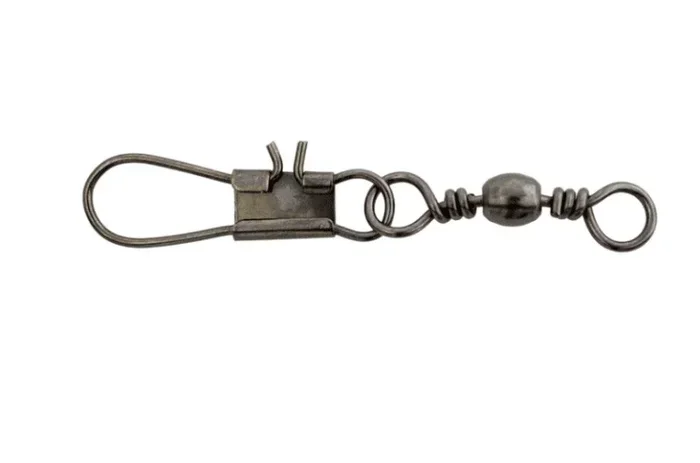
A snap swivel is a small metal device with two ends. One end has a swivel that rotates, and the other end has a snap hook. The swivel part lets the two connected lines or lures spin independently of each other. This simple design solves a common problem in fishing: line twist.
When you retrieve a lure, the spinning action can twist your fishing line over time. That twist builds up and causes tangles, knots, and even weak spots in the line. A snap swivel absorbs that rotation so your main line stays clean and untwisted. It is one of the most basic yet effective pieces of fishing tackle you can add to your terminal tackle box.
Snap swivels come in many sizes. You will find tiny ones for ultralight freshwater fishing and large heavy-duty ones for saltwater surf fishing or targeting big game fish. The key is choosing the right size for your fishing line and the species you are chasing.
How the Swivel Mechanism Works
The center barrel of the snap swivel spins freely inside a casing. When force is applied to either end, the barrel rotates. This rotation decouples the movement of your line from the movement of your lure or hook. So when your lure dives, wobbles, or spins, the swivel lets the line stay straight behind it.
This mechanism is especially helpful when using crankbaits, spinnerbaits, or any lure that has a lot of lure action. Without a swivel, the constant spinning motion transfers directly to your line. Over a long fishing session, that can lead to frustrating tangles and reduced casting distance.
Benefits of Putting a Snap Swivel on Fishing Line
Using a snap swivel offers several real advantages that can improve your fishing experience. Let us look at the biggest benefits and why so many anglers keep them in their terminal tackle box.
1. Reduces Line Twist and Tangles
The number one reason anglers use a snap swivel is to prevent line twist. When you are reeling in a spinning lure or a bait that rotates, your line can twist into a tight mess. A snapswil on fishing line solves this by letting the lure spin freely without transferring that rotation to your main line.
This is especially true for saltwater fishing and freshwater fishing scenarios where you are casting and retrieving for long periods. Less twist means fewer tangles, smoother casts, and a setup that performs better throughout the day.
2. Makes Changing Lures Faster
Time is valuable when you are on the water. With a snap swivel tied to your leader, you can swap lures in seconds. Just unclip the snap, attach a new lure, and you are ready to fish again. This is a huge time-saver when you are experimenting with different lure action patterns or colors.
Instead of retying knots every time you want to try a new bait, the snap swivel lets you stay focused on what really matters — catching fish. This is one reason why many bass fishing and catfishing enthusiasts rely on snap swivels as part of their standard rig.
3. Protects Knots from Stress
Knots take a beating during fishing. Every time you cast, retrieve, or fight a fish, your knots are under strain. A snap swivel distributes some of that stress across the device instead of concentrating it on a single knot. This can help your knots last longer and hold stronger.
If you are using braided line or monofilament line, protecting your knots is especially important. Braided line is tough but can slip through certain knots if not handled carefully. A snap swivel gives you an extra layer of security at the connection point.
When Should You Use a Snap Swivel?
Now that you know the benefits, let us talk about when a snap swivel actually makes sense. Not every fishing situation calls for one, and using one at the wrong time can actually hurt your results.
Best Situations for Snap Swivels
- Spinning lures and crankbaits: These lures spin or wobble, which creates line twist. A snap swivel prevents this.
- Surf fishing: When casting long distances in waves, a snap swivel helps keep your rig tangle-free.
- Saltwater fishing: Saltwater corroses knots and line quickly. A quality snap swivel adds durability to your setup.
- Catfishing: Catfish rigs often use multiple hooks and leaders. A snap swivel simplifies the setup and makes changes quick.
- Trolling: When trolling with multiple lines, swivels prevent the lines from twisting together.
For these scenarios, putting a snapswil on fishing line is a smart move. It keeps your rig clean, your casts smooth, and your knots protected.
When to Skip the Snap Swivel
There are times when a snap swivel is not the best choice. Some anglers worry that a snap swivel adds too much weight or bulk to a lightweight rig. In finesse fishing, where subtle lure action is critical, a snap swivel can sometimes restrict the natural movement of a soft plastic bait.
If you are fishing in heavy current, a snap swivel might also create unwanted drag. In these cases, tying your leader directly to your main line using a proper knot like a FG knot or surgeon knot can give you a cleaner, more streamlined connection. Also, if you are using very light line for trout or panfish, a large snap swivel can be too bulky and visible.
How to Properly Attach a Snap Swivel to Fishing Line
Tying a snap swivel correctly is just as important as deciding whether to use one. A bad knot can defeat the purpose and cause your rig to fail at the worst possible moment. Here are the best methods for attaching a snapswil on fishing line.
Method 1: The Improved Clinch Knot
The improved clinch knot is one of the most popular knots for connecting a snap swivel to your line. It is simple, reliable, and works well with most line types.
- Pass the line through the eye of the snap swivel.
- Wrap the tag end around the standing line five to seven times.
- Pass the tag end through the loop near the eye, then through the larger loop you just created.
- Moisten the knot and pull it tight by sliding it down to the swivel eye.
- Trim the excess tag end.
This knot works great for monofilament and fluorocarbon leaders. If you are using braided line, you may want to use a double clinch knot for extra security.
Method 2: The Palomar Knot
The Palomar knot is another excellent choice. It is known for its strength and simplicity. To tie it:
- Double about six inches of line and pass the loop through the swivel eye.
- Tie a simple overhand knot with the doubled line.
- Pass the loop over the swivel and pull tight.
The Palomar knot is one of the strongest knots you can use and works well with braided, monofilament, and fluorocarbon lines. It is a great option whenever you are connecting a snap swivel to your main fishing line.
Quick Tips for Knot Tying
- Always moisten your knots before tightening to reduce friction and heat buildup.
- Inspect your snap swivel before each use. Look for rust, bent eyes, or stiff rotation.
- Match the swivel size to your line weight. A swivel that is too small can cut through under pressure.
- Replace snap swivels after heavy use or after catching large fish.
Snap Swivel vs. Other Terminal Tackle Options
There are several ways to connect your leader to your main line or your lure to your rig. Understanding how a snap swivel compares to other options helps you make the best choice for your fishing setup.
| Feature | Snap Swivel | Direct Knot | Swivel with Snap |
|---|---|---|---|
| Ease of Use | Very Easy | Moderate | Very Easy |
| Line Twist Prevention | Excellent | Poor | Excellent |
| Lure Action Impact | Slight Restriction | None | Minimal |
| Knot Security | High | Highest | High |
| Setup Speed | Fast | Slower | Fast |
| Best For | Spinning lures, surf fishing | Finesse fishing | Heavy-duty applications |
As you can see, a snap swivel offers a great balance of ease and performance. If you want the fastest rig changes without sacrificing too much natural action, a snapswil on fishing line is a strong choice. For the purest lure action and strongest connection, a direct knot may be better.
Some anglers also wonder about the difference between a snap swivel and a simple swivel. A snap swivel adds the convenience of a quick-release hook, which makes it more versatile than a fixed swivel. If you want to learn more about choosing the right swivel type, check out our guide on is it better to fish with or without a bobber for tips on terminal tackle decisions.
Common Mistakes When Using Snap Swivels
Even experienced anglers make mistakes with snap swivels. Avoiding these common errors will help you get the most out of your rig.
Using the Wrong Size Swivel
One of the biggest mistakes is using a snap swivel that is too large or too small for your line. A swivel that is too small can cut through your line under heavy pressure. A swivel that is too big adds unnecessary weight and bulk, which can scare off fish or reduce casting distance.
Always check the line rating on the snap swivel packaging. Match it to your fishing line test strength for the best results.
Forcing a Stuck Swivel
If your snap swivel does not rotate freely, do not force it. A stuck swivel creates a fixed point that can actually increase line twist instead of preventing it. Replace a stuck swivel immediately with a new one from your terminal tackle box.
Using Cheap Swivels
Cheap snap swivels from dollar stores may seem like a good deal, but they often have weak springs, rough edges, and poor plating. These swivels can fail under pressure or corrode quickly in saltwater. Invest in quality swivels from trusted fishing equipment brands. Your rig is only as strong as its weakest link.
Attaching the Swivel Directly to the Lure
Some anglers tie the snap swivel directly to the lure’s eye hook. This can restrict the natural movement of the lure and reduce its action. Instead, use a short leader tied to the swivel, and attach the lure to the leader with a separate knot or snap. This setup allows the lure to move freely while still benefiting from the swivel’s twist prevention.
Expert Insights on Snap Swivels and Fishing Line
We spoke with experienced anglers about their thoughts on using a snapswil on fishing line. Here is what the pros had to say.
Mark T., coastal angler: “I always use snap swivels when surf fishing. The constant wave action and long casts would twist my line into a nightmare without them. A good snap swivel saves me time and keeps my rig running smoothly all day.”
Sarah K., bass tournament pro: “I use snap swivels mostly for reaction baits like crankbaits and spinnerbaits. But for finesse techniques like drop shotting, I skip the swivel and go direct. The less hardware you add, the more natural the bait moves.”
Coach Rivera, fishing instructor: “The biggest thing I tell my students is that a snap swivel is a tool, not a rule. Use it when it helps, and skip it when it does not. Understanding when to use one is just as important as knowing how to tie the knots.”
These insights show that snap swivels are versatile but not universal. The best approach is to understand your specific fishing situation and decide accordingly.
Conclusion
So, is it better to put snapswil on fishing line? The answer depends on your fishing style, target species, and the conditions you are facing. For most anglers fishing with spinning lures, surf fishing, or targeting catfish, a snap swivel is a valuable addition to your rig. It reduces line twist, speeds up lure changes, and protects your knots from excess stress.
However, for finesse fishing or situations where natural lure action is critical, going direct with a well-tied knot may be the better choice. The key is knowing when each option works best and having the right gear ready in your terminal tackle box.
Next time you rig up for a day on the water, consider adding a snap swivel to your setup. Try it in different scenarios and see how it affects your results. With the right knot, the correct size, and a quality swivel, you will wonder how you ever fished without one.
Remember, fishing is all about adapting to the conditions and making smart choices. Whether you are bass fishing at dawn or surf fishing in the afternoon, the right terminal tackle makes all the difference. Keep experimenting, keep learning, and most importantly, keep enjoying your time on the water.
FAQ
Can a snap swivel reduce my casting distance?
Yes, a snap swivel can slightly reduce casting distance because it adds a small amount of weight and drag to your rig. However, the difference is usually minimal with a properly sized swivel. If you are casting very long distances, consider using a smaller swivel or switching to a direct knot connection.
What size snap swivel should I use for bass fishing?
For bass fishing, a size 6 to size 10 snap swivel works well for most situations. If you are using lighter line in the four to eight pound range, go with a smaller swivel. For heavier setups with ten pound line or more, a size 6 or larger swivel will hold up better under pressure.
Do snap swivels work for ice fishing?
Snap swivels can work for ice fishing, especially when using jigs or spoons that spin. However, many ice anglers prefer direct knots because the cold can make snap swivel mechanisms stiff and less responsive. If you do use a swivel in ice fishing, choose one with a smooth, free-spinning barrel.
Is it better to use a snap swivel with braided line?
Yes, snap swivels work well with braided line, but you should use a stronger knot like the Palomar knot or double clinch knot to prevent slippage. Braided line is smoother than monofilament, which can cause some knots to slip under load. A quality snapswil on fishing line paired with the right knot creates a very reliable connection.
How often should I replace my snap swivels?
Replace your snap swivels whenever you notice rust, stiffness, or a bent eye. After heavy use or after landing a large fish, it is a good practice to inspect and replace your swivels. In saltwater environments, rinse your swivels with fresh water after each trip to prevent corrosion and extend their lifespan.
Can I use a snap swivel as a leader connector?
Yes, a snap swivel is commonly used to connect a leader to your main line. This is one of its most popular uses. Simply tie the swivel to your main line using a strong knot, then attach your leader to the snap end. This setup allows quick changes and helps prevent line twist during retrieval.
Frequently Asked Questions
What is is it better to put snapswil on fishing line?
is it better to put snapswil on fishing line is an important topic with many practical applications.