Is Fall Fishing Better Than Summer
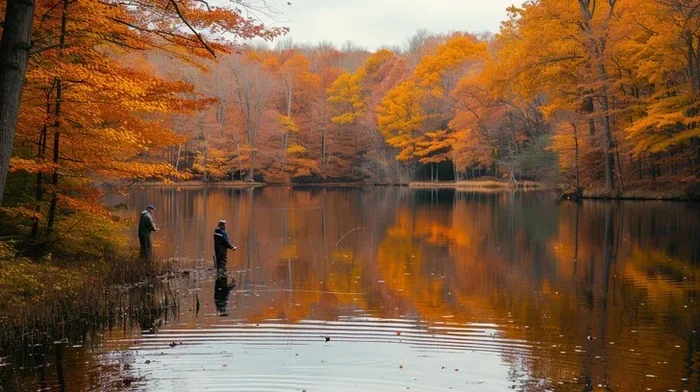
Fall fishing is quickly becoming a favorite among anglers who want cooler weather, better fish activity, and fewer crowds on the water. While summer has its charm, autumn fishing offers unique advantages that many fishermen find hard to beat.
Key Takeaways
- Fish are more active: Fall triggers feeding instincts as fish prepare for winter.
- Comfortable conditions: Cooler temperatures make long fishing trips enjoyable.
- Fewer crowds: Autumn waters are less packed than busy summer spots.
- Better visibility: Clearer water and lower sun angles improve your fishing experience.
- Target species change: Fall brings different fish species to the surface.
- Equipment needs differ: You will need adjusted gear for autumn conditions.
📑 Table of Contents
Is Fall Fishing Better Than Summer
Every angler has their preferred season. Some love the long days and warm nights of summer. Others swear by the crisp air and golden colors of fall. But if you have ever wondered whether fall fishing is better than summer fishing, the answer might surprise you.
Summer fishing has its perks. The sun stays out longer. Water temperatures rise. Fish are easy to find in shallow areas. But fall fishing brings a whole new set of advantages that many anglers overlook. From aggressive fish behavior to peaceful surroundings, autumn has a lot going for it.
In this article, we will break down the differences between fall and summer fishing. We will look at weather, fish behavior, crowd levels, and more. By the end, you will know which season truly wins the angling showdown.
Why Fish Act Differently in Fall
The Science Behind Fall Feeding
Fish are cold-blooded. That means their behavior changes with water temperature. When fall arrives, water starts to cool down. This cooling triggers something important inside fish. They sense winter coming. Their instinct tells them to eat more and store energy.
This is why fall fishing often produces bigger catches. Fish are not just active. They are hungry. They feed aggressively to build fat reserves before the cold months arrive. Summer fish can be more sluggish during midday heat. Fall fish are on a mission.
Cooler water also holds more oxygen. Fish breathe easier. They move around more freely. You will notice them roaming wider areas. This makes them easier to locate and target.
Summer Fish Behavior Explained
Summer fishing has its own challenges. High water temperatures push fish deeper. Many species retreat to cool, shaded spots. They become less active during the hottest parts of the day. Early morning and late evening are the best summer windows.
In contrast, fall offers longer periods of good fishing. Water temperatures sit in a sweet spot. Fish remain active throughout the day. You do not have to wake up before dawn to find them. This makes fall a more relaxed and rewarding experience for many anglers.
Weather and Comfort
Fishing in Cooler Temperatures
One of the biggest reasons anglers love autumn fishing is comfort. Summer heat can be exhausting. You sweat. You get sunburned. You deal with bugs swarming around your face. Fall brings crisp, cool air. It feels great to be outside all day without overheating.
Comfort matters. When you are comfortable, you stay longer. You fish harder. You enjoy the experience more. Fall weather naturally extends your time on the water. That alone can lead to better results.
Summer Heat Challenges
Let us not trash summer entirely. It has beautiful long days. The sunsets are stunning. But fishing in extreme heat takes a toll. Your body works harder. Fish are harder to locate. The overall experience can feel stressful rather than relaxing.
Fall removes these problems. Light jackets replace heavy sunscreen. Hats serve comfort instead of shade. You can focus entirely on the fishing. That shift in comfort changes everything.
Crowds and Solitude
Why Fall Waters Are Less Crowded
Summer is peak fishing season. Everyone is out there. Popular lakes and rivers overflow with anglers. You fight for good spots. You deal with noise and distractions. Competition is real.
Fall changes the scene completely. Most casual anglers head home after summer. The crowds thin out dramatically. You get peaceful waters. Quiet casts. A chance to truly focus on your technique. For many, this solitude is the biggest perk of fall fishing over summer fishing.
Less crowding also means less pressure on fish. They are not spooked by constant activity. They stay in their feeding zones longer. Your chances of hooking into something big go way up.
Best Fall Fishing Tips
Gear Adjustments You Need
Fall fishing requires a few changes from your summer setup. Do not show up with the same gear you used in July. Small adjustments make a big difference.
- Use darker lures: Fall water can be tannin-stained. Bright lures lose visibility. Dark colors like black, brown, and green stand out better.
- Slow down your retrieve: Fish are not rushing. They feed deliberately. Match their pace.
- Switch to heavier line: Fall currents can be stronger. Heavier line handles the conditions well.
- Pack layers: Morning chill can turn into a warm afternoon. Dress in layers so you stay comfortable all day.
Best Baits for Autumn
Your bait selection matters. Fish respond differently to offerings in fall. Here are some top choices:
- Jerkbaits: These mimic injured baitfish. Perfect for triggering aggressive strikes.
- Crankbaits: They dive deep and cover water fast.
- Soft plastics: Worms and swimbaits work great in cooler temps.
- Live bait: Minnows and nightcrawlers never fail in autumn.
Experiment with different options. Fish will tell you what they want. Pay attention to their responses and adjust accordingly.
Target Species in Fall
What You Can Catch
Fall brings different species into play. Bass are still active but behave differently. They move toward shallower areas to feed before winter. Crappie start schooling up. You can find them in tight groups, making them easier to locate.
Trout fishing shines in fall. Cool water triggers feeding frenzies. Walleye become very active during low-light periods. Catfish are still catchable but slow down as temperatures drop.
The key is understanding your target species. Each fish has unique fall behavior. Study their patterns. Adjust your approach. You will be rewarded with strong catches.
Common Mistakes to Avoid
Using Summer Tactics in Fall
The biggest mistake anglers make is using the same approach they used all summer. Fast retrieves, shallow presentations, and bright colors may have worked in July. They may not work in October.
Fish slow down as temperatures drop. They retreat to deeper structures. They feed with intention, not speed. If your summer tactics are failing, it is probably time to change your strategy.
Another common error is fishing at the same times. Summer works best at dawn and dusk. Fall fishing can succeed throughout the day. Midday falls in autumn can be surprisingly productive. Do not limit yourself to old habits.
Is Fall Fishing Better Than Summer
So, is fall fishing better than summer fishing? The honest answer depends on what you value most. If you love warm water species and long summer evenings, summer has its appeal. But if you want aggressive fish, comfortable conditions, and fewer competitors on the water, fall takes the lead.
Many experienced anglers consider autumn their favorite season. The combination of active fish, peaceful environments, and reliable catches makes it hard to beat. Fall fishing offers a quality that summer simply cannot match: pure, uninterrupted focus on the water.
Try it for yourself. Plan a fall fishing trip. You might just discover your new favorite season. The water is quieter. The fish are hungry. And the air? It is perfect.
Fall fishing delivers better fish activity, more comfortable conditions, and fewer crowds than summer. If you want bigger catches and a more enjoyable experience on the water, autumn is your best bet. Give it a try and see the difference for yourself.
Frequently Asked Questions
What is is fall fishing better than summer?
is fall fishing better than summer is an important topic with many practical applications.