Is Betta Revive for New Fish with Tail Rot
Betta Revive is a popular treatment designed to help new betta fish recover from tail rot and other bacterial infections. It works by targeting harmful bacteria in the tank while supporting the fish’s natural healing process. In this guide, we break down exactly how Betta Revive works, when to use it, dosage tips, and whether it truly delivers results for tail rot in new fish.
Every betta fish owner dreads seeing their new fish develop tail rot. Those beautiful flowing tails start looking ragged, shredded, or even discolored overnight. It is a scary sight, especially when you just brought your fish home. Many owners turn to Betta Revive as a quick fix, but does it really work? In this article, we will explore everything you need to know about using Betta Revive for new fish with tail rot, including how it works, when to use it, and what else you can do to help your fish heal.
Tail rot is one of the most common health issues affecting betta fish. It happens when bacteria attack the tail or fins, causing them to break down over time. New fish are especially vulnerable because the stress of moving to a new environment weakens their immune system. Betta Revive has gained popularity as a treatment option, but understanding how to use it correctly makes all the difference.
Whether you are a beginner or a seasoned aquarist, this guide covers practical steps, honest advice, and real-world tips to help your betta recover. Let us dive in.
Key Takeaways
- Betta Revive targets the bacteria that cause tail rot and fin damage in new fish.
- Early treatment is critical — the sooner you act, the better the recovery chances.
- Proper water conditions must be maintained alongside any medication for best results.
- Dosage matters — too much or too little Betta Revive can harm your fish or reduce effectiveness.
- Quarantine new fish before introducing them to a main tank to prevent disease spread.
- Betta Revive is not a cure-all — severe cases may need additional treatments or vet care.
- Prevention through clean water and low stress is always better than treating tail rot after it starts.
📑 Table of Contents
- What Is Betta Revive and How Does It Work?
- Can Betta Revive Cure Tail Rot in New Fish?
- How to Use Betta Revive for New Fish with Tail Rot
- Why Do New Betta Fish Get Tail Rot?
- Preventing Tail Rot in New Betta Fish
- Common Mistakes to Avoid When Treating Tail Rot
- Expert Insights on Treating Tail Rot in New Bettas
- Final Thoughts
What Is Betta Revive and How Does It Work?
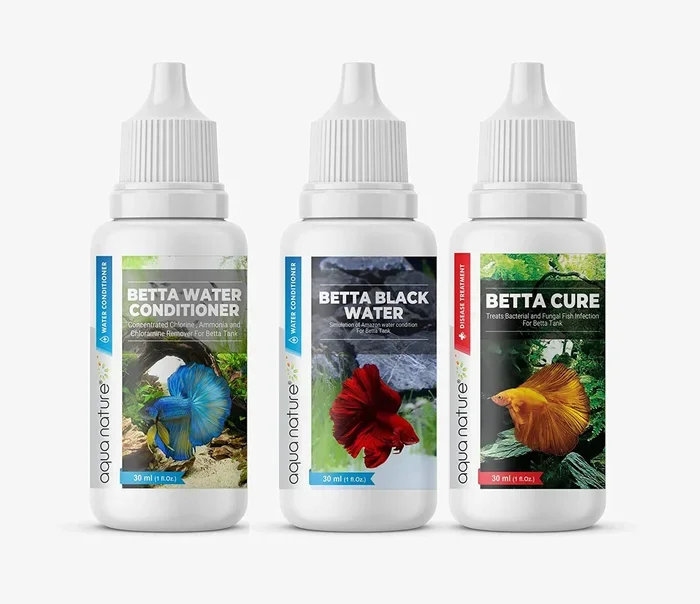
Betta Revive is a water conditioner and medication designed specifically for betta fish. It helps treat common bacterial and fungal infections, including tail rot, fin rot, and mouth fungus. The product contains ingredients that neutralize harmful toxins in the water while creating a healing environment for your fish.
Unlike some harsh medications, Betta Revive is formulated to be gentle on bettas. It does not strip the beneficial bacteria from your tank. Instead, it focuses on fighting the pathogens that cause infections like tail rot while supporting the fish’s natural immune response.
Key Ingredients in Betta Revive
Understanding what goes into Betta Revive helps you trust the product more. Here are the main components:
- Methylene blue — fights fungal and bacterial infections.
- Algae control agents — help keep the tank clean during treatment.
- pH stabilizers — maintain safe water chemistry while medication works.
- Toxin neutralizers — remove chlorine and heavy metals from tap water.
These ingredients work together to create a safe space for your betta to recover. However, Betta Revive is not a miracle cure. It works best when combined with good tank maintenance and proper care.
Can Betta Revive Cure Tail Rot in New Fish?
The short answer is yes, but with caveats. Betta Revive for new fish with tail rot can be effective, especially in the early stages of infection. If you notice your new fish’s tail looking ragged, discolored, or fraying at the edges, starting treatment quickly gives the best outcome.
New fish face extra stress during the first few weeks in a new home. This stress lowers their immune system, making them easy targets for bacterial infections. Tail rot bacteria thrive in poor water conditions, so a new fish that has been transported or kept in crowded store tanks is at higher risk.
When Betta Revive Works Best
Betta Revive is most effective when you catch tail rot early. Here are signs that treatment should start immediately:
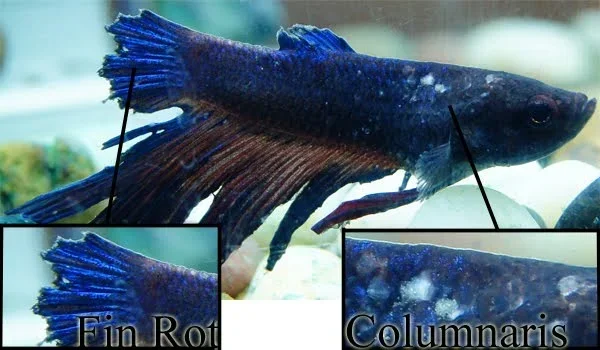
- The tail edges look white or translucent.
- Fin rays are splitting or fraying.
- The tail looks shorter than usual because tissue is dying.
- Your fish is less active and staying near the bottom.
- Red streaks appear along the tail or fins.
If you spot any of these symptoms, start treatment right away. Delaying allows the bacteria to spread further, and recovery becomes much harder. In moderate cases, Betta Revive combined with clean water changes can stop the infection and promote regrowth.
When Betta Revive May Not Be Enough
Severe tail rot cases may need more than just Betta Revive. If the tail has already rotted away significantly or if your fish shows signs of systemic infection, you should consult a vet or use stronger medications. Some advanced cases require antibiotics like kanamycin or tetracycline, which are more potent than Betta Revive.
Also, if the tail rot is caused by physical injury rather than bacteria, Betta Revive alone will not fix the issue. You need to address the root cause, whether that is sharp decorations in the tank or aggressive tank mates. Choosing the right tank mate for your betta can prevent a lot of tail damage in the first place.
How to Use Betta Revive for New Fish with Tail Rot
Using Betta Revive correctly is just as important as using it at all. Wrong dosage or application can stress your fish instead of helping them. Follow these steps carefully for the best results.
Step-by-Step Treatment Guide
- Isolate your fish. Place the new betta in a quarantine tank if possible. This prevents the infection from spreading to other fish and lets you monitor progress closely.
- Test the water. Check the temperature, pH, and ammonia levels before starting treatment. The ideal temperature for betta fish is around 78-80°F. Cold water slows healing and weakens the medication’s effectiveness.
- Perform a water change. Replace 25-30% of the water with dechlorinated water. Clean water helps the medication work better.
- Add Betta Revive. Follow the dosage instructions on the bottle exactly. Usually, you add one drop per gallon of water.
- Monitor daily. Watch your fish for improvements or worsening symptoms. Continue treatment for 5-7 days unless your fish shows signs of distress.
- Do a water change after treatment. Remove residual medication by changing 25% of the water after the treatment cycle ends.
Dosage Tips for New Fish
New fish are more sensitive than established tank residents. Here are some dosage tips to keep in mind:
- Start with a half dose for the first treatment if your fish looks very weak.
- Never double the dose thinking it will work faster. This can harm your fish.
- Always treat in a separate quarantine tank, not the main display tank.
- Turn off UV sterilizers and protein skimmers during treatment, as they can remove the medication.
Patience is key. Tail rot does not heal overnight. You may start seeing improvement within 3-5 days, but full regrowth of the tail can take 2-4 weeks.
Why Do New Betta Fish Get Tail Rot?
Understanding the root cause of tail rot helps you prevent it in the future. New fish are especially prone to this condition for several reasons:
Stress from Transportation
Shipping and handling are incredibly stressful for betta fish. The change in water parameters, temperature fluctuations, and lack of food all take a toll. A stressed fish cannot fight off bacteria effectively, which is why tail rot often appears shortly after bringing a new fish home.
Poor Water Conditions at the Store
Many fish stores keep bettas in small cups or crowded tanks with less-than-ideal water quality. High ammonia and nitrite levels in these environments weaken the fish and make them vulnerable to bacterial infections. This is one reason why checking water parameters before buying a new fish matters so much.
Improper Acclimation
If you do not acclimate your new betta properly, the sudden shift in water chemistry shocks their system. This shock can trigger tail rot and other health problems. Always drip-acclimate your new fish for at least 20-30 minutes before adding them to their tank.
Overcrowded or Dirty Tanks
Even after you bring your fish home, poor tank conditions can cause tail rot to develop or worsen. Dirty water with high ammonia levels is a breeding ground for the bacteria that cause tail rot. Regular water changes and proper filtration are essential for prevention.
Preventing Tail Rot in New Betta Fish
Prevention is always better than cure. Here are practical steps you can take to protect your new betta from tail rot before it ever becomes a problem.
Set Up the Tank Before Bringing Your Fish Home
Never bring a new betta home to an unprepared tank. Your tank should be fully cycled with stable water parameters. A 5-gallon tank is the minimum recommended size for a single betta. Larger tanks are even better because they dilute waste and keep water conditions more stable.
Maintain Clean Water
- Perform 25-30% water changes every week.
- Use a water conditioner to remove chlorine and chloramine from tap water.
- Test water parameters regularly, including ammonia, nitrite, and nitrate levels.
- Avoid overfeeding, which creates excess waste and spikes ammonia.
Reduce Stress
Stress is the number one enemy of a betta fish’s immune system. Keep the tank in a quiet area away from loud noises and direct sunlight. Provide hiding spots with soft plants and smooth decorations. Avoid sharp plastic plants or rough gravel that can tear the fins and invite infection.
Feed a Balanced Diet
Good nutrition supports a strong immune system. Feed your betta high-quality pellets as a staple, supplemented with frozen or live foods like brine shrimp and bloodworms. A healthy diet helps your fish recover faster from illness and resist future infections.
Quarantine New Fish
Always quarantine new fish for at least 2-4 weeks before adding them to a community tank. This observation period lets you spot any signs of illness, including tail rot, before they spread to your other fish. Compatible tank mates for bettas include certain species of tetras, corydoras, and snails, but only in a well-established tank with enough space.
Common Mistakes to Avoid When Treating Tail Rot
Even well-meaning fish keepers make mistakes that can worsen tail rot or delay recovery. Here are the most common errors to avoid:
- Ignoring water changes during treatment. Medication works better in clean water. Skipping water changes allows toxins to build up and counteract the treatment.
- Using too much medication. More is not better. Overdosing Betta Revive can damage your fish’s gills and harm beneficial bacteria in the tank.
- Treating only the fish, not the water. Tail rot is often caused or worsened by poor water quality. You must address both the fish and the environment.
- Giving up too soon. Treatment takes time. Stopping early because you do not see immediate results often leads to a relapse.
- Not identifying the root cause. If you do not fix the underlying issue, tail rot will keep coming back no matter how many treatments you use.
Avoiding these mistakes gives your new fish the best chance of a full recovery. Remember that consistency and patience are your greatest tools in fighting tail rot.
Expert Insights on Treating Tail Rot in New Bettas
Experienced betta keepers and aquatic veterinarians agree on a few key principles when it comes to treating tail rot. First, early intervention is everything. The moment you notice any signs of tail damage, start improving water quality and consider medication. Second, always treat in a quarantine tank. Medications can harm beneficial bacteria in your main tank and may affect other fish differently.
Many experts also recommend combining Betta Revive with aquarium salt at a low dose (1 teaspoon per gallon) to boost the treatment’s effectiveness. Aquarium salt helps reduce osmotic stress on the fish and creates a less favorable environment for bacteria. However, not all bettas tolerate salt well, so monitor your fish closely during salt treatment.
Finally, do not panic if your fish loses part of its tail during treatment. Tail tissue can regrow, especially in younger, healthier fish. The new tail may not look exactly the same as the original, but it will grow back over time with proper care and clean water conditions.
Final Thoughts
Betta Revive for new fish with tail rot can be a highly effective treatment when used correctly and at the right time. It targets the bacteria that cause tail rot, supports your fish’s immune system, and works gently enough for sensitive new arrivals. However, it is not a standalone solution. Clean water, proper temperature, low stress, and good nutrition all play vital roles in your betta’s recovery.
If you catch tail rot early and act quickly, your new betta has a very good chance of making a full recovery. Start with Betta Revive, maintain excellent water quality, and give your fish the peaceful environment it needs to heal. With patience and consistent care, those beautiful fins will grow back stronger than before.
Remember, the best treatment for tail rot is prevention. Set up your tank properly, quarantine new fish, and keep water conditions stable. Your betta will thank you with vibrant colors and healthy, flowing fins for years to come.
Frequently Asked Questions
How long does it take for Betta Revive to work on tail rot?
Most fish owners notice improvement within 3 to 5 days of starting treatment. However, full tail regrowth can take 2 to 4 weeks depending on the severity of the infection and the overall health of your fish. Consistent water changes and proper dosage are essential for the best results.
Can I use Betta Revive in my main tank instead of a quarantine tank?
It is best to treat in a separate quarantine tank. Betta Revive can affect beneficial bacteria in your main tank and may harm other fish that are sensitive to medications. A quarantine setup also lets you monitor your betta closely without stressing other tank inhabitants.
Is Betta Revive safe for all betta fish, including fry and seniors?
Betta Revive is generally safe for adult bettas, but fry and very senior fish may be more sensitive to medications. For these fish, consider using a half dose and monitor closely for any signs of distress. Always research specific medication safety before treating delicate fish.
What else can I do besides Betta Revive to treat tail rot?
In addition to medication, you should improve water quality through regular changes, maintain the correct temperature and pH levels, and reduce stress in the tank. Some owners also use aquarium salt as a supplementary treatment. For severe cases, a veterinarian may prescribe stronger antibiotics.
Can tail rot kill a betta fish if left untreated?
Yes, untreated tail rot can be fatal. The bacteria can spread beyond the tail and enter the fish’s body, causing systemic infection. This is why early detection and prompt treatment are so important. Acting quickly gives your betta the best chance of survival and full recovery.
How can I tell the difference between tail rot and fin tearing from physical damage?
Tail rot usually shows red, white, or black edges on the tail that slowly progress inward, and the damage spreads over time. Physical tearing from sharp decorations or aggressive tank mates appears suddenly and does not continue to worsen if the cause is removed. If you are unsure, start with clean water and Betta Revive as a precaution, and monitor your fish closely.