How to Wash a Betta Fish Tank
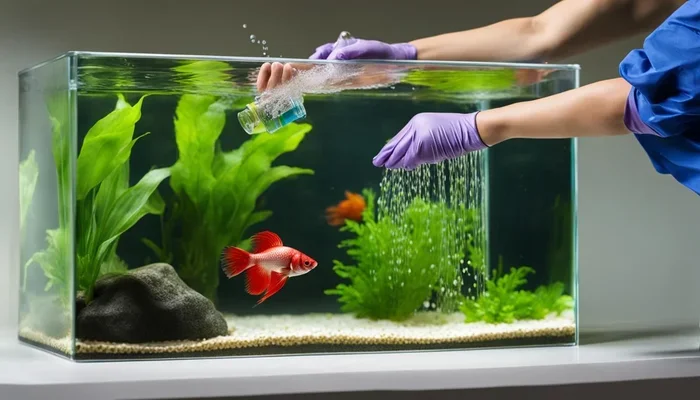
Knowing how to wash a betta fish tank properly is one of the most important skills for any betta owner. A clean tank keeps your fish healthy, reduces stress, and prevents common diseases. This guide walks you through every step, from gathering supplies to finishing up, so your betta thrives in a sparkling clean home.
Keeping a betta fish tank clean is not just about looks. It is about the health and happiness of your fish. When you learn how to wash a betta fish tank the right way, you create a safe environment where your betta can thrive. Dirty water carries ammonia and other toxins that harm your fish over time. A regular cleaning routine makes all the difference.
Many new betta owners feel overwhelmed by the idea of cleaning a tank. They worry about stressing their fish or messing up the tank setup. But the truth is, washing a betta fish tank does not have to be complicated. With the right tools and a simple plan, you can keep the tank fresh in under 30 minutes. This guide covers everything you need to know, from supplies to step-by-step instructions.
Whether you have a small 1-gallon bowl or a larger 10-gallon setup, the principles stay the same. You will learn the safest methods, the mistakes to avoid, and how often to clean. By the end, you will feel confident handling your betta fish tank cleaning like a pro. Let us dive in.
Key Takeaways
- Regular washing prevents toxins: A dirty tank builds harmful ammonia that can sicken or kill your betta fish.
- Gentle methods matter: Avoid harsh soaps or chemicals. Only use aquarium-safe tools and water conditioner.
- Partial water changes work best: You do not need to empty the entire tank every time you clean.
- Gravel and decorations need attention: Debris builds up in these areas and affects water quality.
- A cleaning schedule keeps things easy: Sticking to a routine saves time and keeps your betta comfortable.
- Watch for warning signs: Cloudy water, bad smells, and algae growth tell you it is time to clean.
📑 Table of Contents
- Why Washing Your Betta Fish Tank Matters
- What You Need Before You Start
- Step-by-Step Guide to Washing a Betta Fish Tank
- Common Mistakes People Make When Washing a Betta Fish Tank
- How Often Should You Wash a Betta Fish Tank?
- Tips for Keeping Your Betta Fish Tank Clean Longer
- Washing Different Types of Betta Tanks
- Conclusion
Why Washing Your Betta Fish Tank Matters
A betta fish lives in water. That water is its entire world. When the water gets dirty, the fish suffers. Understanding why cleaning matters helps you stay motivated to do it regularly.
The Build-Up of Harmful Toxins
Fish waste, leftover food, and decaying plants release ammonia into the water. Even small amounts of ammonia are dangerous for bettas. Over time, ammonia turns into nitrite and then nitrate. These chemicals damage your betta’s gills, skin, and fins. A dirty tank is a toxic tank. Washing the tank removes these harmful substances before they build up to dangerous levels.
Keeping Your Betta Healthy and Active
Clean water promotes strong colors, healthy fins, and a curious personality. Betta fish in dirty tanks often become lethargic, lose their appetite, or develop diseases like fin rot. On the other hand, a well-maintained tank supports a long and vibrant life. Your betta deserves a clean home, and you deserve a happy fish to watch every day.
Preventing Algae and Bad Odors
Excess light and nutrients in dirty water cause algae to grow on the glass and decorations. Algae alone is not always harmful, but too much algae signals an imbalance. A smelly tank is another clear sign that it is time to wash things out. Regular cleaning prevents both algae blooms and unpleasant odors.
What You Need Before You Start
Before you begin, gather everything you need. Having all your supplies ready makes the process smooth and fast. You do not want to scramble halfway through and stress out your fish.
Essential Cleaning Supplies
- Bucket or container: Use a clean bucket dedicated only to fish tank water. Never use a bucket that held soap or chemicals.
- Siphon or gravel vacuum: This tool pulls debris from the substrate while draining water. It is one of the most important tools for betta aquarium maintenance.
- Algae scraper or magnet cleaner: Use this to remove algae from the glass walls.
- Water conditioner: Tap water contains chlorine that harms fish. A conditioner neutralizes these chemicals.
- Clean sponge or cloth: Use this to wipe down the outside of the tank.
- Net: A soft net helps you safely remove your betta during the cleaning process.
Optional but Helpful Tools
- Thermometer: Helps you match the temperature of new water to the tank water.
- Decorations brush: A small brush helps scrub algae off rocks and ornaments.
- Turbid water test kit: This lets you check ammonia, nitrite, and nitrate levels after cleaning.
Pro tip: Always let tap water sit out for 24 hours before using it, or use a conditioner right away. This ensures the water is safe for your betta. If you are unsure about your setup, check out this guide on how to set up a fish tank for betta fish for helpful tips on creating the ideal environment.
Step-by-Step Guide to Washing a Betta Fish Tank
Now that you have your supplies ready, let us walk through the actual cleaning process. Follow these steps in order for the best results.
Step 1: Prepare the New Water
Start by filling your bucket with fresh water. The amount depends on how much water you plan to change. A good rule is to replace 25 to 50 percent of the tank water each time. Add water conditioner to the bucket and stir gently. Let it sit for a few minutes to work. The goal is to match the temperature of the tank water, which should be around 78 to 80 degrees Fahrenheit for bettas.
Step 2: Remove Your Betta Fish Safely
Use a soft net to gently transfer your betta into a clean container filled with some of the original tank water. This keeps your fish comfortable and safe while you clean. Do not leave your betta sitting in empty air or in containers that held soap. Handle your fish with care and keep the transfer process quick to minimize stress.
If you are new to this, you might want to read about how to transfer betta fish to a new tank for extra guidance on safe handling.
Step 3: Drain the Dirty Water
Place your siphon or gravel vacuum into the substrate. Start the siphon and let the dirty water flow into a bucket or drain. Focus on areas where debris collects, like corners and under decorations. Move the vacuum slowly through the gravel to stir up trapped waste. This is the most important part of the cleaning process because it removes the hidden toxins.
Step 4: Clean the Decorations and Gravel
Remove any decorations that look particularly dirty. Rinse them under warm water, using your hands to gently scrub off algae and grime. Never use soap or detergent. For the gravel, use the vacuum to suck up waste particles. If you have live plants, rinse their roots gently in the removed tank water to preserve beneficial bacteria.
Step 5: Scrub the Tank Glass
Use an algae scraper or magnetic cleaner to wipe down the inside glass. Work from top to bottom in smooth strokes. Pay extra attention to corners and the waterline where algae tends to build up. For stubborn spots, let the scraper sit for a few seconds before scrubbing again.
Step 6: Rinse the Filter (If Applicable)
If your tank has a filter, rinse the filter media in the removed tank water. Never rinse filter media under tap water because the chlorine kills beneficial bacteria. Gently squeeze the sponge or cartridge a few times until the water runs clear. Then place it back in the filter housing.
Step 7: Refill the Tank
Slowly pour the prepared water back into the tank. Use a plate or your hand to diffuse the flow and avoid disturbing the gravel. Add the water conditioner if you have not already treated the bucket water. Check the temperature before adding water. Ideally, the new water should match the existing tank temperature.
Step 8: Return Your Betta Fish
Gently net your betta out of the container and place it back into the clean tank. Watch your fish for a few minutes to make sure it adjusts well. Some bettas may hide or stay still for a short time after cleaning. This is normal and usually passes within an hour.
For a more detailed look at maintaining water quality, check out how to change the water in a betta fish tank for additional tips on water changes and conditioning.
Common Mistakes People Make When Washing a Betta Fish Tank
Even experienced fish keepers make mistakes. Knowing what to avoid saves you time and protects your fish.
Using Soap or Household Cleaners
This is the number one mistake. Soap residue is toxic to fish and can kill your betta within hours. Never use any cleaning product on tank items unless it is specifically labeled as aquarium-safe. Plain warm water is all you need for most cleaning tasks.
Replacing All the Water at Once
Some beginners think a full water change is better. In reality, replacing all the water removes beneficial bacteria that keep the tank balanced. These bacteria break down waste and keep the nitrogen cycle running. A partial water change of 25 to 50 percent is the safest approach.
Skipping the Water Conditioner
Tap water contains chlorine and chloramine, which are harmful to fish. Always treat new water with a conditioner before adding it to the tank. Skipping this step can cause gill damage and respiratory distress in your betta.
Cleaning Everything at Once
Try not to clean the filter, gravel, and decorations all on the same day. Spreading tasks across different days helps preserve beneficial bacteria colonies. Focus on one area per cleaning session for the best results.
How Often Should You Wash a Betta Fish Tank?
The frequency of cleaning depends on your tank size, filtration system, and the number of fish. Here is a general guideline to follow.
| Tank Size | Partial Water Change | Full Deep Clean |
|---|---|---|
| 1-3 gallons | Every 1-2 weeks | Once a month |
| 5 gallons | Every 1-2 weeks | Every 6-8 weeks |
| 10 gallons or larger | Every 2 weeks | Every 2-3 months |
Smaller tanks need more frequent attention because toxins build up faster. A 1-gallon betta fish tank requires more regular maintenance than a larger setup. Always test the water before cleaning to see if it needs attention sooner than scheduled.
Signs that your tank needs cleaning include cloudy water, a strong odor, visible algae, or your betta staying near the surface and gasping. If you notice any of these signs, do a partial water change right away.
Tips for Keeping Your Betta Fish Tank Clean Longer
Cleaning becomes easier when you take steps to prevent dirt buildup in the first place. Here are some simple habits that make a big difference.
- Do not overfeed your betta: Uneaten food sinks to the bottom and decays. Feed only what your fish can eat in 2 minutes, once or twice a day.
- Add live plants: Plants absorb excess nutrients and compete with algae for resources. They also produce oxygen, which benefits your betta.
- Use a proper filter: A filter keeps water circulating and removes debris between cleanings. Choose a gentle filter because bettas do not like strong currents.
- Avoid direct sunlight: Sunlight promotes algae growth. Place the tank in a spot with indirect light or use a timer for your aquarium light.
- Keep up with partial water changes: Regular small changes are easier and more effective than occasional deep cleans.
If you want to learn more about maintaining a healthy environment, take a look at this guide on how often to clean a betta fish tank for a deeper dive into scheduling and routines.
Washing Different Types of Betta Tanks
The basic cleaning process stays the same, but some tank types need special attention.
Washing a Small Betta Tank (1-3 Gallons)
Small tanks are more sensitive to water parameter changes. Always match the temperature and pH of the new water carefully. Use a smaller siphon and be extra gentle when removing your betta. Because the water volume is low, toxins spike faster, so never skip a scheduled cleaning.
Washing a 5-Gallon or 10-Gallon Betta Tank
Larger tanks offer more stability. You have more room for error with water changes. Focus on cleaning the gravel thoroughly and maintaining the filter. A 10-gallon tank also benefits from having live plants and a gentle sponge filter that supports the nitrogen cycle.
Washing a Betta Tank With Live Plants
Live plants require special care during cleaning. Do not uproot them when vacuuming the gravel. Rinse plant leaves gently in the removed tank water to remove algae. Trim dead or yellowing leaves to prevent decay. Healthy plants make cleaning easier because they naturally filter the water.
Conclusion
Learning how to wash a betta fish tank is a skill that every betta owner should master. It keeps your fish healthy, your water clear, and your tank looking beautiful. With the right supplies, a simple step-by-step process, and a regular schedule, cleaning becomes quick and easy. Remember to avoid common mistakes like using soap, replacing all the water, or skipping the conditioner. Your betta fish depends on you for a clean and safe home. Put these tips into practice, and you will enjoy a thriving aquarium for years to come.
Frequently Asked Questions
Can I use tap water directly in my betta fish tank?
No, you should not use tap water directly. Tap water contains chlorine and chloramine that harm betta fish. Always treat tap water with a water conditioner before adding it to the tank. This neutralizes the harmful chemicals and makes the water safe for your fish.
How long does it take to wash a betta fish tank?
A partial water change and basic cleaning takes about 20 to 30 minutes. A full deep clean may take up to an hour depending on the tank size and how dirty it is. Having all your supplies ready before you start helps the process go faster.
Is it safe to wash the gravel with soap?
No, never use soap or any household cleaner on aquarium gravel, decorations, or equipment. Soap residue is toxic to fish and can be fatal. Use only warm water and your hands or a clean brush to rinse gravel and decorations.
Do I need to remove my betta fish every time I clean the tank?
It is best to remove your betta during a cleaning to keep it safe from stirred-up debris and to prevent it from being stressed by the cleaning process. Use a soft net and place the fish in a container with some of the original tank water. This keeps your betta calm and secure.
What causes cloudy water in a betta tank?
Cloudy water is usually caused by a bacteria bloom, excess food, or poor filtration. It can also happen after a tank wash if beneficial bacteria colonies are disrupted. To clear cloudy water, do a partial water change, reduce feeding, and make sure your filter is working properly.
Can I wash my betta fish tank too often?
Yes, over-cleaning can be harmful. Washing the tank too frequently removes beneficial bacteria that are essential for the nitrogen cycle. Stick to a regular partial water change schedule and only do a full deep clean every few months. This keeps the tank balanced and your betta healthy.