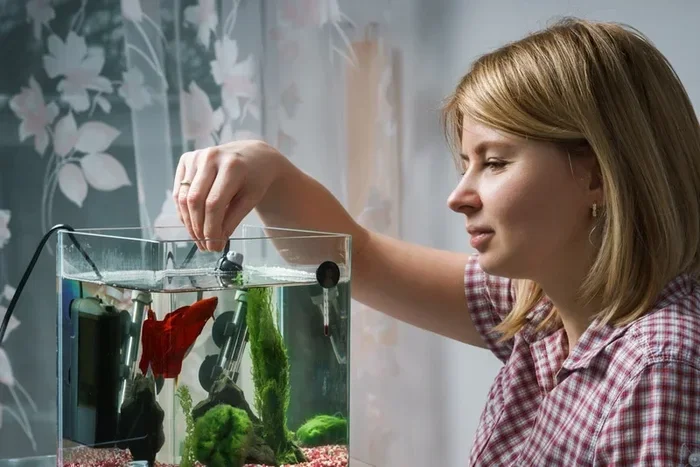
How to Use Tap Water for Betta Fish Without Conditioner
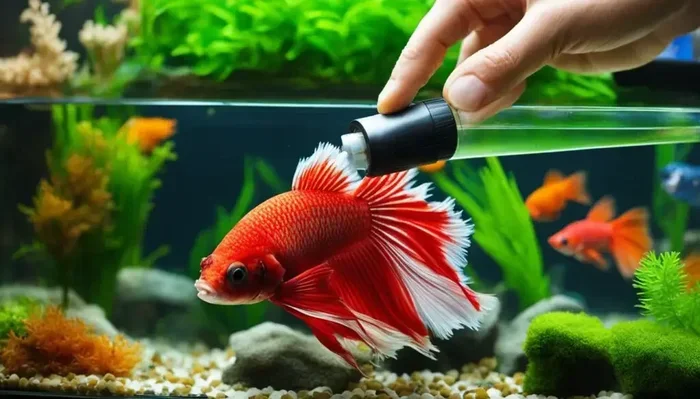
Using tap water for betta fish without conditioner is possible, but you need to know the right steps to keep your fish safe. Tap water contains chlorine and chloramine that can harm your betta. This guide shows you simple, proven methods to make tap water safe, including letting it sit, using vitamin C, and testing water quality. You will learn exactly how to prepare tap water for betta fish without conditioner and keep your fish healthy and happy.
Tap water is the easiest water source for most betta fish owners. It comes straight from your faucet, and you do not need to buy anything special. But here is the problem. Tap water contains chemicals that can hurt your betta fish. Chlorine and chloramine are added to municipal water supplies to kill bacteria. These same chemicals can damage your fish’s gills, stress their immune system, and even cause death.
So what do you do if you do not want to use a traditional tap water conditioner? Maybe you ran out, or you prefer a more natural approach. The good news is that you can still use tap water safely. You just need to know the right steps. This guide walks you through every method, tip, and precaution you need to make tap water for betta fish without conditioner a safe reality.
Whether you are a complete beginner or a seasoned hobbyist, you will find practical advice here. We cover simple methods like letting water sit, using vitamin C, and boiling water. We also discuss water testing, temperature matching, and common mistakes to avoid. By the end, you will feel confident preparing safe water for your betta every single time.
Key Takeaways
- Tap water needs treatment before use: Chlorine and chloramine in tap water can seriously harm or kill betta fish if not removed.
- Letting water sit works for mild cases: Standing tap water for 24-48 hours allows chlorine to evaporate naturally, though it does not remove chloramine.
- Vitamin C is a proven conditioner alternative: Ascorbic acid neutralizes chlorine and chloramine quickly and safely for betta fish.
- Water testing is essential: Always test tap water parameters like pH, ammonia, and nitrates before adding it to your betta tank.
- Partial water changes are safer: Changing only 25-30% of the water at a time reduces stress and maintains stable tank conditions.
- Avoid common mistakes: Never use hot tap water, skip temperature matching, or add untreated tap water directly to your betta tank.
- Know when to use conditioner: While this guide focuses on alternatives, water conditioner remains the fastest and most reliable option for most fish keepers.
📑 Table of Contents
- Why Tap Water Is Dangerous for Betta Fish
- Method 1: Letting Tap Water Sit Out
- Method 2: Using Vitamin C to Neutralize Chemicals
- Method 3: Boiling and Cooling Tap Water
- Testing and Monitoring Your Water Quality
- Common Mistakes to Avoid When Using Tap Water Without Conditioner
- When You Should Just Use a Water Conditioner
- Conclusion
Why Tap Water Is Dangerous for Betta Fish
Before you learn how to treat tap water, you need to understand why it is harmful in the first place. City water treatment plants add disinfectants to make water safe for humans. These chemicals are great for us but dangerous for fish. Let us break down exactly what is in your tap water and why it matters.
Chlorine vs. Chloramine: What Is the Difference?
Most people lump chlorine and chloramine together, but they are different chemicals with different behaviors. Chlorine is a gas that dissolves in water and evaporates over time. This is why the “let it sit” method works for chlorine. You simply leave the water exposed to air for 24 to 48 hours, and the chlorine dissipates naturally.
Chloramine is a compound made of chlorine and ammonia. Water treatment plants use it because it lasts longer in the water supply. Unlike chlorine, chloramine does not evaporate quickly. Leaving water out overnight will not remove it effectively. This is a critical distinction because many beginners assume all tap water chemicals behave the same way.
You can find out which disinfectant your local water utility uses by checking their annual water quality report. Most utilities list this information on their website. If your water contains chloramine, you will need a more active removal method than just letting water sit.
Other Harmful Substances in Tap Water
Chlorine and chloramine are not the only concerns. Tap water can also contain heavy metals like copper, lead, and zinc. These metals come from old pipes and plumbing fixtures. Even small amounts can be toxic to betta fish over time. Fluoride, which is added to many municipal water supplies, can also stress sensitive fish.
The pH of tap water varies widely depending on your location. Some areas have soft, acidic water, while others have hard, alkaline water. Bettas thrive in slightly warm, moderately soft water with a pH between 6.5 and 7.5. If your tap water falls outside this range, you will need to adjust it before adding it to your tank.
Understanding what is in your specific tap water is the first step toward keeping your betta safe. Consider purchasing a basic water test kit. These kits measure pH, ammonia, nitrite, nitrate, and general hardness. They cost very little and give you peace of mind.
Method 1: Letting Tap Water Sit Out
The most popular alternative to using water conditioner is the age-old method of letting water sit. This approach works well for removing chlorine but has limitations when it comes to chloramine. Here is exactly how to do it right.
Step-by-Step Instructions
Follow these steps carefully for the best results:
- Fill a clean bucket or container with tap water. Use a container dedicated to aquarium use only. Never use a container that has held soap or cleaning chemicals.
- Leave the container uncovered. Exposing the water to air allows chlorine to evaporate. Covering the container traps the gases inside and slows the process.
- Let the water sit for at least 24 hours. For heavily chlorinated water, 48 hours is safer.
- Stir or agitate the water occasionally. Moving the water increases the surface area and speeds up chlorine evaporation.
- Test the water before adding it to your tank. If you smell a strong chlorine odor after 24 hours, let it sit longer.
- Match the temperature of the standing water to your tank water before performing the water change.
When This Method Works and When It Does Not
This method works well in areas where the water supply uses only chlorine as a disinfectant. Many smaller water utilities still use chlorine alone. However, larger cities almost universally switched to chloramine because it provides longer-lasting protection against bacteria in the distribution system.
If your water contains chloramine, letting it sit will not remove the ammonia component. The ammonia released can spike your tank’s ammonia levels and stress your betta. In this case, you need a more active treatment method. More on that below.
Quick Tips for Better Results
- Use a wide-mouthed container. More surface area means faster chlorine removal.
- Place the container near a gentle air stone. The bubbling dramatically speeds up gas exchange.
- Do not let the water sit for more than a week. Stagnant water can grow bacteria and lose oxygen.
- Always wash your hands and the container before filling it. Contaminants from your skin or surfaces can harm your fish.
Method 2: Using Vitamin C to Neutralize Chemicals
If your tap water contains chloramine or you need a faster solution, vitamin C is your best friend. Ascorbic acid, the active form of vitamin C, neutralizes both chlorine and chloramine effectively. This method is widely used by experienced fish keepers who want a chemical-free alternative to commercial conditioners.
How Vitamin C Works
Ascorbic acid reacts with chlorine and chloramine, breaking them down into harmless compounds. The chemical reaction is fast and complete. Unlike the sitting method, vitamin C works in minutes rather than hours. You can treat water right before you add it to your tank.
The best part is that vitamin C is completely safe for betta fish at the correct dosage. It does not alter your water parameters in any harmful way. In fact, some aquarists use vitamin C as a general health supplement for their fish. It supports the immune system and can help reduce stress during water changes.
How to Use Vitamin C for Water Treatment
Here is how to apply this method in practice:
- Buy pure ascorbic acid powder. You can find this at most pharmacies or health food stores. Do not use vitamin C tablets that contain fillers, binders, or artificial ingredients. Pure ascorbic acid powder is what you need.
- Use the right dosage. A general rule is 100 milligrams of ascorbic acid per 10 gallons of water. For a standard betta tank of 5 gallons, use about 50 milligrams. This is roughly one small pinch of powder.
- Stir the water thoroughly. Mix the powder into the water and let it dissolve completely. The reaction happens almost instantly.
- Wait 5 to 10 minutes. Give the treated water a few minutes to fully react with the chlorine and chloramine before adding it to your tank.
- Store your ascorbic acid properly. Keep it in a cool, dry place away from direct sunlight. It has a long shelf life when stored correctly.
Where to Buy Ascorbic Acid
Most grocery stores and pharmacies carry ascorbic acid powder in the vitamin section. You can also buy it online in bulk, which is more cost-effective for regular use. Look for products labeled “food grade” or “pharmaceutical grade” to ensure purity. Avoid anything with added colors, flavors, or preservatives.
If you prefer a pre-measured option, some aquarium brands sell ascorbic acid-based water treatments. These products are designed specifically for aquarium use and take the guesswork out of dosing. Just make sure the product does not contain any additional chemicals you do not want in your betta’s water.
Method 3: Boiling and Cooling Tap Water
Boiling tap water is another effective way to remove chlorine. The heat drives off dissolved gases, including chlorine gas. This method is simple and works well for small batches of water. However, it has some limitations you should understand.
The Boiling Process
Bring the tap water to a rolling boil for about 15 to 20 minutes. The boiling process removes most of the free chlorine from the water. After boiling, let the water cool completely before adding it to your betta tank. Use a thermometer to ensure the water matches your tank temperature.
Boiling does not remove chloramine effectively. The ammonia component of chloramine is heat-stable and remains in the water even after boiling. If your water supply uses chloramine, this method alone will not make the water safe.
Combining Boiling with Other Methods
For the best results with chloramine-treated water, you can combine boiling with vitamin C treatment. Boil the water first to remove chlorine, then add ascorbic acid to neutralize the chloramine. This two-step approach covers both disinfectants and gives you peace of mind.
Another option is to boil the water and then let it cool while exposed to air. The combination of heat and aeration removes chlorine quickly, and the extended cooling period allows some chloramine breakdown. This is not as reliable as using vitamin C, but it is better than doing nothing.
Common Mistakes When Boiling Water
- Do not boil water in a container used for household cleaning. Residual chemicals can leach into the water.
- Do not add boiled water directly to your tank. Hot water can kill beneficial bacteria and stress your betta.
- Do not reboil the same water multiple times. Repeated boiling concentrates dissolved minerals and heavy metals.
- Do not skip temperature matching. Sudden temperature changes are one of the biggest stressors for betta fish.
Testing and Monitoring Your Water Quality
Treating tap water is only half the battle. You also need to verify that the water is safe before it goes into your tank. Water testing removes the guesswork and helps you catch problems early. This section covers the essential tests and what the results mean for your betta.
Essential Water Parameters for Betta Fish
Bettas need specific water conditions to thrive. Here are the key parameters you should test:
- pH: Ideal range is 6.5 to 7.5. Bettas can tolerate slight fluctuations, but extreme pH levels are dangerous.
- Ammonia: Should be 0 ppm. Even trace amounts of ammonia can burn your betta’s gills and fins.
- Nitrite: Should be 0 ppm. Nitrite interferes with oxygen transport in your fish’s blood.
- Nitrate: Should be below 20 ppm. Regular water changes keep nitrate levels in check.
- Temperature: Ideal range is 78 to 80 degrees Fahrenheit. Bettas are tropical fish and need warm water.
- General Hardness (GH): Ideal range is 3 to 4 dGH. Soft to moderately hard water is best.
Testing Your Tap Water Before Treatment
Before you treat your tap water, test it first. This tells you what you are starting with. Many pet stores offer free water testing, or you can buy a test kit for home use. Liquid test kits are generally more accurate than test strips, though strips are more convenient.
If your tap water shows high levels of chlorine or chloramine, you know you need a more aggressive treatment method. If the pH is far from the ideal range, you may need to adjust it after treatment. Testing gives you a complete picture of your water quality.
How Often Should You Test?
Test your tap water at least once a month. Test your tank water weekly during regular maintenance. You should also test anytime you notice changes in your betta’s behavior, such as lethargy, loss of appetite, or faded colors. These can be signs of poor water quality.
Common Mistakes to Avoid When Using Tap Water Without Conditioner
Even with the best intentions, mistakes happen. Here are the most common errors fish keepers make when preparing tap water without conditioner, and how to avoid them.
Using Hot Tap Water Directly
Never use hot water straight from the tap. Hot water dissolves more lead and other metals from pipes than cold water does. It can also contain higher concentrations of certain contaminants. Always use cold tap water and heat it separately if needed.
Skipping Temperature Matching
Bettas are sensitive to temperature changes. Adding cool water to a warm tank can cause thermal shock, which weakens the immune system and can be fatal. Always match the temperature of your new water to your tank water within 1 to 2 degrees Fahrenheit.
Not Letting Water Sit Long Enough
If you rely on the sitting method, give the water enough time. Twenty-four hours is the minimum. Some people wait only a few hours and assume the chlorine is gone. This is a gamble. When in doubt, wait longer.
Overlooking Your Local Water Report
Every municipality publishes an annual water quality report. Reading this report tells you exactly what is in your tap water. You will know the chlorine or chloramine levels, pH, and whether heavy metals are present. This information helps you choose the right treatment method.
Changing Too Much Water at Once
Large water changes can shock your betta’s system. Stick to 25 to 30 percent water changes per week. This keeps the tank environment stable and gives your beneficial bacteria time to adjust. For more details on water change frequency, check out our guide on how often to change water for betta fish.
Forgetting to Aerate Treated Water
After treating water, it needs to be well-oxygenated before going into the tank. Stagnant treated water can have low dissolved oxygen levels, which stresses your betta. Use an air stone or simply pour the water back and forth between containers a few times to increase oxygen levels.
When You Should Just Use a Water Conditioner
Let us be honest. While alternatives to conditioner work, they require more time and effort. Water conditioner remains the fastest, most reliable way to make tap water safe for betta fish. A good conditioner neutralizes chlorine, chloramine, and heavy metals in seconds. It also adds beneficial slime coat protectants that help your betta stay healthy.
If you are new to fish keeping, we strongly recommend using a conditioner. It removes nearly all the guesswork from water preparation. Products like Aqueon Water Conditioner and Seachem Prime are popular choices among betta keepers. You can learn more about specific conditioner brands in our article on can I use Aqueon water conditioner for my betta fish.
That said, if you prefer a more natural approach or find yourself without conditioner, the methods in this guide will serve you well. The key is consistency. Treat your water the same way every time, and your betta will thrive.
For those curious about whether tap water is safe for bettas at all, we have a dedicated article on whether you can use tap water for your betta fish that goes deeper into this topic.
Conclusion
Using tap water for betta fish without conditioner is entirely doable with the right knowledge and a little patience. The sitting method works for chlorine-only water, vitamin C handles both chlorine and chloramine, and boiling provides another option for removing dissolved gases. The most important thing is to never skip water testing and temperature matching. These two steps protect your betta from the hidden dangers in tap water.
Remember that every tank is different. Your local water supply, tank setup, and betta’s individual needs all play a role in how you prepare water. Start with the method that fits your situation best, and adjust as you learn more about your water quality. With consistent care and attention, you can keep your betta fish healthy and happy using nothing more than tap water and a few simple techniques.
Take what you have learned from this guide and put it into practice on your next water change. Your betta will thank you with vibrant colors, active swimming, and a long, healthy life. Happy fish keeping.
Frequently Asked Questions
Can I use tap water directly for my betta fish if I let it sit overnight?
If your local water supply uses only chlorine as a disinfectant, letting the water sit for 24 hours will remove it. However, if your water contains chloramine, simply sitting overnight is not enough. You will need to use vitamin C or another active treatment method to neutralize the chloramine. Always test your water before adding it to your tank.
How long should I let tap water sit before adding it to my betta tank?
The minimum time is 24 hours. This allows chlorine to evaporate naturally. If you want to be extra safe, let the water sit for 48 hours. For water containing chloramine, the sitting method alone will not work, and you should use an alternative treatment like vitamin C or ascorbic acid.
Is vitamin C safe for betta fish in the amounts needed for water treatment?
Yes, vitamin C in the form of ascorbic acid is completely safe for betta fish at the correct dosage. The amount needed to neutralize chlorine and chloramine is very small and does not affect your tank’s water parameters. Use about 100 milligrams per 10 gallons of water for safe and effective treatment.
What is the difference between chlorine and chloramine in tap water?
Chlorine is a single gas that evaporates from water over time when exposed to air. Chloramine is a combination of chlorine and ammonia that does not evaporate easily. This means simple methods like letting water sit will remove chlorine but not chloramine. You need an active treatment like vitamin C to neutralize chloramine effectively.
Can I boil tap water to make it safe for my betta fish?
Boiling tap water for 15 to 20 minutes removes chlorine effectively. However, boiling does not remove chloramine. If your water supply uses chloramine, you will need to combine boiling with another method like adding vitamin C. Always let boiled water cool completely and match the temperature to your tank before adding it.
Do I need to test my tap water before using it for my betta fish?
Yes, testing your tap water is essential. It tells you the pH, chlorine or chloramine levels, and whether heavy metals are present. This information helps you choose the right treatment method and adjust your water as needed. Test your tap water at least once a month and your tank water weekly for the best results.