How to Treat White Spot Disease in Betta Fish
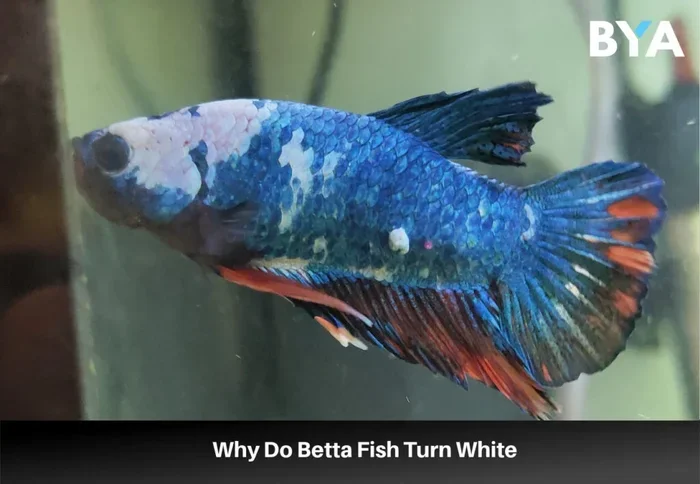
White spot disease in betta fish is one of the most common parasitic infections that affects freshwater aquarium fish. Also known as Ich or Ichthyophthirius, this highly contagious condition causes tiny white spots to appear on your betta’s body and fins. In this guide, you will learn how to identify, treat, and prevent white spot disease in betta fish using proven methods that work fast.
Key Takeaways
- Early detection is critical: Catching white spots early makes treatment much easier and more effective for your betta.
- Raise the temperature gradually: Increasing tank water to around 82°F kills the parasite at certain life stages.
- Use medication when needed: Commercial Ich treatments containing malachite green or formalin are highly effective.
- Quarantine affected fish: Isolating your sick betta prevents the disease from spreading to other tank mates.
- Water quality matters: Regular water changes and proper filtration support your betta’s recovery from white spot disease.
- Stress weakens immunity: Reducing stress factors helps your betta fight off the parasitic infection faster.
- Prevention is the best cure: Maintaining stable water parameters stops white spot disease from returning.
📑 Table of Contents
- Introduction
- What Is White Spot Disease in Betta Fish?
- Recognizing the Symptoms of White Spot Disease
- How to Treat White Spot Disease in Betta Fish
- Prevention Tips for White Spot Disease
- Common Mistakes to Avoid During Treatment
- When to See a Vet
- Expert Insights on Treating White Spot Disease
- Conclusion
Introduction
White spot disease in betta fish is a problem no aquarist wants to deal with. Those tiny white dots that suddenly show up on your betta can be alarming. But here is the good news. This condition is very treatable when you act fast. Millions of betta fish owners have successfully cured their fish using simple methods.
In this guide, you will learn everything about how to treat white spot disease in betta fish. We will cover the symptoms, the causes, and step-by-step treatment options. You will also discover how to prevent the disease from coming back. Let us dive right in and help your betta feel better.
What Is White Spot Disease in Betta Fish?
White spot disease is caused by a tiny parasite called Ichthyophthirius multifiliis. Most fish keepers simply call it Ich or white spots. The parasite attaches itself to the skin and fins of your betta fish. It forms small cysts that look like white or silver dots on the body.
This parasitic infection is extremely common in freshwater aquariums. It thrives when water conditions are unstable or when fish are under stress. A healthy betta can often fight off a mild case. But a weakened fish needs your help to recover fully.
You might also hear people call this condition cotton wool disease or simply freshwater ich. Whatever the name, the problem is the same. The parasite feeds on the fish skin cells. This causes irritation, breathing difficulty, and severe discomfort for your betta.
Why Does White Spot Disease Happen?
Several factors trigger white spot disease in betta fish. Understanding these causes helps you protect your pet:
- Temperature shocks: Sudden drops in tank temperature weaken your betta and allow the parasite to attack.
- Poor water quality: High ammonia or nitrate levels make fish vulnerable to infection.
- New fish introductions: Bringing untested fish into your tank can introduce the parasite.
- Overcrowding: Too many fish in a small space increases stress and disease spread.
- Dirty substrate: Old leftover food and waste harbor parasites in your betta tank.
Many experienced aquarists also recommend learning more about this condition through resources like how to cure white spots on betta fish. It provides great additional guidance for treating this specific problem.
Recognizing the Symptoms of White Spot Disease
Spotting the symptoms early makes a huge difference in treatment success. Watch your betta closely for these warning signs of white spot disease in betta fish.
Visible White Spots
The most obvious sign is tiny white dots on the body, head, and fins. These spots look like grains of salt or sugar. They can appear anywhere on the fish. In severe cases, the spots merge and cover large areas of the body surface.
Rapid Gill Movement
Your betta may breathe very fast. The parasite damages the skin and gill tissue. This makes it hard for your fish to get enough oxygen. You will notice the gills fluttering rapidly.
Clamped Fins
A betta with white spot disease often holds its fins close to the body. This is a clear sign of discomfort and stress. The fish tries to protect its irritated fins from further damage.
Scratching Against Objects
You might see your betta rubbing against rocks, décor, or the glass. This is called “flashing.” The fish does this to try to scratch off the irritating white spots. It rarely helps and can cause more skin damage.
Lethargy and Loss of Appetite
A sick betta often becomes very tired. It may stop eating altogether. The fish hides behind plants or in corners instead of swimming normally. If you notice these combined with white spots, treatment should begin immediately.
How to Treat White Spot Disease in Betta Fish
Now let us get to the most important part. Here is a detailed, step-by-step approach on how to treat white spot disease in betta fish. You can follow these methods even if you are a beginner.
Step 1: Quarantine Your Sick Betta
First things first. Move your sick betta to a separate quarantine tank. This stops the parasite from spreading to other fish. A small 1 to 3 gallon hospital tank works perfectly. Make sure the water temperature matches the main tank.
Why is quarantine so important? The Ich parasite has a life cycle. It detaches from the fish, falls to the substrate, and multiplies. Treating the main tank can harm all the fish inside. A quarantine tank keeps your healthy fish safe while you treat the sick one.
Step 2: Raise the Water Temperature
One of the most effective home treatments is gradually increasing the water temperature. The Ich parasite cannot survive above 82 to 86°F. Slowly raise the temperature over 2 to 3 hours. Do not change it all at once. Your betta needs time to adjust.
Here is a quick comparison of temperature effects on the parasite:
- Below 75°F: The parasite multiplies rapidly and spreads fast.
- 75 to 80°F: The parasite life cycle slows down but continues.
- 82 to 86°F: The parasite becomes very weak and eventually dies off.
Keep the elevated temperature for about 7 to 10 days. This ensures all parasite cysts that have hatched are killed. Always monitor your betta during this process. Some fish handle heat better than others.
Step 3: Add Aquarium Salt
Adding salt to the water is another proven treatment for white spot disease in betta fish. Use plain aquarium salt or non-iodized table salt. Dissolve it in tank water before adding it to the quarantine tank.
The recommended dosage is 1 teaspoon of salt per 1 gallon of water. This creates an environment where the parasite struggles to survive. The salt also helps your betta’s slime coat heal faster. Add the salt gradually over a few hours. Watch your fish for any signs of stress.
Important note: Do not use salt if you have live plants in the quarantine tank. Salt can damage or kill most aquatic plants. Also, some bettas are very sensitive to salt. Always observe your fish carefully after adding it.
Step 4: Use Commercial Medication
If the temperature and salt method do not work fast enough, try a commercial treatment. Many brands offer Ich treatment medications specifically designed for freshwater fish. Look for products containing malachite green, formalin, or methylene blue.
Here are some popular treatment approaches:
- Malachite green solutions: Very effective against the feeding stage of the parasite. Use exactly as directed on the package.
- Formalin-based medications: These target the parasite on the fish body. They work well in combination with raised temperature.
- Methylene blue: A gentle option that supports healing. Great for mild cases of white spots.
Always remove activated carbon from your filter before adding medication. Carbon absorbs the medicine and makes it useless. Follow the dosage instructions carefully. Overdosing can harm your betta.
For more detailed treatment strategies, you can also check guides on how to treat Ich on a betta fish. That resource covers medication options in great depth.
Step 5: Perform Regular Water Changes
Clean water supports a faster recovery. Change 25 to 30 percent of the water in the quarantine tank every day during treatment. This removes parasite cysts that have settled on the bottom. Fresh, clean water also reduces the toxic waste buildup caused by a sick fish.
Use a gravel vacuum to clean the substrate at the same time. Remove any uneaten food and debris. The cleaner the environment, the better your betta will heal from the parasitic infection.
Step 6: Support Your Betta’s Immune System
A strong immune system helps your betta fight off the disease. Feed high-quality food during treatment. Live or frozen brine shrimp and bloodworms are excellent choices. Offer small amounts 2 to 3 times a day. Remove any food your fish does not eat within a few minutes.
Keep the lighting dim and reduce noise near the tank. A calm environment reduces stress. Stress is a major trigger for disease. If you want to learn more about managing fish stress, check out this helpful guide on how to treat a stressed betta fish.
Prevention Tips for White Spot Disease
Preventing white spot disease is much easier than treating it. Here are proven strategies to keep your betta safe from future outbreaks of freshwater ich.
Maintain Stable Water Temperature
Use a reliable aquarium heater with a built-in thermostat. Sudden temperature changes are a leading cause of disease. Keep the water between 76 and 80°F for tropical betta fish. A stable temperature keeps your fish comfortable and disease-free.
Keep Water Quality High
Test your water regularly for ammonia, nitrite, and nitrate levels. Perform weekly water changes of 20 to 25 percent. A good filter keeps the water clean and healthy. Consider learning proper maintenance techniques from resources like how to change water in betta fish tank to ensure you are doing it correctly.
Quarantine All New Fish
Never add a new fish directly to your main tank. Keep it in a quarantine tank for at least 2 weeks. Observe the fish for any signs of illness. This simple step prevents many disease outbreaks. It is the golden rule of responsible fish keeping.
Avoid Overcrowding
Bettas need space. A 5-gallon tank or larger is ideal. Overcrowded tanks cause stress and spread disease quickly. Give your betta plenty of room to swim and explore.
Clean the Tank Regularly
Remove dead plant leaves and leftover food daily. Vacuum the substrate during water changes. A clean tank means fewer parasites and bacteria lurking around. Your betta will thank you with brighter colors and more energy.
Common Mistakes to Avoid During Treatment
Even experienced fish keepers make mistakes when treating white spot disease. Here are pitfalls you should avoid:
- Skipping quarantine: Treating the main tank can harm all fish. Always isolate the sick betta first.
- Raising temperature too fast: Sudden temperature spikes stress your fish. Increase it slowly over a few hours.
- Overdosing medication: More is not better. Follow the package directions exactly to protect your betta.
- Ignoring water changes: Medication alone is not enough. Clean water is essential for full recovery.
- Stopping treatment too early: The parasite may still be in its free-swimming stage. Continue treatment for at least 7 to 10 days after spots disappear.
- Using table salt with iodine: Iodized salt is harmful to fish. Always use pure aquarium salt or non-iodized options.
When to See a Vet
Most cases of white spot disease respond well to home treatment. However, some situations need professional help. Contact a fish health veterinarian if:
- The white spots cover more than 60 percent of the body.
- Your betta stops eating for more than 5 days despite treatment.
- You notice open wounds, torn fins, or cotton-like growths on the body.
- The fish is floating at the top or lying on its side.
- Other fish in the tank also show symptoms despite quarantine.
Professional diagnosis can identify if a secondary infection has developed. Bacterial or fungal infections sometimes accompany white spot disease. In those cases, additional medication may be necessary. Do not delay seeking help if your betta is not improving.
Expert Insights on Treating White Spot Disease
Experienced aquarists share one consistent piece of advice. Act fast. The earlier you start treatment, the better the outcome. White spot disease is not a death sentence for your betta. With proper care, most fish recover completely within 2 weeks.
Another expert tip is to combine methods. Using raised temperature plus salt plus medication gives you a triple attack against the parasite. This approach tackles the parasite at multiple life stages. It is far more effective than using just one method alone.
Finally, always observe your fish daily. Quick detection saves lives. Make it a habit to watch your betta for a few minutes each day. Notice any behavior changes. Early action is your strongest weapon against white spot disease in betta fish.
Conclusion
Dealing with white spot disease in betta fish can be stressful. But now you have everything you need to handle it like a pro. Remember to quarantine your fish, raise the temperature, use salt or medication, and keep the water clean. These simple steps can save your betta and help it thrive again.
Prevention is always better than cure. Maintain good water quality, keep temperatures stable, and quarantine new fish. Your betta deserves a healthy, happy life. Apply what you have learned today and watch your fish bounce back with vibrant colors and energy. You have got this.
Frequently Asked Questions
What is the fastest way to treat white spot disease in betta fish?
The fastest approach combines three methods. Raise the tank temperature to 82 to 86°F gradually. Add aquarium salt at 1 teaspoon per gallon. Use a commercial Ich medication containing malachite green. This triple treatment attacks the parasite at every stage of its life cycle and usually clears the infection within 7 to 10 days.
Can white spot disease kill a betta fish?
Yes, it can be fatal if left untreated. The parasite damages the skin and gill tissue. This makes it very hard for the fish to breathe. A severely infected betta can die within a few days. However, early treatment leads to a very high recovery rate. Act quickly to protect your fish.
How long does it take for white spots to disappear after treatment?
You should see visible improvement within 3 to 5 days of starting treatment. The white spots will begin to shrink and fade. Complete disappearance usually takes 7 to 14 days depending on the severity. Continue treatment for at least a week after all spots vanish to prevent a relapse.
Can I treat white spot disease without medication?
Yes, mild cases can be treated without medication. Raise the water temperature to 82 to 86°F and add aquarium salt. This method works by killing the parasite naturally. Keep the conditions for 7 to 10 days. Monitor your betta closely. If there is no improvement, switch to a commercial treatment for faster results.
Is white spot disease contagious to other fish?
Absolutely. The Ich parasite is highly contagious. It spreads easily through shared water and equipment. This is why quarantine is so important. Move the infected betta to a separate tank immediately. Also, never share nets, buckets, or décor between tanks without cleaning them first.
How can I prevent white spot disease from coming back?
Prevention focuses on maintaining stable conditions. Keep the water temperature consistent with a reliable heater. Perform regular water changes to maintain good water quality. Always quarantine new fish for at least 2 weeks before adding them to your main tank. Feed a high-quality diet to keep your betta immune system strong. These habits will greatly reduce the risk of future outbreaks.