How to Treat Ich on Betta Fish
Ich is one of the most common and stressful diseases that can affect your betta fish. This tiny parasite creates white spots on the body and fins, causing serious discomfort. Treating ich on betta fish early can save your pet’s life. In this guide, you will learn how to spot the signs, apply effective treatments, and prevent future outbreaks.
Key Takeaways
- Early detection is critical: Catching ich early gives your betta the best chance of a full recovery.
- Raise the water temperature: Gradually increasing the temperature to 78-80°F speeds up the parasite’s life cycle.
- Use medication when needed: Ich-specific medications like malachite green and formalin are highly effective.
- Quarantine new fish: Always isolate new additions to prevent spreading ich to your main tank.
- Maintain water quality: Clean, well-maintained water helps your betta fight off infections faster.
- Prevention is the best cure: Reducing stress and keeping water parameters stable prevents ich from returning.
📑 Table of Contents
- How to Treat Ich on Betta Fish
- What Is Ich and Why Does It Affect Betta Fish?
- Recognizing the Symptoms of Ich on Betta Fish
- How to Treat Ich on Betta Fish: Step-by-Step Guide
- Common Mistakes When Treating Ich
- Preventing Ich from Returning
- Expert Insights on Treating Ich in Bettas
- When to Seek Veterinary Help
- Conclusion
How to Treat Ich on Betta Fish
Finding white spots on your betta fish can be scary. You might wonder what is happening to your beautiful companion. How to treat ich on betta fish is a question every betta owner should know the answer to. Ich, also known as white spot disease, is caused by a tiny parasite called Ichthyophthirius multifiliis. This parasite attaches to the fish’s skin and fins, creating those annoying white dots. If left untreated, ich can be deadly. But don’t worry. With the right knowledge, you can cure it fast. This guide covers everything you need to know about treating ich on betta fish, from spotting symptoms to applying remedies.
Betta fish are already prone to stress and illness due to their sensitive nature. When ich strikes, it can spread rapidly. Understanding the lifecycle of the parasite helps you choose the right ich treatment for betta fish. The good news is that most cases are fully curable if you act quickly. Let’s dive into the details so you can protect your finned friend.
What Is Ich and Why Does It Affect Betta Fish?
Understanding the Ich Parasite
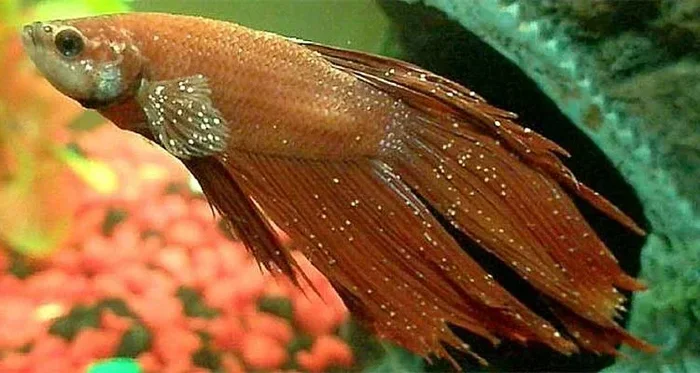
Ich is a parasitic infection that targets freshwater fish, and bettas are no exception. The parasite lives in the water and attaches itself to the fish’s body. It feeds on the fish’s skin cells and blood. This feeding creates the characteristic white spots that give the disease its nickname: white spot disease. The spots usually appear first on the fins and then spread to the body. You might also notice your betta flashing, which means rubbing against objects to relieve the itch.
The parasite has a complex lifecycle. It starts as a trophont embedded in the fish. Then it drops off and forms a cyst on the tank surface. This cyst divides into hundreds of new parasites. That is why ich treatment for betta fish must target the free-swimming stage. Treating only the visible spots is not enough. You need a treatment plan that breaks the entire lifecycle.
Why Bettas Are Vulnerable
Bettas have delicate fins and sensitive skin. They are also tropical fish that need warm water. Cold or fluctuating temperatures weaken their immune system. This makes them easy targets. Betta fish ich treatment is more successful when you address the root cause. Stress is the biggest contributor. Poor water conditions, sudden temperature changes, and aggressive tank mates all add stress. A stressed betta cannot fight off parasites effectively. That is why how to treat ich on betta fish always starts with improving living conditions.
Recognizing the Symptoms of Ich on Betta Fish
Early detection makes a huge difference. The sooner you spot ich, the easier it is to treat. Here are the key signs to watch for:
- White spots on body and fins: These are the hallmark sign. Spots look like grains of salt or sugar scattered on the fish.
- Rapid breathing: The parasite damages the gills, making it hard for your betta to breathe. You may see the gill plates moving very fast.
- Clamped fins: Your betta may hold its fins close to the body instead of spreading them out.
- Lethargy: A sick betta often hides and stops swimming normally. It may lose interest in food.
- Scratching or flashing: Your fish might rub against rocks, gravel, or decorations to scratch the itch caused by the parasites.
- Loss of appetite: As the infection worsens, your betta will stop eating altogether.
- Fins appearing ragged: Ich can cause fin deterioration. If you also see signs of betta fish fin loss, the infection may be advanced.
If you notice two or more of these symptoms, start treatment immediately. Waiting only gives the parasite more time to multiply. Remember, a healthy betta should be active, curious, and have fully spread fins. Any change in behavior deserves attention.
How to Treat Ich on Betta Fish: Step-by-Step Guide
Step 1: Quarantine Your Betta
The first step in how to treat ich on betta fish is isolation. Move your betta to a quarantine tank or hospital tank. This prevents the disease from spreading to other fish. It also lets you treat the betta without worrying about harming tank mates. Use a small tank with clean, conditioned water. Keep the temperature stable. A quarantine tank also makes it easier to monitor your betta’s progress. If you are unsure about transferring your fish, learn how to transfer betta fish to a new tank safely.
Step 2: Raise the Water Temperature
The ich parasite cannot reproduce above 78°F. Raising the temperature is one of the most effective natural treatments. Slowly increase the temperature to 80°F over the course of a few hours. Do not rush this process. A sudden temperature spike can shock your betta. Hold the temperature at 80°F for at least 10 days. This disrupts the parasite’s lifecycle and stops it from multiplying. Make sure your heater can maintain a steady temperature. A reliable heater is essential for betta fish ich treatment.
Step 3: Add Aquarium Salt
Salt is a gentle and effective support for treating ich. Add 1 tablespoon of aquarium salt per 5 gallons of water. Do not use table salt. Use pure aquarium salt or non-iodized salt. Salt helps to reduce the parasite’s attachment to the fish’s skin. It also supports the betta’s slime coat, which is its natural defense barrier. Monitor your betta closely. Some bettas tolerate salt well, but others may be sensitive. If your betta shows signs of stress, reduce the salt amount. For a more targeted approach, you can also explore how to salt bath betta fish for additional guidance.
Step 4: Use Ich Medication
For severe cases, medication is often necessary. Several over-the-counter treatments target ich effectively. Look for products containing malachite green, formalin, or methylene blue. These ingredients attack the free-swimming stage of the parasite. Follow the dosage instructions carefully. Overdosing can harm your betta. Here is a comparison of common ich medications:
| Medication Type | Key Ingredient | Best For | Notes |
|---|---|---|---|
| Malachite Green | Malachite Green | Severe ich cases | Very effective but can irritate sensitive fish |
| Formalin-based treatments | Formalin | Moderate ich | Works well in combination with salt |
| Methylene Blue | Methylene Blue | Mild ich and prevention | Gentle, safe for most bettas |
| Combination treatments | Multiple | Stubborn ich | Target multiple lifecycle stages at once |
Always remove activated carbon from your filter before adding medication. Carbon absorbs the medicine and reduces its effectiveness. Also, turn off UV sterilizers during treatment. These also destroy the medication. If you are dealing with a related fungal infection, you might need to cure fungus on betta fish with a separate treatment approach.
Step 5: Perform Partial Water Changes
During treatment, do 25% water changes every two days. This removes dead parasites and medication residue. Use dechlorinated water at the same temperature as the tank. Fresh water helps keep the environment clean without stressing your betta. Avoid large water changes. Those can remove beneficial bacteria and destabilize water parameters. Consistent, small changes work best for how to treat ich on betta fish.
Step 6: Improve Nutrition and Reduce Stress
A strong immune system fights infections better. Feed your betta high-quality food like pellets, frozen bloodworms, or brine shrimp. Offer small meals twice a day. Remove any uneaten food after five minutes. Uneaten food decays and pollutes the water. Also, keep the tank in a quiet area. Avoid tapping on the glass or sudden loud noises. Stress weakens the immune system and slows recovery. If your betta seems particularly stressed, consider strategies for how to treat a stressed betta fish.
Common Mistakes When Treating Ich
Even experienced fish keepers can make errors. Avoid these common pitfalls when dealing with betta fish ich treatment:
- Waiting too long to start treatment: Ich spreads fast. Every hour counts. Start treatment at the first sign of white spots.
- Raising temperature too quickly: Sudden changes cause stress. Increase temperature gradually over a few hours.
- Using the wrong salt: Never use table salt with iodine. It is harmful to fish. Only use pure aquarium salt.
- Skipping the quarantine tank: Treating fish in the main tank risks spreading ich to others. A separate tank is always better.
- Overdosing medication: More is not better. Follow the product instructions exactly. Overdosing can damage gills and organs.
- Stopping treatment too early: You may see improvement after a few days. But the parasite may still be in its cyst stage. Continue treatment for the full recommended duration, usually 10 to 14 days.
- Ignoring water quality: Medication and warm water increase the biological load. Test your water regularly for ammonia and nitrite spikes. Poor water undermines all your treatment efforts.
Preventing Ich from Returning
Curing ich is only half the battle. Preventing it from coming back is equally important. Here are proven strategies:
Maintain Stable Water Parameters
Bettas thrive in water between 76°F and 80°F. Use a reliable heater and thermometer. Test water weekly for ammonia, nitrite, and nitrate. Keep ammonia and nitrite at zero. Nitrate should stay below 20 ppm. Regular water changes of 25% to 50% weekly keep the environment healthy. Clean water is the foundation of how to treat ich on betta fish and prevent future outbreaks.
Quarantine All New Fish
New fish are the most common source of ich. Always quarantine new additions for at least two weeks. Watch for any signs of disease before adding them to your main tank. This simple step saves countless fish from infection. It also gives you time to observe their behavior and health. If you need to move fish between setups, follow guidelines on transferring a betta fish into a bowl or tank safely.
Reduce Stress Factors
Stress is the number one trigger for disease. Provide plenty of hiding places like plants and caves. Keep the tank in a calm, low-traffic area. Avoid housing bettas with aggressive tank mates. A happy, relaxed betta is a healthy betta. Consider enrichment like gentle currents or puzzle feeders. This keeps your betta mentally stimulated. Learning how to teach your betta fish to do tricks is also a great way to engage your fish and build a stronger bond.
Regular Tank Maintenance
Clean the gravel during water changes. Remove debris and leftover food. Wipe down glass and check equipment. A well-maintained tank prevents parasites from thriving. Make maintenance part of your weekly routine. Consistent care means fewer emergencies.
Expert Insights on Treating Ich in Bettas
Veterinary aquatic specialists emphasize that early intervention is the key to survival. Fish health professionals often highlight three core principles:
- Temperature control matters: Warm water speeds up the parasite’s lifecycle, making treatments more effective. The combination of heat and medication is a powerful one-two punch.
- Whole-tank treatment: Even if only one fish shows symptoms, all fish in the same water system should be monitored. The free-swimming stage of ich affects everyone.
- Patience is essential: Ich treatment takes 10 to 14 days minimum. Cutting the process short leads to relapse. Stick to your plan until all signs are completely gone for at least a week.
Professionals also recommend keeping a treatment journal. Record temperature changes, medication doses, and water parameters. This helps you track progress and identify what works best for your specific situation. Over time, you become a better fish keeper.
When to Seek Veterinary Help
Most cases of ich respond well to home treatment. However, some situations require professional help. Contact a fish health veterinarian if:
- Your betta stops eating for more than three days despite treatment.
- White spots spread rapidly even with medication and heat treatment.
- Your betta develops secondary infections like fin rot or fin rot on betta fish.
- The fish shows signs of severe distress, such as gasping at the surface or lying on its side.
- You have tried treatment for 14 days with no improvement.
A professional can prescribe stronger medications or recommend advanced treatment strategies. Do not hesitate to seek help when home remedies are not working. Your betta’s life depends on quick action.
Conclusion
How to treat ich on betta fish is essential knowledge for every betta owner. Ich is a serious threat, but it is entirely treatable when caught early. Start by quarantining your fish and raising the water temperature. Add salt and medication as needed. Maintain clean water and provide proper nutrition throughout the recovery process. Avoid common mistakes like stopping treatment too soon or using the wrong products. Prevention through stable water conditions and stress reduction keeps your betta healthy long-term. With patience and consistency, your betta will recover fully. Apply these strategies today and give your fish the best chance at a happy, parasite-free life.
Frequently Asked Questions
Can ich kill my betta fish?
Yes, ich can be fatal if left untreated. The parasites damage the skin and gills, making it hard for your betta to breathe. Severe infections lead to organ failure. Start treatment at the first sign of white spots to give your fish the best chance of survival.
How long does it take to cure ich on a betta fish?
Most cases clear up within 10 to 14 days with proper treatment. You must maintain the elevated temperature and medication for the full duration. Even if spots disappear earlier, continue treatment for at least a week after to kill remaining cysts.
Can I treat ich without medication?
Mild cases can sometimes be treated by raising the temperature to 80°F and adding aquarium salt. However, medication is recommended for moderate to severe infections. Combining heat, salt, and medicine gives the best results for betta fish ich treatment.
Is ich contagious to other fish?
Yes, ich is highly contagious. The free-swimming parasite can infect any fish in the same water system. Always quarantine affected fish immediately. Treat all tank inhabitants if they show symptoms, even if they are not bettas.
What temperature kills ich on betta fish?
Keeping the water at 80°F prevents the parasite from reproducing. The trophont stage already attached to the fish cannot be killed by heat alone. You still need medication or salt to eliminate those attached parasites. Hold the temperature at 80°F consistently for at least 10 days.
How can I prevent ich from coming back after treatment?
Maintain stable water temperatures and perform regular water changes. Quarantine all new fish for at least two weeks before adding them to your tank. Reduce stress by providing hiding spots and a calm environment. A strong immune system is your betta’s best defense against future outbreaks. You can also learn more about how to make your betta fish stronger to boost overall health.