How to Treat Cottonmouth in Betta Fish
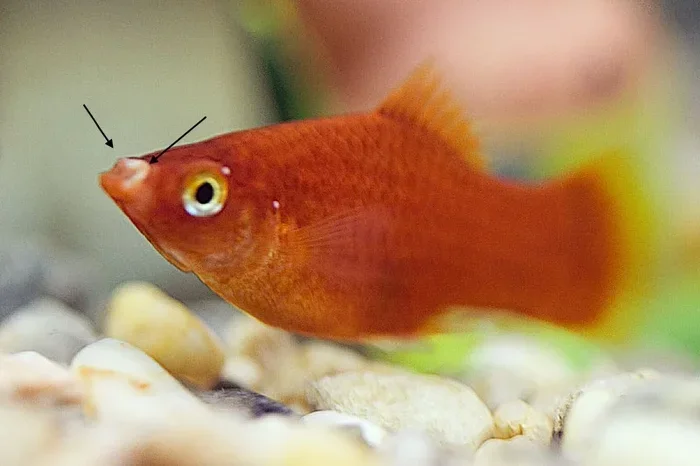
Cottonmouth in betta fish is a fungal infection caused by Saprolegnia that appears as white, cotton-like patches around the mouth and body. It often strikes when a betta’s immune system is weakened by poor water quality, stress, or injury. This guide covers everything you need to know about identifying, treating, and preventing cottonmouth so your betta stays healthy and happy.
Cottonmouth is one of the more unsettling things you can see on your betta fish. Those white, fuzzy patches that look like tufts of cotton around the mouth and on the body are hard to ignore. If you have noticed these signs on your betta, you are probably worried and looking for answers fast.
The good news is that cottonmouth in betta fish is treatable, especially when you catch it early. This guide will walk you through everything step by step. You will learn what causes it, how to spot the symptoms, the best treatment options, and how to keep it from coming back.
Let us dive right in and get your betta feeling better.
Key Takeaways
- Early detection is critical: Catching cottonmouth in its early stages makes treatment much easier and more effective.
- Fungal cause: Cottonmouth is caused by the Saprolegnia fungus, which thrives in poor water conditions and stressed fish.
- Multiple treatment options: Salt baths, antifungal medications, and improved water quality are all proven methods to treat this condition.
- Prevention works best: Maintaining clean water, reducing stress, and quarantining new fish can prevent cottonmouth from ever appearing.
- Address root causes: Cottonmouth is usually a secondary infection, so fixing the underlying issue is just as important as treating the symptoms.
- Quarantine sick fish: Isolating an infected betta protects other fish in your tank from spreading the fungus.
📑 Table of Contents
- What Is Cottonmouth in Betta Fish?
- What Causes Cottonmouth in Betta Fish?
- How to Spot Cottonmouth Symptoms Early
- How to Treat Cottonmouth in Betta Fish
- Preventing Cottonmouth in Betta Fish
- Common Mistakes to Avoid When Treating Cottonmouth
- When to See a Vet or Seek Advanced Help
- Final Thoughts on Treating Cottonmouth
What Is Cottonmouth in Betta Fish?
Cottonmouth, also known as cotton wool disease, is a fungal infection caused by organisms from the Saprolegnia family. These fungi are always present in aquarium water, but they only cause problems when your betta’s immune system is weak. The fungus feeds on dead tissue and can quickly spread if left untreated.
The name comes from the appearance. White or grayish cotton-like growths form around the mouth, on the fins, and sometimes across the body. Many fish owners mistake it for a bacterial infection or even a feeding issue at first. That is why understanding what to look for matters so much.
Unlike some diseases that target specific organs, cottonmouth is a surface-level infection. However, if it reaches the gills or spreads internally, it can become life-threatening. The key is to act quickly and confidently.
What Causes Cottonmouth in Betta Fish?
Understanding the root causes helps you treat the current infection and prevent future ones. Cottonmouth rarely appears out of nowhere. There is almost always an underlying trigger.
Poor Water Quality
This is the number one cause. When ammonia, nitrite, or nitrate levels spike in the tank, your betta becomes stressed. Stressed fish have weakened immune systems. A weakened immune system invites fungi like Saprolegnia to take hold. Dirty water creates the perfect environment for fungal growth.
Stress and Environmental Factors
Bettas get stressed for many reasons. Overcrowded tanks, aggressive tankmates, sudden temperature changes, and bright flashing lights all contribute. Even moving your betta to a new bowl without proper acclimation can trigger stress. Check out our guide on how to treat a stressed betta fish for more tips on managing stress.
Existing Injuries or Infections
Cottonmouth is almost always a secondary infection. If your betta already has fin rot, a wound from rough decoration, or another illness, the fungus can exploit that opening. This is why fin rot and cottonmouth often appear together. The damaged tissue gives the fungus a foothold.
Improper Diet and Nutrition
A betta that is not getting proper nutrition has a weaker immune response. Feeding low-quality food or not feeding enough can slowly erode your fish’s defenses. Bettas need protein-rich diets to stay healthy and fight off infections like cottonmouth.
How to Spot Cottonmouth Symptoms Early
Catching cottonmouth early makes all the difference. The sooner you start treatment, the better the outcome. Here are the most common symptoms to watch for:
- White, cotton-like patches around the mouth and on the lips
- Fuzzy gray or white growths on the fins or body
- Difficulty eating or refusing food altogether
- Clamped fins held close to the body
- Lethargy and spending more time at the bottom of the tank
- Redness or inflammation around the affected areas
- Rapid breathing or gasping at the water surface
If you notice just one or two of these signs, do not wait. Start treatment right away. Cottonmouth spreads fast, and every day counts. For more on recognizing early signs of illness, see our article on how to cure lethargy in betta fish.
How to Treat Cottonmouth in Betta Fish
Now for the part you have been waiting for. Treating cottonmouth requires a three-pronged approach. You need to treat the fungus directly, improve the environment, and support your betta’s immune system. Here is exactly what to do.
Step 1: Quarantine the Infected Fish
Before you start any treatment, move your betta to a separate quarantine tank. Cottonmouth is contagious, and you do not want it spreading to your other fish. A simple hospital tank with gentle filtration and stable temperature works perfectly. This also makes it easier to monitor your betta’s progress without interference.
Step 2: Improve Water Quality Immediately
Clean water is the foundation of recovery. Do a 30 to 50 percent water change in the main tank and the quarantine tank. Use a gravel vacuum to remove debris from the substrate. Test your water parameters and make sure ammonia and nitrite are at zero. If your nitrate levels are high, consider a larger water change. For detailed guidance, check out our guide on how to change water in a betta fish tank.
Step 3: Use Salt Baths
Salt baths are one of the most effective and safest treatments for cottonmouth. Aquarium salt (sodium chloride) helps draw out the fungus and supports your betta’s gill function. Here is how to do it:
- Prepare a separate container with dechlorinated water at the same temperature as the tank.
- Add one teaspoon of aquarium salt per gallon of water.
- Place your betta in the salt bath for 10 to 15 minutes.
- Watch your betta closely. If it shows signs of distress, return it to the main tank immediately.
- Repeat this process once a day for 5 to 7 days.
Salt baths are gentle but effective. They do not harm beneficial bacteria when done correctly in a quarantine setup.
Step 4: Apply Antifungal Medication
If salt baths alone do not show improvement within a few days, it is time to use a dedicated antifungal treatment. Products containing malachite green or methylene blue are widely recommended for treating fungal infections in betta fish. Follow the dosage instructions on the package carefully. Overdosing can harm your betta, so measure precisely.
For a more natural approach, Indian almond leaves (catappa leaves) can be added to the tank. These leaves release tannins that have mild antifungal and antibacterial properties. Many betta keepers swear by them as a supplementary treatment.
Step 5: Support Your Betta’s Immune System
A strong immune system is your betta’s best weapon. Feed high-quality food during treatment. Frozen or live brine shrimp and bloodworms are excellent choices. Avoid overfeeding, as uneaten food fouls the water. Keep the water temperature stable between 78 and 80 degrees Fahrenheit, as warmth helps bettas fight infection more effectively.
Preventing Cottonmouth in Betta Fish
Prevention is always easier than treatment. Once you have cured cottonmouth, you want to make sure it never comes back. Here are the best prevention strategies:
- Maintain clean water: Test your water parameters weekly and perform regular water changes. Clean water keeps harmful pathogens in check.
- Avoid overcrowding: Bettas need space. A tank that is too small or too crowded creates stress and raises the risk of disease.
- Feed a balanced diet: High-quality pellets supplemented with occasional treats keep your betta’s immune system strong.
- Quarantine new additions: Always quarantine new fish or plants for at least two weeks before adding them to your main tank. This prevents the introduction of hidden pathogens.
- Reduce stress factors: Keep the environment calm. Avoid sudden light changes, loud noises, and aggressive tankmates.
- Monitor your betta daily: A quick daily observation helps you catch problems before they escalate. Look at your betta’s color, appetite, and behavior every day.
Taking these simple steps seriously will go a long way in keeping your betta healthy and cottonmouth-free.
Common Mistakes to Avoid When Treating Cottonmouth
Even well-meaning fish keepers make mistakes when treating cottonmouth. Here are the most common ones to avoid:
- Waiting too long to start treatment: Cottonmouth progresses quickly. The longer you wait, the harder it becomes to treat.
- Using the wrong medication: Antibiotics do not work on fungal infections. Make sure you are using an antifungal treatment, not an antibacterial one.
- Overdosing medication: More is not better. Follow dosage instructions exactly and never double up on doses.
- Ignoring water quality: Treating the fish without fixing the water is like putting a bandage on a wound that is still being exposed to dirt.
- Skipping quarantine: Treating your betta in the main tank exposes other fish to the fungus and makes containment harder.
Avoiding these mistakes saves time, money, and most importantly, your betta’s life.
When to See a Vet or Seek Advanced Help
Most cases of cottonmouth respond well to home treatment. However, there are situations where professional help is needed. If your betta is not showing any improvement after 7 to 10 days of consistent treatment, consult a veterinarian who specializes in fish health. Also seek help if the infection has spread to the gills or if your betta stops eating entirely. In severe cases, oral antifungal medications or prescription-strength treatments may be necessary.
Remember that cottonmouth is a sign of a deeper issue. If your betta keeps getting fungal infections, there is an underlying problem with the tank environment or your betta’s overall health that needs to be addressed.
Final Thoughts on Treating Cottonmouth
Treating cottonmouth in betta fish does not have to be overwhelming. With the right approach, most bettas recover fully within one to two weeks. The key is to act fast, treat both the fungus and the root cause, and create conditions that support healing. Keep the water clean, reduce stress, feed well, and monitor your betta closely throughout the process.
Your betta depends on you for its health. By learning how to recognize and treat cottonmouth, you are already ahead of most fish keepers. Trust your instincts, stay consistent with treatment, and your betta will have the best chance at a full and speedy recovery.
Frequently Asked Questions
Can cottonmouth in betta fish be cured completely?
Yes, cottonmouth can be cured completely, especially when you catch it early and start treatment promptly. Most bettas recover fully within 7 to 14 days with proper antifungal treatment, salt baths, and improved water quality. The key is consistency and not stopping treatment too early.
Is cottonmouth contagious to other fish in the tank?
Cottonmouth can spread to other fish, especially those that are already stressed or have weakened immune systems. This is why quarantining an infected betta is so important. The Saprolegnia fungus is present in most aquariums, but it only causes disease when conditions are right for it to thrive.
Can I use regular aquarium salt for treating cottonmouth?
Yes, plain aquarium salt (sodium chloride) without additives works well for cottonmouth treatment. Avoid using table salt, which contains iodine and other chemicals that can harm your betta. Always use a product specifically labeled as aquarium salt for the safest results.
How long does it take for cottonmouth to go away with treatment?
With consistent treatment, you should start seeing improvement within 3 to 5 days. The white cotton-like patches should begin to shrink and disappear. Full recovery typically takes 1 to 2 weeks depending on the severity of the infection and how quickly you started treatment.
What is the difference between cottonmouth and fin rot in betta fish?
Cottonmouth is a fungal infection that produces white, fuzzy, cotton-like growths, usually around the mouth. Fin rot is typically a bacterial infection that causes the fins to look ragged, torn, and discolored. They can appear together, but they require different treatments. Cottonmouth needs antifungal medication, while fin rot often requires antibacterial treatment.
Can poor water quality alone cause cottonmouth?
Poor water quality does not directly cause cottonmouth, but it creates the perfect conditions for it. High ammonia, nitrite, or nitrate levels weaken your betta’s immune system, making it vulnerable to the Saprolegnia fungus that is always present in the water. Maintaining clean water is the single best way to prevent outbreaks.