How to Treat Betta Fish Popeye
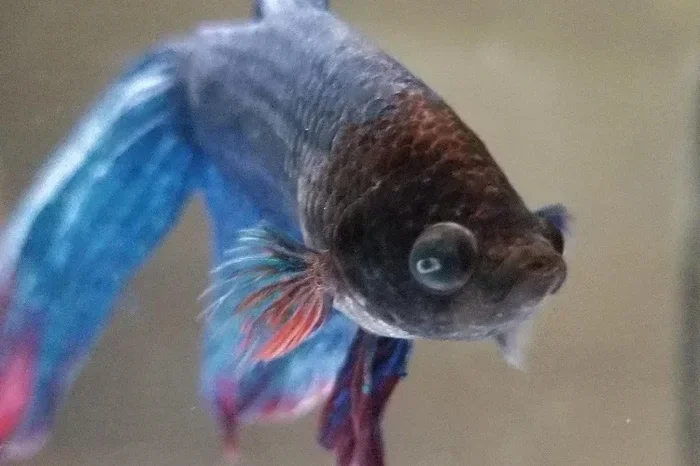
Betta fish popeye is a common but treatable condition where one or both eyes swell dramatically. This guide covers the causes, symptoms, and effective treatment methods to help your betta recover quickly. With the right approach, most bettas bounce back fully from popeye disease when caught early.
Betta fish popeye is one of the most alarming conditions a fish owner can encounter. You look at your beautiful betta one day, and suddenly one or both eyes look swollen, cloudy, or even bulging outward. It is scary to witness, but the good news is that popeye disease is treatable, especially when you act fast. In this guide, we will walk you through everything you need to know about how to treat betta fish popeye effectively and safely. From identifying the root cause to choosing the right treatment method, you will have a clear action plan by the end of this article.
Many betta fish owners panic when they first notice eye swelling. But popeye is actually a fairly common condition, and it responds well to treatment in most cases. The key is understanding what caused it, how severe it is, and which treatment approach fits your situation. Whether your betta has a mild case or a more serious infection, this guide covers all the steps you need to take. We will also share practical tips on preventing popeye from ever coming back, so your fish can enjoy a long, healthy life.
Key Takeaways
- Early detection is critical: Catching popeye symptoms early makes treatment much more effective and prevents permanent damage.
- Water quality is the #1 cause: Poor tank conditions lead to bacterial infections that trigger popeye in betta fish.
- Epsom salt baths work for mild cases: A simple salt soak can reduce eye swelling naturally and safely.
- Antibiotics treat severe popeye: Tetracycline and other medications are effective for advanced bacterial infections.
- Prevention is always better than cure: Regular water changes and proper tank maintenance keep popeye away.
- Separate infected fish immediately: Quarantine prevents the spread of infection to other tank mates.
- Consult a vet for recurring cases: Chronic popeye may signal deeper health issues that need professional care.
📑 Table of Contents
- What Is Popeye Disease in Betta Fish?
- What Causes Popeye in Betta Fish?
- How to Spot the Symptoms of Betta Fish Popeye
- How to Treat Betta Fish Popeye at Home
- When to See a Veterinarian
- Preventing Popeye in Betta Fish
- Common Mistakes to Avoid When Treating Popeye
- Expert Insights on Betta Fish Popeye Recovery
- Final Thoughts on Treating Betta Fish Popeye
What Is Popeye Disease in Betta Fish?
Popeye disease, also known as exophthalmia, is a condition where fluid builds up behind or around the eye. This causes the eye to swell and sometimes bulge outward from the socket. In betta fish, popeye can affect one eye (unilateral) or both eyes (bilateral). A single swollen eye often points to an injury or localized infection. Both eyes being swollen usually signals a systemic problem, like poor water quality or a bacterial infection spreading through the body.
The condition itself is not a disease but rather a symptom of an underlying issue. Think of it like a fever in humans. The swollen eye is your betta telling you something is wrong internally. Betta fish popeye can range from a minor nuisance to a serious threat, depending on the cause and how quickly you respond. Mild cases often resolve within a week or two with proper treatment. Severe or chronic cases can lead to permanent eye damage or even loss of the eye if left untreated.
Unilateral vs. Bilateral Popeye
Understanding whether your betta has one eye or both eyes affected helps you narrow down the cause. Unilateral popeye, where only one eye is swollen, is often caused by a physical injury. Your betta might have bumped into a sharp decoration, been nipped by a tank mate, or gotten something lodged near the eye. Bilateral popeye, on the other hand, is usually linked to internal problems. Bacterial infections, poor water parameters, or organ issues are the most common culprits. Knowing this distinction helps you choose the right treatment path.
What Causes Popeye in Betta Fish?
Finding the cause of popeye is the first step toward effective treatment. Treating the symptom alone will not fix the problem if the root cause remains. Here are the most common reasons betta fish develop popeye:
- Poor water quality: This is the number one cause of popeye in betta fish. Ammonia and nitrite spikes irritate the fish’s body and create the perfect environment for bacterial infections. Even small amounts of ammonia can damage your betta’s sensitive tissues over time.
- Bacterial infection: Bacteria like Aeromonas or Pseudomonas can invade the tissue around the eye. These infections often start internally and manifest as eye swelling. A weakened immune system makes bettas more vulnerable to bacterial attacks.
- Physical injury: Sharp decorations, rough gravel, or aggressive tank mates can cause direct trauma to the eye. Injury-related popeye usually affects only one eye and is often less severe.
- Internal infection or disease: Popeye can be a secondary symptom of other diseases like dropsy or swim bladder disorder. In these cases, the swelling is part of a broader health problem that needs comprehensive treatment.
- Poor diet and nutrition: A weakened immune system from lack of proper nutrition makes bettas more susceptible to infections. Feeding low-quality food or an inconsistent feeding schedule can slowly erode your fish’s defenses.
If you suspect your betta is suffering from a related condition, check out our guide on how to treat dropsy in betta fish for overlapping symptoms and treatment strategies. Popeye and dropsy often share similar root causes, especially when water quality is the issue.
How to Spot the Symptoms of Betta Fish Popeye
Catching popeye early gives your betta the best chance of a full recovery. The symptoms are usually quite visible, especially as the condition progresses. Here is what to watch for:
- Swollen or bulging eye: The most obvious sign. One or both eyes may appear larger than normal and push outward from the socket.
- Cloudy or discolored eye: The affected eye may look milky, white, or hazy. This often indicates infection or fluid buildup.
- Eye appearing to pop out: In severe cases, the eye may visibly protrude from the head. This is a serious sign that requires immediate action.
- Reduced appetite: A betta with popeye often loses interest in food. They may ignore pellets or live food they would normally eat eagerly.
- Lethargy and hiding: Infected fish often become less active, spending more time hiding or resting at the bottom of the tank.
- Clamped fins: Fins held close to the body signal discomfort and stress. This is a common sign of illness in bettas.
- Rubbing against objects: Your betta may try to scratch the affected eye on decorations or the tank floor, which can worsen the injury.
If you notice any combination of these symptoms, start treatment right away. The faster you act, the better the outcome. For more information on related conditions, our article on how to treat a stressed betta fish covers the behavioral signs that often accompany popeye and other illnesses.
How to Treat Betta Fish Popeye at Home
Treating popeye at home is possible for most mild to moderate cases. The approach depends on the severity and whether one or both eyes are affected. Here is a step-by-step treatment plan that works for the majority of bettas.
Step 1: Improve Water Quality Immediately
The single most important thing you can do is clean the water. Poor water quality is the root cause of most popeye cases, and no medication will work long-term if the water stays toxic. Start by testing your water parameters. You want ammonia and nitrite at zero, and nitrates below 20 ppm. Do a 30 to 50 percent water change right away using dechlorinated water at the same temperature as the tank.
After the water change, vacuum the gravel to remove any waste or debris that could be fouling the water. Clean your filter media in old tank water (not tap water) to preserve beneficial bacteria. Going forward, test your water at least twice a week and perform regular water changes to keep parameters stable. Clean water is the foundation of any successful treatment plan.
Step 2: Try an Epsom Salt Bath
Epsom salt (magnesium sulfate) is a gentle and effective treatment for mild popeye. It helps draw out excess fluid from the swollen tissue and reduces inflammation. Here is how to do it:
- Fill a separate container with tank water at the same temperature.
- Add one teaspoon of Epsom salt per gallon of water. Stir until fully dissolved.
- Place your betta in the container for 10 to 15 minutes.
- Watch your fish closely during the bath. Remove immediately if they show signs of distress.
- Repeat the salt bath once daily for 5 to 7 days.
Epsom salt baths are safe for most bettas and do not harm beneficial bacteria in your main tank. They are especially effective for injury-related popeye and mild bacterial infections. This method is also used in our guide on how to salt bath betta fish, which covers the technique in more detail.
Step 3: Use Antibiotics for Bacterial Infections
If the Epsom salt bath does not improve the condition within a few days, or if both eyes are swollen, a bacterial infection is likely the cause. In this case, you will need to treat the water with antibiotics. Tetracycline is one of the most effective medications for popeye in betta fish. It targets the bacteria that cause tissue swelling and eye infections.
Before using any medication, read the dosage instructions carefully. Overdosing can harm your fish, while underdosing may not clear the infection. For a detailed guide on using this medication, check out our article on how to use tetracycline for betta fish. Move your betta to a quarantine tank before adding medication, as most antibiotics can harm beneficial bacteria in your main tank.
Step 4: Support Your Betta’s Recovery
While treating the infection, give your betta the best possible conditions to heal. Feed high-quality food like frozen bloodworms or brine shrimp. These foods are nutrient-dense and easy to digest. Keep the tank stress-free by maintaining a consistent temperature between 78 and 80 degrees Fahrenheit. Avoid bright lights and loud noises near the tank. A calm, clean environment gives your betta’s immune system the support it needs to fight off the infection.
When to See a Veterinarian
Home treatment works well for most cases of popeye. However, there are situations where professional help is necessary. You should consult a fish veterinarian if:
- The swelling does not improve after 7 to 10 days of treatment.
- Your betta stops eating entirely for more than two days.
- Both eyes are severely bulging or the eye appears to be coming out of the socket.
- Your betta shows signs of other illnesses like body bloating, fin rot, or unusual swimming behavior.
- The popeye keeps coming back despite clean water and proper care.
Recurring popeye is a red flag. It often means there is an underlying health issue that home treatment cannot address. A vet can run tests on your water and examine your fish to identify the root cause. For related conditions, our article on how to treat bloated betta fish covers another common condition that sometimes accompanies popeye.
Preventing Popeye in Betta Fish
The best treatment is prevention. Once your betta recovers, take these steps to keep popeye from coming back:
- Perform regular water changes: Change 20 to 30 percent of the water every week. This keeps ammonia and nitrite levels at zero and removes waste before it builds up.
- Test water parameters regularly: Use a reliable liquid test kit to monitor ammonia, nitrite, nitrate, and pH. Test at least twice a week for early detection of problems.
- Keep the tank clean: Vacuum the gravel during water changes and rinse filter media monthly. A clean tank is a healthy tank.
- Avoid overfeeding: Feed your betta small amounts twice a day. Remove any uneaten food within a few minutes. Excess food decays and pollutes the water.
- Provide a proper tank setup: Keep decorations smooth and free of sharp edges. A tank of at least 5 gallons with a gentle filter and heater creates a stable environment.
- Quarantine new fish and plants: New additions can introduce bacteria and parasites. A two-week quarantine period protects your betta from potential infections.
- Maintain a balanced diet: Feed a variety of high-quality foods to support your betta’s immune system. Pellets, frozen foods, and occasional treats keep your fish healthy and resilient.
Good prevention habits also support overall betta fish health and longevity. A well-maintained tank reduces the risk of not just popeye but also fin rot, ich, and other common diseases. For tips on keeping your betta in top shape year-round, read our guide on how to properly care for betta fish.
Common Mistakes to Avoid When Treating Popeye
Even well-meaning fish owners make mistakes that can slow recovery or worsen the condition. Here are the most common errors to avoid:
- Ignoring water quality: Many owners jump straight to medication without fixing the water first. If the water stays dirty, the infection will return no matter what medicine you use.
- Using table salt instead of Epsom salt: Table salt (sodium chloride) and Epsom salt (magnesium sulfate) are completely different. Table salt can harm your betta. Always use pure Epsom salt for fish treatments.
- Overmedicating: More medication is not better. Follow dosage instructions exactly. Overdosing can damage your betta’s organs and stress the fish further.
- Skipping quarantine: Treating your betta in the main tank exposes beneficial bacteria and other fish to medication. Always use a quarantine tank for any treatment.
- Giving up too soon: Treatment takes time. Do not stop after two or three days if you do not see immediate results. Stick with the plan for at least a full week before reassessing.
Expert Insights on Betta Fish Popeye Recovery
Experienced betta keepers and aquatic veterinarians agree that early intervention is the single biggest factor in successful popeye treatment. Most bettas recover fully from mild cases within one to two weeks when treatment starts promptly. Severe cases may take longer and can sometimes result in partial or permanent vision loss in the affected eye. However, bettas are remarkably adaptable and can live full, happy lives even with reduced vision in one eye.
Veterinarians also emphasize that the overall health of the fish plays a huge role in recovery. A well-fed, stress-free betta with strong immunity fights off infections much faster than a weakened fish. This is why prevention through proper tank maintenance and nutrition is so important. Keep your betta’s environment stable, their diet varied, and their stress levels low, and you will dramatically reduce the risk of popeye and many other diseases.
Remember, every betta is different. Some fish respond quickly to treatment and bounce back within days. Others need a longer, more patient approach. The key is to stay consistent with your treatment plan and monitor your fish daily for any changes. With the right care, most bettas overcome popeye and go on to live healthy, vibrant lives.
Final Thoughts on Treating Betta Fish Popeye
Treating popeye in your betta fish is absolutely achievable with the right knowledge and approach. Start by identifying the cause, whether it is poor water quality, a bacterial infection, or a physical injury. Then follow the treatment steps outlined in this guide, from water changes and Epsom salt baths to antibiotics when needed. Most importantly, stay consistent and patient. Recovery takes time, and your betta needs a clean, stress-free environment to heal properly.
By taking action quickly and maintaining good tank habits, you give your betta the best chance of a full recovery. Popeye does not have to be a death sentence. With the information in this guide, you now have the tools to fight it effectively. Your betta fish is lucky to have an owner who cares enough to learn and take action. Apply what you have learned here, and you will be well on your way to helping your fish thrive again.
Frequently Asked Questions
Can betta fish popeye heal on its own?
Mild cases caused by a minor injury may heal on their own if water quality is excellent. However, most cases of popeye require active treatment like salt baths or antibiotics. Waiting too long can allow the condition to worsen and cause permanent damage.
How long does it take for popeye to go away in betta fish?
With proper treatment, mild popeye usually improves within 5 to 7 days. More severe cases can take 2 to 3 weeks to fully resolve. Consistency with treatment and maintaining clean water are the keys to a faster recovery.
Is betta fish popeye contagious to other fish?
Popeye itself is not directly contagious, but the bacterial infections that cause it can spread to other fish in the same tank. This is why quarantining an infected betta is strongly recommended during treatment.
Can Epsom salt cure popeye in betta fish?
Epsom salt is effective for mild cases, especially those caused by injury or fluid buildup. It helps reduce swelling naturally. However, severe bacterial infections will likely need antibiotic treatment in addition to salt baths.
What is the best antibiotic for treating popeye in betta fish?
Tetracycline is widely regarded as one of the most effective antibiotics for popeye in betta fish. It targets the bacteria commonly responsible for eye infections. Always follow the dosage instructions and treat in a quarantine tank.
Can a betta fish survive popeye?
Yes, most bettas survive popeye with proper and timely treatment. Even severe cases have a good survival rate when caught early and treated consistently. The key factors are clean water, appropriate medication, and a stress-free recovery environment.