How to Treat a Non Betta Fish with Popeye
Popeye disease is a common fish condition that causes one or both eyes to swell and bulge. Treating a non betta fish with popeye starts with identifying the cause, improving water quality, and using the right medication. With prompt action and proper care, most fish recover fully from popeye.
Watching your aquarium fish develop popeye can be really alarming. The eyes start to bulge, look cloudy, or even protrude from the head. It is not a pretty sight. But here is the good news. Popeye is treatable, especially when you catch it early. This guide walks you through everything you need to know about treating a non betta fish with popeye. Whether you keep tetras, goldfish, cichlids, or any other freshwater species, the steps below will help you get your fish healthy again.
Note: While this guide covers non betta fish, you can also check out our article on A Betta Fish With Popeye for betta-specific advice.
## What Is Popeye Disease in Fish?
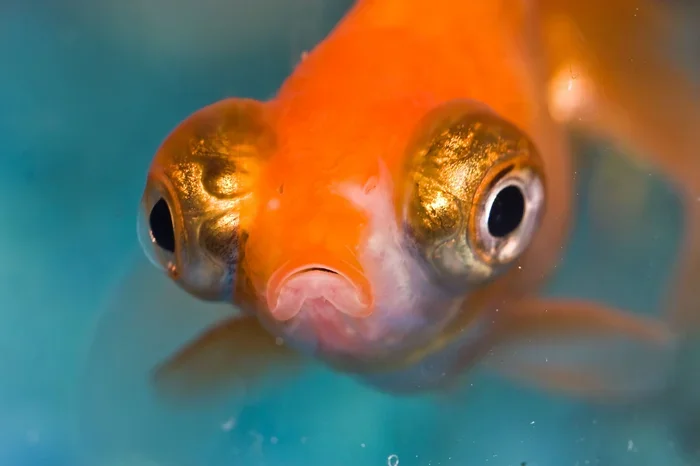
Popeye, also called exophthalmia, is a condition where a fish’s eye or eyes swell and push outward from the socket. It happens because of fluid buildup behind the eye. The swelling can affect one eye (unilateral) or both eyes (bilateral).
The name “popeye” comes from the famous cartoon character with the bulging eye. The look is unmistakable once you have seen it. The eye may appear white, cloudy, or even have a bloody spot. In serious cases, the eye can actually pop out of the socket.
Popeye is not a disease itself. It is a symptom of an underlying problem. That is why finding the root cause is so important. Treating just the swelling without fixing the cause rarely works long term.
### Why Popeye Happens More Than You Think
Many fish owners panic when they first see popeye. But here is something worth knowing. Popeye is one of the most common conditions in freshwater aquariums. It affects all kinds of fish, from guppies to angelfish. The good news is that mild cases often respond well to simple treatments. The key is acting fast.
## Common Causes of Popeye in Non Betta Fish
Understanding what caused popeye in your fish is the first step toward treatment. Different causes need different approaches. Let us break them down.
### Poor Water Quality
This is the number one culprit. Dirty water full of ammonia, nitrite, or nitrate stresses fish out. Stressed fish get sick. Their immune systems weaken. Bacteria sneak in and cause infections that lead to popeye.
If you have not tested your water recently, do it now. High ammonia levels are especially dangerous. Even low levels of ammonia can damage a fish’s eyes over time.
### Physical Injury
Fish bump into things. They fight with tank mates. They scrape against sharp decorations. Any of these can injure the eye area. When the eye gets bruised or punctured, fluid builds up behind it. This creates the classic popeye look.
Aggressive tank mates are a common cause. Fish like cichlids or barbs can be nippy. If your fish has a history of fights, injury is likely the cause.
### Bacterial Infection
Bacteria like Mycobacterium or Aeromonas can infect the eye area. These infections usually come from poor water conditions or open wounds. Bacterial popeye often comes with other symptoms too. You might notice redness, fin rot, or loss of appetite.
### Internal Health Issues
Sometimes popeye points to a bigger problem inside the fish. Kidney failure, for example, can cause fluid retention. That fluid pressure pushes the eye outward. This type of popeye is harder to treat because the underlying issue is serious.
### Parasites and Viruses
Less commonly, parasites or viruses can trigger popeye. These organisms irritate the eye tissue and cause inflammation. If you see tiny parasites on the eye surface, a parasitic cause is likely.
## How to Diagnose Popeye in Your Fish
Before you start treatment, you need to figure out what is causing the popeye. Proper diagnosis leads to better results. Here is how to do it.
### Step 1: Observe the Symptoms
Look closely at your fish. Ask yourself these questions:
- Is one eye or both eyes affected?
- Does the eye look cloudy, white, or bloody?
- Is the fish eating normally?
- Are there other symptoms like fin rot or lethargy?
- Did the fish recently have a fight or injury?
Unilateral popeye (one eye) often points to injury. Bilateral popeye (both eyes) usually signals a systemic issue like poor water quality or infection.
### Step 2: Test Your Water
Grab a liquid test kit and check these parameters:
- Ammonia: Should be 0 ppm
- Nitrite: Should be 0 ppm
- Nitrate: Should be below 20 ppm
- pH: Should match your fish species’ needs
If any of these are off, water quality is likely the cause. This is the most common scenario.
### Step 3: Check for Tank Mates
Watch your fish for signs of bullying. Are other fish chasing or nipping at the affected fish? Aggression can cause physical eye injuries that lead to popeye.
### Step 4: Review Recent Changes
Did you add new fish recently? Did you change the décor? Did you use a new cleaning product near the tank? Any recent change could be the trigger.
## Treatment Options for Popeye Disease
Now for the part you have been waiting for. How do you actually treat popeye? The answer depends on the cause and severity. Let us walk through each option.
### Treatment 1: Improve Water Quality First
Before you add any medication, fix the water. This is step one no matter what. Here is what to do:
- Do a 30-50% water change immediately. Use dechlorinated water at the right temperature.
- Vacuum the gravel to remove waste and debris.
- Check your filter. Make sure it is working properly. A clogged filter does not clean the water well. You can learn more about proper tank maintenance in our guide on How to Clean a Betta Fish Tank With Filter.
- Test the water again after the change to confirm parameters are safe.
Clean water alone can resolve mild popeye if the cause was poor water quality. Give it a few days to see improvement.
### Treatment 2: Aquarium Salt Bath
Aquarium salt is a gentle and effective treatment for many fish diseases, including popeye. Salt helps reduce swelling and supports the fish’s natural healing.
Here is how to do a salt bath:
- Prepare a separate container with tank water.
- Add aquarium salt at a rate of 1 teaspoon per gallon.
- Place the affected fish in the salt bath for 10-15 minutes.
- Watch the fish closely during the bath. If it shows signs of stress, return it to the main tank.
- Repeat daily for 5-7 days.
Salt baths work well for mild to moderate cases. They are safe for most freshwater fish species.
### Treatment 3: Medicated Food or Water Treatments
For bacterial infections, you may need medication. Here are common options:
- Antibiotic food: Soak sinking pellets in antibiotic liquid like Kanamycin or Melafix. Feed this to the affected fish daily.
- Water-based medication: Products like API Melafix or Pimafix can be added to the main tank. Follow the dosage instructions on the label.
- Erythromycin: This is a strong antibiotic that works well against bacterial eye infections.
If the popeye is caused by a bacterial infection, medication is usually necessary. Salt baths alone will not be enough in these cases.
### Treatment 4: Isolation and Quarantine
If your fish has popeye, consider moving it to a quarantine tank. This helps in several ways:
- It prevents the spread of infection to other fish.
- It reduces stress from tank mates.
- It makes it easier to monitor the fish’s progress.
- It lets you treat the fish without affecting the main tank’s biological balance.
A simple quarantine tank with a sponge filter and heater works perfectly. Keep the water clean and do small water changes every other day.
### Treatment 5: When Medication Fails
Some cases of popeye, especially those caused by internal organ damage, are very hard to treat. If you have tried water changes, salt, and medication for two weeks with no improvement, the prognosis may not be good.
In these cases, focus on keeping the fish comfortable. Maintain pristine water conditions. Offer easy-to-eat food. Some fish can live with mild popeye for a long time if their quality of life stays good.
## Preventing Popeye in Your Aquarium
Prevention is always better than cure. Here is how to keep popeye from ever happening in your tank.
### Keep Water Quality High
This cannot be overstated. Clean water is the foundation of fish health. Follow this routine:
- Test water weekly for ammonia, nitrite, and nitrate.
- Do partial water changes of 20-30% every week.
- Clean your filter monthly. Do not replace all filter media at once. You want to keep beneficial bacteria alive.
- Avoid overfeeding. Excess food decays and pollutes the water. Feed only what your fish can eat in two minutes.
For more guidance on maintaining healthy water, check out our article on How to Take Care of a Betta Fish Water. The principles apply to all freshwater fish.
### Choose Compatible Tank Mates
Aggression causes injuries, and injuries lead to popeye. Before adding new fish, research their temperament. Make sure they are compatible with your current setup. Avoid mixing aggressive species with peaceful ones.
### Quarantine New Fish
Always quarantine new fish for 2-4 weeks before adding them to your main tank. This prevents the spread of diseases and gives you time to observe them for symptoms.
### Provide a Safe Environment
Remove sharp decorations from your tank. Use smooth rocks and soft plants. Avoid rough gravel that could scratch your fish. A safe environment reduces the risk of physical injuries that cause popeye.
### Maintain a Balanced Diet
Healthy fish fight off disease better. Feed a varied diet with high-quality flakes, pellets, and occasional frozen or live foods. Good nutrition supports a strong immune system.
## Common Mistakes to Avoid When Treating Popeye
Even well-meaning fish owners make mistakes. Here are some to watch out for.
- Using table salt instead of aquarium salt. Table salt contains additives like iodine that harm fish. Always use aquarium-grade salt.
- Overmedicating the tank. More medication is not better. Follow dosage instructions exactly. Overdosing can harm your fish and beneficial bacteria.
- Ignoring water quality. Medication alone will not work if the water is dirty. Fix the water first.
- Treating too late. Popeye gets harder to treat as it progresses. Act at the first sign of swelling.
- Not quarantining sick fish. This lets disease spread to healthy fish in the tank.
## Expert Insights on Popeye Recovery
Most fish recover from mild popeye within one to two weeks with proper treatment. The eye swelling goes down gradually. Sometimes the eye may never look completely normal again, especially if the damage was severe.
The key factors that determine recovery are:
- How quickly you started treatment
- What caused the popeye
- How healthy your fish was before getting sick
- Whether you addressed the root cause
Fish that receive treatment early and live in clean water have the best chance of full recovery. Even fish with one eye that does not return to normal can live happy, healthy lives.
If your fish shows signs of popeye, do not wait. Start treatment right away. Every day counts when it comes to fish health.
## Conclusion
Treating a non betta fish with popeye is very doable when you know what to do. Start by improving your water quality. Identify the cause. Use the right treatment for that cause. And most importantly, act quickly.
Popeye does not have to be a death sentence. With clean water, proper medication, and a little patience, most fish bounce back. Keep up with your tank maintenance, watch your fish daily for early signs, and you will catch problems before they get serious.
Your fish depend on you for their health. Give them the care they need, and they will reward you with years of beauty and enjoyment in your aquarium.
Key Takeaways
- Early detection is key: Catching popeye early makes treatment much easier and more effective.
- Water quality matters most: Poor water conditions are the leading cause of popeye in aquarium fish.
- Multiple treatment options exist: From aquarium salt to antibiotics, several methods work well depending on severity.
- Quarantine helps healing: Isolating affected fish prevents spread and reduces stress during recovery.
- Prevention is simple: Regular water changes and proper tank maintenance keep popeye away.
- Know when to seek help: Severe cases may need a fish veterinarian for prescription medication.
Frequently Asked Questions
Can popeye in fish heal on its own?
Mild popeye caused by a minor injury sometimes heals on its own if you keep the water clean. However, most cases need some form of treatment. Water changes, salt baths, or medication will speed up recovery and prevent the condition from getting worse.
How long does it take for popeye to go away?
With proper treatment, popeye usually improves within one to two weeks. Severe cases or those caused by internal issues may take longer. Early treatment always leads to faster results. If you do not see improvement after two weeks, reassess your approach.
Is popeye contagious to other fish?
Popeye itself is not contagious. But the underlying cause, like a bacterial infection, can spread to other fish. This is why quarantining affected fish and improving water quality are so important. Keeping your tank clean prevents the spread of disease.
Can I use human eye drops on my fish?
No. Human eye drops contain ingredients that can harm fish. Always use aquarium-safe medications specifically designed for fish. Products like Melafix or Pimafix are safe and effective for treating fish eye infections.
What is the best antibiotic for fish popeye?
Kanamycin and erythromycin are two of the most effective antibiotics for bacterial popeye. Melafix is a gentler option that works well for mild cases. For severe infections, consult a fish veterinarian for a prescription-strength treatment.
How can I tell if popeye is caused by injury or infection?
Unilateral popeye (one eye) is usually caused by injury. Bilateral popeye (both eyes) often signals infection or a systemic health issue. Check your water parameters and look for other symptoms like fin rot or loss of appetite to help determine the cause.