How to Tell When Your Betta Fish Is Hungry
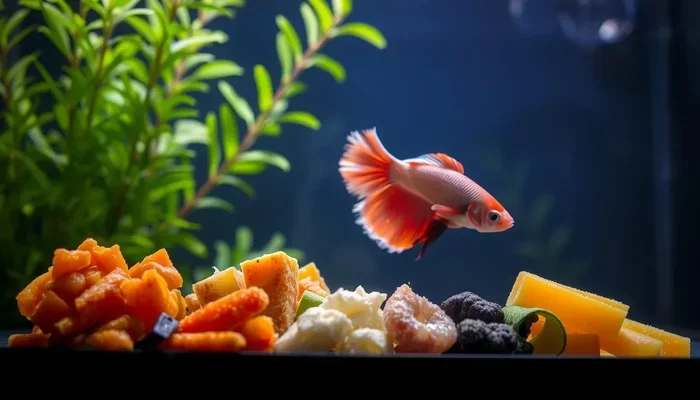
Knowing when your betta fish is hungry is essential for proper care. Watch for behaviors like swimming near the top, begging at the glass, and increased activity around mealtime. This guide covers all the hungry betta fish signs you need to recognize.
Key Takeaways
- Begging behavior is a clear sign: Your betta will swim to the surface or hover near the glass when it is time to eat.
- Increased activity levels point to hunger: A hungry betta fish becomes more restless and explores the tank more actively.
- Follow a consistent feeding schedule: Feeding your betta fish at the same times each day helps regulate its appetite and health.
- Watch for body language cues: Darting movements, flaring, and nose-down searching all signal hunger.
- Avoid overfeeding: Too much food can cause health problems and poor water quality in your betta fish tank.
- Use a variety of foods: Mixing pellets, flakes, and live food keeps mealtimes exciting and supports betta fish nutrition.
📑 Table of Contents
- How to Tell When Your Betta Fish Is Hungry
- Why Recognizing Hunger Matters for Your Betta
- Top Signs Your Betta Fish Is Hungry
- How Often Should You Feed Your Betta Fish?
- Best Foods to Keep Your Betta Satisfied
- Common Mistakes When Feeding Your Betta
- What to Do When Your Betta Won’t Eat
- How to Build a Healthy Feeding Routine
- Final Thoughts on Reading Your Betta’s Hunger
How to Tell When Your Betta Fish Is Hungry
Have you ever stood in front of your betta fish tank and wondered if your fish friend is hungry? It is a common question for every betta owner. Betta fish hunger signs are easier to spot than you might think. Once you learn what to look for, you will never second-guess mealtime again.
Feeding your betta the right way starts with understanding its appetite and behavior. Bettas are not like other pets that can tell you when they are hungry. Instead, they rely on body language and routine cues. This article breaks down every hungry betta fish sign in simple, easy-to-follow terms. You will also learn how often to feed, what foods work best, and how to avoid common mistakes.
Whether you are a new betta owner or have had your fish for years, this guide will help you read your fish better. Let us dive into the world of betta fish feeding and make sure your fish stays healthy and well-fed.
Why Recognizing Hunger Matters for Your Betta
Understanding your betta fish behavior starts with hunger. A hungry betta is a betta that will show you clear signals. Ignoring these signs can lead to stress, poor health, and a weakened immune system. On the flip side, recognizing hunger early helps you build trust and a strong bond with your fish.
Betta fish care is all about balance. You want to feed enough without overdoing it. A proper feeding schedule keeps your fish active, colorful, and full of energy. Bettas in the wild eat small meals throughout the day. They are natural grazers, so replicating that pattern at home makes a big difference.
Knowing when your fish is hungry also helps you spot problems early. If your betta suddenly stops showing hunger cues, something may be wrong. This connects closely with knowing how to tell if your betta fish is sick, since loss of appetite can be an early warning sign of illness.
What Happens When a Betta Fish Goes Too Long Without Food
Bettas can survive a few days without food, but that does not mean they should. Going too long without eating can cause your fish to become weak and lethargic. Over time, this affects their vibrant colors and overall betta fish health. A consistent feeding routine prevents this from happening.
Top Signs Your Betta Fish Is Hungry
Now let us get into the fun part. How do you actually know your betta is hungry? There are several clear hungry betta fish signs that every owner should watch for. These behaviors are your fish’s way of telling you it is mealtime.
Swimming to the Top of the Tank
This is the most obvious hungry betta fish sign. When your betta starts hanging out near the surface, it is likely ready to eat. Bettas are surface feeders by nature. They naturally swim upward when they expect food. If your fish is lingering at the top more than usual, pay attention.
Begging at the Glass
You have probably seen your betta pressing its nose against the glass. This betta fish begging behavior is adorable but also very telling. Your fish has learned that when you approach the tank, food might follow. This is one of the most common betta fish hunger cues owners notice every day.
Increased Activity and Restlessness
A hungry betta becomes a busy betta. Instead of resting calmly, your fish may dart around the tank more than usual. You might notice increased activity levels near feeding time. This restlessness is a natural response to an empty stomach. It is your fish’s way of saying, “Hey, I am ready to eat!”
Searching the Substrate
When a betta is hungry, it will often nose around the bottom of the tank. This foraging behavior mimics what bettas do in the wild when searching for food. Your fish may sift through gravel or explore plants more actively. This is a subtle but reliable sign that your betta is looking for its next meal.
Flaring and Displaying
Some bettas flare their gills or spread their fins when they are excited about food. This hunger-related flaring is different from territorial flaring. You will notice it happens more around mealtime. It is a fun behavior that shows your betta is alert and ready to eat.
How Often Should You Feed Your Betta Fish?
Getting the feeding frequency right is key to happy, healthy bettas. Overfeeding is one of the most common mistakes new owners make. Underfeeding can be just as harmful. Let us break down the ideal meal frequency for your fish friend.
The Ideal Feeding Schedule
Most experts recommend feeding your betta fish two small meals per day. This could be morning and evening, spaced about 12 hours apart. Some owners prefer three smaller meals spread throughout the day. The goal is to mimic the natural grazing pattern bettas follow in the wild.
Sticking to a consistent feeding schedule helps regulate your fish’s appetite. Your betta will start anticipating meals at the same times each day. This makes it even easier to spot betta fish hunger cues when they appear.
How Much Food Per Feeding?
A good rule of thumb is to offer only what your betta can eat in two to three minutes. Start with two to three pellets or a small pinch of flakes. You can always add a tiny bit more if your fish finishes quickly. Portion control is essential for maintaining good betta fish nutrition and clean water.
| Meal Frequency | Amount Per Meal | Best For |
|---|---|---|
| 2 meals per day | 2-3 pellets or small pinch of flakes | Most betta fish owners |
| 3 meals per day | 1-2 pellets or tiny pinch of flakes | Active, younger bettas |
| 1 meal per day (occasional) | 3-4 pellets | Fasting days or older bettas |
Best Foods to Keep Your Betta Satisfied
Choosing the right food plays a big role in your betta’s hunger patterns and overall health. Not all fish foods are created equal. Bettas are carnivores and need a protein-rich diet to thrive.
High-Quality Pellets
Betta-specific pellets should be the foundation of your fish’s diet. Look for pellets that list fish meal or shrimp as the first ingredient. These provide the protein levels bettas need to stay healthy and active. Feed pellets according to the portion guidelines above.
Frozen and Live Foods
Bloodworms, brine shrimp, and daphnia are excellent live food for betta fish options. These make mealtimes more exciting and natural. Offer frozen or live foods as a treat two to three times per week. They are rich in nutrients and help simulate a wild diet.
Flakes and Other Options
Betta flakes can work well, but they tend to lose nutritional value faster than pellets. Some owners also soak freeze-dried foods before feeding to prevent bloating. Variety in diet supports better digestion and keeps your betta interested in mealtime.
Common Mistakes When Feeding Your Betta
Even the most caring owners can make feeding mistakes. Learning what to avoid will save you time, money, and stress. Here are the most common errors people make with betta fish feeding.
Overfeeding Your Betta
This is the number one mistake. Bettas have small stomachs, and too much food can cause bloating, constipation, and poor water quality. Uneaten food also decays in the tank, which raises ammonia levels. Always err on the side of less food rather than more.
Feeding on an Inconsistent Schedule
Irregular feeding times confuse your betta’s internal clock. Your fish may become stressed or develop unpredictable eating habits. A steady feeding routine helps your betta feel secure and makes hunger cues easier to read.
Ignoring Hunger Cues
If you consistently miss your betta’s hunger signals, your fish may become weak or develop behavioral issues. Paying attention to what your fish is telling you is one of the most important parts of betta fish care. If your betta suddenly stops showing interest in food, consider checking for illness or stress.
What to Do When Your Betta Won’t Eat
Sometimes, despite all your efforts, your betta fish may refuse food. This can be worrying, but it is not always a sign of something serious. Understanding the reasons behind a betta fish that won’t eat helps you respond calmly and effectively.
First, check the water temperature. Bettas are tropical fish and need warm water between 76 and 82 degrees Fahrenheit. Cold water can slow their metabolism and kill their appetite. Next, consider whether you recently changed their food. Bettas can be picky eaters and may need time to adjust to a new brand or type.
Stress is another common cause. A new tank, loud noises, or aggressive tank mates can all suppress your betta’s hunger. If your fish still refuses food for more than a few days, it is time to investigate further. You may want to learn more about what to do when your betta fish won’t eat for detailed troubleshooting steps.
Remember that occasional fasting is normal. Bettas can go a day or two without eating without any harm. In fact, many experts recommend a fasting day once a week to support digestion and prevent bloating.
How to Build a Healthy Feeding Routine
A solid feeding routine is one of the best things you can do for your betta. It creates predictability, reduces stress, and makes it easy to monitor your fish’s health. Here is how to build one that works for both you and your betta.
- Pick consistent feeding times. Choose morning and evening times that you can stick to every day.
- Start with small portions. Offer a couple of pellets and watch your fish eat. Add more only if your betta finishes quickly.
- Remove uneaten food after a few minutes. This keeps the tank clean and prevents water quality issues.
- Include variety. Rotate between pellets, frozen foods, and occasional treats to keep your betta interested.
- Schedule a fasting day. Skip one feeding per week to give your fish’s digestive system a break.
Following these simple steps ensures your betta stays well-fed without the risks of overfeeding betta fish. A good routine also makes it much easier to spot when something changes in your fish’s appetite or behavior.
Final Thoughts on Reading Your Betta’s Hunger
Learning to recognize when your betta fish is hungry is a skill that comes naturally with time and observation. You now know the key hungry betta fish signs to watch for, from begging at the glass to searching the substrate. You understand the importance of a consistent feeding schedule and the right food choices for betta fish nutrition.
Paying attention to your fish’s appetite and behavior strengthens the bond between you and your betta. It also helps you catch potential health issues early. A well-fed betta is a happy, vibrant, and long-living companion.
Start applying these tips today. Watch your fish closely during feeding times, note any changes, and adjust your routine as needed. Your betta will thank you with bright colors, energetic swimming, and those adorable begging looks at the glass. Happy feeding!
Frequently Asked Questions
How can I tell if my betta fish is hungry or just curious?
Hungry bettas show specific behaviors like swimming to the surface, pressing their nose against the glass, and darting around the tank more than usual. Curious bettas may explore but will not display the same intense focus on the surface or feeding area. Watch for repeated patterns tied to your usual feeding times.
Can I feed my betta fish once a day instead of twice?
Yes, once-a-day feeding can work, especially if you offer a slightly larger portion. Some owners also prefer to feed once and skip the next day as a fasting day. The key is to make sure your betta is getting enough nutrition without being overfed.
What should I do if my betta fish seems constantly hungry?
Constant hunger can sometimes mean your fish is bored or not getting enough nutrition from its current food. Try switching to a higher-quality pellet and adding variety with frozen or live foods. If the behavior persists, check for underlying health issues by learning about signs your betta fish is sick.
Is it okay to skip feeding my betta for a day?
Absolutely. In fact, many experts recommend a weekly fasting day for bettas. Skipping a meal helps with digestion and prevents bloating. Your betta will be perfectly fine and may even benefit from the break.
How long can a betta fish go without eating?
A healthy adult betta can go up to two weeks without food in extreme cases, but this is not recommended. Most bettas do well going one to three days without food if needed. If you are planning a vacation, learn how to feed your betta fish while on vacation to keep your fish safe.
Why does my betta fish spit out its food?
Betta fish sometimes spit out pellets to soften them before swallowing. This is normal behavior and not a sign of hunger or illness. If your betta consistently refuses all food, it could indicate stress, poor water quality, or a health problem worth investigating.