How to Tell When Betta Fish Are Ready to Mate
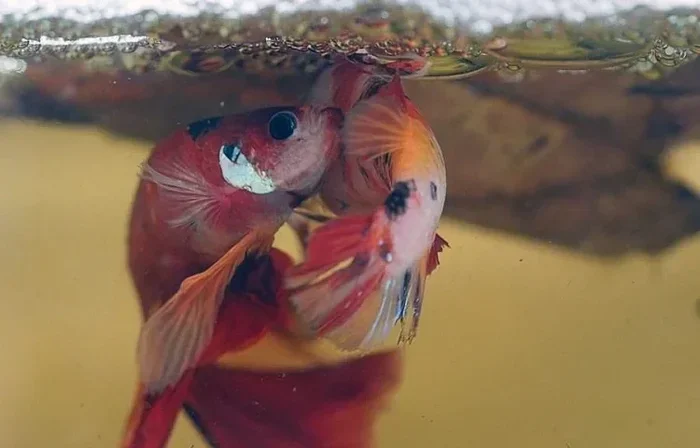
Knowing when betta fish are ready to mate is essential for any breeder or hobbyist. You will learn to spot physical changes, behavioral cues, and environmental triggers that signal mating readiness. This guide covers everything from bubble nest building to courtship dances, giving you the confidence to support your bettas through the breeding process.
Breeding betta fish is one of the most rewarding experiences a fish keeper can have. But it does not happen by accident. You need to know how to tell when betta fish are ready to mate before you put a male and female together. Getting this right makes the difference between a successful spawn and a stressful experience for your fish.
If you have been watching your bettas closely and wondering whether they are ready, you are in the right place. This guide walks you through every sign, signal, and step you need to look for. We will cover physical changes, behavior shifts, tank conditions, and common mistakes to avoid. By the end, you will feel confident about spotting betta fish mating readiness in your own tank.
Understanding betta fish breeding behavior starts with knowing what normal looks like. Once you recognize the signs, you can prepare the right environment and give your fish the best chance of a healthy spawn. Let us dive in.
Key Takeaways
- Physical Signs Matter: Look for color darkening, white dots (eggs), and a swollen belly in females to know they are ready.
- Behavioral Cues Are Clear: Bubble nest building, flaring, and chasing are strong indicators of mating readiness.
- Age and Health Play a Role: Betta fish typically reach breeding age between 4 and 12 months and must be in peak condition.
- Environment Triggers Behavior: Proper water temperature, tank setup, and conditioning food encourage natural mating instincts.
- Know the Risks: Aggression can escalate during mating, so proper introduction and monitoring are critical.
- Patience Is Key: Not every attempt will succeed, and that is perfectly normal for betta breeding.
📑 Table of Contents
- Understanding Betta Fish Mating Readiness
- Physical Signs That Betta Fish Are Ready to Mate
- Behavioral Signs of Mating Readiness
- Age and Health Requirements for Breeding
- Environmental Factors That Trigger Mating Behavior
- How to Find Female Betta Fish Ready to Breed
- Common Mistakes When Breeding Betta Fish
- Quick Tips for Spotting Mating Readiness
- Conclusion
Understanding Betta Fish Mating Readiness
Before you look for signs, it helps to understand what “ready to mate” actually means for bettas. Unlike some animals, betta fish do not mate on a strict schedule. They respond to a combination of age, health, environment, and instinct. When all the right conditions align, their bodies and behavior shift in noticeable ways.
The betta fish reproductive cycle is influenced by water temperature, feeding, and the presence of a potential mate. Males and females show different signs of readiness, so you need to observe both. This is also why knowing how to tell the gender of betta fish is such an important first step. If you are unsure about gender identification, check out our guide on how to tell the gender of betta fish for a detailed breakdown.
Why Mating Readiness Matters
Recognizing when your bettas are ready is not just about getting babies. It is about keeping your fish safe and healthy. Forcing fish that are not ready can lead to stress, injury, or even death. On the other hand, breeding at the right time increases the chances of strong, viable fry.
Knowing the signs also helps you avoid common pitfalls. Many beginner breeders rush the process and end up with failed spawns or aggressive encounters. Taking the time to learn betta fish courtship signals will save you frustration and protect your fish.
Physical Signs That Betta Fish Are Ready to Mate
Your fish will give you physical clues that they are approaching breeding condition. These signs differ between males and females, so watch both carefully.
Signs in Male Betta Fish
- Color Intensity: Males often develop richer, more vibrant colors when they are ready to breed. Their bars or stripes may become more pronounced.
- Bubble Nest Building: This is one of the strongest signs. A male building a bubble nest at the surface is telling you he is in spawning mode.
- Flared Fins: Males flare their gills and fins more frequently when they sense a female nearby or when they feel ready to mate.
- Slender Body Shape: Unlike females, males stay relatively streamlined when they are in breeding condition.
Signs in Female Betta Fish
- White Dot (Ovipositor): Look closely at the underside of the female. A small white dot, called the ovipositor, appears when she is ready to release eggs.
- Swollen Belly: A slightly rounded belly indicates that the female is carrying eggs. She may also appear broader from above.
- Vertical Stripes: Many females develop faint vertical bars on their bodies when they are in breeding condition. These are sometimes called “breeding bars.”
- Color Changes: Some females become slightly darker or more vivid when they are ready to mate.
If you are having trouble telling a female apart from a male, our article on how to tell a female betta fish from a male can help clarify the differences.
Behavioral Signs of Mating Readiness
Physical changes are only half the story. Behavior tells you a lot about what is going on inside your fish. Paying attention to how your bettas interact and act on a daily basis is one of the best ways to confirm mating readiness.
Bubble Nest Behavior
A male betta building a bubble nest is perhaps the most reliable indicator that he is ready to mate. These nests look like a cluster of tiny bubbles stuck to the surface of the water or to plants and decorations. The male builds and maintains the nest in preparation for eggs.
Some males build elaborate nests, while others create smaller, simpler ones. Both are normal. The key is that the nest is being actively maintained. If you see your male tending to his bubble nest daily, he is signaling that he is in the right breeding condition.
Courtship and Flaring
When a male is ready, he will flare at the female in a specific pattern. This is not aggressive flaring. Instead, it is a display meant to attract the female. He may spread his fins, curve his body, and show off his colors.
The female may respond by darkening in color or approaching the nest. This back-and-forth is part of the betta fish mating dance. If you observe this interaction, it is a strong sign that both fish are in the right frame of mind for breeding.
Chasing and Nudging
Males may gently chase females around the tank during courtship. This is normal and expected. The male nudges the female to encourage her to release eggs. However, if the chasing becomes violent or constant, you should separate them. You can learn more about the risks of mating in our article on do betta fish kill each other when they mate.
Age and Health Requirements for Breeding
Not every betta fish is ready to mate just because it shows some signs. Age and overall health are critical factors that determine whether a fish is truly ready for breeding.
What Age Are Betta Fish Ready to Mate?
Male bettas are generally ready to breed between 4 and 12 months of age. Females can start a bit earlier, sometimes around 3 to 4 months, but it is best to wait until they are at least 4 months old. Breeding too early can cause health problems and reduce the quality of the spawn.
If you want to learn more about the specific timeline, check out our article on when are betta fish ready to mate for a detailed age breakdown.
Health and Conditioning
A healthy fish breeds better. Before you attempt to mate your bettas, make sure both fish are in excellent condition. Here is what to look for:
- Bright, clear eyes with no cloudiness or swelling
- Active swimming behavior without lethargy
- Healthy appetite and consistent eating habits
- Intact fins with no tearing, fraying, or signs of disease
- Smooth scales with no discoloration or bloating unrelated to egg production
Feeding high-quality food like brine shrimp and bloodworms before breeding, known as betta fish conditioning, helps prepare the body for spawning. Both male and female should be conditioned separately for about two weeks before being introduced.
Environmental Factors That Trigger Mating Behavior
Even healthy, mature bettas may not show mating signs if the environment is not right. Water conditions, tank setup, and temperature all play a role in triggering natural breeding instincts.
Water Temperature
Betta fish are tropical and prefer warm water. The ideal temperature for breeding is between 78 and 82 degrees Fahrenheit. This warmth mimics their natural breeding season and encourages both physical and behavioral readiness.
If the water is too cool, your fish may not show any interest in mating. If it is too hot, it can stress them out. Use a reliable heater and thermometer to maintain stable conditions. You can also read about are betta fish sensitive to water temperature to understand how temperature fluctuations affect your fish.
Tank Setup for Breeding
A separate breeding tank works best. It should be at least 10 gallons with a gentle filter or sponge filter. The water level should be lowered to about 5 to 6 inches so that the male can easily reach the surface to tend the bubble nest.
Add a few broad-leaf plants or a spawning mop. These give the female places to hide and provide surfaces for the eggs. Keep the tank dimly lit, as bright lights can stress breeding fish.
Water Quality
Clean, well-conditioned water is essential. Perform regular water changes and keep ammonia and nitrite levels at zero. A pH between 6.5 and 7.0 is ideal for most bettas. Poor water quality is one of the most common reasons breeding attempts fail.
How to Find Female Betta Fish Ready to Breed
Finding a ready female can be tricky, especially if you are buying from a store. Many female bettas sold in pet shops are young and not yet in breeding condition. Knowing what to look for saves time and increases your chances of success.
When shopping for a breeding female, look for a fish with a visible ovipositor, a rounded belly, and breeding bars. She should be active and eat well. Avoid females that look thin, pale, or lethargic.
If you need help locating a good candidate, our guide on how to find female betta fish ready to breed offers practical tips for selecting the right fish.
Common Mistakes When Breeding Betta Fish
Even experienced hobbyists make mistakes. Knowing what to avoid sets you up for a better outcome.
- Skipping the conditioning phase: Both fish need proper nutrition and preparation before breeding.
- Using a tank that is too large: A breeding tank should be small enough that the female cannot escape the male’s attention.
- Ignoring aggression: If the male attacks the female, separate them immediately. Forcing interaction can lead to injury.
- Breeding too frequently: Give your fish time to recover between spawns. Frequent breeding weakens their health.
- Not having a fry-rearing plan: Be prepared for what happens after the eggs hatch. You will need a separate grow-out tank and infusoria or baby brine shrimp for food.
Avoiding these mistakes shows that you respect the process and prioritize the well-being of your fish. Patience and preparation are the foundations of successful betta fish spawning.
Quick Tips for Spotting Mating Readiness
- Check for a bubble nest every morning. A growing nest means the male is ready.
- Look for the white ovipositor dot on the female’s underside.
- Watch for breeding bars on the female’s body.
- Feed both fish high-protein treats like brine shrimp for at least two weeks before introducing them.
- Maintain stable water temperature between 78 and 82 degrees Fahrenheit.
- Observe courtship behavior like flaring, chasing, and nest tending.
- Keep the breeding tank dimly lit and free of sharp decorations.
Conclusion
Learning how to tell when betta fish are ready to mate is a skill that comes with observation and patience. By watching for physical signs like color changes and the ovipositor, behavioral cues like bubble nest building and courtship displays, and environmental factors like proper temperature and tank setup, you can confidently guide your bettas through the breeding process.
Remember that every fish is different. Some may show clear signs early, while others take more time. The key is to create the right conditions, keep your fish healthy, and let nature take its course. With the knowledge you have gained from this guide, you are well on your way to a successful and rewarding breeding experience.
Start by applying the tips and checks outlined here. Monitor your fish daily, keep records of behavior and water parameters, and do not be discouraged if the first attempt is not perfect. Breeding bettas is a journey, and each spawn teaches you something new about these beautiful, fascinating fish.
Frequently Asked Questions
How do I know if my betta fish is ready to mate?
Look for a combination of physical and behavioral signs. Males will build bubble nests and flare frequently, while females will develop a white ovipositor, a swollen belly, and vertical breeding bars. Both fish should be at least 4 months old and in excellent health. If you notice these signs together, your bettas are likely ready.
What age should betta fish be before breeding?
Male bettas are generally ready to breed between 4 and 12 months of age. Females can start breeding as early as 3 to 4 months, but waiting until they are at least 4 months old is safer and healthier. Breeding too young can lead to weak fry and health problems for the parents.
Can I breed betta fish in a community tank?
It is not recommended. Breeding should happen in a separate tank to protect both the parents and any fry. Community tanks can expose eggs and baby fish to predators, and the stress of other fish can disrupt the breeding process. A dedicated breeding tank gives you much better control over conditions.
What should I feed my betta fish before breeding?
High-protein foods like brine shrimp, bloodworms, and daphnia are ideal for conditioning bettas before breeding. Feed both the male and female separately for about two weeks before introducing them. This helps prepare their bodies for spawning and increases the chances of a successful spawn.
Why is my male betta not building a bubble nest?
Several factors can cause this. The water temperature may be too low, the fish may not be in breeding condition yet, or he may be too young or stressed. Make sure the tank is warm, the water is clean, and the male is healthy. Sometimes it simply takes more time and the right conditions before he starts building.
Is it normal for the male to chase the female during breeding?
Yes, some chasing and nudging is normal during courtship. The male is trying to encourage the female to release eggs. However, if the chasing becomes constant or the female looks injured, separate them immediately. A safe hiding space for the female in the breeding tank helps reduce stress during this process.