How to Tell My Betta Fish Is Sick
Knowing how to tell my betta fish is sick early can make the difference between a quick recovery and a tragic loss. Common signs include color fading, clamped fins, loss of appetite, and unusual swimming patterns. This guide walks you through every symptom to watch for and what to do next.
Key Takeaways
- Watch for physical changes: Color fading, clamped fins, and bloating are early red flags that something is wrong with your betta.
- Behavioral shifts matter: Loss of appetite, lethargy, and hiding signal illness before visible symptoms appear.
- Water quality is everything: Poor water conditions are the leading cause of sickness in betta fish.
- Early action saves lives: The faster you identify and treat a sick betta, the better their chances of recovery.
- Quarantine sick fish: Isolating a sick betta prevents disease spread to tank mates.
- Consult a vet when unsure: Professional advice is valuable when home treatments don’t work.
📑 Table of Contents
How to Tell My Betta Fish Is Sick
Every betta fish owner wants their finned friend to live a long, healthy life. But sometimes, betta fish get sick, and catching it early is crucial. Learning how to tell my betta fish is sick is one of the most important skills you can develop as a fish keeper. It helps you act fast and give your betta the best chance at a full recovery.
Bettas are naturally hardy creatures, but they are not invincible. Poor water quality, stress, infections, and parasites can all take a toll on their health. The tricky part is that bettas instinctively hide their pain. This survival instinct makes it harder to spot problems early. That is why understanding the warning signs matters so much.
In this guide, we will walk you through every sign that your betta fish might be sick. We will cover physical symptoms, behavioral changes, common diseases, and what steps to take. By the end, you will feel confident spotting trouble before it is too late.
Why Early Detection Matters
Fish do not have the luxury of telling us when they feel unwell. They cannot call a vet or show you where it hurts. Instead, they rely on subtle body language and physical changes to communicate distress. If you miss these signals, a treatable condition can become deadly within days.
Early detection is the single biggest factor in saving a sick betta. When you catch an illness in its first stage, treatment is often simple. A water change, a slightly warmer temperature, or a mild medication can work wonders. But wait too long, and you may need stronger interventions or face losing your fish entirely.
Think of it like catching a cold early versus waiting until you have pneumonia. The earlier you act, the easier the fix. This is exactly why every betta owner should learn to read their fish’s behavior and appearance like a book.
How Betta Fish Show Illness
Bettas communicate sickness in two main ways: through their body and through their behavior. Both are equally important. Let us break them down so you know exactly what to look for.
Physical signs include changes in color, fin condition, body shape, and eye appearance. These are things you can see just by watching your fish during regular feeding or maintenance.
Behavioral signs include changes in swimming patterns, feeding habits, activity level, and social interaction. These require you to pay closer attention over time and notice when something feels “off.”
Physical Signs Your Betta Fish Is Sick
Physical symptoms are often the easiest to spot. They are visible changes that you can detect during routine observation. Here are the most common physical red flags that tell you your betta is not feeling well.
Color Fading or Darkening
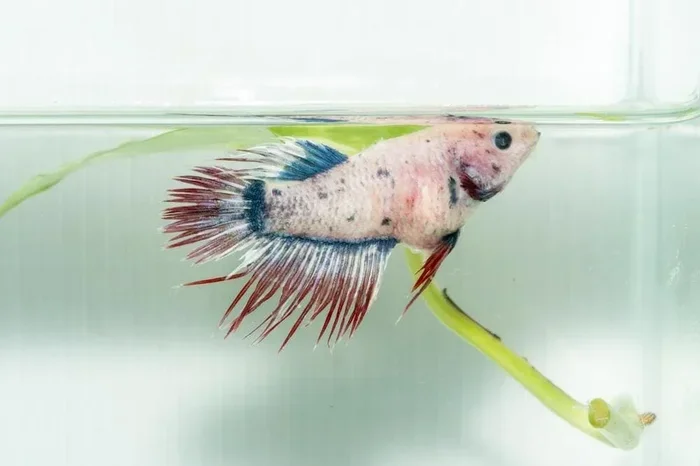
Healthy bettas display rich, vibrant colors. A sudden loss of color is one of the clearest answers to how can you tell if your betta fish is sick. When a betta starts losing pigment, it often signals stress, poor water conditions, or an underlying infection.
Some color fading is normal at night or during rest periods. Your betta may also naturally appear slightly duller as it ages. But a dramatic or sudden color change deserves immediate attention. If your once-bright blue betta now looks pale or grey, something is wrong.
In some cases, bettas darken instead of lightening. This can also indicate stress or illness. Either extreme is a cause for concern. Always compare your fish’s current color to how it looked when you first brought it home.
Clamped Fins
Clamped fins are one of the most common sickness indicators. When a betta holds its fins tightly against its body instead of spreading them wide, it is usually a sign of discomfort or disease. Healthy bettas swim with their fins open and flowing gracefully.
Fin clamping can result from bacterial infections, parasitic infestations, or environmental stress. It is your fish’s way of protecting itself from further irritation. If you notice this sign combined with any other symptoms on this list, act quickly.
Bloating and Swelling
A bloated betta is a serious concern. Swelling in the body or abdomen can point to several dangerous conditions. Swim bladder disease is a common culprit. This condition affects your fish’s ability to control buoyancy and often causes a swollen belly.
Another possibility is dropsy, which causes the body to swell as organs fail. Dropsy is extremely serious and often fatal. If your betta looks like a tiny balloon, do not wait. Begin treatment immediately and consider consulting a fish health expert.
Damaged or Ragged Fins
Fins that appear torn, shredded, or have white edges suggest infection or injury. Fin rot is a bacterial infection that eats away at fin tissue. It starts at the edges and progresses inward if untreated. Poor water quality is the most common trigger for fin rot.
Parasites like anchor worms can also cause visible fin damage. Look for small white or red specks on the fin base. Any unusual fin deterioration needs prompt treatment to prevent permanent loss of the fin.
Eye Problems
Cloudy, bulging, or sunken eyes are never a good sign. Eye infections in bettas often stem from poor water quality or bacterial exposure. Bulging eyes can indicate internal swelling, while sunken eyes suggest dehydration or severe weight loss.
If only one eye appears affected, it may be a localized injury or infection. Both eyes affected usually points to a systemic problem. Either way, your betta needs help fast.
White Spots or Residue
White spots on the body or fins are classic signs of ich, also known as white spot disease. Ich is a parasitic infection that creates tiny white cysts on the skin. Your fish may also rub against objects to relieve the irritation.
A cotton-like residue on the body suggests a fungal infection. These conditions are highly treatable if caught early but can become deadly if ignored. Regular observation makes the difference here.
Behavioral Signs Your Betta Is Unwell
Sometimes the body shows no visible changes, but the behavior tells a different story. Behavioral signs are subtle but powerful clues. Here is what to watch for when trying to figure out how to tell my betta fish is sick.
Loss of Appetite
A hungry betta is a healthy betta. If your fish ignores food it normally loves, that is a red flag. Skipping one feeding is not an emergency. But if your betta refuses food for more than two days, something is likely wrong.
Appetite loss can stem from stress, illness, or even water temperature issues. Bettas are tropical fish and need warm water to maintain their metabolism. Cold water alone can suppress their appetite significantly. Check your heater and temperature before jumping to conclusions about disease.
Lethargy and Hiding
Bettas are curious and territorial by nature. A healthy betta explores its tank, watches its surroundings, and sometimes flares at reflections. A sick betta, on the other hand, becomes unusually still and hides constantly.
If your fish spends all day tucked behind a plant or in a corner, pay attention. Lethargy paired with any physical symptom is a strong indicator of illness. Give your fish some privacy, but also monitor closely for worsening signs.
Abnormal Swimming Patterns
How your betta swims tells you a lot about its health. Abnormal swimming is one of the most telling behavioral signs of sickness. Watch for these specific patterns:
- Swimming sideways: Often linked to swim bladder issues.
- Sinking to the bottom: May indicate exhaustion, infection, or old age.
- Floating at the top: Could signal swim bladder problems or gas buildup.
- Glass surfing: Repeatedly running into the glass often reflects stress or poor tank conditions.
- Rapid or jerky movements: Can point to parasites or neurological issues.
Any dramatic change in swimming behavior deserves a closer look. Note the pattern and check your water parameters as a first step.
Rapid Breathing
A betta breathing rapidly or gasping at the surface often means oxygen levels are too low. This can result from poor water quality, high ammonia, or a tank that is too warm. It can also signal internal infection or stress. Test your water immediately if you notice this behavior.
Common Betta Fish Diseases Explained
Understanding the most common diseases helps you connect symptoms to causes. Here is a quick breakdown of illnesses that frequently affect bettas. This section answers the question how can you tell if a betta fish is sick by linking visible symptoms to specific conditions.
Swim Bladder Disease
Swim bladder disease affects buoyancy control. Your betta may float upside down, sink to the bottom, or struggle to stay level. Overfeeding and constipation are the most common causes. Treatment includes fasting for a day, feeding peas with shells removed, and maintaining warm water.
Fin Rot
Fin rot causes fins to appear ragged and discolored. The edges often turn white or black. Bacteria cause this condition, and it thrives in dirty water. Improving water quality and applying a bacterial treatment usually resolves mild cases. Severe fin rot can be harder to reverse.
Fungal Infections
Fungal infections show up as fluffy, cotton-like growths on the skin or mouth. They often follow an injury or a weakened immune system. Treat with antifungal medications and improve tank hygiene. Fungal infections are contagious, so isolate affected fish.
Parasitic Infections
Parasites like ich, anchor worms, and velvet disease cause a range of symptoms. Ich produces white spots, velvet creates a gold dusty coating, and anchor worms appear as visible worms embedded in the skin. Each requires specific treatment, but improving water quality is always the first step.
| Disease | Key Symptoms | Common Cause | First Response |
|---|---|---|---|
| Swim Bladder Disease | Floating, sinking, sideways swimming | Overfeeding, constipation | Fast fish, feed peas |
| Fin Rot | Ragged, discolored fins | Poor water quality, bacteria | Water change, antibacterial treatment |
| Fungal Infection | Cotton-like growths | Injury, weak immune system | Antifungal medication, quarantine |
| Parasitic Infection | White spots, rubbing, visible worms | Poor water, exposure | Water change, parasite treatment |
Temperature Stress
Bettas need warm water between 76 and 82 degrees Fahrenheit. Cold water weakens their immune system and makes them vulnerable to illness. Temperature stress alone can cause color fading, appetite loss, and lethargy. Always use a reliable heater and thermometer.
What to Do When Your Betta Is Sick
Once you identify that your betta is sick, the next step is action. Here is a clear plan to follow. These steps help you help a betta fish that is sick and give it the best shot at recovery.
Step 1: Test Your Water
Water quality is the foundation of betta health. Ammonia, nitrite, and nitrate levels all affect your fish’s well-being. Use a liquid test kit to check these parameters immediately. Anything other than zero for ammonia and nitrite is dangerous. High nitrate levels also stress the immune system.
Step 2: Perform a Water Change
A 25 to 50 percent water change can do wonders for a sick fish. Use a gravel vacuum to remove waste buildup. Make sure the new water is dechlorinated and matched to the tank temperature. Sudden temperature shifts can shock your betta further, so take care with this step.
Step 3: Raise the Temperature
Increasing the water temperature to around 80 to 82 degrees Fahrenheit can boost your betta’s immune response. Many bacterial and parasitic infections slow down at higher temperatures. Use an adjustable heater and monitor closely. Never raise the temperature more than a few degrees at a time.
Step 4: Quarantine the Sick Fish
If you have other fish in the tank, move the sick betta to a quarantine tank. This prevents the spread of disease and allows you to treat the fish without affecting tank mates. A simple five-gallon quarantine setup works perfectly. Keep it clean and warm.
Step 5: Adjust Feeding
A sick betta often refuses food. Do not force feed. Instead, offer small amounts of high-quality food once daily. Fasting a sick betta for one to two days can actually help, especially with swim bladder issues. Once appetite returns, resume a varied diet of pellets, frozen foods, and occasional treats.
Step 6: Medication if Needed
If symptoms persist after improving water conditions, consider medication. Antibacterial treatments work for fin rot and bacterial infections. Antiparasitic medications address ich and velvet. Always follow dosage instructions carefully. Overmedicating can harm your fish as much as the disease itself.
Quick Tips for Sick Betta Care
- Always wash your hands before and after handling the tank.
- Avoid sudden light changes, which add stress to a sick fish.
- Keep the tank environment stable and quiet during recovery.
- Do not add new fish to a tank with a sick betta.
- Document symptoms daily to track improvement or worsening.
When to See a Vet
Home treatment works for many mild to moderate cases. But sometimes, you need professional help. Consider consulting a fish veterinarian or an experienced aquarist if:
- Symptoms persist after one week of treatment.
- Your betta stops eating entirely for more than three days.
- Multiple fish in the same tank show signs of illness.
- Your fish shows severe neurological symptoms like spinning or head tilting.
- You notice large open wounds or rapid body deterioration.
Finding a fish vet can be challenging, but resources are growing. Some veterinary clinics specialize in exotic pets. Online communities and fish health forums also offer valuable guidance when a local vet is unavailable. Do not hesitate to seek help when things look serious.
How to Prevent Your Betta From Getting Sick
Prevention is always better than cure. A healthy betta lives a longer, happier life. Here are proven ways to keep your fish in top shape and reduce the chances of ever asking yourself, is my betta fish sick.
Maintain Excellent Water Quality
Clean water is the foundation of betta health. Perform weekly water changes of 25 to 30 percent. Vacuum the substrate to remove waste. Keep ammonia and nitrite at zero and nitrate below 20 ppm. A consistent maintenance routine prevents most illnesses.
Provide Proper Heating
Bettas are tropical fish. They need stable warmth to thrive. A reliable heater set to 78 degrees Fahrenheit is ideal. Avoid placing the tank near drafts, air conditioners, or direct sunlight. Temperature stability matters more than hitting the exact number.
Feed a Balanced Diet
Variety is key to a strong immune system. Offer high-quality pellets as a staple, supplemented with frozen or live foods like bloodworms and brine shrimp. Do not overfeed. Uneaten food decays and pollutes the water fast. Feed small amounts twice daily rather than one large meal.
Create a Stress-Free Environment
Bettas need hiding spots and gentle filtration. A bare tank causes stress, while too many decorations limit swimming space. Add a few silk plants or a simple cave for privacy. Choose a filter with a gentle flow, as strong currents exhaust bettas.
Monitor Regularly
Spend a few minutes each day simply watching your betta. Note any changes in color, posture, or behavior. Early detection saves lives, and daily observation is your best tool. Consider keeping a simple log to track feeding, water changes, and any unusual activity.
Conclusion
Learning how to tell my betta fish is sick is an essential skill for every betta owner. From color changes and fin clamping to behavioral shifts like hiding and appetite loss, the signs are there if you know where to look. Early detection, quick action, and consistent care make all the difference. Always start by checking your water quality and maintaining a warm, clean environment. When symptoms persist, do not be afraid to seek professional advice or adjust your treatment approach. Your betta depends on you to be its advocate. Stay observant, stay proactive, and your betta will reward you with years of vibrant, happy life.
Frequently Asked Questions
How can I tell if my betta fish is sick?
Look for physical signs like color fading, clamped fins, bloating, or white spots. Behavioral changes such as hiding, loss of appetite, and abnormal swimming also signal illness. Regular observation is your best tool for early detection.
What are the most common sick betta fish symptoms?
The most common symptoms include clamped fins, loss of color, rapid breathing, floating or sinking, refusing food, and rubbing against objects. These signs often point to infections, parasites, or poor water conditions that need immediate attention.
How do I know if my betta fish is dying or just stressed?
Stressed fish may hide or flare briefly but usually recover. A dying fish shows prolonged symptoms like extreme color loss, constant sinking, rapid breathing, and complete appetite refusal. If symptoms persist for days despite treatment, the situation is likely serious.
Can a sick betta fish recover on its own?
Mild issues like temporary stress or a small water quality dip may resolve on their own. However, most illnesses need intervention. A water change, temperature adjustment, or medication greatly improves recovery chances and speeds up healing.
Should I change the water if my betta fish is sick?
Yes, a partial water change of 25 to 50 percent is one of the first steps to help a sick betta. Use a gravel vacuum to remove debris and ensure the new water is dechlorinated and temperature-matched. Clean water supports healing.
How can I prevent my betta fish from getting sick?
Maintain consistent water quality with weekly changes, keep the tank heated to 78°F, feed a varied but moderate diet, and provide a stress-free environment with gentle filtration. Daily observation helps catch problems before they escalate.