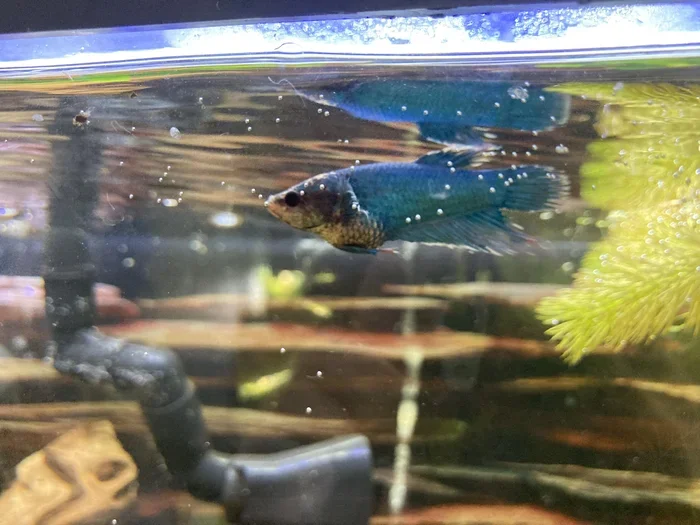
How to Tell Male Vs Female Betta Fish
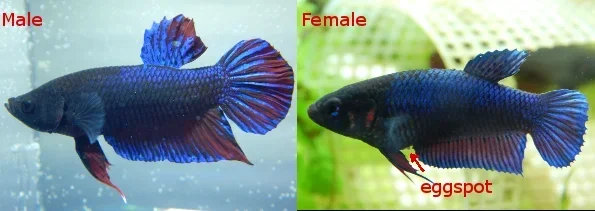
Figuring out how to tell male vs female betta fish is easier than most people think. You can spot the differences by looking at body shape, fin length, color vibrancy, and even tiny hidden markers like the egg spot. This guide walks you through every sign step by step so you can confidently identify your betta’s gender.
Figuring out how to tell male vs female betta fish is one of the most common questions new betta owners ask. Whether you just brought home a beautiful betta or you are planning to breed them, knowing the gender changes everything. Males and females look and act very differently, and understanding these differences helps you care for them better.
The good news is that you do not need a microscope or a degree in marine biology. Most of the time, a simple glance at your fish tells you a lot. From fin length to body shape to tiny hidden spots, there are clear clues waiting to be found. In this guide, we walk you through every single sign so you can identify your betta with confidence.
Learning how to tell male vs female betta fish also helps you avoid common mistakes. For example, keeping two males in the same tank can lead to serious fights. On the other hand, knowing how to pair a male and female properly opens up the exciting world of betta breeding. Let us dive into the details and make this easy for you.
Key Takeaways
- Males have longer, flowing fins and brighter colors: These are the most obvious signs of a male betta fish.
- Females have a shorter, rounder body shape: A female betta fish typically looks stockier and less dramatic.
- The egg spot is a key female marker: Look for a small white dot on the underside of a female betta.
- Behavior differences matter too: Males tend to flare and show aggression, while females are generally calmer.
- Knowing the gender helps with tank setup: It determines whether you can house bettas together safely.
- Age affects identification: Young bettas may not show clear gender differences until they mature.
📑 Table of Contents
- Why Knowing the Gender of Your Betta Fish Matters
- Physical Differences Between Male and Female Betta Fish
- Behavioral Differences You Can Observe
- The Egg Spot and Other Secret Markers
- Quick Comparison: Male vs Female Betta Fish at a Glance
- Common Mistakes People Make When Identifying Betta Gender
- Conclusion
Why Knowing the Gender of Your Betta Fish Matters
Some people think identifying betta gender is just a fun fact. But it actually affects how you care for your fish every single day. When you know whether you have a male betta fish or a female betta fish, you make better decisions about tank setup, tank mates, and feeding habits.
For starters, male bettas are notoriously territorial. They need their own space. A male betta kept with another male will almost always result in aggression and stress. Understanding betta fish gender helps you avoid this entirely. It also helps you decide if you can create a community tank or if your betta needs to live alone.
If you are interested in breeding, knowing the gender is absolutely essential. You cannot breed bettas without a proper male and female pair. And even for non-breeding purposes, female bettas sometimes do better in groups called sororities, while males should always be kept solo. The more you know about betta fish identification, the happier and healthier your fish will be.
Physical Differences Between Male and Female Betta Fish
The easiest way to tell male and female bettas apart is by looking at their physical features. Both genders share the same basic betta body shape, but the details are quite different. Let us break down each physical trait one by one.
Body Shape and Size
A female betta fish usually has a rounder, wider body. Think of it like a small ball or a pear shape. Her belly tends to look a bit fuller, especially when she is carrying eggs. Males, on the other hand, have a more streamlined and elongated body. They look slimmer from head to tail.
In terms of overall size, both genders are similar. Most bettas grow to about 2 to 3 inches in length. But because of the body shape differences, a female might look slightly bulkier even if she is the same length as a male. This is one of the first things to check when you are trying to figure out the gender.
Fin Length and Shape
This is probably the most obvious difference. Male bettas have dramatically long, flowing fins. Their tail fins, also called the caudal fin, can be several times longer than their body. The dorsal fin on their back stretches out beautifully, and their anal fin trails behind like a elegant train.
Female bettas have much shorter fins. Their fins are still pretty and shaped like a fan, but they do not trail far behind the body. If you see a betta with long, dramatic fins flowing behind it, there is a very good chance it is a male. This difference becomes even more noticeable once the fish reaches full maturity, usually around 3 to 4 months of age.
Coloration and Vibrancy
Male bettas tend to display brighter, more vivid colors. Their scales shimmer with intense reds, blues, greens, and purples. This vibrant coloring is part of their natural display to attract mates. A male betta fish practically glows when he is feeling confident or showing off to a female.
Female bettas are still colorful, but their hues are usually more muted and subtle. They may look a bit pale compared to males, especially when they are not in breeding condition. However, some female bettas can still be quite colorful, so color alone is not always the final answer. Use it as one clue among several.
Behavioral Differences You Can Observe
Watching how your betta acts can also help you determine gender. While physical traits give you the clearest signs, behavior adds another layer of confirmation. Both male and female bettas have distinct personalities, and these show up in different ways.
Male bettas are famous for their flaring behavior. They will spread their gills and fins wide to look as big and intimidating as possible. This happens when they see another male, a reflection in the glass, or even their owner walking by. It is their way of saying, “This is my territory.” While it looks dramatic, some flaring is normal and even entertaining to watch.
Female bettas flare too, but usually less often and less dramatically. They tend to have a calmer overall temperament. However, do not be fooled into thinking females are always peaceful. When you keep multiple females together, they can still show aggression and establish a pecking order. This is why female betta groups need plenty of hiding spots and space.
Another behavioral clue relates to bubble nests. Male bettas build bubble nests on the surface of the water as part of their breeding instinct. If you see a cluster of tiny bubbles floating near the top of the tank, you almost certainly have a male. Females do not build bubble nests.
The Egg Spot and Other Secret Markers
Here is where things get really interesting. Experienced betta keepers look for tiny hidden markers that give away the gender. These markers are small but very reliable once you know what to look for.
The most famous marker is the egg spot, also called the ovipositor. This is a tiny white or speckled dot located on the underside of the fish, near the anal fin. It is the tube through which the female releases her eggs. If you see a clear egg spot, you are looking at a female betta fish. Males do not have this spot.
Another marker is the nuptial pad. This is a small white or rough patch that appears on the head and mouth of a male betta during breeding season. It helps the male grip the female during spawning. You might not always see this, but it is a strong indicator when it is present.
The anal fin shape also differs between genders. In males, the anal fin tapers to a narrow point. In females, it is broader and more fan-shaped. This difference is subtle, but it becomes easier to spot once you compare males and females side by side.
Quick Comparison: Male vs Female Betta Fish at a Glance
Sometimes the fastest way to learn is with a side-by-side comparison. Here is a simple breakdown of the main differences:
- Body shape: Males are slim and elongated. Females are rounder and wider.
- Fin length: Males have long, flowing fins. Females have short, compact fins.
- Color intensity: Males are brighter and more vivid. Females are more muted.
- Egg spot: Females have a visible white egg spot. Males do not.
- Bubble nests: Males build them. Females do not.
- Flaring: Males flare more often and more dramatically.
- Behavior: Males are more territorial. Females are calmer but can still show aggression in groups.
Keep in mind that young bettas under about 3 months may not show clear differences yet. It is best to wait until your fish reaches full maturity before making a final determination. If you are unsure, comparing your fish to reference photos or videos of confirmed males and females can help a lot.
Common Mistakes People Make When Identifying Betta Gender
Even experienced fish keepers sometimes mix up male and female bettas, especially with certain color varieties. Here are the most common mistakes to avoid.
Relying on color alone. Some people assume all bright, colorful bettas are male. But some female bettas are surprisingly vibrant too, especially young ones or specific breeds like the crowntail female. Always look at multiple signs before making a judgment.
Assuming all long-finned bettas are male. While males generally have longer fins, some female bettas can also have relatively long fins depending on the breed. The plakat female, for example, has shorter fins, but other female varieties may have moderately long fins.
Forgetting that age matters. Baby bettas and juveniles look very similar regardless of gender. The differences become apparent only as they mature. If you have a young betta, give it time and check back in a few weeks.
Not checking the egg spot properly. Sometimes the egg spot is very faint and hard to see. Use a flashlight or dim the tank lights and look closely at the underside near the bottom of the fish. A faint white dot is often all you need to confirm a female.
If you ever feel stuck, comparing your fish with trusted resources can make a big difference. Learning how to tell a female betta fish from a male takes practice, but once you know what to look for, it becomes second nature. You can also check guides on how to tell a female betta fish from a male for additional visual references that make identification much easier.
Conclusion
Now you know the full picture of how to tell male vs female betta fish. From body shape and fin length to color, behavior, and hidden markers like the egg spot, you have all the tools you need. Each clue on its own might not be enough, but when you put them all together, the answer becomes clear.
Remember that patience is key. Young bettas need time to develop their adult features, and some differences are subtle. The more you observe your fish, the more confident you will become. Understanding betta fish gender is not just a fun party trick. It is an essential part of being a responsible and caring fish owner.
Whether you want to keep your betta happy in a solo tank, set up a peaceful female sorority, or try your hand at breeding, knowing the gender of every fish in your tank is the first step. Take what you have learned here, apply it to your own aquarium, and enjoy the rewarding experience of understanding your betta fish on a deeper level.
If you are curious about how gender affects betta fish care at different life stages, you might also want to learn how to tell the age of a female betta fish, since age and gender often go hand in hand when it comes to behavior and appearance.
Frequently Asked Questions
Can you tell the gender of a baby betta fish?
It is very difficult to identify the gender of a baby betta fish. The physical differences between male and female bettas do not become visible until the fish is around 3 to 4 months old. Until then, wait and check back regularly as your fish matures.
Do female betta fish have fins as long as males?
No, female bettas generally have much shorter fins compared to males. While some female breeds may have moderately long fins, they are never as dramatic and flowing as the fins of a male betta fish.
What is the egg spot on a female betta fish?
The egg spot, also called the ovipositor, is a tiny white or speckled dot on the underside of a female betta near the anal fin. It is the opening through which the female releases her eggs during spawning. Males do not have this spot.
Can two male betta fish live together?
No, two male bettas should never be housed together. They are highly territorial and will fight aggressively, often resulting in injury or death. Each male betta needs his own separate tank.
Do male bettas build bubble nests even without a female present?
Yes, male bettas often build bubble nests even when no female is around. This is a natural breeding instinct and is actually a good sign that your male betta is healthy and comfortable in his environment.
Are female bettas easier to care for than males?
Not necessarily. Both genders require the same basic care in terms of water quality, temperature, and diet. However, females can be kept in groups while males must be kept alone, which affects tank setup and planning.