How to Tell If Your Betta Fish Is Agressive
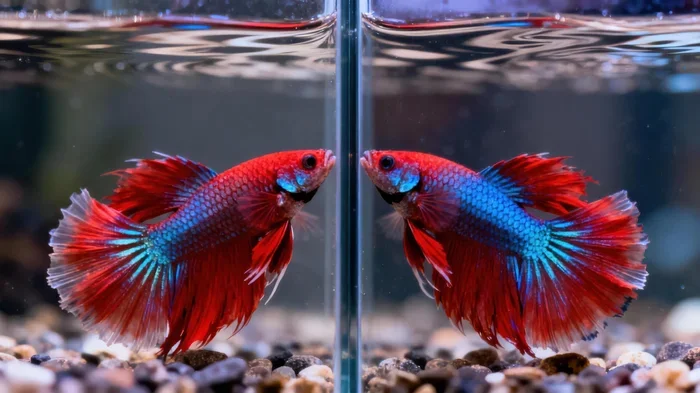
Learn how to spot the signs of a betta fish aggressive behavior and understand what drives it. This guide covers the top warning signs, common triggers, and proven ways to calm your fish. You will also learn when aggression signals a deeper health issue and how to create a peaceful tank environment.
Your betta fish is one of the most colorful and personality-rich pets you can own. But sometimes, that beautiful creature can turn into a little fury. If you have noticed your fish flaring, chasing, or biting, you are probably wondering what is going on. Understanding betta fish aggressive behavior is the first step toward fixing the problem.
Betta fish are naturally territorial. In the wild, they defend their space from other males. But when aggression goes beyond normal behavior, it can stress your fish and harm tank mates. This guide will help you spot the signs early. You will learn what triggers aggressive behavior and how to restore peace in your aquarium.
Whether your betta is flaring at its own reflection or chasing other fish around the tank, the solutions are simpler than you think. Let us dive into the world of betta behavior and find out what your fish is trying to tell you.
Key Takeaways
- Flaring, chasing, and fin nipping are the top three signs your betta is feeling aggressive or threatened.
- Poor water quality, small tanks, and loneliness are the most common causes of betta aggression.
- Aggression can sometimes signal illness, so watch for paired symptoms like loss of appetite or lethargy.
- Adjusting tank setup, feeding routines, and tank mates can significantly reduce aggressive behavior.
- Separate your betta if it is injuring itself or other fish and home remedies do not help.
- Consistent care and a calm environment go a long way in managing a territorial betta fish.
📑 Table of Contents
Signs Your Betta Fish Is Aggressive
Betta aggression does not always look like fighting. Sometimes it shows up in subtle ways that are easy to miss. Learning to read your fish’s body language is the key to catching problems early. Here are the most common signs of a betta fish aggressive state.
Flaring and Fin Display
The most obvious sign of a betta fish aggressive mood is flaring. When your betta spreads its gills and fins wide, it is trying to look bigger and more threatening. This is a natural defense mechanism. Bettas do this when they see another male betta, a reflection, or even a bright object near their tank.
Occasional flaring is normal. Your fish might flare when you walk by the tank or when it sees its reflection in the glass. However, constant flaring throughout the day is a red flag. It means your fish is stressed and feeling threatened.
- Short bursts of flaring (a few seconds) are usually harmless
- Constant flaring for minutes at a time signals high stress
- Flaring at reflections can exhaust your fish and weaken its immune system
If you notice your betta flaring nonstop, it is time to make changes. Moving the tank to a quieter spot or covering the sides with a background can help reduce visual triggers. For more on recognizing positive behavior, check out how to know if your betta fish is happy so you can compare the difference.
Chasing and Nipping at Tank Mates
Another clear sign of a betta fish aggressive temperament is chasing other fish. Your betta may dart after tank mates, nipping at their fins and tails. This behavior is especially common in small tanks where your fish feels cramped.
Fin nipping is a serious concern. It can cause injuries and lead to infections. If you see torn or ragged fins on your other fish, your betta is likely the culprit. Some bettas also chase fish that are simply trying to eat or swim peacefully.
Not all chasing is aggression, though. Sometimes a betta is just curious or playful. The key is to watch the frequency and intensity. If the chasing happens every day and other fish are hiding or injured, you have a real problem. This kind of betta fish fighting behavior can cause lasting harm to weaker tank mates.
Color Changes and Body Language
Did you know that your betta’s colors can change based on its mood? A betta fish aggressive state often causes vivid color darkening or intensifying. When your fish is calm and happy, its colors are usually soft and even. But when it feels threatened, the colors become bold and sharp.
Watch for these body language cues:
- Clamped fins held close to the body signal stress or aggression
- Head-down posture can indicate dominance or readiness to fight
- Rapid gill movement shows your fish is breathing heavily from excitement or stress
- Hiding in corners can mean your betta feels overwhelmed or threatened
These signs are also linked to betta fish behavior changes that owners often miss. If your fish suddenly acts differently, pay close attention. Early detection helps you address problems before they escalate and compromise your fish’s overall betta fish health.
What Causes Aggression in Betta Fish
Now that you know the signs, let us look at why bettas become aggressive in the first place. Understanding the root cause is essential for finding the right solution. Most aggression comes from a mix of natural instincts and environmental factors.
Territorial Instincts
Betta fish are called Siamese fighting fish for a reason. Males are highly territorial and will fight other males to the death in the wild. Even in a home aquarium, this instinct does not disappear. Your betta may see another fish as a rival, even if that fish is much smaller.
Territorial aggression is the number one cause of fighting behavior. Bettas claim a small area as their own and defend it fiercely. In a cramped tank, there is nowhere to escape, which makes the aggression worse. This is why tank size matters so much for betta keeping.
If you are keeping your betta in a small bowl, consider upgrading to a larger tank. A 5-gallon tank is the minimum recommended size. More space means less territorial stress and fewer confrontations. Adding betta fish tank decorations like plants and caves also helps break up territory lines and gives your fish places to retreat.
Poor Water Quality and Stress
Dirty water is a silent aggression trigger. When ammonia and nitrate levels rise, your betta becomes irritable and stressed. A fish living in poor conditions is more likely to lash out at tank mates or flare constantly.
Betta fish water quality directly affects mood and behavior. Here are the most common water problems that trigger aggression:
- High ammonia levels from waste buildup
- Low temperatures below 76°F (24°C)
- pH swings that destabilize the tank environment
- Chlorine or chlorineamine in untreated tap water
Regular water changes and proper filtration can solve most of these issues. Test your water weekly with a liquid test kit. If you notice your betta acting out, check the water parameters first. Often, a simple water change is all it takes to calm your fish down. Poor water conditions are also a leading cause of betta fish stress signs that many owners overlook.
Stress and Loneliness
You might be surprised to learn that loneliness can make a betta fish aggressive. Bettas are not social fish, but they still need stimulation. A bare tank with nothing to explore can bore your betta, leading to frustration and aggressive outbursts.
On the other hand, how to know if your betta fish is happy is closely tied to its environment. A well-decorated tank with plants, hiding spots, and gentle flow keeps your betta mentally engaged. When your fish has things to explore and interact with, it is less likely to direct its energy toward aggression.
Some owners also notice aggression spikes when they have been away for a while. Bettas can feel neglected if they do not get regular interaction or if their routine changes. Try to maintain a consistent feeding and care schedule. Mental enrichment through new decorations or gentle interaction can also help reduce betta fish loneliness and the frustration that comes with it.
Aggression vs. Illness: How to Tell the Difference
Here is something many fish owners overlook: aggression is not always the real issue. Sometimes a betta fish aggressive display is actually a symptom of illness. When a fish feels unwell, it becomes defensive and may lash out at anything that comes near.
It can be tricky to tell the difference between true aggression and illness-driven behavior. Watch for these additional signs that suggest a health problem:
- Loss of appetite or refusing food altogether
- Clamped fins that stay tight against the body for days
- White spots or unusual growths on the body or fins
- Labored breathing or gasping at the water surface
- Lethargy and spending most of the time at the bottom of the tank
If you notice any of these signs alongside aggression, your fish may be sick. Check out our guide on how to tell if my betta fish is sick for a detailed look at common betta illnesses. Catching disease early makes treatment much easier and helps your fish recover faster.
Remember, a sick betta can become defensive quickly. Handle your fish gently and avoid startling it during this time. Reducing tank traffic and keeping the environment calm can help your betta feel safe while it heals. A betta fish that won’t eat alongside aggressive behavior is a strong indicator that something deeper is wrong.
Proven Ways to Calm an Aggressive Betta Fish
Most cases of betta aggression can be managed at home with simple adjustments. The key is to be patient and consistent. Here are the most effective strategies for reducing aggression in your betta.
Adjusting the Tank Setup
The way you set up your tank plays a huge role in your betta’s behavior. A well-designed aquarium reduces territorial stress and gives your fish a sense of security. Start by making sure the tank is at least 5 gallons. Larger tanks are even better, especially if you plan to keep tank mates.
Add plenty of plants and decorations to break up sightlines. Bettas feel less threatened when they cannot see every corner of the tank at once. Floating plants are especially helpful because they create a natural canopy and reduce glare from overhead lights. This also gives your betta places to hide and feel safe, which directly reduces betta fish dominant behavior.
Avoid placing the tank near high-traffic areas. Loud noises, sudden movements, and bright lights can all stress your betta out. A quiet corner of your home with a consistent light schedule works best. Consider adding a background to the outside of the tank to reduce reflections that trigger flaring. Proper betta fish tank decorations serve both aesthetic and functional purposes.
Feeding Strategies That Reduce Aggression
Feeding time can either calm or fuel aggressive behavior. Bettas are food-motivated, and mealtime is a prime opportunity to build positive associations. Feed your betta at the same time every day to establish a routine.
Use high-quality pellets as the staple diet and supplement with frozen or live foods like brine shrimp and bloodworms. A well-fed betta is a less aggressive betta. Hungry fish are more irritable and likely to snap at tank mates or flare at anything that moves.
However, do not overfeed. Excess food pollutes the water and creates stress. Feed small portions twice a day and remove any uneaten food after five minutes. If you notice changes in your betta’s betta fish appetite changes, that could also be a sign of stress or illness. For tips on feeding when your fish is not eating, read our guide on what to do when your betta fish won’t eat.
Choosing the Right Tank Mates
Not all fish can live peacefully with a betta. In fact, some combinations are guaranteed to cause conflict. Choosing compatible tank mates is one of the most effective ways to reduce aggression in your betta.
Good tank mates for bettas include:
- Neon tetras and corydoras catfish (peaceful bottom dwellers)
- Snails like nerite snails or mystery snails
- Ghost shrimp (fast movers that bettas usually ignore)
- Kuhli loaches (shy fish that stay out of the betta’s way)
Avoid fish with bright colors or long flowing fins. These can trigger your betta’s territorial instincts because they look like rival bettas. Also avoid fast-moving, nippy fish like tiger barbs that will aggravate your betta and provoke retaliation. The right betta fish tank mates can make a huge difference in your fish’s overall temperament and quality of life.
If you are unsure about pairing, consider keeping your betta solo. Many bettas thrive happily on their own in a well-planted 5-gallon tank. You can still enrich their life with decorations and gentle interaction. Solo bettas often show fewer signs of betta fish aggression triggers because they have no rivals to compete with.
When to Seek Help for an Aggressive Betta Fish
Most cases of betta aggression can be managed at home with simple adjustments. But sometimes, the behavior becomes unmanageable or dangerous. If your betta is injuring itself or other fish despite your best efforts, it is time to take stronger action.
Here are situations where you should seek professional help:
- Your betta is injuring itself by flaring at its reflection for hours
- Other fish in the tank are being seriously harmed and cannot recover
- Aggression is accompanied by visible signs of illness like bloating or discoloration
- Your betta stops eating entirely and becomes lethargic
In severe cases, you may need to separate your betta into its own tank. This gives it space to calm down and removes the stress of sharing territory. If you suspect illness is driving the aggression, consult a veterinarian who specializes in fish health. Early intervention can save your betta’s life and prevent long-term damage.
For more information on helping a sick or stressed betta, check out our guide on how to help a betta fish that is sick. It covers treatment options and recovery tips that every betta owner should know.
Managing a betta fish aggressive temperament takes patience and observation. Most bettas respond well to environmental improvements and consistent care. Stay calm, make changes gradually, and give your fish time to adjust. With the right approach, you can transform a frustrated, aggressive betta into a calm and colorful companion.
Remember, your fish’s behavior is its way of communicating with you. Every flare, chase, or nip is a signal. Learn to read those signals and you will become a much better betta owner. The bond you build with your fish will grow stronger when you understand what it needs and how to provide a peaceful home.
Frequently Asked Questions
Why is my betta fish suddenly aggressive?
Sudden aggression in betta fish is often caused by changes in the environment. This could include a water parameter shift, a new tank mate, bright lights, or loud noises near the tank. Illness and pain are also common culprits. Check your water quality first and look for other signs of sickness before making changes to the tank setup.
Can a betta fish be aggressive with its owner?
Yes, bettas can sometimes flare or snap at their owners during feeding or tank maintenance. This usually happens when the fish mistakes a hand for a rival or feels threatened. Over time, most bettas get used to their owner’s presence. Avoid reaching into the tank suddenly and move slowly and calmly around the aquarium.
How do I calm down an aggressive betta fish?
Start by improving the tank environment. Increase the tank size if possible, add plants and hiding spots, and ensure water parameters are stable. Feed your betta on a consistent schedule and avoid overfeeding. Reducing reflections and keeping the tank in a quiet area also helps. Most bettas show calmer behavior within a few weeks of these changes.
Is aggression in betta fish a sign of sickness?
Sometimes yes. When a betta is in pain or feeling unwell, it becomes defensive and may display aggressive behavior. Look for paired symptoms like loss of appetite, clamped fins, white spots, or lethargy. If aggression comes with any of these signs, investigate possible illness and consider consulting a fish veterinarian.
Can betta fish live with other fish without fighting?
Yes, bettas can live peacefully with certain tank mates. Choose peaceful, non-fin-nipping species like neon tetras, corydoras catfish, snails, or ghost shrimp. Avoid fish with bright colors or long fins that might trigger territorial behavior. A well-planted tank with plenty of space reduces the chances of fighting significantly.
Does tank size affect betta fish aggression?
Absolutely. A small tank concentrates territorial behavior and makes your betta feel constantly threatened. A tank of at least 5 gallons gives your betta enough space to establish territory without feeling cramped. Larger tanks with proper decorations and hiding spots are even better for reducing aggression and promoting a calm, healthy environment.