How to Tell If Your Betta Fish Died
Knowing how to tell if your betta fish died is important for every fish owner. Your betta may stop moving, lose color, or float strangely when passing away. This guide covers the clear signs, common causes, and what steps to take if your betta fish has died.
It is one of the hardest moments for any fish owner. You look into the tank and your betta fish is not moving. Your heart sinks, and you wonder if your little friend is gone. Learning how to tell if your betta fish died helps you act fast and stay calm. This guide walks you through every sign, every question, and every step you need to take.
Betta fish, also called Siamese fighting fish, are colorful and lively pets. They bring joy to any home with their bright fins and curious behavior. But like all living creatures, they have a limited lifespan. The average betta fish lifespan is around three to five years. Sometimes, even with the best care, a betta passes away. Knowing the signs of a betta fish death helps you understand what happened and how to respond.
Many new fish owners panic when their betta stops moving. But not every still betta is a dead betta. Sometimes, bettas sleep deeply or become very lethargic. The key is knowing the difference between a sleeping fish, a sick fish, and a fish that has passed on. This article gives you all the answers you need.
Key Takeaways
- Look for no gill movement: If your betta fish shows no breathing or gill activity, it may have passed away.
- Check for loss of color: A faded or pale body is one of the most visible signs of a dead betta fish.
- Watch for floating behavior: A dead betta often floats to the top or sinks to the bottom and stays there.
- Know the difference: A sleeping or sick betta can look like a dead one, so check for small signs of life first.
- Act quickly: Remove a dead betta from the tank to protect water quality and keep other fish safe.
- Prevent future loss: Proper betta fish care and clean tank water help avoid many common causes of death.
📑 Table of Contents
Common Signs Your Betta Fish Has Died
When a betta fish dies, the body shows several clear signs. These betta fish death signs are easy to spot once you know what to look for. Let us break them down one by one.
No Movement or Gills
The first thing to check is breathing. A living betta fish moves its gills constantly. Watch closely for at least two minutes. If you see zero gill movement, your betta may have passed away. A betta fish not moving at all is a serious sign. Healthy bettas may rest on a leaf or the tank floor, but they still breathe.
Loss of Color
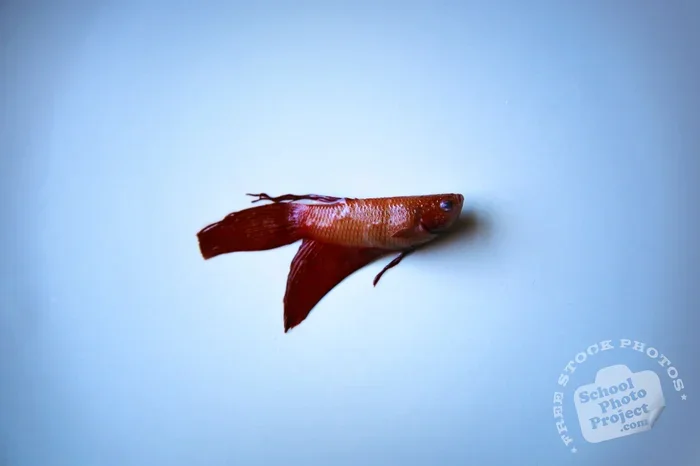
Betta fish are known for their bright, vivid colors. When a betta dies, the body loses its color fast. The fish turns pale, white, or gray. This fading happens because blood flow stops. If your betta looks washed out or dull, this is a strong betta fish symptom of death. Compare this to a healthy betta, which should look vibrant and full of life.
Floating or Sinking
A dead betta fish often floats to the top of the tank. The body becomes stiff and fills with gases, causing it to rise. Other times, the fish sinks and stays on the bottom. Neither floating nor sinking alone means death. A betta fish floating could also be a sign of swim bladder disease or other health issues. But if the fish does not respond at all, it may have died.
No Response to Food or Touch
Betta fish are curious eaters. They usually come to the surface when they see food. If your betta ignores food completely and does not react to your finger near the glass, something is wrong. A betta that shows no response could be very sick or already dead. Try offering a small piece of food and wait a few minutes. No reaction at all is a bad sign.
Body Changes and Smell
Over time, a dead betta fish body starts to change. The fins may clump together. The body might develop a white film or slimy coating. A bad smell coming from the tank is another clear sign. If you notice a strong, unpleasant odor, check your betta right away. This usually means the fish has been dead for several hours.
How to Tell If Your Betta Fish Is Sleeping or Dead
One of the biggest confusions fish owners face is telling the difference between a sleeping betta and a dead one. A betta fish can sleep in many positions. Some rest on the tank floor. Some curl up under a leaf. Some even hover near the filter output. All of these are normal sleeping positions.
A sleeping betta fish will still have slow gill movement. The colors may look slightly faded while resting, but they return when the fish wakes up. Try dimming the lights or shining a small flashlight near the tank. A living betta will usually respond, even slightly. A dead betta will show no response whatsoever.
If you are unsure, wait and watch. Sometimes a betta sleeps for several hours, especially at night. Give it time before jumping to conclusions. Understanding betta fish behavior changes helps you stay calm and make the right call.
Common Causes of Betta Fish Death
Knowing why a betta fish dies helps you prevent it from happening. Many causes are tied to tank conditions and daily care. Let us look at the most common reasons.
Poor Water Quality
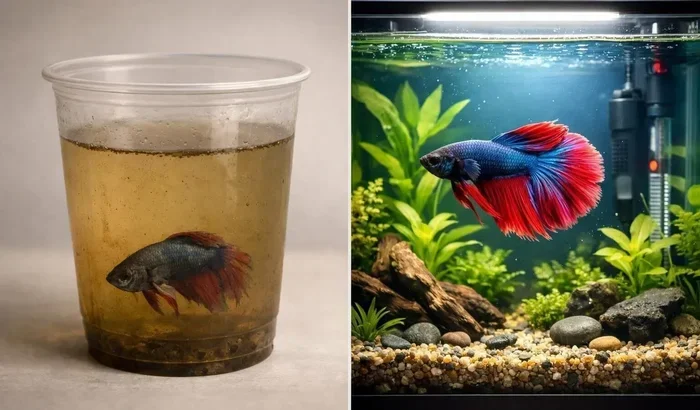
Dirty tank water is the number one killer of betta fish. Ammonia and nitrite levels rise fast in an unclean tank. These chemicals burn the fish’s gills and organs. Even a small amount of ammonia can be deadly. Regular betta fish tank maintenance keeps the water safe. A clean tank is the foundation of good betta fish care.
Wrong Water Temperature
Betta fish are tropical creatures. They need warm water between 76 and 82 degrees Fahrenheit. Cold water slows their body down and makes them weak. A betta fish that gets too cold becomes lethargic and stops eating. Over time, this leads to organ failure and death. Using a heater and keeping your betta fish warm is essential.
Overfeeding or Poor Diet
Many owners love their bettas too much with food. Overfeeding causes bloating, constipation, and swim bladder problems. Uneaten food also rots in the water and raises ammonia levels. Feed your betta two to three small pellets once or twice a day. A balanced diet keeps your betta healthy and strong.
Disease and Infections
Betta fish can get sick just like any pet. Common diseases include fin rot, ich, and fungal infections. These conditions weaken the fish over time. If left untreated, they can be fatal. Learning how to spot betta fish symptoms early gives your fish the best chance of recovery. If you notice white spots, torn fins, or redness, act fast.
Old Age
Sometimes, a betta fish simply reaches the end of its natural life. There is nothing anyone can do to stop this. An older betta may slow down, sleep more, and eat less. This is a natural part of the aging process. Cherish the time you had with your fish and give it a peaceful environment in its final days.
What to Do If Your Betta Fish Has Died
Finding out your betta has passed away is sad. But you still have important steps to take. These steps protect your tank, your other fish, and your peace of mind.
Remove the Body Immediately
A dead fish starts to decay fast. This releases harmful toxins into the water. Ammonia levels can spike within hours. Use a small net or container to remove the body right away. Do not leave it in the tank, even for a short time. Clean water is vital for the health of any remaining fish.
Check Your Water Parameters
After removing the body, test the tank water. Check ammonia, nitrite, and nitrate levels. A sudden fish death can throw off the water balance. If levels are off, do a partial water change of 25 to 30 percent. This helps restore a safe environment for your other fish.
Examine the Tank Conditions
Take a close look at your tank setup. Is the filter working properly? Is the heater set correctly? Are there any signs of stress in other fish? Sometimes a fish death signals a deeper problem with the tank. Fixing the root cause prevents more losses. You can also learn how to clean your betta fish tank to reset the environment.
Grieve and Reflect
Losing a pet fish hurts. It is okay to feel sad. Many fish owners form real bonds with their bettas. Take time to process your feelings. Think about what you learned. Every experience makes you a better fish owner. If you want to welcome another betta, start fresh with better knowledge and a cleaner tank.
How to Keep Your Betta Fish Healthy and Happy
Prevention is always better than dealing with a loss. Good betta fish care keeps your fish lively and thriving for years. Here are the best practices every owner should follow.
Set Up a Proper Tank
A betta fish needs more than a tiny bowl. A tank of at least five gallons is ideal. This gives the fish room to swim and explore. Add a gentle filter to keep the water clean. Include a heater to maintain stable temperatures. A well-set-up tank is the first step toward a healthy betta.
Maintain a Regular Cleaning Schedule
Consistent cleaning prevents harmful buildup. Test the water weekly with a liquid test kit. Change 20 to 25 percent of the water every week. Vacuum the gravel to remove waste and leftover food. A consistent cleaning routine goes a long way in betta fish care.
Watch for Behavior Changes
Pay attention to your betta every day. Notice how it swims, eats, and interacts. Any sudden change in behavior is a warning sign. A betta that hides constantly, stops eating, or stays at the bottom needs attention. Catching problems early gives you time to act. You can learn how to tell if your betta fish is sick and start treatment before it gets worse.
Provide a Balanced Diet
Feed your betta high-quality pellets as the main food. Add variety with frozen or live foods like brine shrimp and bloodworms. Feed small amounts twice a day. Remove any uneaten food after five minutes. A good diet supports strong immunity and bright colors.
Create a Stress-Free Environment
Betta fish get stressed easily. Keep the tank in a quiet area away from loud noises and direct sunlight. Avoid placing the tank near televisions or speakers. Do not keep aggressive tank mates with your betta. A calm, peaceful environment helps your fish thrive. You can also find ways to make your betta fish happy with gentle enrichment and play.
When to Call a Vet or Seek Expert Help
Sometimes, home care is not enough. If your betta shows signs of illness but has not died, you may need professional help. A fish veterinarian can diagnose diseases and prescribe treatments. Many local fish stores also offer advice and treatment options.
Look for signs like open sores, rapid breathing, or eye cloudiness. These are serious symptoms that need quick action. The faster you seek help, the better the chances of saving your fish. Do not wait until it is too late. Early treatment makes all the difference in betta fish health.
Key Takeaways
- Look for no gill movement: If your betta fish shows no breathing or gill activity, it may have passed away.
- Check for loss of color: A faded or pale body is one of the most visible signs of a dead betta fish.
- Watch for floating behavior: A dead betta often floats to the top or sinks to the bottom and stays there.
- Know the difference: A sleeping or sick betta can look like a dead one, so check for small signs of life first.
- Act quickly: Remove a dead betta from the tank to protect water quality and keep other fish safe.
- Prevent future loss: Proper betta fish care and clean tank water help avoid many common causes of death.
Conclusion
Losing a betta fish is never easy. But understanding how to tell if your betta fish died gives you clarity and confidence during a difficult time. Watch for the clear signs like no gill movement, loss of color, floating or sinking, and no response to food. These betta fish symptoms help you make the right call quickly.
Once you know what happened, take the right steps. Remove the body, test the water, and clean the tank. Then reflect on what you can do better. Good betta fish care, clean water, and a healthy tank go a long way in keeping your fish alive and happy.
If you are dealing with a sick fish right now, remember that quick action saves lives. Check out how to make your betta fish healthy again and give your fish the best chance. Every betta deserves a loving home and a long, happy life.
Stay observant, stay caring, and never stop learning about your betta fish. Your effort makes all the difference.
Frequently Asked Questions
How do I know if my betta fish is dead or just sleeping?
A sleeping betta still has slow gill movement and may respond to light or food. A dead betta shows no gill movement, no response, and often loses color. Wait a few minutes and shine a flashlight near the tank to check for any reaction.
What are the first signs that a betta fish is dying?
The first signs include extreme lethargy, loss of appetite, fading color, and rapid or labored breathing. If your betta stops moving and stays at the bottom or top of the tank without responding, these are serious betta fish symptoms that need immediate attention.
Can a betta fish die from dirty water?
Yes, dirty tank water is one of the most common causes of betta fish death. Ammonia and nitrite buildup from poor maintenance burns the gills and organs. Regular water changes and tank cleaning keep the water safe and your fish healthy.
How long does it take for a dead betta fish to start smelling?
A dead betta fish usually starts to develop a smell within 12 to 24 hours. The smell comes from the body breaking down in the warm tank water. Remove a dead fish as soon as possible to prevent odor and protect water quality.
What should I do with a dead betta fish?
Remove the body from the tank immediately using a small net. You can bury it in the yard or place it in a sealed bag before disposing. Always clean the tank and test the water after a fish death to protect any remaining fish.
How can I prevent my betta fish from dying too early?
Keep the tank clean, maintain proper water temperature, feed a balanced diet, and watch for behavior changes. A five-gallon tank with a heater and filter gives your betta the best chance at a long, healthy life. Regular care and attention are the keys to preventing premature betta fish death.