How to Tell If Betta Fish Is Temperature Shocked
Temperature shock is one of the most common and dangerous threats to betta fish health. Knowing how to tell if betta fish is temperature shocked early can mean the difference between a quick recovery and a tragic loss. This guide covers the top signs, causes, and treatments so you can protect your betta.
Every betta fish owner wants their little friend to thrive. But sometimes, something as simple as a temperature change can throw your fish into chaos. Temperature shock happens fast, and it can be deadly if you do not catch it in time.
If you have ever wondered, “How do I know if my betta is okay?” — this article is for you. We will walk you through the clear signs of temperature shock, what causes it, and exactly what to do next. By the end, you will feel confident in keeping your betta safe and comfortable.
Betta fish are sensitive creatures. They come from warm, slow-moving waters in Southeast Asia. That means they need stable, warm water to stay healthy. Even a few degrees too hot or too cold can cause real problems. Let us break it all down for you.
Key Takeaways
- Sudden temperature changes are the leading cause of temperature shock in betta fish.
- Common signs include lethargy, clamped fins, loss of appetite, and rapid breathing.
- Betta fish are sensitive to water temperature and thrive in a stable range of 76-82°F.
- Immediate action like gradual temperature adjustment can save a shocked betta.
- Prevention is easier than treatment — use a reliable heater and thermometer.
- Chronic temperature stress can lead to serious illness and a weakened immune system.
- Knowing your betta’s normal behavior helps you spot temperature shock fast.
📑 Table of Contents
- What Is Temperature Shock in Betta Fish?
- Common Signs Your Betta Fish Is Temperature Shocked
- What Causes Temperature Shock?
- How to Help a Betta Fish Recovering From Temperature Shock
- Preventing Temperature Shock in Your Betta Fish
- When to See a Vet
- Temperature Shock vs. Other Common Betta Illnesses
- Final Thoughts
What Is Temperature Shock in Betta Fish?
Temperature shock happens when a betta fish is exposed to a sudden or extreme change in water temperature. This can be from cold water, hot water, or rapid fluctuations. Unlike gradual changes that a fish can adjust to, sudden shifts overwhelm the body fast.
Think of it like jumping into a cold pool on a hot day. Your body goes into shock. The same thing happens to your betta. Their internal systems slow down or speed up in ways they cannot handle. This stress weakens their immune system and opens the door to disease.
There are two main types of temperature shock:
- Cold shock — caused by water that is too cool, usually below 74°F.
- Heat shock — caused by water that is too warm, usually above 86°F.
Both types are serious. Cold shock tends to slow the fish’s metabolism. Heat shock speeds it up to dangerous levels. Either way, your betta suffers.
Why Betta Fish Are So Sensitive to Temperature
Betta fish are tropical fish. They do not handle cold water well. Their bodies are designed for warm, stable conditions. This is why water temperature matters so much. Without a heater, a betta’s tank can fluctuate with room temperature. And those fluctuations can cause stress.
Also, bettas are labyrinth fish. They breathe air from the surface. But even with this special ability, they still depend on warm water to function properly. Cold water holds more oxygen, but it also slows down a betta’s organs. That is a dangerous combo.
Many beginners do not realize how important stable aquarium temperature really is. A good heater and a simple thermometer can make all the difference.
Common Signs Your Betta Fish Is Temperature Shocked
The sooner you spot the signs, the better the chances of recovery. Betta fish behavior changes are usually the first clue. Here are the most common symptoms to watch for.
1. Lethargy and Sluggish Movement
A healthy betta is active and curious. If your fish suddenly becomes very still or slow, that is a red flag. Temperature-shocked bettas often hover near the bottom of the tank. They may barely move at all. This is not just a lazy day — it is a sign of distress.
2. Clamped Fins
When a betta holds its fins close to its body instead of spreading them out, this is called clamping. It is one of the most recognizable signs of stress in betta fish. Temperature shock often triggers this response. If you see clamped fins, check the water temperature right away.
3. Loss of Appetite
Betta fish are generally eager eaters. If your fish refuses food or shows no interest, something is wrong. Loss of appetite is a common symptom of temperature shock. It can also signal other illnesses, so check the temperature first.
4. Rapid or Labored Breathing
If your betta is breathing very fast or gasping at the surface, the water may be too hot or too cold. Rapid gill movement means the fish is struggling to get enough oxygen. Heat shock often causes this because warm water holds less dissolved oxygen.
5. Color Fading or Darkening
A healthy betta has vibrant colors. When stressed by temperature, their colors may fade or become dull. Some bettas darken or develop vertical stripes. This is a clear visual cue that something is off.
6. Erratic Swimming or Darting
Temperature shock can make bettas swim in strange ways. You might see them darting around the tank or rubbing against objects. This is similar to stress-related behavior and should not be ignored.
7. Staying Near the Surface or Bottom
If your betta suddenly hides all the time or stays stuck at the top or bottom, that is unusual. Temperature discomfort drives bettas to seek zones that feel more comfortable. A fish stuck at the bottom may be reacting to cold water. A fish at the top may be dealing with heat.
What Causes Temperature Shock?
Understanding the causes helps you prevent temperature shock from happening in the first place. Here are the most common culprits.
Sudden Water Changes
Adding new water that is a different temperature than the tank water is a major trigger. This often happens during water changes. If the new water is too cold or too hot, it shocks the fish instantly. Always match the temperature of new water to the tank before adding it.
Broken or Malfunctioning Heater
A heater that stops working can let the water temperature drop fast. This is especially common in winter. If your heater fails, the tank can cool down within hours. A broken aquarium heater is a serious risk for betta fish.
Placing the Tank Near Drafts or Windows
Tank placement matters more than most people realize. Putting a betta tank near a window, door, or vent exposes it to temperature swings. Cold drafts in winter and hot sun in summer can both cause problems.
Using Room-Temperature Water Without a Heater
Some owners skip the heater, especially in small bowls. Room temperature water is often too cool for bettas. Even in summer, room temperature can dip below what a betta needs at night. A heater is not optional — it is essential.
Overheating from Direct Sunlight or Strong Lights
On the flip side, too much heat is just as dangerous. A tank in direct sunlight or under very strong lights can overheat. This causes heat shock, which is just as harmful as cold shock.
Transporting Betta Fish in Unstable Temperatures
Moving a betta from one place to another can expose it to temperature swings. This is why transporting a betta fish long distance needs careful planning. Use insulated bags and avoid extreme temperatures during transport.
How to Help a Betta Fish Recovering From Temperature Shock
If you suspect your betta has temperature shock, do not panic. There are clear steps you can take right away to help your fish recover.
Step 1: Check the Water Temperature Immediately
Use a reliable aquarium thermometer. Know the current temperature and compare it to the ideal range of 76-82°F. This is your first action step. Knowing the exact temperature tells you what to do next.
Step 2: Adjust the Temperature Gradually
Never try to fix the temperature in one big jump. Gradual adjustment is key. If the water is too cold, raise it by 1-2 degrees per hour. If it is too hot, lower it the same way. Rapid changes can make the shock worse.
Step 3: Turn Off the Lights and Reduce Stress
Give your betta a calm environment. Turn off bright lights and keep the tank quiet. Stressed fish recover better in a peaceful setting. This also helps you observe your fish more clearly.
Step 4: Monitor Your Fish Closely
Watch for improvements over the next 24-48 hours. If your betta starts eating again and moves more normally, that is a great sign. If the condition worsens, you may need to take further steps.
Step 5: Consider Treatment for Secondary Illness
Temperature shock weakens the immune system. This can lead to secondary infections like ich or fin rot. If you notice white spots, torn fins, or other symptoms, look into treatment options. Using tetracycline for betta fish or other appropriate medications may be necessary.
Quick Tips for Recovery
- Keep the water clean with regular small water changes.
- Do not feed heavily during recovery — offer small amounts.
- Use a tap water conditioner to remove harmful chemicals.
- Maintain stable temperature throughout the recovery period.
Preventing Temperature Shock in Your Betta Fish
Prevention is always better than cure. Taking a few simple steps can protect your betta from temperature-related stress and keep them healthy for years.
Use a Reliable Aquarium Heater
A good heater is the single most important piece of equipment for a betta tank. Choose a heater sized for your tank. Look for models with built-in thermostats for automatic temperature control. This keeps the water steady and safe.
Install a Thermometer
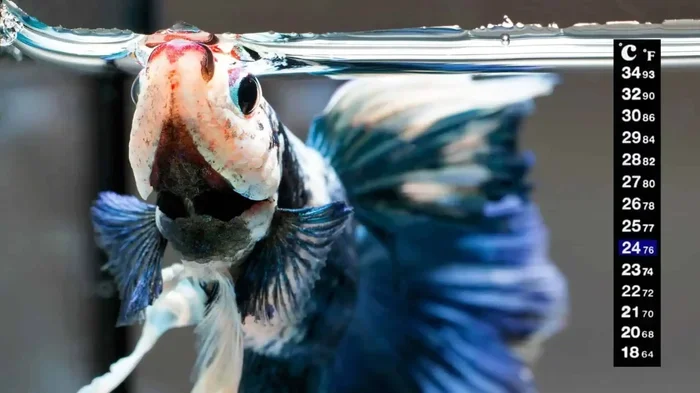
A thermometer lets you monitor the temperature every day. You do not need anything fancy. A simple stick-on or digital thermometer works great. Check it at least once a day, especially during seasonal changes.
Make Gradual Water Changes
When you do water changes, always match the temperature of the new water to the tank. Use a thermometer on the incoming water. This small habit prevents the most common cause of temperature shock.
Keep the Tank Away from Drafts and Direct Sunlight
Place the tank in a stable spot. Avoid areas near doors, windows, air vents, and radiators. A consistent room temperature helps keep the tank stable too.
Maintain Proper Water Parameters
Temperature is not the only factor. Water parameters like pH and ammonia levels also affect your betta’s overall health. Poor water quality combined with temperature stress makes everything worse. Regular testing keeps everything in balance.
Know the Ideal Temperature Range
The best temperature for a betta fish tank is between 76°F and 82°F. Staying within this range gives your betta the best chance at a long, healthy life. If you are ever unsure, check our guide on what is the ideal temperature for betta fish for detailed recommendations.
When to See a Vet
Most cases of mild temperature shock resolve with quick action. But sometimes, things get serious. Know when to seek professional help.
If your betta stops eating for more than two days, shows signs of infection, or does not improve after 48 hours of temperature correction, it is time to consult a vet. Fish veterinarians can diagnose underlying issues that go beyond temperature problems. Do not wait too long. Early intervention saves lives.
Also, if your fish shows signs of temperature shock and you are unsure of the cause, it is always better to be cautious. Other health issues can mimic temperature shock symptoms. A professional can help you tell the difference.
Temperature Shock vs. Other Common Betta Illnesses
It is easy to confuse temperature shock with other betta illnesses because the symptoms overlap. Here is a quick comparison.
Temperature shock usually appears suddenly after a temperature change. Symptoms include lethargy, clamped fins, and rapid breathing. Fin rot shows up as torn or discolored fins and develops over days. ICH causes white spots and scratching behavior. Swim bladder disease affects buoyancy and swimming position.
Because betta fish sickness symptoms often look similar, always check the water temperature first. It is the simplest thing to rule out. If the temperature looks fine, then investigate other causes. For more on identifying illness, check our guide on how to tell if my betta fish is sick.
Knowing your betta’s normal behavior is your best tool. A happy, healthy betta is active, eats well, and shows off beautiful colors. If something changes suddenly, trust your instincts and take action fast.
Final Thoughts
Temperature shock is scary, but it is also very preventable. With the right equipment and a little daily attention, you can keep your betta safe from temperature extremes. The key is stability — stable water temperature, stable routine, and a stress-free environment.
Now that you know how to tell if betta fish is temperature shocked, you are better equipped to protect your fish. Watch for the signs, act quickly, and focus on prevention. Your betta will thank you with vibrant colors and energetic swimming for years to come.
Remember, a healthy betta is a happy betta. Keep that water temperature steady, stay observant, and enjoy the wonderful world of betta fish keeping.
Frequently Asked Questions
What are the first signs of temperature shock in a betta fish?
The earliest signs include lethargy, clamped fins, and loss of appetite. Your betta may also hover near the bottom of the tank and show rapid breathing. These symptoms often appear suddenly after a temperature change.
Can temperature shock kill a betta fish?
Yes, severe temperature shock can be fatal if not addressed quickly. Both cold shock and heat shock can damage internal organs. Acting fast to correct the temperature gives your betta the best chance of survival.
How long does it take for a betta to recover from temperature shock?
Mild cases often improve within 24 to 48 hours once the temperature is corrected. More severe cases may take longer and require additional care. Consistent monitoring during recovery is essential.
What is the ideal temperature range for betta fish?
Betta fish thrive in water temperatures between 76°F and 82°F. Staying within this range helps prevent both cold and heat shock. Use a heater and thermometer to maintain stable conditions.
How can I prevent temperature shock in my betta fish tank?
Use a reliable aquarium heater, install a thermometer, and make gradual water changes. Keep the tank away from drafts and direct sunlight. Regular maintenance and stable water parameters are your best defenses.
Is temperature shock the same as a betta fish being sick?
No, temperature shock is a stress response caused by sudden temperature changes. However, it can weaken the immune system and lead to actual illness. Always check the temperature first when you notice symptoms.
=== CONCLUSION ===
Knowing how to tell if betta fish is temperature shocked is one of the most important skills for any betta owner. The signs are clear once you know what to look for — lethargy, clamped fins, rapid breathing, and loss of appetite. By catching these symptoms early and taking quick action, you can save your fish from serious harm.
Prevention is your strongest tool. A good heater, a simple thermometer, and stable water conditions go a long way. Keep your betta’s environment consistent and you will avoid most temperature problems before they start.
If you ever feel unsure, reach out to a fish veterinarian or consult trusted resources. Your betta depends on you for its well-being. Stay attentive, stay informed, and enjoy the rewarding experience of caring for your betta fish.