How to Tell If Betta Fish Is Hungry
Knowing how to tell if betta fish is hungry helps you keep your fish healthy and happy. Bettas show clear hunger cues like begging, digging, and swimming near the surface. Understanding their feeding needs prevents overfeeding and keeps your betta thriving.
Watching your betta fish swim around its tank can be one of the most relaxing parts of the day. But have you ever stood there wondering, “Is my betta hungry?” It is a question every fish owner asks at some point. How to tell if betta fish is hungry is simpler than you might think. Your fish gives you plenty of clues if you know what to look for.
Feeding your betta the right way is one of the most important parts of betta fish care. Too much food can harm your fish just as much as too little. A betta fish feeding schedule that matches your fish’s natural habits makes a huge difference. In this guide, you will learn all the signs that show your betta is ready to eat. You will also discover how often to feed, what to feed, and common mistakes to avoid.
Key Takeaways
- Bettas show clear hunger signs: These include begging behavior, digging in the substrate, and swimming to the top of the tank.
- Feeding schedule matters: Adult bettas do best with 1-2 small meals per day, while fry need more frequent feedings.
- Overfeeding is a real risk: Too much food can cause bloating, poor water quality, and serious health problems.
- Watch for behavioral changes: A betta that refuses food may be sick, stressed, or simply not hungry.
- Water quality affects appetite: Dirty water can suppress your betta’s desire to eat, so regular maintenance is key.
- Variety in diet promotes health: Offering a mix of pellets, frozen, and live foods keeps your betta nutritionally balanced.
📑 Table of Contents
Why Understanding Betta Hunger Matters
Bettas are not like cats or dogs when it comes to mealtime. They do not have a way to tell you directly, “Hey, I am starving!” Instead, they rely on body language and behavior. Learning to read these signals helps you become a better fish owner. It also keeps your betta healthy for years to come.
When you understand betta fish hunger cues, you avoid two big problems. First, you stop overfeeding, which is one of the leading causes of death in pet bettas. Second, you make sure your fish gets enough nutrition to stay active and colorful. A well-fed betta has bright fins, steady energy, and a healthy appetite.
Many new fish owners think that a hungry betta is a happy betta. That is a myth. Bettas in the wild eat several small meals a day, but they also go through periods of fasting. Your goal is to mimic that natural rhythm in a home tank. This is where knowing how to read your fish becomes essential.
Common Signs Your Betta Fish Is Hungry
Bettas are expressive creatures. They use their body and behavior to communicate. Once you learn their language, feeding time becomes much easier. Here are the most common signs your betta wants food.
Swimming to the Top of the Tank
This is one of the most obvious betta fish hunger cues. When your betta starts hanging out near the surface, it is often a sign that dinner is on its mind. In the wild, bettas hunt insects that land on the water’s surface. So swimming up high is a natural feeding response.
If your betta does this right before your usual feeding time, the message is clear. However, if your fish stays at the top all day, it could also mean low oxygen levels. Always check your water conditions first to rule out other causes.
Begging and Begging Behavior
You have probably seen your betta flare its gills or swim in circles near you. This is classic betta fish begging for food behavior. Bettas are smart fish. They quickly learn that certain movements mean food is coming.
Some bettas will even follow your finger around the tank. Others do a little dance near the glass. While this can be adorable, do not fall for it every time. Overfeeding from begging is a real risk. Stick to your betta fish feeding schedule and ignore the puppy-dog eyes.
Digging or Searching the Substrate
If your betta starts rummaging through the gravel or sand at the bottom, it may be looking for food. In their natural habitat, bettas scavenge for small insects and larvae hiding in the substrate. This behavior is a strong sign that your fish is looking for something to eat.
However, some bettas dig just because they are bored. Adding plants and decorations to the tank can reduce unnecessary digging. If the behavior happens right before feeding time, hunger is the likely cause.
Increased Activity and Restlessness
A hungry betta tends to be more active than usual. You might notice your fish darting around the tank or flaring at its own reflection more often. This restlessness comes from the natural instinct to search for food.
Compare this behavior to your betta’s normal routine. If your usually calm fish suddenly becomes energetic around feeding times, your betta is telling you it is ready to eat. Tracking these patterns helps you build a reliable feeding routine.
How Often Should You Feed a Betta Fish?
Frequency matters just as much as portion size. A betta fish feeding schedule that works well keeps your fish healthy without overloading its tiny stomach. Bettas have small digestive systems, so they cannot handle large meals the way bigger fish can.
For adult bettas, one to two small meals per day is ideal. Each meal should be about the size of your betta’s eye. This might seem tiny, but it is plenty for a fish with a compact body. Some experienced owners also skip one day per week to let the digestive system rest.
Fry and young bettas need more frequent feedings, usually three to four times a day. They are growing fast and need constant energy. As your betta matures, you can reduce the number of meals. Always watch your fish’s body condition and adjust accordingly.
| Betta Type | Meals Per Day | Portion Size | Fasting Day |
|---|---|---|---|
| Adult Betta | 1-2 | Size of betta’s eye | 1 day per week |
| Young Betta (Fry) | 3-4 | Tiny pinches | Not required |
| Senior Betta | 1 | Small pellet or two | 1-2 days per week |
Consistency is key. Try to feed your betta at the same times each day. Bettas thrive on routine, and it helps them feel secure in their environment. If you are away, an automatic feeder can help maintain the schedule.
Best Foods for Your Betta Fish
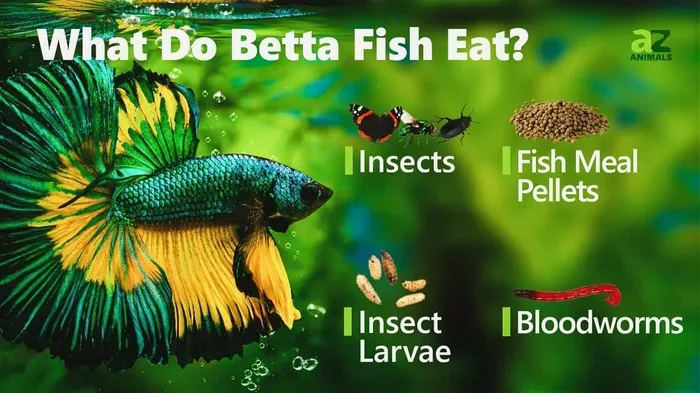
Not all fish food is created equal. Bettas are carnivorous by nature, which means they need a protein-rich diet. Feeding the wrong type of food can lead to nutrition gaps and appetite problems. Understanding betta fish diet basics helps you choose the right options.
High-quality betta pellets should be the staple of your fish’s diet. Look for pellets where the first ingredient is whole fish or fish meal. These provide the protein your betta needs to stay healthy and vibrant. Avoid flakes made for tropical community fish, as they lack the protein bettas require.
Frozen and live foods make excellent treats and supplements. Bloodworms, brine shrimp, and daphnia are all great choices. These foods mimic what bettas would eat in the wild and stimulate their natural hunting instincts. Just remember that treats should make up no more than 20% of the total diet.
Variety is important for betta fish nutrition. Rotating between pellets, frozen foods, and occasional live treats keeps meals interesting and nutritionally balanced. A varied diet also supports strong immune function and healthy digestion.
Foods to Avoid
Some foods can harm your betta or cause it to lose its appetite. Bread, crackers, and human snacks offer no nutritional value and can expand in the stomach. Freeze-dried foods should be soaked before feeding to prevent bloating. Always research any new food before offering it to your fish.
When a Betta Fish Won’t Eat
Sometimes the problem is the opposite. Your betta refuses food, and you wonder if something is wrong. A betta fish not eating can signal several issues, from simple stress to serious illness.
Stress is one of the most common reasons for a loss of appetite. Changes in water temperature, a new tank mate, or loud noises near the tank can all cause stress. If you recently changed anything in the tank environment, give your betta time to adjust. Check your betta fish water parameters to make sure ammonia and nitrite levels are at zero.
Sickness can also suppress your betta’s appetite. If your fish shows other symptoms like clamped fins, faded colors, or lethargy, it may be time to investigate further. Learning how to tell if a betta fish is sick can help you catch problems early. In some cases, a betta that won’t eat might be preparing to breed or simply going through a natural fasting period.
If your betta refuses food for more than three days, take action. Check water quality, lower the temperature slightly, and offer different food types. If the problem continues, consult a fish veterinarian or experienced aquarist. Early intervention can make all the difference.
Common Feeding Mistakes to Avoid
Even the most caring betta owners make mistakes. The good news is that most feeding errors are easy to fix once you know what to look for. Here are the most common ones.
- Overfeeding: This is the number one mistake. Bettas have tiny stomachs, and uneaten food rots in the tank, polluting the water.
- Feeding too often: More meals do not mean better nutrition. Stick to the recommended one to two meals per day for adults.
- Ignoring fasting days: Skipping one day per week helps prevent constipation and gives the digestive system a break.
- Using the wrong food: Flakes and tropical granules do not meet a betta’s protein needs. Always choose betta-specific foods.
- Feeding at random times: Irregular feeding schedules stress your fish and make it harder to spot appetite changes.
Avoiding these mistakes keeps your betta healthy and makes it much easier to read its hunger signals. A consistent routine builds trust between you and your fish.
Expert Tips for a Healthy Feeding Routine
Seasoned betta owners follow a few simple principles that make feeding time smooth and effective. Here are some expert-backed tips to improve your routine.
First, always soak dry foods before adding them to the tank. Dry pellets and flakes can expand inside your betta’s stomach, causing discomfort and bloating. Letting them soak for a few minutes prevents this problem entirely.
Second, watch your betta during feeding. A healthy betta should eat within two to three minutes. If food sits uneaten after that time, remove it from the tank. This prevents water contamination and helps you gauge the right portion size.
Third, pay attention to your betta’s body shape. A well-fed betta has a slightly rounded body but should not look bloated or pine-coned. If your fish looks too thin or too round, adjust the portion size accordingly. If you notice significant changes in body condition, check for illness by learning how to tell if my betta fish is sick.
Finally, keep a feeding log. It sounds simple, but writing down what you fed and when helps you spot patterns. You might notice your betta eats less on certain days or prefers certain foods. These small insights add up to better care over time.
Key Takeaways
- Watch for hunger cues: Swimming to the surface, begging, digging, and restlessness all signal that your betta is ready to eat.
- Follow a consistent schedule: Feed adult bettas 1-2 times per day with portions the size of their eye.
- Choose quality foods: High-protein betta pellets should be the staple, supplemented with frozen or live treats.
- Avoid overfeeding: Uneaten food ruins water quality and can make your fish seriously ill.
- Monitor appetite changes: A betta that suddenly stops eating may be stressed or sick. Investigate further if refusal lasts more than three days.
- Keep water quality high: Clean water supports a healthy appetite. Test parameters regularly and perform partial water changes weekly.
Conclusion
Learning how to tell if betta fish is hungry is one of the most valuable skills you can develop as a fish owner. Your betta communicates through behavior, and once you understand its signals, feeding becomes second nature. Watch for the signs, stick to a schedule, and always choose quality food in appropriate portions.
A well-fed betta is a happy betta. You will notice brighter colors, more energy, and a stronger appetite when you get the balance right. Remember that every betta is different, so do not be afraid to adjust your routine based on your fish’s individual needs. If you ever worry about your betta’s eating habits, do not hesitate to explore resources on how to help a betta fish that is sick or how to treat a stressed betta fish for additional guidance.
Take what you have learned here and put it into practice today. Your betta will thank you with vibrant colors and lively behavior. Happy fish keeping!
Frequently Asked Questions
How do I know if my betta fish is hungry or just begging?
Bettas often beg for food even when they are not truly hungry. The key difference is timing. If your betta shows hunger signs right before its scheduled feeding time, it is likely genuinely hungry. Begging at other times, especially right after a meal, is usually just learned behavior. Stick to your feeding schedule and ignore begging outside of meal times.
Can I feed my betta fish every day without a break?
While daily feeding is fine, skipping one day per week is highly recommended. A weekly fast helps your betta’s digestive system process any remaining food and prevents constipation. This mimics the natural eating patterns bettas experience in the wild and supports long-term health.
What should I do if my betta fish spits out its food?
Bettas sometimes spit out food as a way to break it down before swallowing. This is normal behavior. However, if your betta consistently refuses all food, check the water quality first. Dirty water or poor parameters can suppress appetite. Also try offering a different food type to see if your fish has a preference.
How much should I feed my betta fish at each meal?
Each meal should be about the size of your betta’s eye. This usually translates to two to three small pellets or a tiny pinch of frozen food. Feed slowly and watch your fish eat. Remove any uneaten food after two to three minutes to keep the tank clean.
Is it normal for a betta fish to skip a meal occasionally?
Yes, occasional skipped meals are completely normal. Bettas may not eat if the water temperature is too low, if they are stressed, or if they are simply not hungry that day. As long as your fish eats regularly most days and shows no other symptoms, skipping a meal is nothing to worry about.
Can overfeeding kill a betta fish?
Yes, overfeeding can be fatal. Excess food decays in the tank, raising ammonia and nitrite levels that are toxic to bettas. Overeating also causes bloating, constipation, and swim bladder issues. Always feed small portions and remove uneaten food promptly to keep your betta safe.