How to Teach My Betta Fish to Do Tricks
Teaching your betta fish to do tricks is easier than you think. With patience, the right treats, and a simple training plan, your betta can learn to follow your finger, jump through hoops, and more. This guide covers everything you need to start training your betta fish today.
Have you ever watched your betta fish glide around the tank and thought, “You know what? You could do so much more”? You are not alone. Plenty of fish owners discover that their bettas are capable of learning fun and impressive tricks for betta fish. The secret is not magic. It is simply patience, the right approach, and a willingness to bond with your fish.
Teaching betta fish to do tricks is one of the most rewarding parts of fish ownership. It gives your fish mental stimulation, strengthens your connection, and honestly? It is really fun to watch. Whether you are a total beginner or have had bettas for years, this guide will walk you through the entire process from start to finish.
If you have ever wondered how to teach my betta fish to do tricks, you are in the right place. We will cover everything from understanding betta intelligence to step-by-step training methods. By the end, you will feel confident enough to start your very first training session tonight.
Key Takeaways
- Betta fish are smarter than most people think: They can learn a variety of tricks with consistent practice.
- Start with simple tricks like following your finger: Build confidence before moving to harder tricks.
- Use high-value treats like bloodworms: Rewards keep your betta motivated and engaged.
- Keep training sessions short: 3-5 minutes, 2-3 times a day prevents stress and burnout.
- Avoid common mistakes like overfeeding: Too many treats can harm your fish and ruin training.
- Patience is the key: Every betta learns at their own pace. Celebrate small wins.
📑 Table of Contents
Can Betta Fish Actually Learn Tricks?
Many people assume fish have tiny brains and cannot learn anything. That is far from the truth. Betta fish intelligence is genuinely impressive for a creature so small. Bettas are members of the gourami family, and they have been observed recognizing their owners, responding to signals, and even remembering patterns.
Betta fish behavior tells us a lot about their cognitive abilities. When you feed your betta, does it swim to the front of the tank when you approach? That is a sign of recognition and learning. Bettas are curious creatures that explore their environment and react to changes. This natural curiosity makes them excellent candidates for fish training techniques.
So yes, teach your betta fish to do tricks is absolutely possible. The key is understanding how they learn. Bettas respond best to positive reinforcement, which means rewarding desired behavior instead of punishing unwanted behavior. A small piece of bloodworm or a brine shrimp can work wonders as a motivator.
Why Betta Fish Are Capable of Learning
Bettas have a surprisingly good memory for fish. Studies and experienced fish keepers have shown that bettas can remember things for weeks and even months. They can associate certain actions with outcomes, which is the foundation of all betta fish training. When your betta learns that swimming to a target earns a treat, it starts repeating that behavior.
Betta fish personality also plays a big role. Some bettas are naturally more adventurous and eager to interact. Others are shy and need more time. Understanding your fish’s temperament helps you set realistic expectations and adjust your approach accordingly.
Getting Ready: What You Need Before Training
Before you start training your betta fish, you need a few simple supplies. The good news is that you do not need expensive equipment. Most of what you need, you probably already have.
Essential Supplies for Betta Training
- High-value treats: Bloodworms, brine shrimp, or daphnia. These should be small enough for your betta to eat in one bite. Use them exclusively for training so they stay special.
- A target stick: This can be a simple wooden dowel, a chopstick, or even your fingertip. The target helps guide your betta through movements.
- A clean, stress-free tank: Make sure your betta fish tank is properly set up with clean water and a comfortable temperature. A stressed fish will not learn.
- Patience and a calm attitude: This is the most important “supply” of all. Bettas can sense stress, so keep your energy relaxed.
Setting Up the Right Environment
Training works best when your betta feels safe and comfortable. Make sure the water temperature is between 78 and 80 degrees Fahrenheit. How to keep my betta fish warm without a heater can be helpful if you need to maintain the right temperature. Also, reduce any loud noises or sudden movements near the tank during training sessions.
Feed your betta a small meal before training, but not a full one. A slightly hungry betta is more motivated by treats. This is a simple trick that makes a huge difference in how quickly your fish responds.
The Best Tricks to Teach Your Betta Fish
Not all tricks are created equal. Some are easier for bettas to learn, and starting with the right ones builds confidence for both you and your fish. Here are the best tricks for betta fish to start with.
Trick 1: Following Your Finger
This is the most basic and essential trick. Simply place your finger on the outside of the tank and wait for your betta to notice it. When your betta swims toward your finger, immediately reward it with a treat. Repeat this several times during each session. Most bettas learn this within a few days.
Trick 2: Target Training
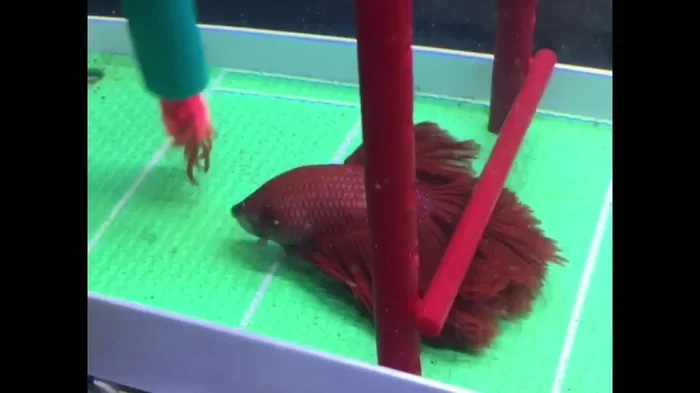
Attach a small piece of food or a colored dot to the end of a stick. Hold it in the water and let your betta touch it with its mouth. Reward immediately. Over time, you can move the target stick around the tank to guide your betta in different directions. This trick is the foundation for many more advanced betta fish tricks.
Trick 3: Swimming Through a Hoop
Once your betta masters target training, you can introduce a small hoop made from soft wire or a pipe cleaner. Guide your betta through the hoop using the target stick and reward it when it passes through. Start with the hoop near the surface and gradually lower it or move it to different positions.
Trick 4: Jumping for Food
This trick requires a bit more effort from your betta. Hold a treat just above the water line. Your betta may eventually jump up to reach it. Be careful with this one and only do it occasionally. Some bettas take to this naturally, while others may need more encouragement.
Trick 5: Ringing a Bell
This is a fun advanced trick. Place a small bell or a clip near the tank wall. Use the target stick to guide your betta to touch the bell. When it does, reward it generously. With repetition, your betta will start ringing the bell on its own.
Step-by-Step Training Guide
Now that you know which tricks to start with, let us walk through the actual training process. How to train a betta fish to do tricks follows a simple, repeatable framework that works for almost every trick.
Step 1: Get Your Betta’s Attention
Approach the tank calmly. Tap the glass gently or wait for your betta to swim near the front. You want your betta focused on you before you begin. If your betta is hiding or not interested, try again later.
Step 2: Show the Reward
Hold a treat close to the tank so your betta can see it. This signals that training time has started. The sight of food triggers excitement and focus in most bettas.
Step 3: Guide the Behavior
Use your target stick or finger to encourage the desired action. For example, move your finger along the glass to encourage swimming, or guide the target stick through a hoop. Be gentle and go at your betta’s pace.
Step 4: Reward Immediately
The moment your betta performs the desired action, give it the treat. Timing is everything. The reward must come within one or two seconds so your betta makes the connection between the action and the reward.
Step 5: Repeat and Gradually Increase Difficulty
Do several repetitions in a single session, but keep it short. Three to five minutes is plenty. Over days and weeks, slowly make the trick harder. For example, move the target stick farther away or raise the hoop higher.
Step 6: Add a Verbal Cue (Optional)
Once your betta reliably performs the trick, you can add a verbal cue like “touch” or “jump.” Say the cue just before you guide your betta. Eventually, your betta may respond to the cue alone. Not all bettas will do this, but many can learn simple verbal signals.
Common Mistakes to Avoid
Even with the best intentions, mistakes can slow down your training. Here are the most common pitfalls and how to avoid them.
- Training sessions that are too long: Bettas have short attention spans. Longer sessions lead to frustration and stress. Keep it to 3-5 minutes max.
- Overfeeding during training: It is easy to give too many treats. This can lead to digestive issues and obesity. Use tiny portions and reduce regular meal sizes on training days.
- Moving too fast: Skipping steps or expecting too much too soon will confuse your betta. Master each level before advancing.
- Training when the fish is stressed: If your betta is showing signs of stress, such as clamped fins or hiding, stop and try again later. Check your betta fish care routine to make sure water conditions are ideal.
- Inconsistent timing: Train at roughly the same times each day. Bettas thrive on routine and will start anticipating training sessions.
If you ever feel stuck, remember that teach my betta fish tricks is a journey, not a race. Some days will feel like progress, and other days will feel like a step back. Both are normal. The important thing is to stay consistent and keep the experience positive for your fish.
How Long Does It Take to Train a Betta Fish?
The honest answer is: it depends. Every betta is different. Some fish pick up simple tricks within a few days. Others might take several weeks. Factors like age, personality, previous training experience, and how often you practice all play a role.
As a general rule, expect simple tricks like following your finger to take about one to two weeks of daily practice. More complex tricks like swimming through hoops or ringing a bell might take three to four weeks or longer. The key is consistency and keeping sessions enjoyable.
Remember that betta fish learning happens gradually. You may not see a breakthrough every day, but small improvements add up. Celebrate every little success, and your betta will keep building on its progress.
If you ever need a refresher or want to explore more training methods, check out how to teach your betta fish to do tricks for additional tips and ideas. The more you understand about your fish’s capabilities, the better trainer you will become.
Final Thoughts on Teaching Betta Fish Tricks
Teaching betta fish to do tricks is one of the most enjoyable aspects of fish keeping. It gives your betta mental stimulation, strengthens your bond, and adds a whole new dimension to your relationship with your fish. You will be amazed at what your betta can learn when you approach training with patience and positivity.
Start simple. Use great treats. Keep sessions short and fun. And most importantly, enjoy the process. Your betta fish is smarter than you think, and the tricks you can teach together are limited only by your creativity and commitment.
Whether you are just starting out or looking to expand your betta’s trick repertoire, the principles remain the same: be patient, be consistent, and always make it a positive experience. Happy training!
Frequently Asked Questions
Can all betta fish learn tricks?
Most betta fish can learn basic tricks with patience and consistent training. However, individual personality plays a big role. Some bettas are naturally more curious and eager to interact, while others may be more reserved. Even shy bettas can learn simple tricks like following your finger over time.
What is the best treat to use for training?
Bloodworms, brine shrimp, and daphnia are excellent training treats because bettas love them and they are small enough to give in tiny portions. Use these treats exclusively during training sessions so they remain high-value rewards. Avoid overfeeding, as too many treats can cause health issues.
How long should each training session last?
Keep training sessions to 3-5 minutes, 2-3 times per day. Bettas have short attention spans, and longer sessions can lead to stress and frustration. Short, frequent sessions are far more effective than long, infrequent ones. Watch for signs that your betta is losing interest and end the session on a positive note.
Do betta fish get stressed during training?
Training should never stress your betta. If you notice signs of stress like clamped fins, rapid breathing, or hiding, stop the session immediately. Make sure the tank environment is comfortable and calm before training. A relaxed fish learns much faster than a stressed one.
Can I teach my older betta fish new tricks?
Yes, age is not a barrier. Older bettas can absolutely learn new tricks, though they may take a bit longer than younger fish. The key is patience and consistency. Bettas of all ages benefit from mental stimulation, and learning tricks can be a great way to keep an older fish engaged and active.
What if my betta fish won’t participate in training?
If your betta is not interested, try training at a different time of day or offer a more enticing treat. Make sure the tank is clean and the water temperature is ideal. Sometimes simply waiting a day or two and trying again makes all the difference. Never force your betta to participate. For tips on encouraging appetite, check out what to do if my betta fish won’t eat.